







Search Results for: History of the Flavor Wheel
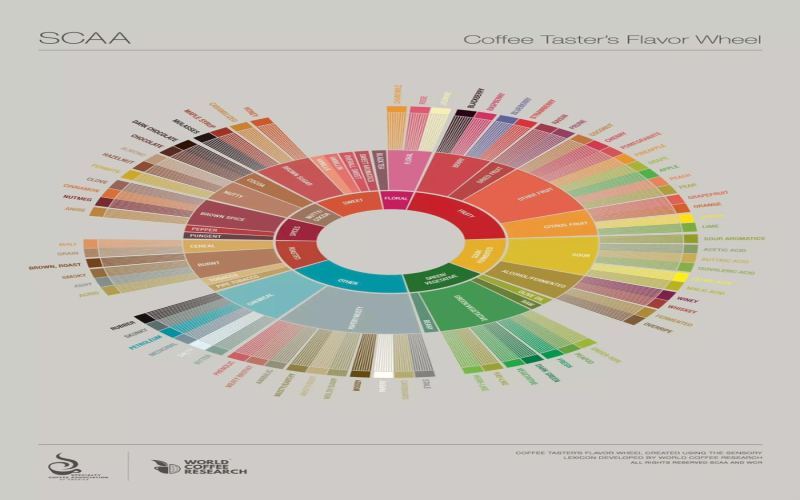
2017 SCAA Coffee Flavor Wheel High-Definition Illustrated Detailed Explanation: Chinese-English Versions and the Historical Evolution of the Flavor Wheel
In January 2016, the SCAA, in collaboration with WCR, undertook the first major revision of the coffee flavor wheel in over two decades—a change that drew widespread attention in the coffee community. As a vital tool for cuppers and roasters, the flavor wheel provides a common language for sensory evaluation of coffee. This article traces the origins and evolution of the flavor wheel in detail, interprets the latest high-resolution Chinese-English comparison chart, and explores its key role in enhancing coffee quality. It also retains relevant recommendations from Front Street Coffee for coffee enthusiasts' reference. [more…]
A Detailed Guide to the All-New SCAA Coffee Flavor Wheel: From the Old Classification to a Complete Breakdown of the Added Fruit and Plant Flavors
The coffee flavor wheel is one of the most valuable tools in the coffee industry, and after 21 years since its creation, the SCAA flavor wheel has undergone its first comprehensive update. This revision relied on deep collaboration between the World Coffee Research organization and the SCAA, bringing together the collective wisdom of sensory experts, scientists, buyers, and roasters, making it arguably the largest and most collaborative flavor wheel research project in history. The new version not only restructured the logic of flavor classification but also added a large number of fruit and plant-based descriptors. This article will guide you through the structure and meaning of the old flavor wheel, compare the changes in the new version, and interpret the industry trends behind the newly added flavors. Whether you are a newcomer just getting into specialty coffee or a seasoned enthusiast, you can gain a clear framework for understanding flavor from it. [more…]
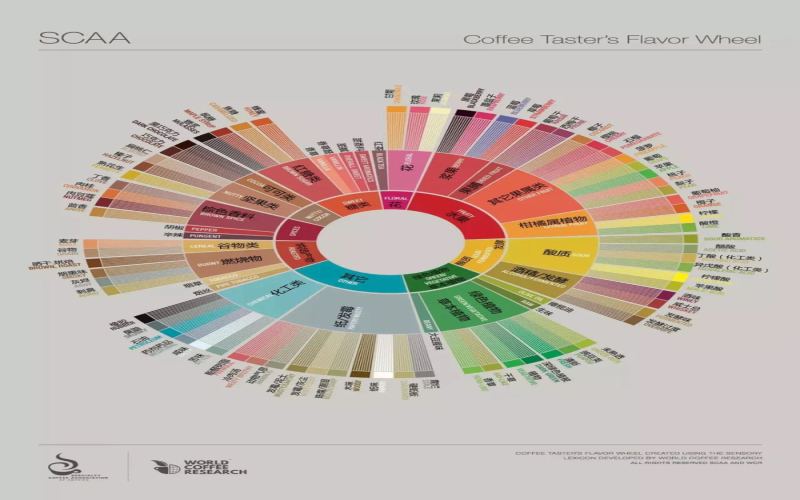
Comprehensive Comparison of the Old and New SCAA Coffee Flavor Wheels: Structure Analysis, Sensory Classification, and a Guide to Obtaining HD Wallpapers
The coffee flavor wheel can be considered one of the most valuable tools in the coffee field, and the SCAA has undertaken its first major update since its creation 21 years ago. This revision relied on deep collaboration between the World Coffee Research organization and the SCAA, bringing together the collective wisdom of sensory experts, researchers, coffee buyers, and roasters, becoming the largest and most participatory flavor wheel research project to date, and giving rise to a series of new terms in the industry and professional field. This article will guide you from the structure of the old flavor wheel, gradually analyzing the details of the changes in the new version, including the addition of a large number of fruit and plant flavor descriptors such as strawberry, blueberry, jasmine, and grapefruit, helping you fully understand this common language of the coffee world. [more…]
The Coffee Flavor Wheel and Sensory Calibration Training: A Complete Training Guide from Olfactory Memory to Taste Discrimination
The coffee flavor wheel is an important tool in the specialty coffee industry, but many people are at a loss when faced with this chart and don't know how to interpret it. This article systematically sorts out the development background and practical value of the coffee flavor wheel, and provides an in-depth explanation of specific methods for sensory calibration training—from the daily accumulation of aroma memory to the dual perception mechanism of taste buds and mouthfeel in taste discrimination. Only by building a personal flavor memory bank through scientific training can you truly understand a cup of coffee. The article also introduces the working principles of the tongue's two types of receptors, as well as the material basis behind smoothness and astringency. If you want to improve your tasting ability, this training method is worth studying repeatedly. [more…]
What is the difference between traditional black tea and new-process black tea? Which has a better taste, traditional Dianhong or sun-dried black tea?
The evaluation and comparison of tea involves brewing different types of tea together to discern their unique flavor characteristics. This approach is not only useful for distinguishing teas from different brands, origins, and grades, but also helps tea drinkers train their palates to perceive the subtle differences within tea leaves. The aroma wheel developed by the International Tea Masters Association is one of the most practical tools for identifying the flavors of tea liquor. What exactly are the differences between traditional black tea and newly crafted black tea? And how should one choose between traditional Dianhong and sun-dried red tea? Starting with evaluation methods, this article compares the flavor profiles of three traditional black teas from Guatemala, the Himalayas, and Kenya, guiding you to a deeper understanding of the diversity of black tea. [more…]

Tracing the Origins of International Coffee Day and an Analysis of the Current Status and Future Path of the Yunnan Arabica Coffee Industry
On October 1, 2015, the world welcomed the first International Coffee Day, and the enthusiasm in China's coffee circles even overshadowed the National Day holiday. Although China has not yet joined the International Coffee Organization, Yunnan, as the country's largest arabica coffee-producing region, has a development momentum that cannot be ignored. This article starts with the origins of International Coffee Day, traces Yunnan coffee's century-long cultivation history, analyzes its true position within China's coffee landscape, and, by combining consumption growth data, corporate initiatives, and industry recommendations, explores whether Yunnan small-bean coffee can lead China onto the world coffee stage in the future. At the same time, the article also retains Front Street Coffee's recommendations and product information for Yunnan beans, for coffee lovers' reference. [more…]
Artisan Roasting Software Operation Guide: Coffee Bean Temperature Curve Logging and Flavor Control Techniques
For coffee roasters pursuing consistent output and flavor reproducibility, Artisan is a rare open-source tool. It can connect to temperature recorders or PID controllers, collect bean temperature and air temperature data in real time during the roasting process, automatically generate visualized curves, and help judge the trends of the drying, Maillard, and development phases. This article compiles Artisan's core functions, compatible device list, export and reporting methods, and includes software screenshots and a version update summary. Whether you use Mac, Windows, or Linux, you can use it to optimize your roasting rhythm, making the flavor performance of every batch of Front Street Coffee beans more controllable and more reproducible. [more…]
Origin, Variety Characteristics, and Cultivation Analysis of Pink Bourbon Coffee Beans in Colombia's Cauca Region
Pink Bourbon is a particularly eye-catching rare variety in Colombia's coffee landscape. It is a cross between Red Bourbon and Yellow Bourbon and gets its name from the unstable pink color of its ripe cherries, with extremely limited yields. Starting from the origin story of Pink Bourbon, this article reviews the history of coffee's introduction to Colombia and the industry's position, takes an in-depth look at the terroir conditions and microclimate characteristics of Cauca Department, and, through a comparative cupping and brewing of two Colombian beans from Front Street Coffee, presents the unique flavor expression of Pink Bourbon. Whether for variety knowledge or brewing reference, it can provide coffee lovers with a complete tasting guide. [more…]
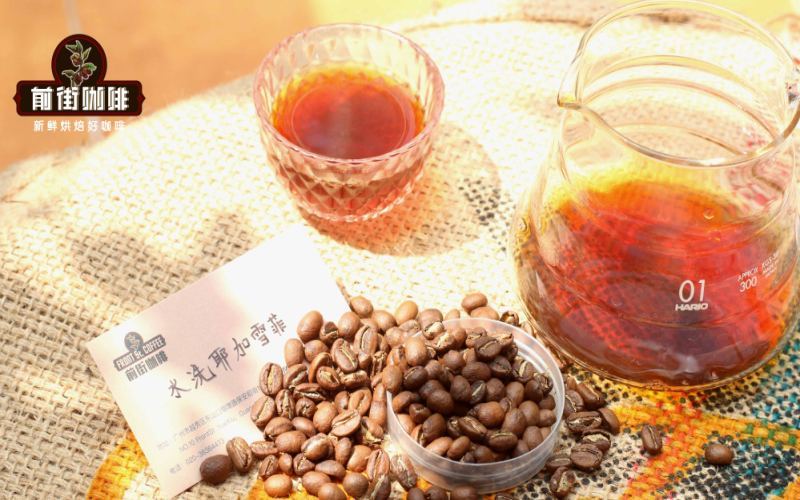
A Comprehensive Analysis of the Origins, Grading System, and Flavor of Yirgacheffe Worka Specialty Coffee Beans
Yirgacheffe is one of the highest-altitude coffee-growing regions in the world and a byword for floral and fruity aromas in the hearts of countless coffee lovers. This article starts from the region's history, grading system, and the background of its washing stations, and systematically traces the origins and development of Yirgacheffe Worka specialty coffee beans. It also introduces several representative products, including Front Street Gutingting, Front Street Kochere Estate Natural G1, Front Street ARICHA, and Front Street Natural Red Cherry, and combines cupping performance with roasting recommendations to help readers fully understand the terroir charm and flavor logic of this legendary region. [more…]

Is Turkish coffee fortune-telling really accurate? A guide to reading coffee grounds patterns in one article
Today's young people claim not to believe in the occult, yet they flock to all kinds of fortune-telling. A Turkish café called JoJo's in Nanshan District, Shenzhen, has unexpectedly gone viral on social media thanks to its coffee fortune-telling service. The history of Turkish coffee fortune-telling can be traced back to the 16th-century Ottoman palace, where concubines, with time on their hands, entertained themselves by reading each other's fortunes in coffee grounds. Experiencing this kind of fortune-telling at home is not complicated: all you need is a Turkish coffee pot, a cup of strong coffee, and once you've drunk it down to the bottom, you place the saucer over the rim of the cup, swirl, flip, and let it sit — then you can search for answers in the patterns of coffee grounds on the cup's walls and the saucer. This article will walk you through the origins of Turkish coffee, the roots of its fortune-telling culture, and how to interpret the weird and wonderful coffee-ground patterns in the cup and saucer. [more…]
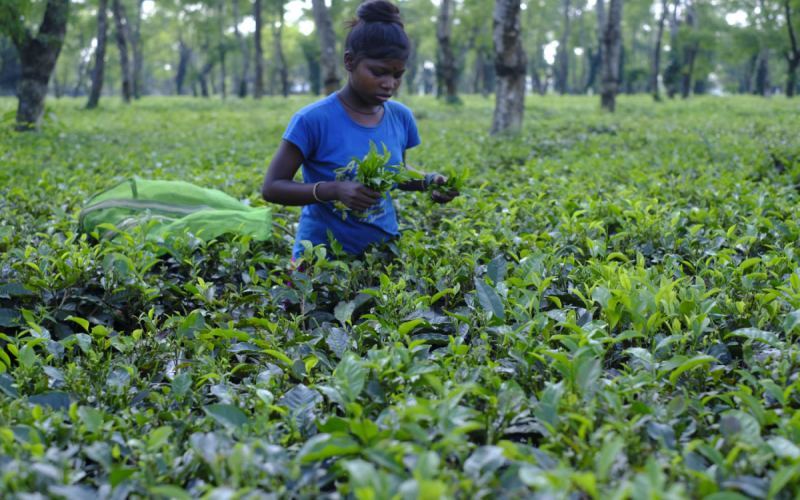
How should Assam black tea be properly tasted? How to choose a brewing vessel? Can it be drunk directly?
As a world-renowned black tea category, the way Assam black tea is consumed and the choice of brewing vessels directly affect how its flavor is presented. Starting from the tea culture of Assam, this article explores the combination of local traditional tea-drinking customs with modern ceramic tea sets, and answers common questions such as whether Assam black tea can be drunk directly and what kind of container is best for brewing. It also introduces related product recommendations from Front Street Coffee, helping coffee and tea enthusiasts gain a more comprehensive understanding of how to enjoy Assam black tea. [more…]
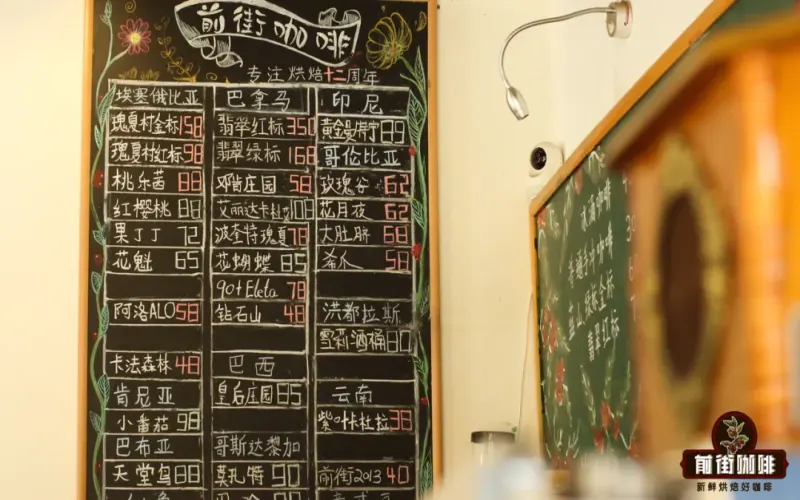
Why Is Contemporary Coffee Generally So Acidic? From Roasting Evolution to the Light/Dark Roast Choices for Blue Mountain and Huakui
In recent years, many coffee enthusiasts have noticed that most coffee on the market has a sour taste, which has sparked discussions about whether "good coffee must be sour." This article analyzes the reasons behind the widespread sourness in coffee from perspectives such as roasting history, the concept of specialty coffee, and the Nordic light-roast trend, while also clarifying the relationship between coffee quality and taste. At the same time, using specific products from Front Street Coffee such as Blue Mountain No. 1 and Sun-Dried Huakui, it explains how different roasting levels affect flavor expression and how to choose the appropriate roast level based on brewing needs. [more…]

Front Street Coffee Complete Knowledge Collection: A Coffee Learning Guide and Practical Manual from Beginner to Advanced
The Front Street official account has insisted on daily updates for many years, accumulating a massive amount of educational content covering every area of coffee. From the origins of coffee beans to the birth of a finished cup of coffee, from basic terminology to advanced brewing techniques, the articles have touched on virtually every question a coffee lover might encounter. This article reorganizes that content along a learning path, dividing it into sections such as must-reads for beginners, tasting methods, brewing techniques, advanced improvement, and Front Street's random musings on industry topics, making it easy for readers to quickly locate the knowledge they need based on their own stage, and also convenient for systematically filling in gaps. Whether you are a novice just getting into coffee or an advanced player hoping to hone your skills, you can find corresponding content here. [more…]
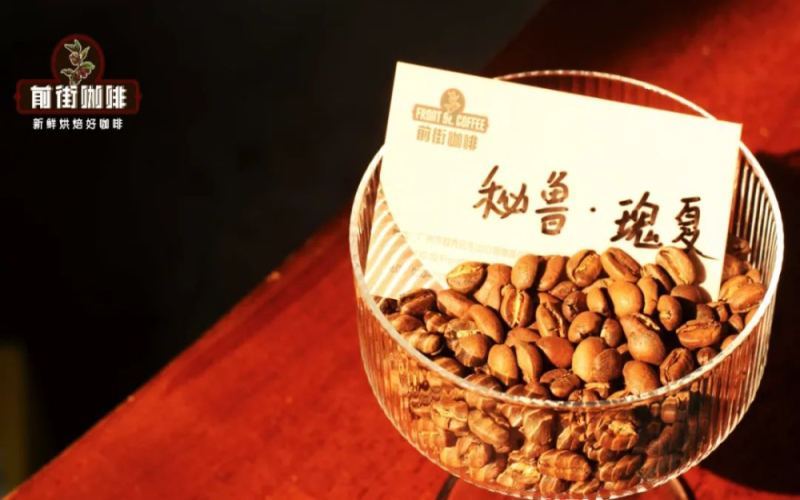
Exploring the Cajamarca Region of Peru: Flavor Profile and Industry Background of Washed Geisha Coffee
Although Peruvian coffee is not as renowned as that of Colombia or Brazil, it has risen rapidly in the international specialty market thanks to its complex flavors, mild and balanced taste, and extremely high cleanliness. As the world's number one producer of organic coffee, Peru's coffee industry has gone through a tortuous journey from colonial introduction and the large-estate model to the revival of cooperatives. In this article, Front Street will take you deep into Peru's coffee-growing regions, grading system, and processing methods, with a special focus on the northern specialty region of Cajamarca, analyzing its white floral, prune, citrus, and black tea-like flavor profile through a cupping experience of a washed Geisha. [more…]

7-Eleven Teams Up with Hennessy to Launch a Premium Tipsy Latte: Can Coffee Plus Alcohol Become the Next Big Trend?
The cross-industry fusion of coffee and alcohol is becoming a new industry trend. 7-Eleven's specialty coffee brand CITY PRIMA has partnered for the first time with the renowned French cognac house Hennessy to launch the "Specialty Tipsy Latte Combo," pairing specialty Ethiopian beans with a mini bottle of Hennessy V.S.O.P, allowing consumers to mix their own专属 liquor-infused flavor. This is not 7-Eleven's first foray into the alcohol-coffee arena; previously, its Beijing stores had already tested a self-service cocktail area. From chain brands to independent cafes, the "daytime coffee, nighttime alcohol" model is sweeping across the entire coffee market, and beverage brands are also increasingly moving toward coffee. This article will guide you through the specifics of this collaboration, the product background, and the new trends sparked by the collision of coffee and alcohol. [more…]
Costa Rica Central Valley Black Pearl Coffee Beans: Traceability, Flavor Analysis, and Brewing & Roasting Parameter Guide
Costa Rica is famous for its honey processing, but Front Street Coffee also brings sun-dried Central Valley Black Pearl and Red Pearl, showcasing fermented aromas, caramel, and fruity notes. This article starts with the history of Costa Rican coffee and its eight major producing regions, then details the Central Valley terroir, the characteristics of the Caturra and Catuai varieties, and the altitude grading system. It also takes an in-depth look at Las Lajas Estate and Sonora Estate, analyzing their special sun-dried and sun-dried processing flows. At the same time, it shares Front Street's brewing ideas for Black Pearl and Red Pearl as well as the Red Pearl roasting curve, providing a complete reference for coffee enthusiasts. [more…]
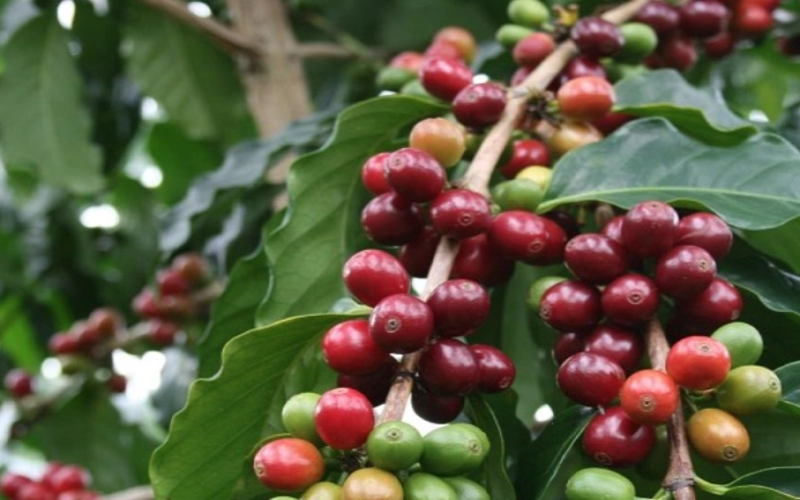
A Complete Guide to Ethiopian Coffee Regions: Flavor Comparison of Sidamo and Sidama, Yirgacheffe, Guji, Harrar, and Jimma
Ethiopia, as a genetic treasure trove of coffee, has nurtured countless stunning specialty coffee regions. From the administrative transition of Sidamo to Sidama, from the wetland settlement of Yirgacheffe to the rise of Guji as tomorrow's star, each region possesses unique terroir conditions and processing techniques. Beans such as Front Street Gudingding, Front Street Red Cherry, and Front Street Huakui are typical representatives of the flavors of different regions. This article will systematically sort out the flavor characteristics and historical context of Ethiopia's major coffee regions, taking you to deeply understand the unique charm of Sidamo, Sidama, Yirgacheffe, Guji, Harrar, Limu, and Djimma. [more…]
A Complete Guide to Jamaican Blue Mountain Coffee: Flavor Characteristics, Growing Conditions, Grade Classification, and Authenticity Verification
Blue Mountain coffee has long been regarded as a classic representative in the coffee world. Its full aroma, balanced taste, and lingering sweet aftertaste have fulfilled countless tasters' imagination of a good cup of coffee. However, in today's trend of chasing fruity acidity and regional flavors, has Blue Mountain become outdated? This article will comprehensively sort out every aspect of this legendary coffee from perspectives including the geography and climate of the Blue Mountain producing region, cultivation and harvesting methods, green bean processing procedures, the history of Japanese capital involvement, as well as the CIB official grade classification and authenticity identification methods. The article will also combine the example of the Clifton Farm Blue Mountain coffee beans sold by Front Street Coffee to help readers build a systematic understanding of authentic Blue Mountain coffee. [more…]
Panama Hacienda La Esmeralda Diamond Mountain Series: A Comprehensive Analysis of the Origin, Varieties, and Brewing of Caturra and Catuai Natural Process Beans
In the specialty coffee world, Panama's Hacienda La Esmeralda is renowned for its Geisha variety, but the estate also has two Caturra and Catuai product lines worth noting: Diamond Mountain and Pamira. This article focuses on the sun-dried Diamond Mountain coffee beans introduced by Front Street Coffee, starting with the history of Hacienda La Esmeralda, then outlining the varietal characteristics of Caturra and Catuai, and going deeper into the microclimates and plot divisions of Diamond Mountain's two growing areas, Canas Verdes and Jaramillo. Finally, it presents Front Street's complete green bean identification, roasting curve, cupping data, and V60 brewing method, providing coffee enthusiasts with a detailed profile that combines origin knowledge and practical reference. [more…]
Where Does the Tea-Like Quality in Pour-Over Coffee Come From? Analyzing the Formation and Tasting of Tea Notes in Coffee Flavor
On coffee bean flavor labels, we often see various tea-related descriptors, sometimes even specifying the name of a particular tea. Why does coffee taste like tea? How exactly is this tea-like sensation formed? Starting from Front Street Coffee's tasting experience, this article analyzes the sources of tea-like notes in coffee—including the tactile effects of tea polyphenols and tannins on the palate, the dual role of astringency in coffee, and how medium-light roasting brings coffee closer to a tea experience. It also draws on specific beans such as washed Geisha, Yirgacheffe, and Yunnan Typica to illustrate how different tea aroma types manifest in coffee, helping enthusiasts describe and understand coffee flavors more accurately. [more…]