







Search Results for: Artisan
Artisan Roasting Software Operation Guide: Coffee Bean Temperature Curve Logging and Flavor Control Techniques
For coffee roasters pursuing consistent output and flavor reproducibility, Artisan is a rare open-source tool. It can connect to temperature recorders or PID controllers, collect bean temperature and air temperature data in real time during the roasting process, automatically generate visualized curves, and help judge the trends of the drying, Maillard, and development phases. This article compiles Artisan's core functions, compatible device list, export and reporting methods, and includes software screenshots and a version update summary. Whether you use Mac, Windows, or Linux, you can use it to optimize your roasting rhythm, making the flavor performance of every batch of Front Street Coffee beans more controllable and more reproducible. [more…]
Espresso Milk Coffee | Is an Australian White, Flat White, or Artisan White a latte? What are the flavor and mouthfeel characteristics of an Australian White? Is the coffee base of an Australian White the same as that of a latte?
For most coffee lovers, their first encounter with the Flat White came in 2015, when Starbucks launched it under the name "Fu Rui Bai" and added it to its permanent menu. Later, various coffee brands also rolled out their own Flat Whites, bringing this drink from the Southern Hemisphere [more…]

Japanese café sparks debate by selling 65°C warm plain water, three cups for 25 yuan
On a cold winter morning, a glass of warm water at just the right temperature can quickly warm the body and awaken dormant functions. Now, a café in Japan has put this everyday drink on its menu, selling it under the name "Ultimate Artisan Warm Water," priced at 500 yen (about 25 yuan) for three cups. The shop uses a ceramic kettle to hold groundwater, boils it, lets it sit to cool, and finally serves it to customers at around 65°C. Some find it thoughtful and warming, while others question why they can't just boil water themselves. Meanwhile, bottled warm water that a Japanese convenience store once offered for a limited time has become a regular product after sales exceeded expectations by three times. Whether this warm water trend will spread in the coffee industry is worth watching. [more…]
Is Geisha and Yiji the Same Variety? The Origins, Flavor Profile, and Red/Green Label Grading of Panama Geisha Explained
Geisha is another highly renowned coffee bean that has attracted much attention after Blue Mountain, and it often becomes the highest-priced "treasure of the shop" in coffee shops. Besides the name "Geisha," some people on the market also call it "Yiji"—are the two actually the same coffee? What historical origins does this bean have, and why is it most famous for the Panama producing region? In this article, Front Street Coffee will sort out Geisha's variety origins, flavor characteristics, and the grade differences between Hacienda La Esmeralda's Red Label and Green Label Geisha, taking you through this legendary coffee from variety and terroir to processing method. [more…]
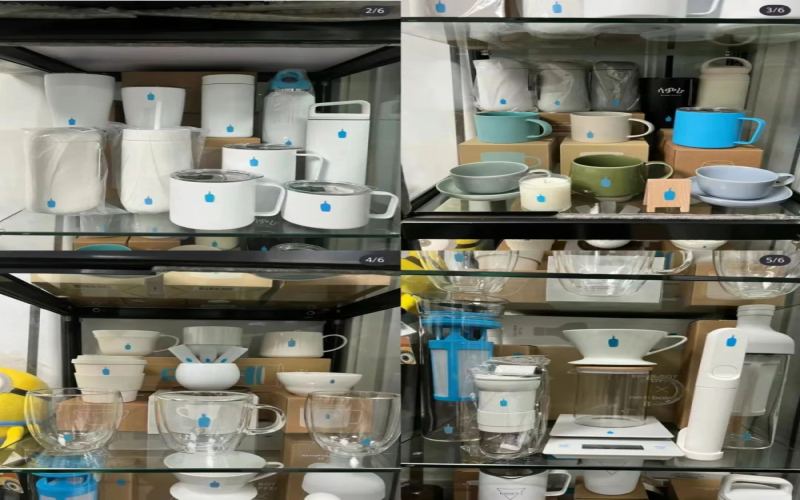
Blue Bottle Coffee's limited-edition green cup quality control fails: Controversy over hand-glazing and differences in cup-bottom markings in China spark heated discussion
Blue Bottle Coffee recently launched a 2023 holiday limited-edition pine green mug in Japan, which quickly became a hit in collector circles thanks to its high aesthetic appeal. After the China region officially announced its release on November 5, the mini-program sold out instantly, with many enthusiasts going so far as to use international proxy shopping services or visit physical stores just to get one. However, when the mugs arrived after crossing the ocean, many consumers discovered flaws such as uneven glaze and bumpy walls, and customer service's response citing "artisan handmade" further sparked skepticism. In addition, the China version only has "Made in Japan" printed on the bottom, creating a gap compared with the complete information on the Japanese version. Even more frustrating, some online orders arrived with the mug shattered upon opening due to flimsy packaging. Front Street Coffee has also been following this incident, and this article will provide a complete rundown of the Blue Bottle green mug's journey from hot demand to backlash, offering a reference for coffee gear enthusiasts. [more…]
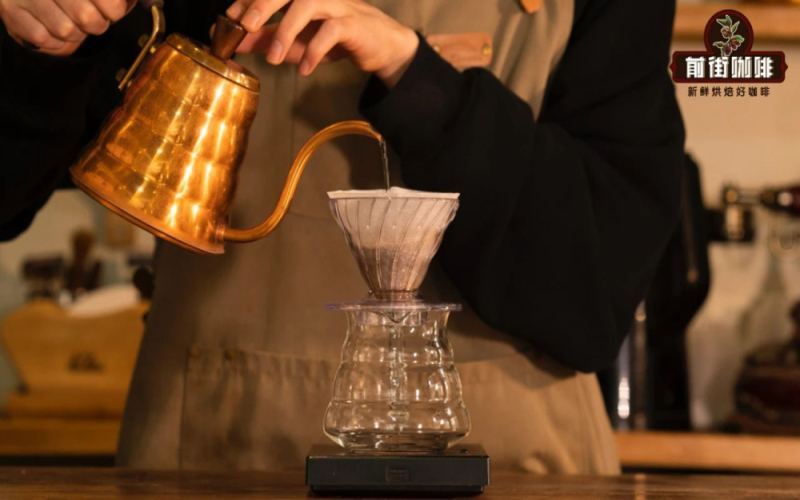
Japanese Iced Coffee Brewing Guide: Iced Americano vs Cold Brew, Iced Pour-Over Recipe, and Whether You Can Order It Without Ice
Japanese coffee culture has long been renowned for its artisan spirit, with a preference for rich, full-bodied medium-dark roast flavors—Blue Mountain and Mandheling being typical examples. In the heat of summer, iced coffee is naturally indispensable. This article focuses on Japanese-style iced coffee, introducing the advantages of its quick preparation, its differences from cold brew and iced Americano, and providing complete parameters for iced pour-over using beans such as Front Street Yirgacheffe—including dose, ice ratio, water temperature and grind size, blooming, and staged pouring techniques. It also addresses the question of whether cold brew iced coffee can be served without ice, and reminds readers of the impact of low temperature on flavor perception, helping coffee enthusiasts make a refreshing, bright cup of iced coffee in summer. [more…]
How to Make Japanese-Style Iced Pour-Over Coffee? A Full Breakdown of Its Characteristics, Steps, and Brewing Key Points
Japanese coffee culture has long been known for its artisan spirit, and local coffee lovers prefer rich, full-bodied dark roasts—Blue Mountain and Mandheling are typical examples. But on a hot summer day, a refreshing glass of iced coffee is equally indispensable. The Japanese-style iced coffee method is actually not complicated—prepare ice cubes in the cup, then extract using the regular hot pour-over method. Its biggest advantage is that it's quick to make, with no need to wait all night like cold brew, yet the result is full-flavored and bright. This article will use a recipe of 15g coffee grounds and 100g ice as an example, explaining the complete Japanese-style iced pour-over process step by step—from bean selection, grind size, and water temperature to staged pouring—and summarize key points such as the ice-to-water ratio and extraction yield adjustment, to help you brew a refreshing and delicious cup at home. [more…]

Are Australian White, Fu Rui White, and Australian Rui White the same coffee? A full analysis of the origin, flavor, and home brewing of Flat White
Walk into any coffee shop, and the Australian White, Flat White, Aussie White, and Artisan White on the menu all actually point to the same drink—Flat White. It has thinner milk foam and a stronger coffee flavor, and in recent years it has been highly sought after in the specialty coffee wave. This article will start with the controversy over the origin of the Flat White, sort out its essential differences from a latte, analyze the philosophies of baristas from different origins, and share Front Street Coffee's complete parameters and production steps for recreating this rich milk coffee at home, taking you through a comprehensive understanding of this small-cup classic Italian milk coffee. [more…]
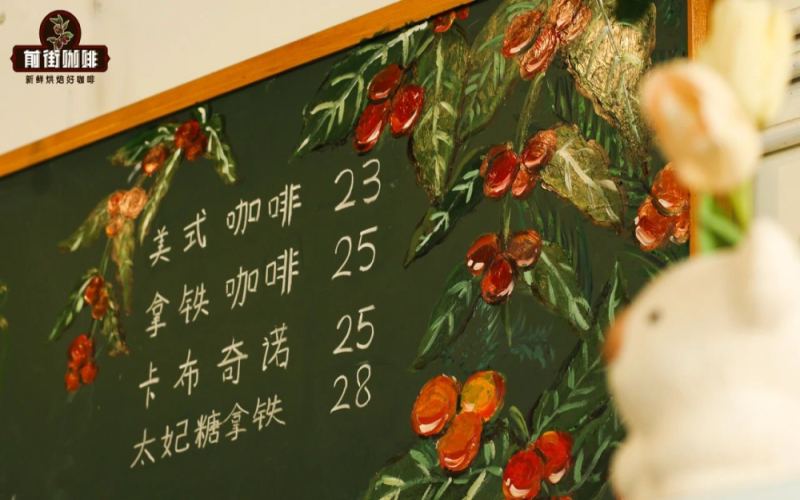
The Complete Guide to Flat White Coffee: Origins, Preparation, and Differences from Fu Rui Bai
Flat White, Aussie White, Alto White, Little White—these seemingly different names all actually point to the same classic milk coffee originating from the Southern Hemisphere: Flat White. With a stronger coffee flavor than a latte and a finer milk foam texture than a cappuccino, it quickly became popular in the global specialty coffee scene. So how exactly was the Flat White born? Is it really the same drink as Alto White? And how can you make a standard Flat White at home or in a café? This article, from the perspective of Front Street Coffee, systematically sorts out the definition, historical context, recipe ratios, and key production points of Flat White, and answers common questions about its relationship with Alto White, helping you understand this world-famous milk coffee all at once. [more…]
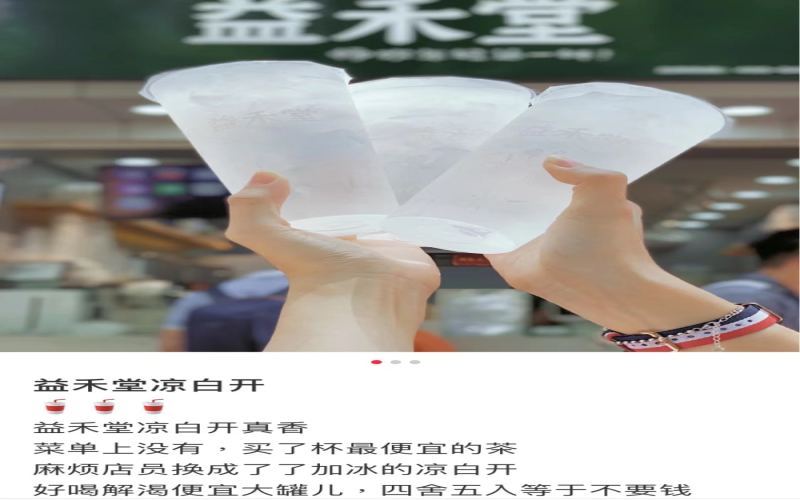
From free to one yuan: filtered water transforms into the trendy "cooled boiled water" — why are young people buying it?
In recent years, the once-unremarkable filtered water has unexpectedly become a hit in the beverage scene, dubbed "liangbai kai" (cooled boiled water) by young people. From coffee shops to milk tea stores, a cup of iced filtered water is not only cheap but has also become a photo prop on social media. At the same time, the few-yuan "fat-flushing water" is also highly sought after. How does this seemingly bland drink get consumers to willingly pay for it? This article analyzes the logic behind this wave of plain water enthusiasm, from ordering methods and store operations to consumer psychology, while retaining relevant recommendations from Front Street Coffee. [more…]
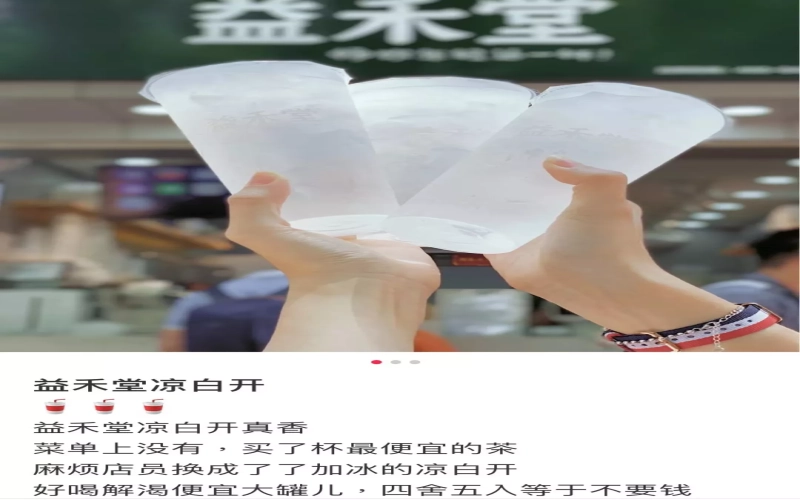
Why has ice water become the new social media favorite? Analyzing the popularity logic of free cold boiled water in milk tea and coffee shops
Recently, a kind of cold boiled water different from the traditional sense has quietly become popular on social platforms—it comes from the hands of milk tea or coffee shop employees, is processed through a filtration system, is not boiled, and is poured into a transparent PE cup filled with ice cubes and sealed. Why can this seemingly ordinary cup of water attract many young people to make special trips to check in? This article analyzes this phenomenon from multiple angles: from "milk tea without tea" and "milk tea without milk" to "coffee without coffee," behind these minimalist requests lies the younger generation's pursuit of healthy, simple, and innovative drinks; and the sense of ritual, premium feel, and social value carried by a free cup of ice water are exactly the key to its becoming an internet-famous drink. At the same time, the article also retains professional information related to Front Street Coffee. [more…]
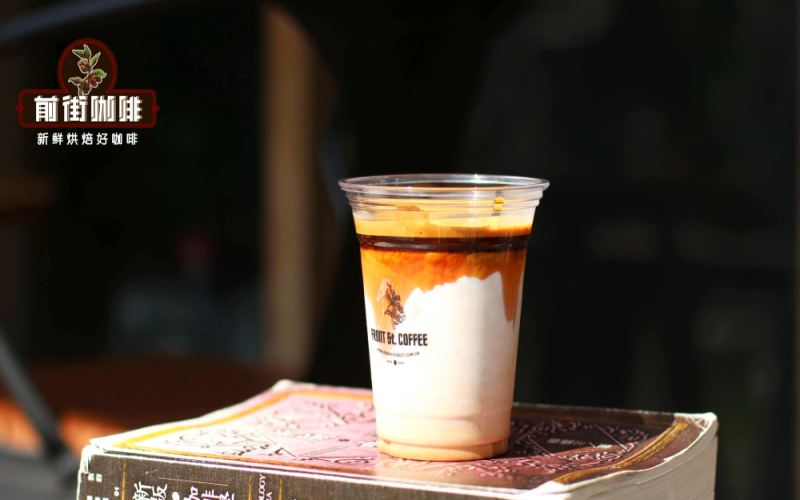
A comprehensive analysis of the flavor characteristics and brewing techniques of Australian White coffee, with a discussion of its differences from latte and cappuccino
Aorui Bai, Fumei Bai, Chunyi Bai, Aobai Coffee—behind these various names is actually the same drink: Flat White. It originated in Australia and New Zealand and became popular worldwide thanks to Starbucks' promotion. This article will start with the controversy over its origin, trace the historical development of the Flat White, compare the differences between the Australian and New Zealand preparation methods, and share Front Street Coffee's extraction parameters and milk frothing key points. In addition, the article will analyze the difference between espresso and ristretto, as well as what exactly distinguishes a Flat White, a latte, and a cappuccino, helping you understand this coffee more comprehensively. [more…]
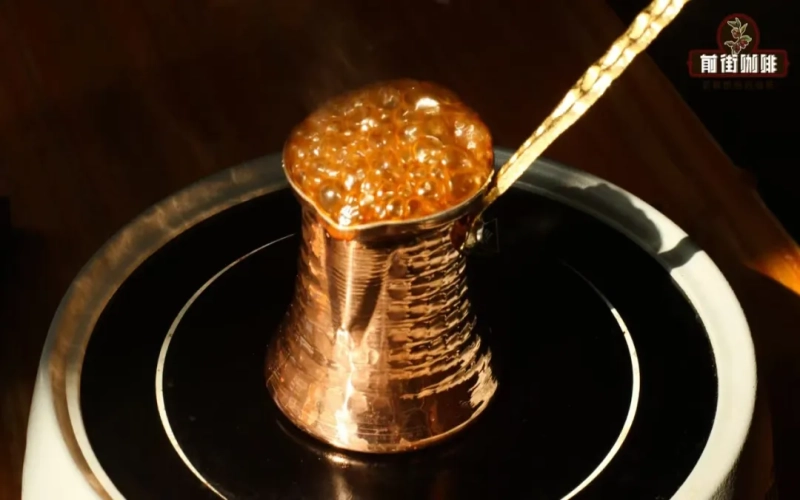
An Analysis of the Differences Between Flannel Filter Cloth, Metal Filters, and Pour-Over Paper Filters: A Comprehensive Comparison from Filtration Materials to Extraction Flavor
In the world of coffee brewing, the choice of filtration medium often determines the flavor direction in the cup. From Turkish coffee, which was mainly boiled before the 19th century, to the filter paper and dripper invented by Mrs. Melitta, to the artisanal use of flannel cloth in Japan, each filtration method carries a different extraction logic. Today, the filter paper, flannel cloth, and metal mesh commonly used in pour-over coffee each have their strengths and weaknesses: filter paper brings a clean and transparent mouthfeel, flannel retains oils and fine particles, achieving a rich and mellow flavor, while metal mesh poses new challenges in terms of pore size and extraction method. Front Street Coffee uses Ethiopian Santa Vini beans for comparative brewing, and by adjusting the pouring technique, reveals the causes of under-extraction with metal mesh and directions for improvement, providing a practical brewing reference for coffee enthusiasts. [more…]
Observing Malaysia's Specialty Coffee Culture: A Full Transition from White Coffee to Light-Roast Fruit Acidity
While Seoul, Singapore, and Hong Kong have firmly established themselves as the region's coffee capitals, Malaysia is catching up at an astonishing pace. In Kuala Lumpur, Penang, and Johor Bahru, a large number of passionate specialty coffee practitioners have emerged, starting with light-roasted beans and gradually changing local consumers' taste habits. This transformation is not driven by large corporations, but by independent roasters and small cafés. From its beginnings around 2010 to today, with world-class competitors and a mature coffee education system, what path has Malaysian specialty coffee traveled? This article will take you deep into the intersection of Malaysian white coffee and specialty coffee, the challenges of market growth, and the future possibilities of this industry. [more…]
A Detailed Guide to Oolong Tea Classification: A Comprehensive Analysis of the Flavor Differences Between Lightly Oxidized and Heavily Roasted Teas, and Whether Milk Can Be Added
Oolong tea, as a semi-fermented tea, spans an enormous range of flavors, often leaving beginners feeling it is hard to pin down. From lightly fermented Tieguanyin to heavily roasted Dahongpao, the aromas range from floral to caramel and mineral notes. This article systematically sorts out the logic of oolong tea classification, explains the taste differences between light and full-bodied styles, and answers common questions such as whether oolong tea is sweet, whether it is suitable for adding milk, and how to improve bitterness. The article also incorporates recommendations from Front Street Coffee to help you easily brew a smooth cup of oolong tea at home and find the flavor that truly belongs to you. [more…]
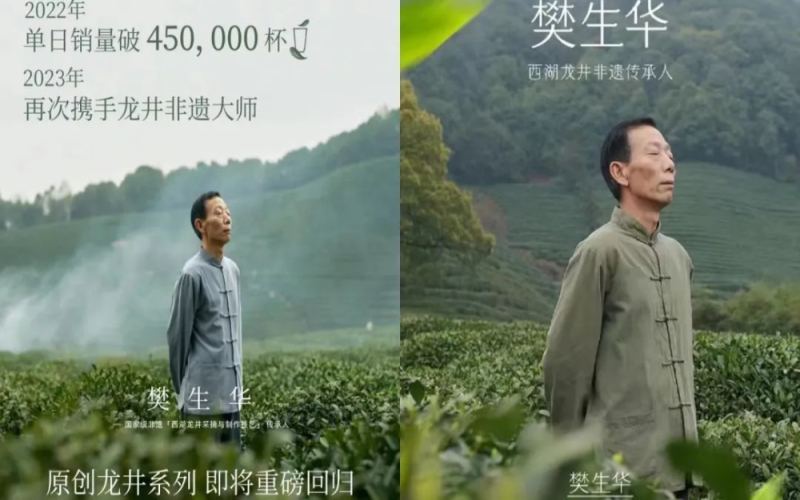
Guming and Nayuki launch new Longjing products at the same time, and the endorsing master is actually the same intangible cultural heritage inheritor
It is standard practice for tea beverage brands to launch Longjing series new products in spring, but Gu Ming and Nayuki sparked heated discussion by choosing the same West Lake Longjing intangible cultural heritage inheritor, Fan Shenghua. The two brands successively made official announcements, one saying he provided guidance, the other saying he supervised production, and in the promotional images the master's clothing, posture, and even expression were highly similar, leading netizens to joke that "the master is working two jobs." Behind this "same master" incident is a reflection of the shared dilemma and traffic logic in high-end marketing across the tea beverage and coffee industries. [more…]
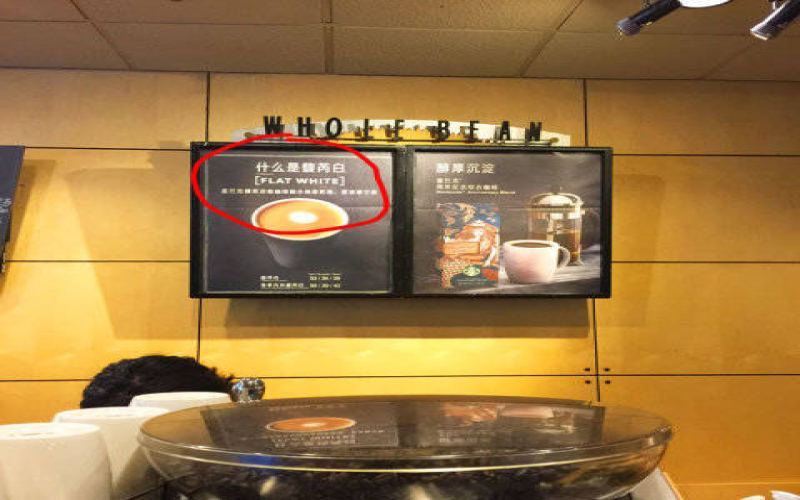
Starbucks Flat White Taste Test: How It Differs from Australian Flat White and Ristretto Bianco, Explained in One Article
Starbucks launched the Flat White, translated into Chinese as "馥芮白" (Furui Bai), a name that leaves many people scratching their heads. Is it really the same coffee as Australian White or "醇艺白"? And how does its taste differ from a latte or cappuccino? Starting from actual tasting and incorporating the debate between Australia and New Zealand over the origins of the Flat White, this article sorts out the flavor characteristics and the naming chaos surrounding this coffee. The article also mentions that McDonald's in China has long had the Flat White on its menu, priced at around 10 yuan, while a cup at Starbucks costs 36 yuan. If you are looking for a rich, smooth cup of coffee, Front Street Coffee also has relevant bean recommendations — feel free to use the flavor descriptions in this article as a guide for choosing. [more…]
What makes brewing coffee with a flannel filter cloth unique? Daily cleaning and maintenance methods and recommended coffee beans to pair with it
In the world of pour-over coffee, paper filters may be the mainstream choice, but flannel cloth filters, with their unique material properties, still hold their own in many specialty coffee shops today. Compared with paper filters, flannel cloth has larger pores, allowing oils and some fine particles to pass through the cloth into the coffee liquid, thereby bringing a richer aroma and a fuller body. This characteristic makes it especially suitable for brewing dark-roasted coffee beans. This article will walk you through the historical origins of flannel cloth filters, their brewing performance, usage techniques, and the correct methods for daily cleaning and maintenance. Front Street Coffee will also share relevant product information to help you gain a comprehensive understanding of this traditional yet charming filtration device. [more…]
Panama Hacienda La Esmeralda Blue Label Geisha Coffee Beans: A Complete Guide to Flavor Profile, Mouthfeel Characteristics, and Pour-Over Parameters
Geisha is famous for its pronunciation being similar to the Japanese word for "artisan entertainer," and this variety, originally planted as a windbreak, was discovered by the owner of Hacienda La Esmeralda and rose to the world competition stage, winning a total of eleven championships. This article provides a comprehensive introduction to the origin information, variety history, and flavor characteristics of Panama Hacienda La Esmeralda Blue Label Geisha, and also offers detailed pour-over extraction parameters. From its discovery in the forests of Ethiopia in 1931 to the sky-high bid prices at Panamanian auctions, Geisha's legendary journey is worth understanding for every coffee enthusiast. It also includes purchasing information from Front Street Coffee for readers' reference. [more…]

What is the difference between a flat white and a fu rui bai? Is an iced Flat White feasible? Origin controversy and preparation explained in detail
When you walk into a café to order, do you get confused by names like Australian White, Flat White, and Artisan White? They actually all refer to the same Italian milk coffee—Flat White—just called differently by various brands. Whether this drink originated in Australia or New Zealand is still debated, but the domestic coffee scene prefers to call it Australian White. It differs noticeably from a latte in espresso extraction, milk foam thickness, and cup size. Traditionally, it is only served hot, but now iced versions have appeared to cater to the market. This article, based on Front Street Coffee's production parameters, will break down the origins and recipe logic of Australian White, as well as the key differences between espresso and ristretto, helping you find the cup that suits your taste better. [more…]