







Search Results for: Heirloom natural sun-dried G1
Exploring Ethiopia's Kafa Wild Forest: A Full Analysis of the Flavor of Heirloom Natural G1 Coffee Beans
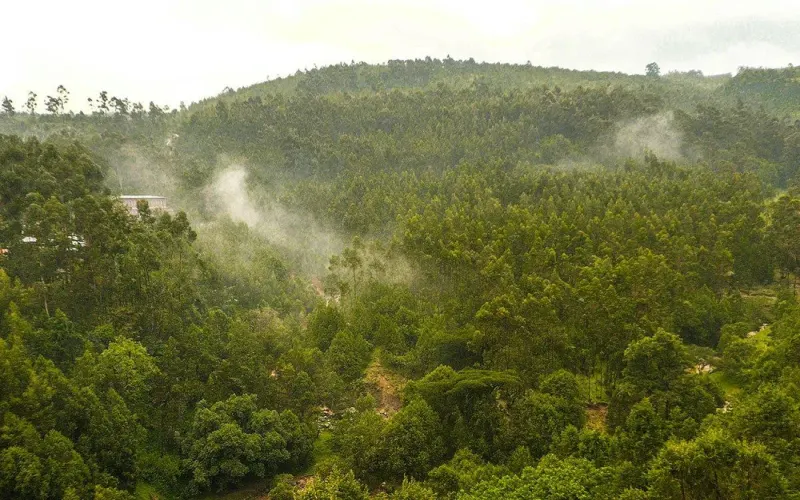
In southwestern Ethiopia, there is a primeval forest called Kafa, which still retains its ancient forest appearance and rich native coffee varieties. The coffee beans here grow naturally in the wild forest ecosystem, sheltered by mountains and rainforest trees, fertilized by fallen branches and leaves, and processed by local farmers using the most traditional sun-drying method. The Kafa Forest production area has a unique volcanic landform and wetland environment, where 26 small cooperatives and about 4,166 farmers work hard in the mountainous area at an altitude of 1,750 meters. This article will take you through the production area background, historical origins, and specific flavors to fully understand the unique charm of Front Street sun-dried Kafa Forest G1 coffee beans. [more…]
Ethiopian Natural Sidamo Queen of Flowers Coffee: A Complete Guide to Heirloom Flavors, G1 Grade, and Pour-Over Parameters
Front Street Sun-Dried Sidamo Huakui coffee is renowned for its elegant floral aroma and rich fruity notes; it is sweet on the palate with a honey-like finish, yet very affordable at only 65 yuan for half a pound. Ethiopia, the birthplace of Arabica, is home to two renowned specialty regions—Yirgacheffe and Sidamo—each with distinct characteristics: the former uses washed processing to showcase a clean, bright jasmine aroma, while the latter uses natural processing to give the coffee a richer fragrance and sweetness. Huakui is the flagship representation of Sidamo natural beans. This article will walk you through the terroir of the Sidamo region, the origins of the Heirloom native variety used in Huakui, Ethiopia's G1 grading standard, and Front Street's recommended V60 brewing parameters, offering a comprehensive analysis of this bean's flavor code. [more…]
Exploring Ethiopia SNNPR Natural Yirgacheffe G1: Flavor Analysis of the Heirloom Variety from Gedeb Gotiti Cooperative, Alimbukato Smallholder
The Woka/Gotiti micro-regions in southeastern Yirgacheffe have always dazzled at the cupping table thanks to their high altitude and meticulous processing. This article focuses on the Alimbukato smallholder lot from the Gotiti cooperative, detailing both the natural and washed traditional methods, and presents a complete flavor description of Front Street Coffee's Gotiti. The natural lot shows berry, sweet orange, and creamy aromas, with clear sweetness and a black tea note in the finish; the washed lot is Grade G1, and under a medium-light roast it highlights jasmine and lemon notes, with citrus, blueberry, honey, and green tea interwoven on the palate, juicy and bright with balanced acidity and sweetness. The article ends with V60 three-pour brewing parameters and a flavor analysis, giving you a full experience of the rich charm of classic Gotiti. [more…]
Ethiopian Heirloom Coffee Beans Explained: Differences from Landrace Varieties and Grading Standards
Ethiopia, as the birthplace of coffee, boasts an astonishing variety of cultivars, with nearly 2,000 varieties recorded to date, of which 1,927 are native varieties. Ethiopian coffee beans commonly found on the market are mostly labeled as Heirloom native varieties, but in recent years Landrace local varieties and numbered varieties have gradually gained popularity. In this article, Front Street Coffee will systematically sort out the definition, classification, and identification challenges of Heirloom native varieties, analyze the origins of Landrace and numbered varieties, and introduce in detail Ethiopia's coffee bean grading standards. Finally, it recommends a number of Front Street selected Ethiopian native varieties, covering well-known products such as Gedeb, Red Cherry, Woka, Aricha, and Huakui 5.0, with roasting and brewing data shared as well. [more…]
Sun-Dried Yirgacheffe Worka: A Full Analysis of Heirloom Flavors, Cooperative Processing, and Brewing
Yirgacheffe is synonymous with specialty coffee from Ethiopia, and the natural-process lot produced by the Worka Cooperative is one of its most distinctive expressions. This article begins with the terroir of the region, tracing the geographic threads of Yirgacheffe and its garden coffee system, then focuses on the founding background of the Worka Cooperative and its relationship with the YCFCU union, analyzing the differences between washed and natural processing methods, the varietal characteristics of Ethiopian Heirlooms, and the G1 to G5 grading logic. It then provides roasting curves and pour-over parameters tailored to this Front Street Coffee Yirgacheffe Worka, including a V60 three-pour scheme, siphon and AeroPress recommendations, and a cold brew blend recipe, helping coffee enthusiasts fully understand the flavor expression from green bean to cup. [more…]
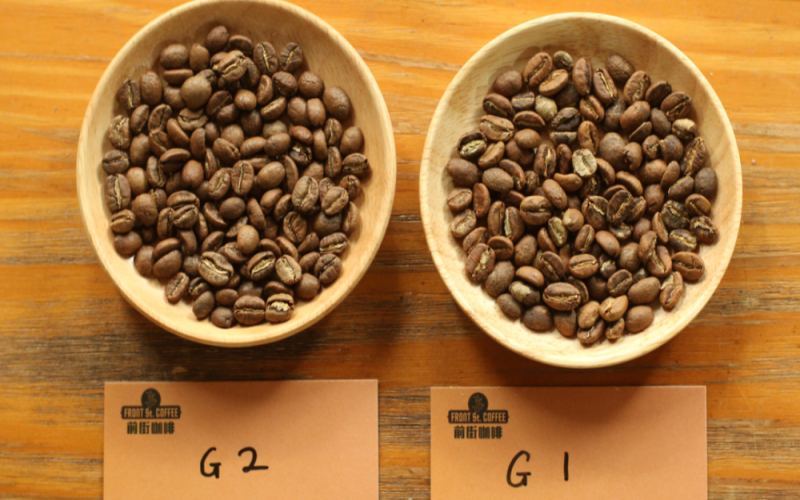
Decoding Yirgacheffe G1 and G2 Coffee Beans: Local Heirloom Grading, Washed and Natural Processing, and Flavor Differences
Ethiopian Yirgacheffe is a dazzling star in specialty coffee, but do you understand the logic behind its G1 and G2 grading? From the perspective of Front Street Coffee, this article takes you deep into Yirgacheffe's variety system and grading standards, and compares how the washed and natural processing methods shape two completely different flavor profiles. Whether you are a coffee enthusiast just starting out or a seasoned taster looking to refine your skills, you will find practical reference information here. [more…]
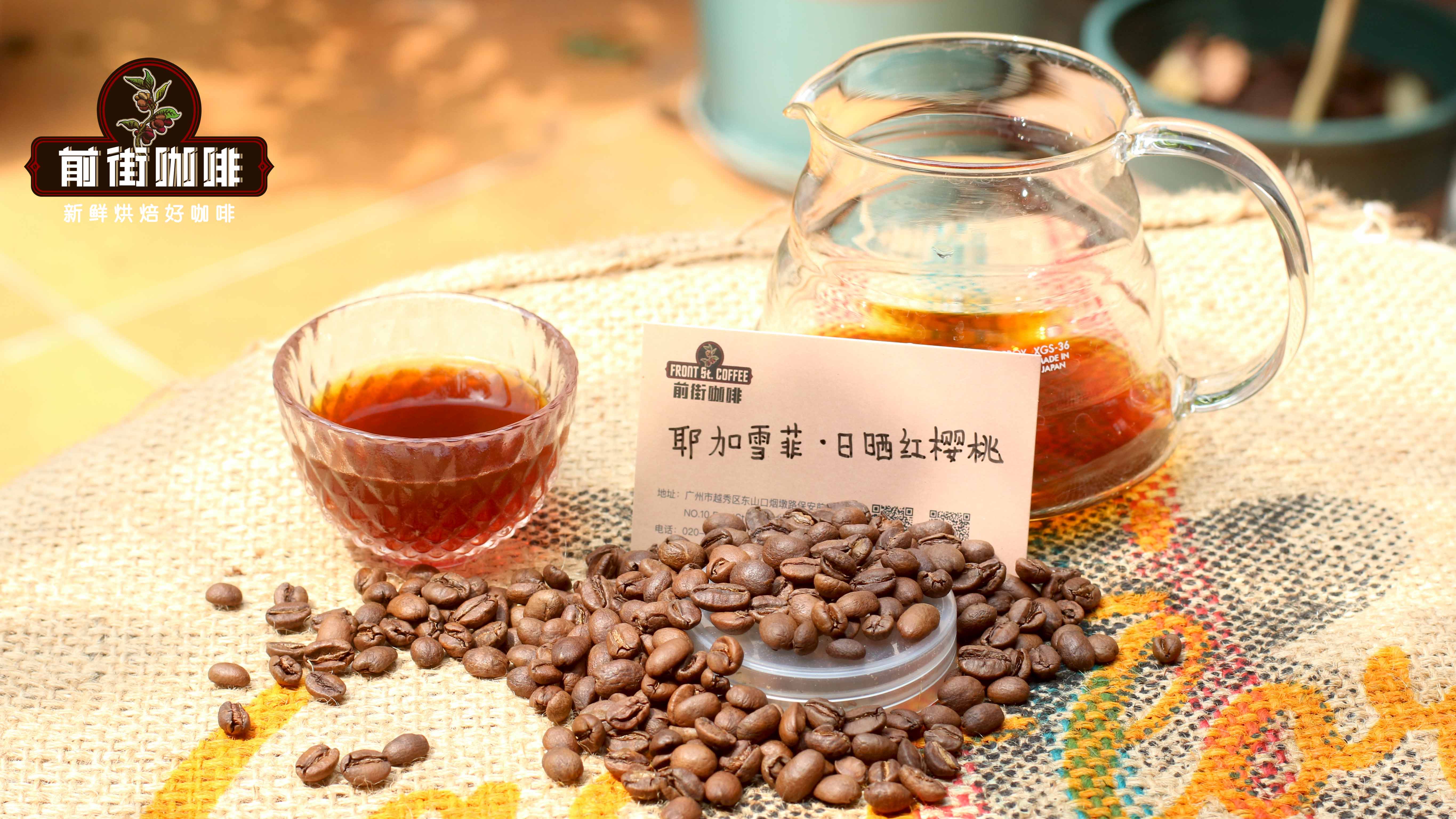
Ethiopia Natural Yirgacheffe G1 Red Cherry: A Fruity Coffee Bean Roasted by the Shepherd
The sun-dried Yirgacheffe G1 Red Cherry from the Kochere region of Ethiopia is a specialty bean that pushes coffee fruit notes to the extreme. This coffee, roasted to order by Front Street Coffee, uses the oldest sun-drying method, allowing the fruit to dry naturally for about four weeks, fully preserving the rich flavors of peach, honey, citrus, and sucrose. The volcanic red soil at an altitude of 1,800 to 2,000 meters nurtures the unique character of the Heirloom variety, while the medium-light roast allows both its dry and wet aromas to reveal clean, delicate layers of floral and fruity notes. Whether you are a pour-over enthusiast or prefer cold brew, espresso, or drip, this G1 sun-dried Yirgacheffe delivers a coffee experience that overturns expectations. [more…]

Yirgacheffe Coffee Beans G1 vs G2 Grades Explained: From Heirloom Varieties to Grading Standards
Yirgacheffe coffee beans often bear labels like G1 and G2—what exactly do these grades mean? From the perspective of Front Street Coffee, this article first introduces the origins of Ethiopia's "heirloom varieties"—the country is home to tens of thousands of incompletely identified heirloom varieties—then explains Yirgacheffe's grading system in detail: grades are determined by defect rates, with washed and natural processing each corresponding to different grade ranges, and explains how ECX and SCAA cupping further subdivide G1 through G3 into Q1, Q2 specialty and commercial grades. The article also outlines the altitude, cooperatives, and micro-region characteristics of the Yirgacheffe producing area, and includes product information for Front Street's Natural Red Cherry, Washed Gudingding, and Washed Everyday Beans, helping readers gain a comprehensive understanding of Yirgacheffe's grading system and flavor diversity. [more…]
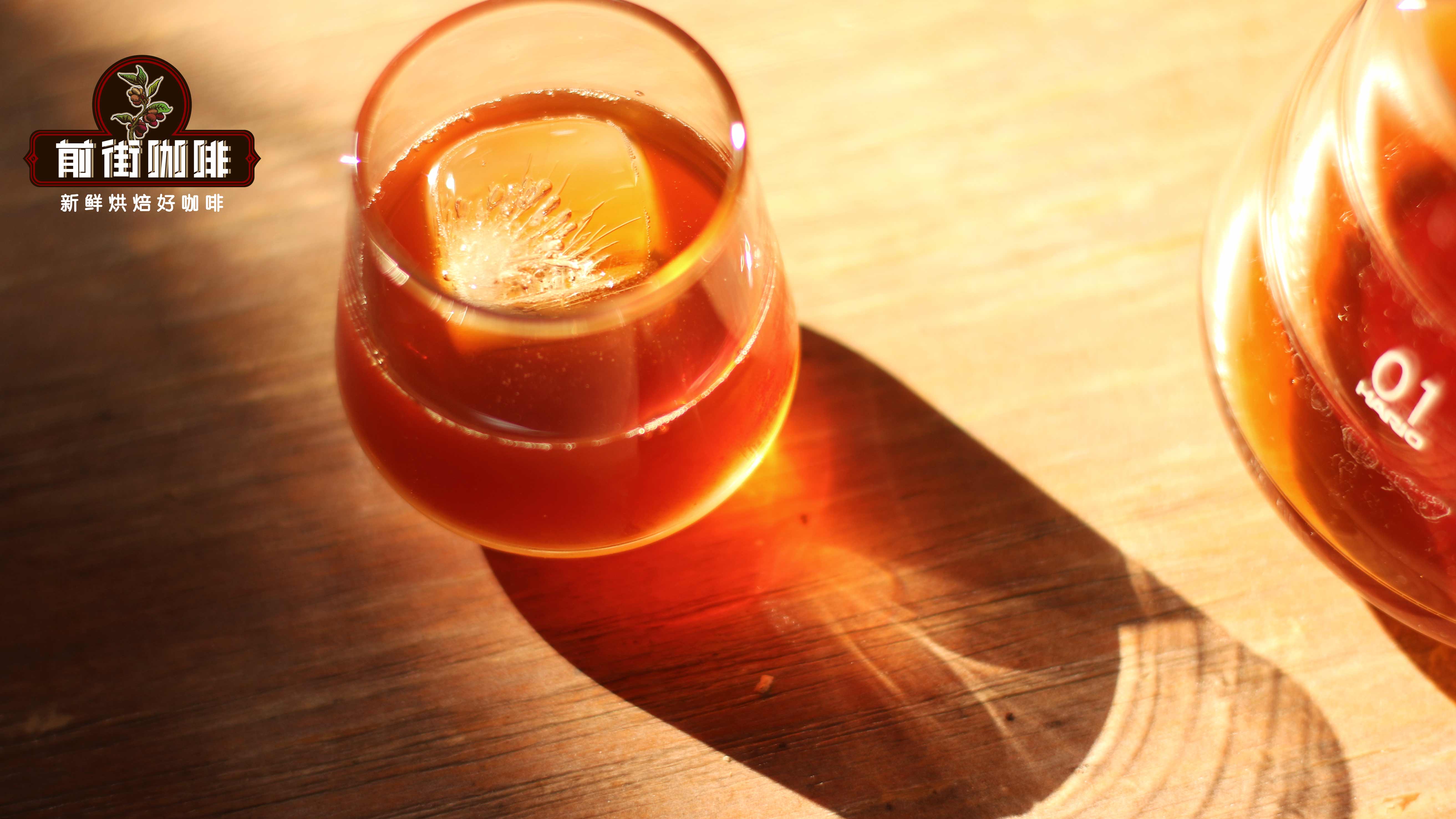
A Comprehensive Analysis of Sidamo Huakui Natural G1 Coffee: From Regional Origins to Flavor and Brewing Essentials
Ethiopia is not only about washed Yirgacheffe—the sun-dried Huakui from the Sidamo region is equally stunning. In this article, Front Street Coffee gives you a comprehensive look at the origin of the name Huakui, the terroir conditions of the Guji and Hambela regions, the sun-drying process at the Buku Abel processing station, and the evolution of Huakui from version 1.0 to 6.0. It also explains the G1 grade standards, heirloom variety characteristics, and brewing parameters, along with practical brewing suggestions from Front Street Coffee to help you better appreciate this bean's signature rose fragrance, peach notes, and black tea finish. [more…]
Ethiopian Yirgacheffe Worka Washed Heirloom: A Full Analysis of Grading Standards, Market Prices, Green Bean Characteristics, and Roast Levels
Yirgacheffe, as Ethiopia's most iconic specialty coffee region, has long held the position of the top entry-level choice for coffee enthusiasts, thanks to its signature floral and citrus notes. This article takes Front Street Coffee's Worka washed Yirgacheffe as an example to systematically review the terroir conditions of this region, background information on the Worka cooperative, the washed processing flow, and the definition and distribution characteristics of heirloom varieties. It also provides a detailed interpretation of the Ethiopian Commodity Exchange (ECX) coffee grading system, covering the scoring weights for physical characteristics and cup profile flavors, the logic behind the Q1 and Q2 grade classifications, and includes Front Street roaster's medium-light roast recommendations tailored to Yirgacheffe's acidity, offering a reference for purchasing and brewing. [more…]
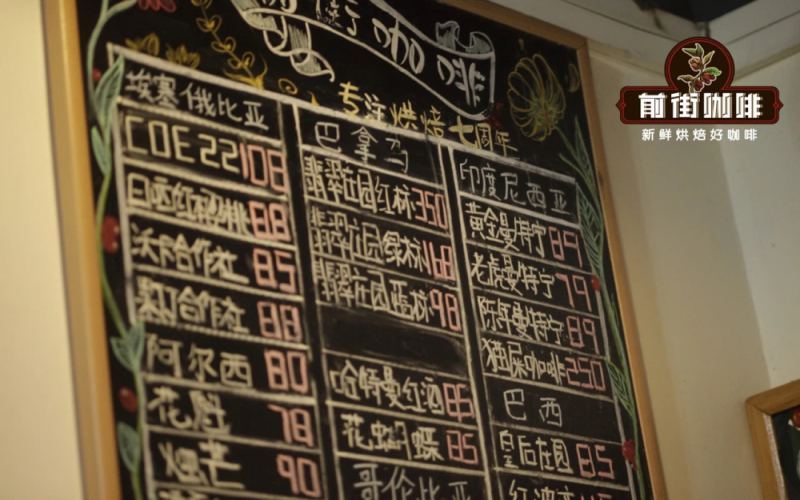
What grade does Yirgacheffe coffee belong to? A comprehensive analysis of its origin terroir and varietal characteristics
Yirgacheffe is the starting point for countless coffee lovers stepping into the world of specialty coffee. That cup with floral and citrus notes often makes people never able to go back. It is located in the high-altitude region of Sidama Province, Ethiopia, enjoying exceptional terroir conditions and unique heirloom genetic traits. From the introduction of washed processing technology in 1972 to the promotion of the Red Cherry Project in 2007, Yirgacheffe has step by step become one of the most watched specialty regions in the world. This article will guide you through Yirgacheffe's origin environment, variety characteristics, processing methods, as well as the flavors and brewing parameters of two representative beans recommended by Front Street Coffee: the Red Cherry and the Konga Cooperative. [more…]
Ethiopian Sidamo Natural Hunkute Coffee Flavor Analysis: From Hambela Region to Front Street Brewing Recommendations
Ethiopia is the birthplace of Arabica coffee, and its specialty coffees are renowned for their bright floral and fruity character. The sun-dried Huakui coffee from the Sidama region, with its rich fruity sweetness and honey finish, has become a favorite among many coffee enthusiasts. This article will introduce, one by one, the origin of the name Huakui, the traceability information of the Hambela estate, the geographical and varietal characteristics of the Sidama region, Ethiopia's coffee grading system, and Front Street Coffee's sun-drying process and brewing parameters. It will also cover the evolution of the batch suffixes of Huakui, the essence of the Heirloom native variety, and Front Street's commitment to fresh roasting and brewing details, helping readers fully understand the flavor sources and tasting points of this coffee. [more…]
Flavor Analysis of Ethiopian Guji Zone Kochere Sun-Dried Coffee and the Background of Operation Cherry Red
Guji Zone is a coffee-producing region in Ethiopia that has attracted much attention in recent years, located southeast of Yirgacheffe and under the administration of Oromia Regional State. This lot of Kersha Village Natural G1 is produced by a local smallholder cooperative, using African raised-bed natural drying, at an altitude of 1,900 to 2,000 meters, with the variety being Ethiopian heirloom landraces. In terms of flavor, it presents delicate blueberry aroma, ripe orange and grape notes, with sweet, rich body and a long finish. This article explains in detail the administrative divisions of this producing region, the operating model of the Kersha cooperative, and how the Dutch Red Cherry Project improves coffee quality through technical guidance and premium-price purchasing, providing coffee enthusiasts with complete background and tasting reference. Front Street Specialty Coffee also recommends Yirgacheffe Natural Red Cherry, Costa Rica Sumava Black Honey, and Angel Estate, among other beans. [more…]
A Comprehensive Analysis of the Flavor Characteristics, Growing Environment, and Processing Methods of Single-Origin Beans from Ethiopia's Kochere Region
Kochere is located southwest of Yirgacheffe in Ethiopia and is one of the most representative specialty coffee sub-regions in the Gedeo Zone. It enjoys the natural advantages of primary forest cover, deep red-brown clay, and high altitude, and its coffee is famous for a delicate flavor profile interwoven with citrus, stone fruit, and tea-like notes. This article systematically reviews Kochere's cultivation history, geographical production conditions, variety characteristics, and washed processing method, and provides detailed introductions to the flavor descriptions and specification information of several Kochere G1 single-origin beans under the Front Street Coffee brand—Debo, Hama, and Godochoa—while also extending to an introduction of the broader pattern of Ethiopia's eight major production regions, offering coffee enthusiasts a complete framework for understanding the region. [more…]
Front Street Yirgacheffe Coffee Bean Flavor Analysis: A Comparison of Grading Systems, Washed and Natural Processing Methods, and Heirloom Variety Flavor Profiles
Yirgacheffe is one of Ethiopia's most representative specialty coffee regions, and its grading standards are not based on screen size, but rather on the proportion of defective beans in the green coffee. On the market, Washed G2 and Natural G3 are commonly seen, while G1 represents the batches with the lowest defect rate and the best quality, which can only be obtained through hand sorting. This time, Front Street Coffee brings two G1-level Yirgacheffes: one from the Kochere region under the Adulina company, fully washed, with the variety being the local native mixed Heirloom; the other from the Aricha Kochere processing station in the small town of Yirgacheffe, carefully crafted using the raised-bed natural method. The two beans each have their own characteristics, ranging from floral aromas and citric acidity to fermented fruit sweetness and vinous notes, showcasing the diverse flavor profile of Yirgacheffe. This article will provide a detailed interpretation of its grading logic, processing methods, variety characteristics, and actual cupping flavors. [more…]
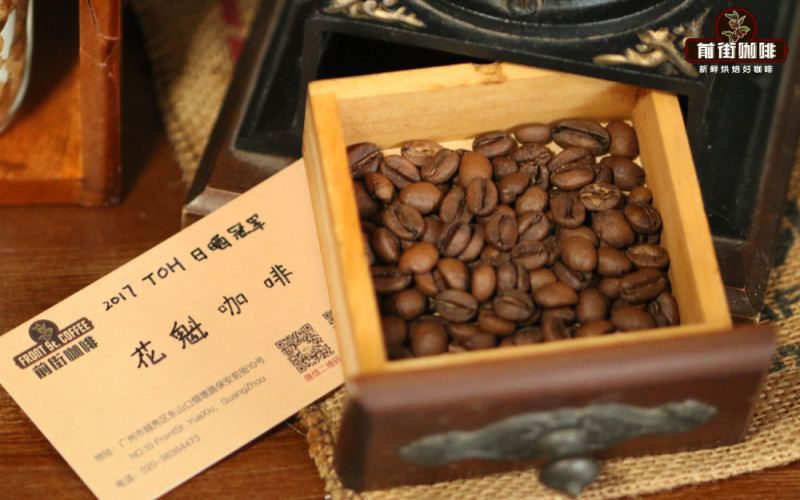
Where Does the Strawberry Aroma of Sidamo Huakui Coffee Come From? An Analysis of the Brewing and Flavor Evolution of Passion Fruit-Flavored Huakui
Since its introduction in 2017, Geisha coffee has quickly gained popularity with its bright strawberry and cream aroma, becoming a highly sought-after Ethiopian bean variety in coffee shops. From the original TOH champion batch to the current 8.0 version, many enthusiasts have noticed that the flavor of Geisha seems to change every year. This article will take you back to the origin of Geisha, Guji Hambela, to learn about the sun-drying process at the Buku Abel processing station, review the flavors and roasting curves of each version of Geisha that Front Street Coffee has sourced over the years, and analyze the causes of Geisha's aroma and the sources of its year-to-year differences. It will also share Front Street's V60 brewing parameters and techniques to help you better appreciate this classic coffee interwoven with passion fruit and berry notes. [more…]

Yirgacheffe Coffee Grading | Is There a Big Difference Between G1 and G2 Yirgacheffe Single-Origin Beans? Must-Buy Light Roast Pour-Over Coffee Beans for Coffee Lovers
We know that coffee bean grading methods are usually based on the actual conditions of the growing country. Some are graded by bean size, such as Kenyan coffee; some by altitude, such as Blue Mountain coffee; and some by defect rate, such as Ethiopian coffee. As the gene pool of Arabica, Ethiopia has a wide variety of coffee varieties. [more…]
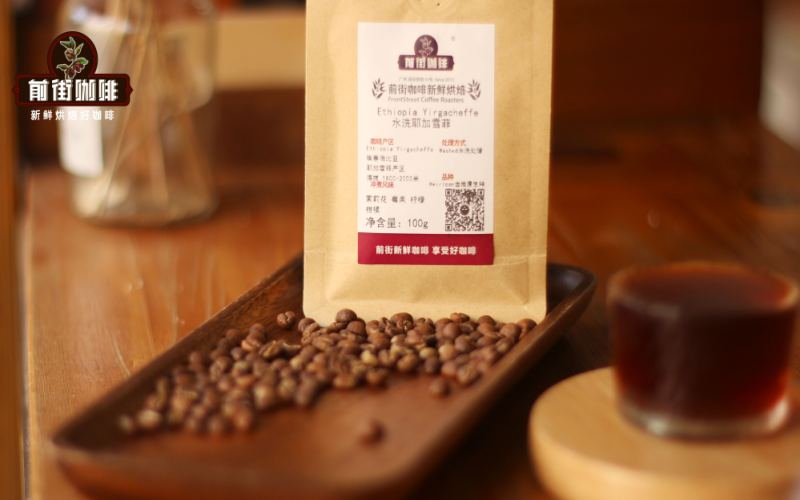
What grade do Yirgacheffe G1 coffee beans belong to? An analysis of the typical characteristics of authentic Yirgacheffe
Yirgacheffe is one of Ethiopia's most iconic specialty coffee regions, known for its jasmine aroma and citrus-lemon acidity. This article provides a detailed analysis of the grading standards for Yirgacheffe G1 coffee beans, the differences between washed and natural processing, the characteristics of the Heirloom native variety, and brewing parameters. It also draws on specific products such as Front Street Coffee's washed Yirgacheffe, Front Street Coffee's natural Red Cherry, and Front Street Coffee's Gutingding Cooperative to help coffee enthusiasts progress from beginner to advanced levels, gaining a comprehensive understanding of the flavor characteristics of authentic Yirgacheffe and how to choose it. [more…]
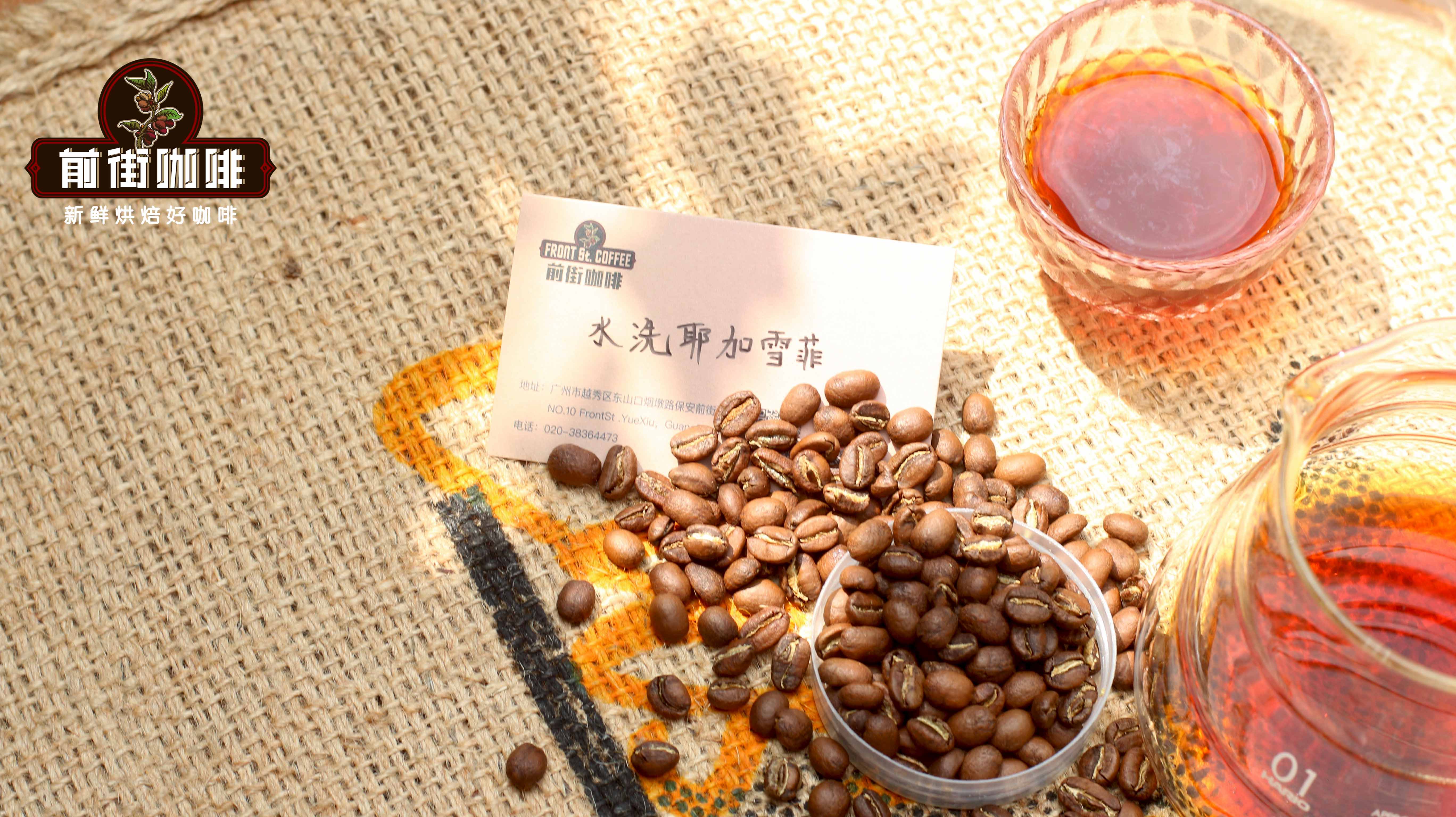
How to Brew Front Street Natural Yirgacheffe Aricha? A Complete Guide to Pour-Over Water Temperature and Extraction Parameters
Front Street Sun-Dried Yirgacheffe Aricha comes from the Aricha kebele near the Yirgacheffe region in Ethiopia and is known for its ECX G1 top grade and rich fruity flavors. This article will provide a complete analysis of the brewing key points of this bean, from the origin background, variety characteristics, and processing method to specific pour-over parameters. If you are just getting into specialty coffee, Front Street Washed Yirgacheffe is also a good entry-level choice, with a medium-light roast and an affordable price, and a small-package design that avoids waste, allowing you to experience the region's basic flavors in a budget-friendly way. Next, the focus will be on the sun-dried processing characteristics of Aricha and how to brew its signature berry sweetness and multi-layered sweet-tart sensation using 90°C water and a V60 dripper. [more…]
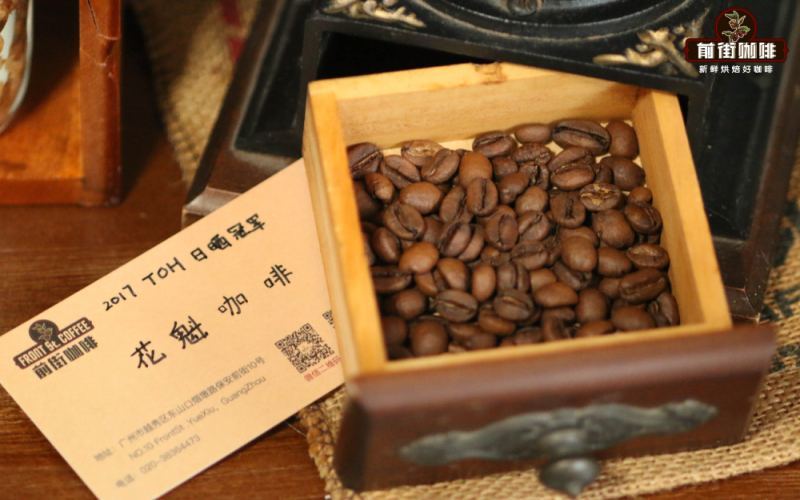
Ethiopia Sidamo: The Differences Between Natural and Washed Processing and a Complete Guide to Making Huakui SOE Flat White
The Sidamo region is known for its bright citrus acidity and full body, while Huakui, as a star among natural beans, has repeatedly earned high cupping scores thanks to its intense strawberry wine aroma. So what exactly are the differences between natural and washed processing? And what are the history and grading system of Sidamo like? Starting from the region's story, green bean grading, and a comparison of processing methods, this article will analyze in detail the flavor performance of Huakui 8.0 and share Front Street Coffee's complete workflow and parameters for making an SOE Australian White, giving you a comprehensive understanding of the unique charm of this Ethiopian heirloom variety. [more…]