







Why Is the Kaffa Forest So Important for Coffee?
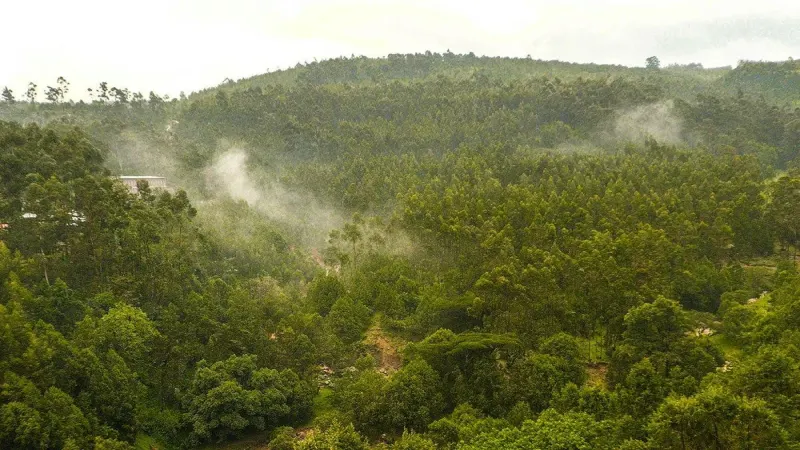
The Kaffa Forest in southwestern Ethiopia is a wild forest where coffee trees grow naturally under mountain and rainforest shade. Fallen leaves and branches act as organic fertilizer, and local farmers sun-dry the cherries using traditional methods. The area holds 26 small cooperatives and about 4,166 farmers, with coffee planted on slopes at roughly 1,750 meters.
Ancient Abyssinia, present-day Ethiopia, is where the first coffee tree is said to have been discovered, in a region called Kaffa. The local name Kafa may be the origin of the word coffee. Beans from this area are graded G1 and show flavors of jasmine, honey, lemon, and apple.
In southwestern Ethiopia lies a pristine forest called Kaffa, which still retains its ancient forest landscape and rich native coffee varieties. The coffee beans here grow naturally in a wild forest ecosystem, sheltered by mountains and rainforest trees, nourished by fallen leaves and branches as natural fertilizer, and processed by local farmers using the most traditional sun-drying method. The Kaffa Forest production area features a unique volcanic landscape and wetland environment, where 26 small cooperatives and about 4,166 farmers work diligently on mountain slopes at an altitude of 1,750 meters. This article will guide you through the production area's background, historical origins, and specific flavors to provide a comprehensive understanding of the unique charm of Front Street Sun-Dried Kaffa Forest G1 coffee beans.
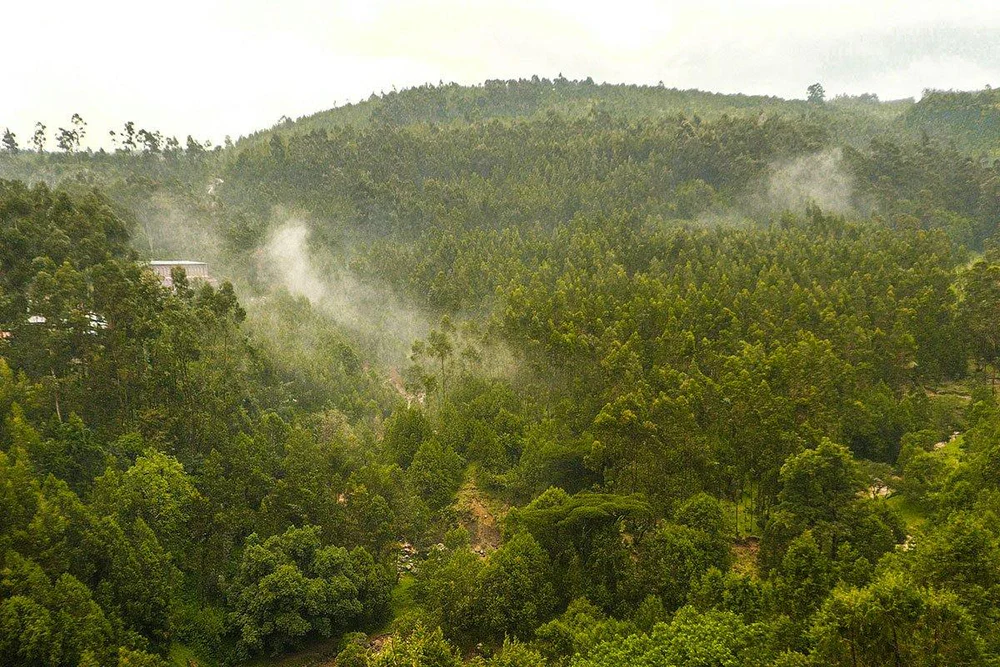
The Kaffa production area, originating from Ethiopia's most pristine forest
Located in southwestern Ethiopia, the Kaffa Forest still maintains the appearance of a traditional pristine forest and nurtures a considerable number of native coffee tree varieties. Many experts who have cupped coffees from the Kaffa production area agree that the flavors presented in this region are extremely rich and diverse.
In this most pristine forest of Ethiopia, coffee trees are part of the wild forest ecosystem, growing naturally under the shade of mountain and rainforest trees, while fallen branches and leaves serve as the most natural organic fertilizer. The Kaffa Forest contains large areas of wetlands extending along steep valleys, with towering mountains and rolling plains. The region's distinctive volcanic terrain is known as the Continental Rift Valley. There are 26 small cooperatives and about 4,166 farmers in the area, with coffee planted on mountain slopes at an altitude of about 1,750 meters. The farmers rely on the most natural and primitive sun-drying method to process the coffee cherries.
The world's first coffee tree was discovered in ancient Abyssinia (present-day Ethiopia). The region where these trees flowered was called Kaffa, and the trees were called Kafa, which may be the most original source of the pronunciation of "coffee."
Product Name: Front Street Sun-Dried Kaffa Forest G1
Country: Ethiopia
Production Area: Kaffa Forest Production Area Variety: Local Heirloom Processing: Sun-Dried Grade: G1 Flavor: Jasmine, Honey, Lemon, Apple, Delicate Fruitiness, Good Cleanliness, Long Lingering Finish
The above content is compiled by CoffeeHunters, a coffee news website.


