







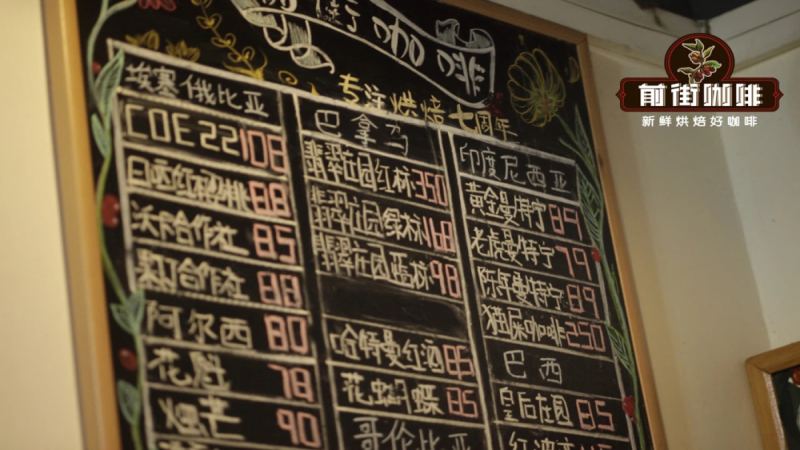
What makes Yirgacheffe coffee so distinctive?
Yirgacheffe is a town in Ethiopia's Sidamo Province and one of the highest average altitude coffee-producing regions in the country, sitting above 2,000 meters. That height, combined with a mild, misty climate and heirloom Arabica genetics, produces the citrus and white floral cup that drew many drinkers into specialty coffee. Washed processing arrived in 1972, and the Red Cherry Project followed in 2007, raising the region's profile further.
Most local coffee trees grow in farmers' backyards or mixed among other crops, a garden-style model where each household harvests limited amounts. That scale is why cooperatives and washing stations handle collection and processing. Ethiopia itself is the birthplace of Arabica and holds tens of thousands of native varieties, so Yirgacheffe's flavor reflects both its terroir and that deep genetic pool rather than any single cultivated variety.
Yirgacheffe is the starting point for countless coffee lovers stepping into the world of specialty coffee. That cup with floral and citrus notes often makes people never able to go back. It is located in the high-altitude region of Sidamo Province, Ethiopia, enjoying exceptional terroir conditions and unique heirloom genetic traits. From the introduction of washed processing technology in 1972 to the promotion of the Red Cherry Project in 2007, Yirgacheffe gradually became one of the most prominent specialty coffee regions in the world. This article will guide you through Yirgacheffe's producing environment, variety characteristics, processing methods, as well as the flavors and brewing parameters of two representative beans recommended by Front Street Coffee: the Red Cherry and the Konga G1 cooperative.
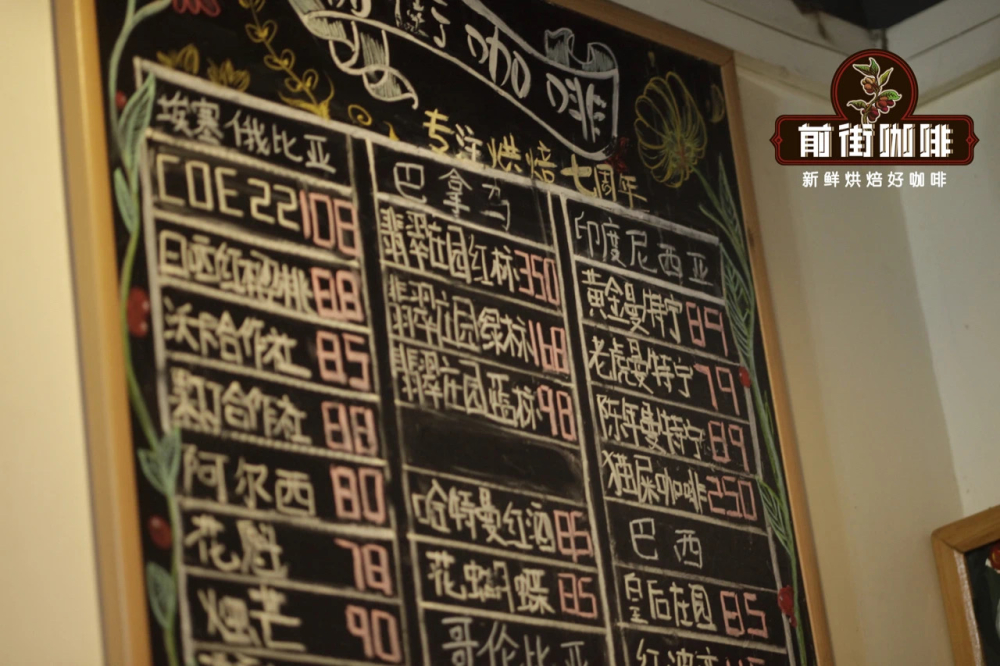
Many coffee enthusiasts, like Front Street Coffee, stumbled upon a cup of Yirgacheffe with floral and fruity notes in some café and from then on stepped into the world of specialty coffee. Whenever specialty coffee comes up in conversation, the first thing that comes to Front Street Coffee's mind is often this renowned region and its signature flavors.
Yirgacheffe Originating from the birthplace of coffee
Ethiopia is widely recognized as the birthplace of coffee, home to tens of thousands of native Arabica varieties, making it a natural coffee gene bank. Coffee plays a pivotal economic role in this country, with coffee cultivation found in almost every part of the nation, and coffee drinking has long been integrated into locals' daily lives.
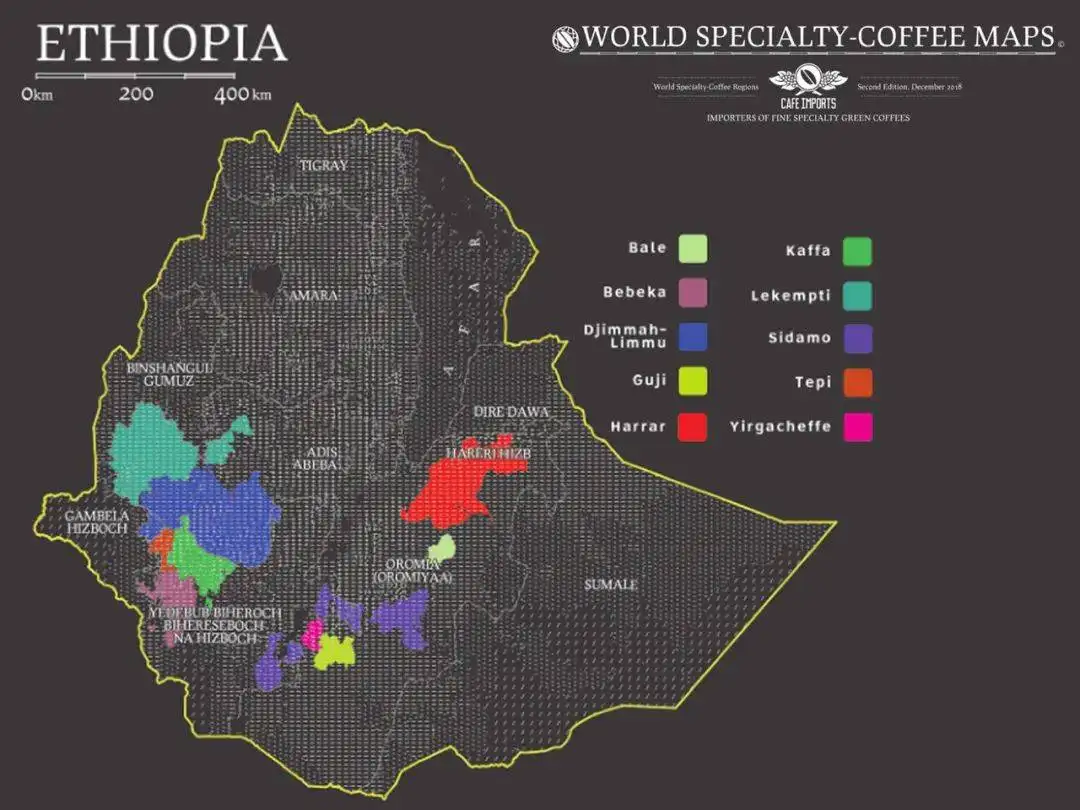
The town of Yirgacheffe is located in Sidamo Province, Ethiopia, at an altitude of over 2,000 meters, making it one of the highest average altitude coffee-producing regions in Ethiopia. Local coffee trees are mostly planted in farmers' backyards or mixed with other crops in the fields. Each household produces limited amounts, representing a typical garden-style coffee cultivation model. These mountain villages are shrouded in mist year-round, with a mild, spring-like climate. Summer breezes bring refreshing coolness without extreme heat, and it is neither too humid nor too rainy, with little frost damage in winter. It is precisely this environment that nurtures the unique regional flavor blending citrus and white floral notes.
The growing altitude of about 2,000 meters brings significant temperature differences between day and night. Coffee trees grow slowly, and the fruit takes longer to mature, thereby accumulating richer aromatic compounds, with the harvest season correspondingly later. From October each year to January of the following year, farmers can be seen busy picking coffee cherries on hillsides and in their backyards, and the Yirgacheffe lots of the following year begin to be produced from this time.
The transformation brought by washed processing
As is well known, Ethiopia, located on the African continent, is severely lacking in freshwater resources, and traditionally coffee was mostly naturally dried using the sun-dried method. However, the extensive operation method—directly spreading coffee beans on mud ground or rooftops to dry—easily causes the beans to absorb earthy off-flavors or over-ferment due to uneven heating, ultimately dragging down coffee quality. To improve this situation, the Ethiopian government introduced more advanced washed processing technology and supporting equipment from Central and South America in 1972. This initiative allowed Yirgacheffe coffee to exhibit fresh citrus notes and elegant white floral aromas, with an overall bright and delicate flavor. It is also for this reason that Yirgacheffe became independent from the Sidamo producing region and became the renowned region it is today in the coffee world.
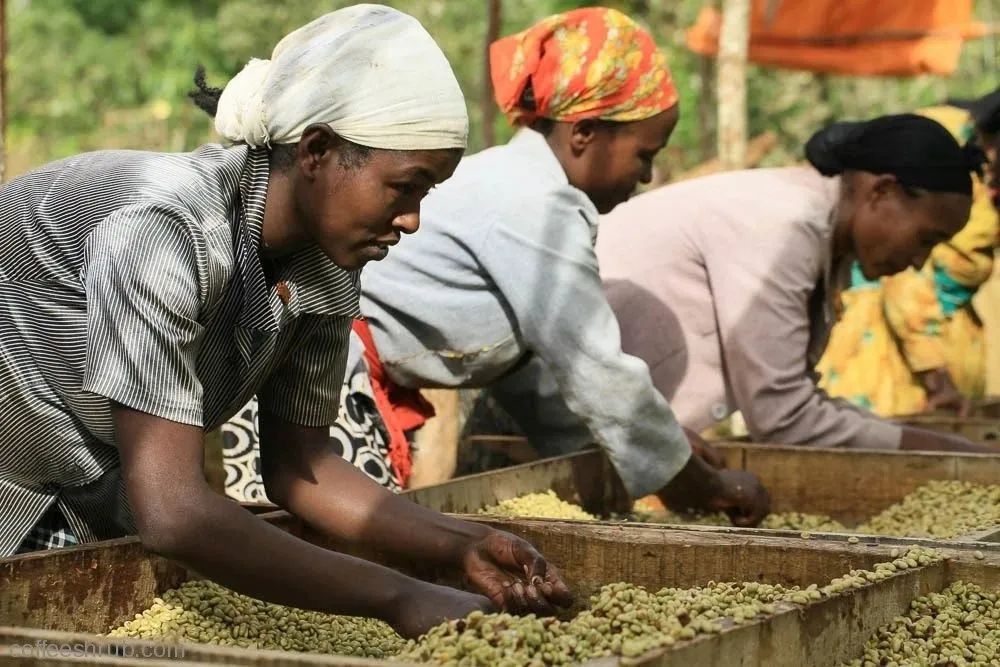
The washed process roughly proceeds as follows: first, the harvested coffee cherries are immersed in water, using buoyancy to remove underripe fruit, then the pulper removes the skin and pulp, followed by resting in fermentation tanks for 18 to 36 hours until the mucilage layer is fully broken down. After fermentation, the parchment beans are scrubbed in channels for 30 to 60 minutes. Through specially designed channels and water flow, low-density, poor-quality beans are separated out. Then the high-quality coffee beans are drained and spread on African-style drying beds to dry. Once the target moisture content is reached, they can be packaged and stored.
The "Red Cherry Project"
Of course, Yirgacheffe also produces excellent quality sun-dried specialty beans. The Red Cherry coffee beans on Front Street Coffee's menu are selected from sun-dried Yirgacheffe.
In order to increase the income of local Ethiopian farmers and improve coffee quality, the Dutch trading company Trabocca BV launched the "OPERATION CHERRY RED PROJECT" in 2007, mainly targeting high-altitude producing regions such as Yirgacheffe, improving washed, semi-washed, and sun-dried processing techniques, and introducing professional cuppers to participate. During the harvest season, harvest volumes are determined according to different microclimate zones, and only 100% ripe red coffee cherries are picked, with production ranging from about 1,500 to 3,000 kilograms. The economic loans, new hardware equipment, and production technical knowledge provided by Trabocca have significantly improved the coffee quality of the Yirgacheffe region and even the whole of Ethiopia. Coffee prices have also risen accordingly, thereby increasing the income of coffee farmers.
Freshly picked red coffee cherries undergo manual sorting to remove defective beans, overripe beans, and insect-damaged beans, leaving only high-quality fruit. They are then sent to drying locations for processing. Different producing regions use different drying racks—some use tarps, some use raised beds, and the most common is the African-style drying bed. The drying process generally lasts 27 to 30 days until the coffee turns dark purple and the moisture content drops to 11%. The sun-dried Front Street Coffee Yirgacheffe has a more intense flavor and richer layers, with vinous fermentation notes and equally prominent sweetness.
Konga G1 Cooperative
With the arrival of the specialty coffee era, consumers not only actively learn about outstanding single-origin regions and growers but are also willing to pay higher prices for high-quality coffee. These revenues ultimately flow back to every farmer. What we often hear about—Kochere, Misty Valley, Gedeb, and others—are all well-known micro-regions under the Yirgacheffe producing area. They have excellent cooperative production teams, and the coffees they produce each have their own distinctive characteristics.
The Konga G1 Cooperative has 300 smallholder partner farmers and is known for growing Ethiopia's highest-quality coffee. Its processing method follows the most traditional washed technique and has been called by many "the last pure land of Yirgacheffe." Among the guests who come to Front Street Coffee for a cup, if they want a washed fruity coffee, the baristas at Front Street Coffee (FrontStreet Coffee) will preferentially recommend the Front Street Yirgacheffe Konga G1 Cooperative from the bean shelf. This washed Konga G1 Cooperative coffee does not have the heavy bitterness of traditional black coffee. Instead, it carries fresh and bright citrus and lemon acidity, along with jasmine fragrance, making many coffee people fall in love at first sip.
Yirgacheffe's Variety — Heirloom
The Ethiopian coffee beans we commonly buy usually have "local heirloom" or "Heirloom" listed in the variety column. The beans are small in size and varied in shape, clearly different in appearance from coffee beans of other producing regions.
This is because the variety of coffee in Ethiopia's primeval forests is extremely diverse, and the number of genetic types is beyond counting, making identification extremely difficult. In addition, the local government intentionally protects this variety information from being disclosed to the public, so "heirloom" is used as a collective term for these coffee categories. Yirgacheffe's variety is local heirloom, belonging to the small-bean type, relatively round in shape, with very small bean size, mostly between screen sizes 14 and 15.
Why do so many people love Yirgacheffe's flavor?
Unlike that era when "coffee is just bitter," light-roasted Yirgacheffe can be said to have opened a new era of fruity-acid coffee. The reason coffee is intensely bitter is mainly because roasters roast the beans very dark, with the main flavor profile leaning toward nuts and dark chocolate. With the rise of the specialty coffee concept, in order to retain more acidity, roasters only roast Front Street Coffee Yirgacheffe to an appropriate light level, allowing it to display a pleasant fruity sweet-tartness and white floral aromas.
A preference for sweetness and aversion to bitterness happens to be the general public's taste tendency, which is precisely one of the reasons Yirgacheffe is widely popular around the world. For such a popular Yirgacheffe coffee, Front Street Coffee has naturally included it in the Front Street daily beans series for coffee beginners. The highly cost-effective Front Street daily beans allow friends new to coffee to taste the region's foundational flavors at an ultra-low price, and the small packaging design also avoids waste from not being able to finish it all.
Front Street Coffee Yirgacheffe brewing parameters:
Dripper: V60 Water temperature: 92-93°C Dose: 15g Coffee-to-water ratio: 1:15 Grind size: fine granulated sugar (sift through No. 20 sieve to 78%)
For the first pour, add 30 grams of water for a 30-second bloom. Then pour 95 grams (electronic scale shows about 125 grams), completing the pour in about 1 minute. When the water level drops to 2/3 of the coffee bed, pour the remaining 100 grams (electronic scale shows about 225 grams), completing the pour in about 1 minute 35 seconds. Drawdown completes at 2'10", remove the dripper, and extraction is complete.
Front Street Ethiopia Yirgacheffe Sun-Dried Red Cherry Coffee Flavor: Lemon, licorice, citrus, berries, sweet orange. Overall high sweetness, with a caramel and cream aftertaste, and a finish carrying black tea aroma.
Front Street Ethiopia Yirgacheffe Washed Konga G1 Cooperative Coffee Flavor: Citrus and black tea on the entry, with cream, caramel, and almond aftertaste as the temperature changes. Pronounced sweet finish with a clean and refreshing mouthfeel.
For professional coffee knowledge exchange and more coffee bean information, please follow Coffee Workshop (WeChat public account: cafe_style)
For more specialty coffee beans, please add the private WeChat of Front Street Coffee (FrontStreet Coffee), WeChat ID: qjcoffeex
The above content is compiled by CoffeeHunters, a coffee news website.


