







Search Results for: Hand coffee grinder
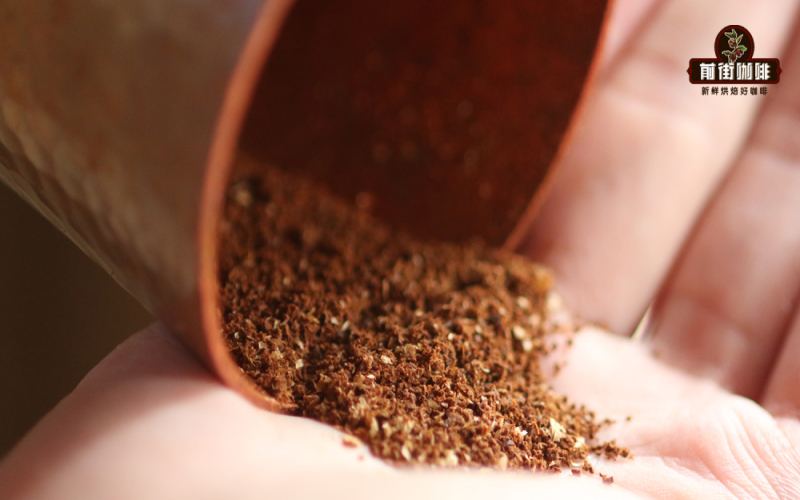
How to Choose Between Manual and Electric Coffee Grinders? Buying Considerations and Practical Advice from Beginner to Advanced
Once coffee grounds are ground and exposed to air, oxidation quietly begins, and flavor and aroma are lost along with it, so the ideal approach is to grind coffee beans only right before brewing. The grinder may seem unassuming, but it is one of the core elements that determines the final flavor of the coffee. Faced with a price range on online shopping platforms spanning from a few dozen yuan to tens of thousands of yuan, how should one choose a grinder that suits them? Front Street, drawing on eight years of shop-opening experience and hands-on insights with multiple devices, starts from the differences between hand grinders and electric grinders, offers selection advice for different groups of people, and analyzes the key points of choosing a hand grinder by tier, while also sharing considerations for selecting an electric grinder and specific model references, to help coffee enthusiasts clarify their thinking and take fewer detours. [more…]
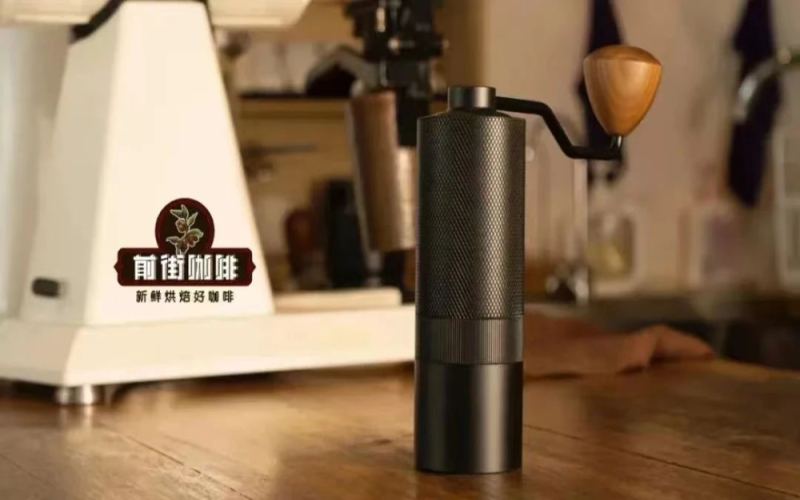
Types of Coffee Grinders | Is There a Big Difference Between Electric and Manual Coffee Grinders? Should Beginners Buy a Manual or Electric Grinder?
Friends who have requirements for coffee flavor will definitely choose freshly ground coffee. If you want to brew it yourself, a grinder is essential. Open an online shopping platform and search for "coffee grinder," and you can see a price range from 22 yuan to 71,271 yuan, a price difference of 3,239.6 times. Although in recent days [more…]
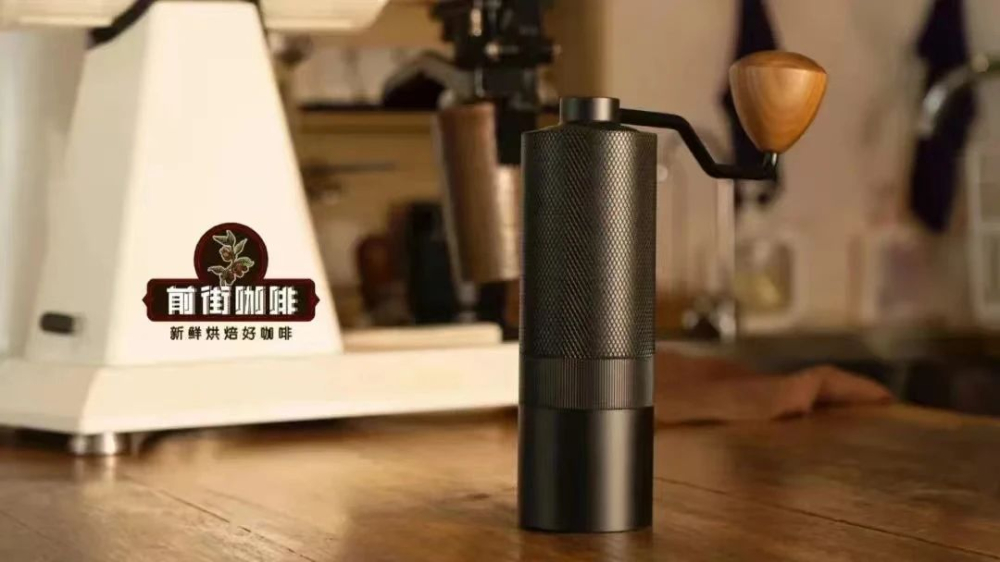
Coffee Grinder Brand Recommendations | Is There a Big Difference Between Electric and Manual Coffee Grinders? Should Coffee Beginners Buy a Manual or Electric Grinder?
Those who have requirements for coffee flavor will definitely choose freshly ground coffee. If you want to brew it yourself, a grinder is essential. Open an online shopping platform and search for "grinder," and you can see a price range from 22 yuan to 71,271 yuan, a price difference of 3,239.6 times. Although in recent days [more…]
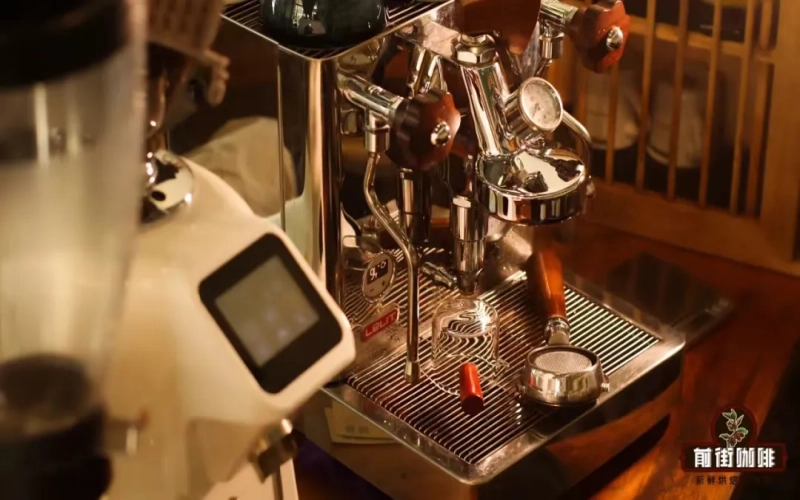
Hand-crank or electric? How to choose between flat burrs, conical burrs, and ghost teeth? The complete guide to buying a coffee grinder
Faced with the dazzling array of coffee grinders on the market, beginners often don't know where to start. This article, from the perspective of Front Street, systematically sorts out three core approaches to choosing a grinder: power source, price tier, and burr structure. The article first distinguishes the applicable scenarios and pros and cons of hand grinders versus electric grinders, then divides hand grinder tiers by budget and the timing for getting into electric grinders, and reminds readers that electric grinders for espresso and single-origin coffee cannot be used interchangeably. Finally, it provides an in-depth analysis of the grinding methods of flat burrs, conical burrs, and ghost tooth burrs, and their impact on coffee particle shape, particle size distribution, and final flavor. Whether you are a student just getting started or an advanced player with a sufficient budget, you can find a purchasing direction that suits you. [more…]
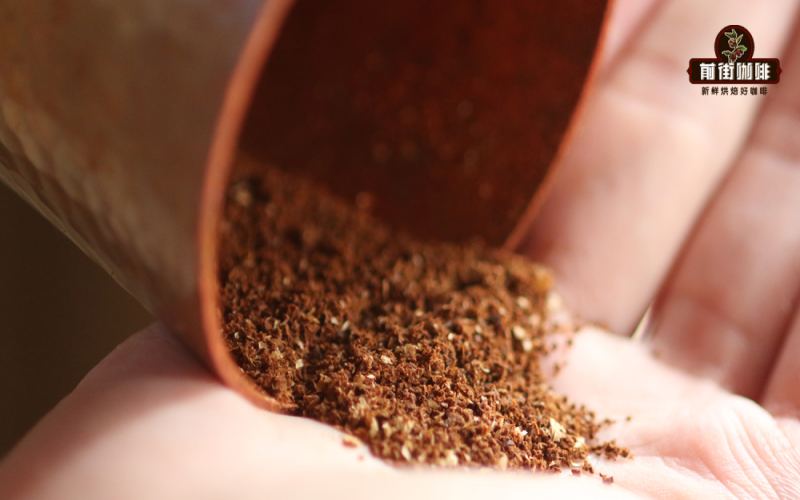
Types of Coffee Grinders | What Are the Pros and Cons of Manual vs. Electric Coffee Grinders? How Do Coffee Beginners Choose a Coffee Bean Grinder? Coffee Grinder Brand Recommendations
From the moment coffee grounds finish being ground and come into contact with the air, they quietly begin to oxidize, and the flavor and aroma change along with it. Therefore, the ideal situation is to grind the coffee beans right before brewing, to ensure you can taste the best flavor. The grinder can be said to be a seemingly low-key yet extremely important part of the coffee brewing process. [more…]

Manual or Electric Coffee Grinder: How to Choose? A Full Analysis of Flat Burr, Conical Burr, and Ghost Tooth Burr Differences
Faced with the dazzling array of coffee grinders on the market—ranging from a few dozen yuan to tens of thousands, from hand grinders to electric ones, from flat burrs to ghost teeth—beginners often don't know where to start. Drawing on years of experience running a shop, Front Street Coffee systematically sorts out the approach to choosing a grinder from three angles: power source, price tier, and burr type. The article will explain the scenarios each of hand grinders and electric grinders suits, analyze which type of machine should be prioritized under different budgets, and explain the differences between flat burrs, conical burrs, and ghost teeth in terms of grinding method and particle shape, as well as how these differences affect extraction flavor. Whether you're a student just getting started, a traveling coffee enthusiast, or a home user preparing to upgrade your equipment, you'll be able to find a direction that suits you. [more…]
A Comparative Test of Six Popular Manual Coffee Grinders: Pros, Cons, and a 2022 Pour-Over Buying Guide
Hand grinders have become the top choice for many coffee enthusiasts getting started, thanks to their portability, affordable price, and the sense of involvement they bring during brewing. But with so many models on the market, how do you choose? This article tests six popular hand grinders—including the Hario Skerton, Mini Mill, Acrylic, and Canister, as well as the OE Lido 2 and Porlex JP-30—analyzing each one in terms of practicality, design, and grinding performance. The article also mentions related recommendations from the Front Street Coffee brand and compares the trade-offs with electric grinders. Whether you're carrying one for travel or upgrading your home setup, you'll be able to find an option that suits you. [more…]
Hand Grinder Adjustment Tips and Grind Size Selection Guide: Uniformity, Materials, and Common Issues Explained
Manual coffee grinders are favored by many coffee enthusiasts for their portability and value for money, but how to correctly adjust the grind size settings and judge grind quality confuses quite a few people. Starting from practical use, this article explains in detail how to evaluate a grinder's condition by observing the stability of the central shaft, particle uniformity, and overall materials, and takes an in-depth look at the common problems of manual coffee grinders, such as uneven grinding, loss of aroma caused by heat, low efficiency, and wooden bases that are easily damaged. At the same time, the article also offers targeted solutions and recommends related products from Front Street Coffee to help you better choose and use a manual coffee grinder and improve your coffee-making experience. [more…]
Can a conical burr hand grinder handle espresso? Testing Timemore Chestnut G1S grinding performance and flavor changes
Hand grinders are generally considered inadequate for the fine grind required by espresso, but some manual grinders on the market do claim to manage it. In this article, we use the Timemore Chestnut G1S, a conical burr hand grinder, paired with Front Street Coffee's specialty espresso blend beans, and take the Yangjia 900N electric grinder as a reference, conducting multiple extraction tests by gradually adjusting the grind setting to observe the flow rate, crema, and flavor performance of espresso at different coarseness levels, and to analyze the differences in grinding method between conical and flat burrs, ultimately offering practical advice for making espresso with a hand grinder. [more…]
Manual or Electric? How to Choose Between Flat, Conical, and Ghost Tooth Burrs? The Complete Guide to Buying a Coffee Grinder
Faced with the bewildering array of coffee grinders on the market, beginners often don't know where to start. This article systematically sorts out the approach to buying a grinder from three dimensions: power source, price range, and burr structure. Whether you're a pour-over enthusiast just getting started or an advanced player preparing to upgrade your equipment, you'll be able to find a direction that suits you here. The article will also introduce several highly cost-effective electric grinder products recommended by Front Street Coffee, helping you make a wise decision based on your budget and extraction method. [more…]

How to choose between a manual coffee grinder and an electric coffee grinder? A complete guide to buying considerations for beginners, from burr structure to budget needs.
As more and more people start brewing coffee at home, the grinder has become an indispensable piece of key equipment. Unlike a dripper or a pour-over kettle, which play only supporting roles, the quality of the grind directly influences how the flavor shows up in the cup. Yet when you open a shopping platform, grinder prices range from just over twenty yuan all the way to tens of thousands, and this huge price gap leaves many beginners unsure where to start. This article, drawing on Front Street's buying experience, will compare hand grinders and electric grinders in terms of burr structure, grind uniformity, portability, and price range, and offer specific recommendations for two scenarios—under a thousand yuan and with a generous budget—to help you find the one that truly suits you among the bewildering array of options. [more…]
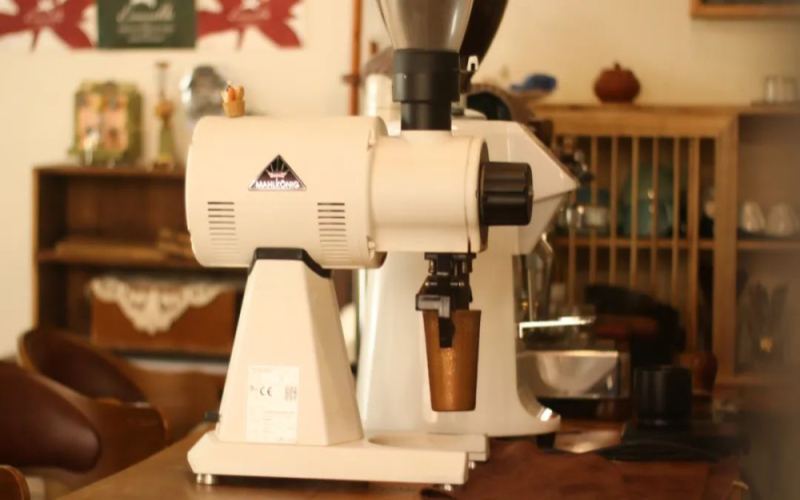
Analysis of the Advantages of Electric Grinders Over Hand Grinders, and the Details to Pay Attention to When Grinding for Single-Origin Pour-Over Coffee
In the daily preparation of pour-over single-origin coffee, electric grinders are being chosen by more and more enthusiasts. Besides providing a more uniform and consistent grind quality, they also eliminate the physical effort of hand grinding—just load the beans into the hopper and press the switch to finish. However, there are many details to pay attention to when using an electric grinder, otherwise the machine will wear out much faster than expected. For example, the seemingly simple question of when to add beans involves the key principle of burr protection. In addition, cleaning an electric grinder has two levels: daily and periodic, and only good maintenance can effectively extend its service life. This article addresses these practical points one by one to help you grind single-origin coffee beans with greater ease. [more…]

Hand Grinder vs. Electric Grinder Performance Test: How Big Is the Flavor Gap Between Drip Bags and Pour-Over?
What exactly is the difference between pour-over and drip bags? This article starts from a real brewing experience during a Spring Festival trip back home, comparing the grinding performance of hand grinders and electric grinders, and analyzing the impact of pre-ground versus freshly ground coffee on flavor details. Using mid-range setups such as the Hario V60 and Kono filter papers as references, the author documents the specific situation in which fine particle accumulation led to slow drainage and thin flavor, and shares the solution proposed by Front Street. Ultimately, due to time and equipment limitations, the author turned to a county-town café and used an EK grinder to make drip bags. The article fully presents the logic of trade-offs from pour-over to drip bags, and also points out a simple truth: if you have never used better equipment, what you have now is the best. [more…]

What Damage Does Double Grinding Do to a Coffee Grinder? A Full Analysis of the Differences Between Electric and Hand Grinders
In coffee competitions, double grinding was once seen as a means of precisely controlling particle size, but the actual practice is far from simple. Sending coffee grounds through the grinder again not only multiplies the amount of fines, but also worsens the "retention" problem—especially in electric grinders, where it can leave a large amount of grounds behind, making cleanup time-consuming and laborious. This article uses Front Street's experimental data to analyze in detail the impact of double grinding on the grinder, compares the differences between electric and hand grinders in this process, and offers alternative extraction adjustment solutions to double grinding, helping you improve extraction efficiency without disassembling your machine. [more…]
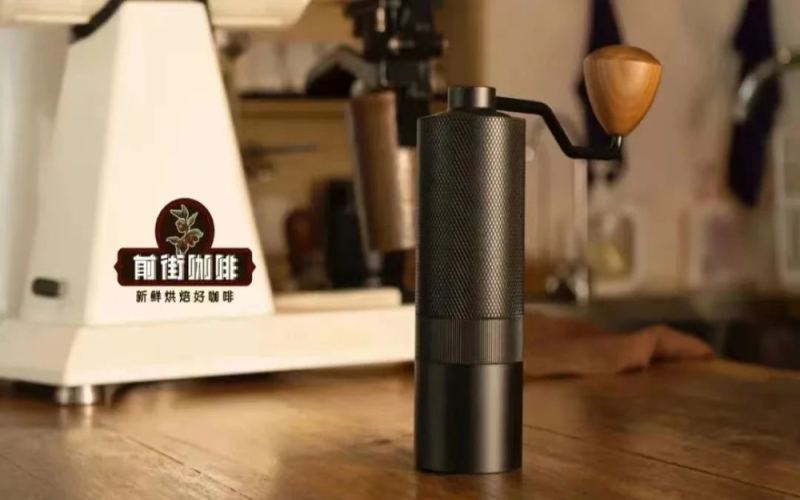
A Practical Guide to Using a Manual Coffee Grinder: A Full Breakdown of Burr Structure, Grind Setting Adjustment, and Daily Maintenance
Manual coffee grinders are a go-to piece of gear for many pour-over enthusiasts, serving both everyday home use and, when paired with a French press, AeroPress, or moka pot, forming a portable outdoor kit. Grinders from different brands and models vary noticeably in price and the quality of the ground coffee they produce. From the perspective of Front Street, this article systematically breaks down the core components of a manual grinder—the burr, the adjustment dial, the handle, the bean hopper, and the grounds bin—and explains how to adjust the grind setting according to your brewing method, how to turn the handle correctly, and the key points of cleaning and regular maintenance, helping you use your manual grinder more smoothly and making every cup's extraction more consistent. [more…]

Analysis of Why Hand Coffee Grinders Produce Too Many Fines: A Comparison of Conical vs. Flat Burr Structures
In the coffee grinding process, the production of fines is almost an unavoidable phenomenon, regardless of whether one uses expensive professional-grade grinders or entry-level manual grinding equipment. However, the proportion of fines directly affects the stability of brewing and the final flavor presentation. Choosing a suitable grinder can, to a certain extent, help us reduce the troubles caused by fines. Front Street Coffee specifically conducted a comparative test on the differences in fines generation between manual coffee grinders and electric coffee grinders, analyzing the differences in grinding performance between the two from the perspective of burr structure, helping coffee enthusiasts more clearly understand the characteristics of different devices in grinding function, so as to make choices that better suit themselves. [more…]
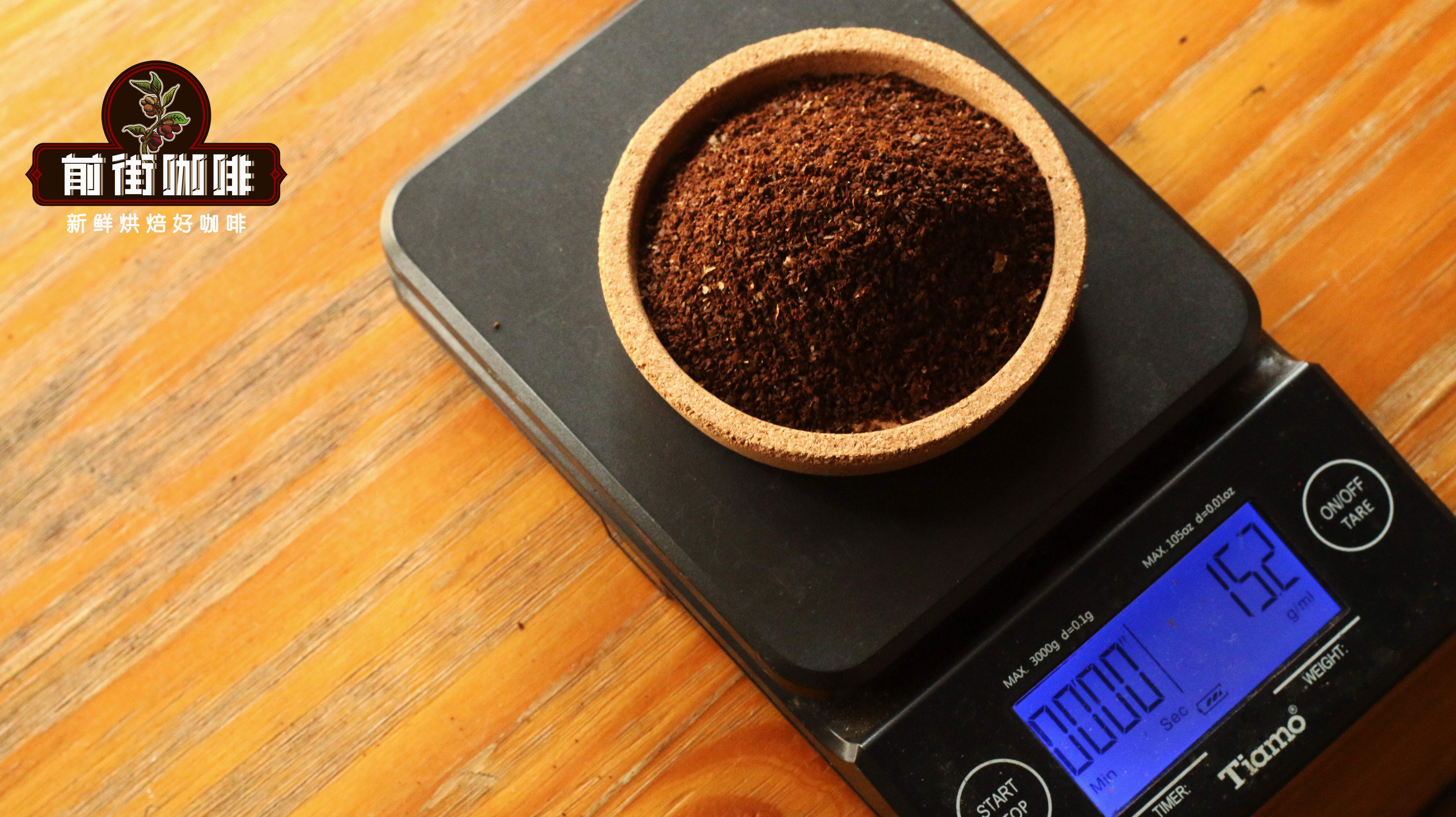
A Guide to Adjusting the Grind Size on a Manual Coffee Grinder and a Detailed Explanation of Pour-Over Coffee Brewing Parameters
Want to make a delicious pour-over at home? Controlling the grind size is often the first hurdle. Compared to expensive electric grinders, manual hand grinders have become the top choice for many enthusiasts just starting out, but how to correctly adjust their grind size parameters is something many people aren't clear about. In this article, Front Street Coffee starts with the disassembly steps of a manual hand grinder, explains one by one the relationship between the rotation direction of the adjustment screw and the grinding effect, and provides the grinding standards corresponding to different brewing methods. At the same time, combining variables such as the coffee-to-water ratio, water temperature, and extraction time, we use Panama Diamond Mountain coffee beans for a complete brewing demonstration to help readers build a replicable brewing approach. [more…]
Why Does a Coffee Grinder Cause Flying and Sticking Grounds? Static and Oils Are the Main Causes—A Few Practical Tips to Fix It
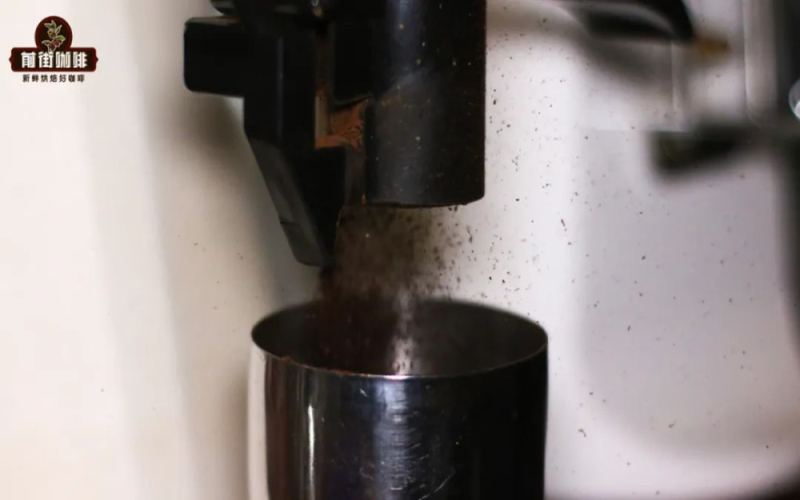
When grinding coffee beans, have you ever encountered coffee grounds splattering everywhere or sticking to the dosing cup or the exit chute? There are usually two reasons behind this: the oils seeping out of dark-roasted beans, and static electricity in a dry environment. Dark-roasted beans have a loose structure, and as carbon dioxide is released, oils seep out along with it, making the ground particles prone to clinging to the cup walls; static electricity, meanwhile, causes fine particles to stick to the grinder's exit chute, reducing the actual amount of grounds you get. Some newer electric grinders come with anti-static plates, but many small electric grinders and hand grinders don't have this design. The Little Fuji grinder that Front Street Coffee once used had long-standing problems with flying grounds and retained grounds, and the bottom of hand grinder burrs often end up covered in coffee grounds. In addition to analyzing the causes, this article will also share a simple anti-static method of stirring coffee beans with a wet spoon, and remind you of the risks and precautions involved, helping you reduce waste and improve your grinding experience. [more…]
Coffee Grinder Settings Guide: Hand Grinder Disassembly and Pour-Over Grind Standards
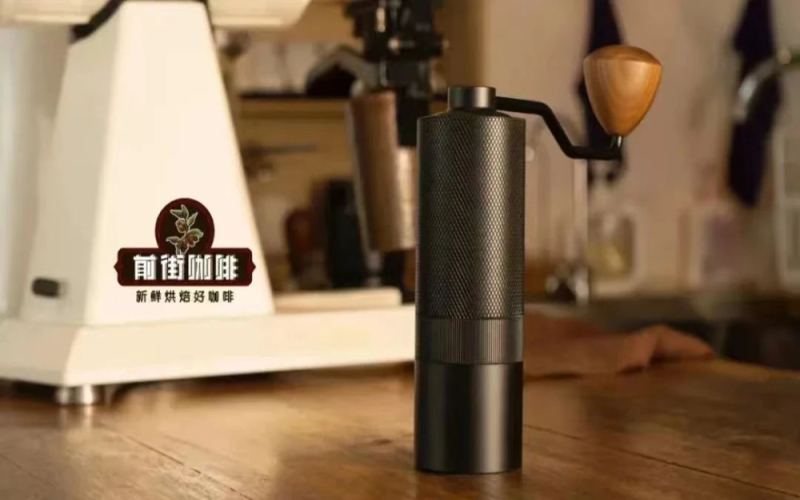
Grind size is one of the core variables affecting coffee flavor. This article starts with the structure of a manual coffee grinder, gradually explaining how to disassemble it and adjust the grind adjustment screw, and, combined with the hands-on experience of Front Street Coffee, provides grind size standards for different brewing methods. At the same time, the article also shares a method for judging whether the grind is appropriate using a 0.80 mm standard sieve, as well as reference suggestions for pour-over parameters such as the coffee-to-water ratio, water temperature, and extraction time. Finally, using Panama Diamond Mountain coffee beans as an example, it demonstrates a complete three-stage brewing process to help readers put theory into daily practice. [more…]
Manual or Electric? Key Points for Choosing a Coffee Grinder and a Full Guide to Using and Maintaining an Electric Grinder
Faced with the dazzling array of coffee grinders on the market, many coffee lovers struggle with the same question: should I choose a manual or an electric one? For long-term, stable grinding performance, many people lean toward going straight for an electric grinder—it saves effort and reduces the trouble of fines. But electric grinders actually have quite a few finer points when it comes to use and maintenance. For example, an incorrect operating sequence can accelerate burr wear, and inadequate cleaning can shorten the machine's lifespan. This article will address key questions such as the correct way to use an electric grinder, why you should start it before adding beans, and the specific methods for daily and periodic cleaning, helping beginners use and care for their grinder more scientifically so that every cup of coffee is consistently delicious. [more…]