







Search Results for: Hand Grinder Cleaning
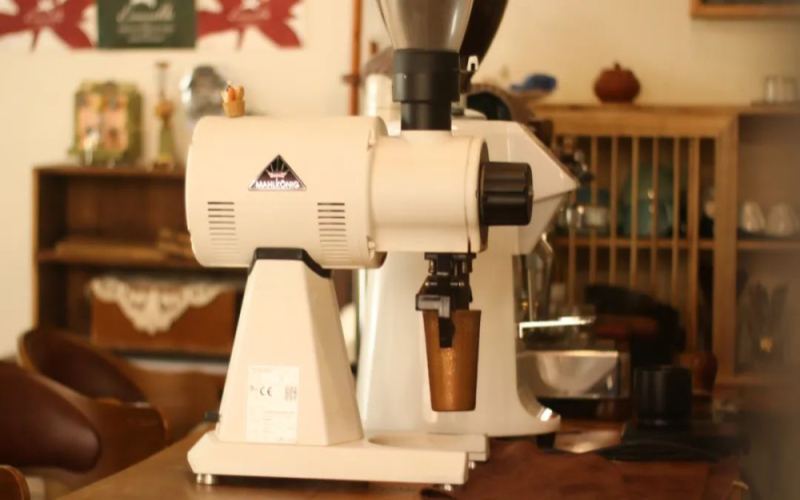
Analysis of the Advantages of Electric Grinders Over Hand Grinders, and the Details to Pay Attention to When Grinding for Single-Origin Pour-Over Coffee
In the daily preparation of pour-over single-origin coffee, electric grinders are being chosen by more and more enthusiasts. Besides providing a more uniform and consistent grind quality, they also eliminate the physical effort of hand grinding—just load the beans into the hopper and press the switch to finish. However, there are many details to pay attention to when using an electric grinder, otherwise the machine will wear out much faster than expected. For example, the seemingly simple question of when to add beans involves the key principle of burr protection. In addition, cleaning an electric grinder has two levels: daily and periodic, and only good maintenance can effectively extend its service life. This article addresses these practical points one by one to help you grind single-origin coffee beans with greater ease. [more…]
Manual or Electric? Key Points for Choosing a Coffee Grinder and a Full Guide to Using and Maintaining an Electric Grinder
Faced with the dazzling array of coffee grinders on the market, many coffee lovers struggle with the same question: should I choose a manual or an electric one? For long-term, stable grinding performance, many people lean toward going straight for an electric grinder—it saves effort and reduces the trouble of fines. But electric grinders actually have quite a few finer points when it comes to use and maintenance. For example, an incorrect operating sequence can accelerate burr wear, and inadequate cleaning can shorten the machine's lifespan. This article will address key questions such as the correct way to use an electric grinder, why you should start it before adding beans, and the specific methods for daily and periodic cleaning, helping beginners use and care for their grinder more scientifically so that every cup of coffee is consistently delicious. [more…]
The Complete Guide to Cleaning and Maintaining Manual and Electric Coffee Grinders: Daily Cleaning and Deep Disassembly Essentials
Over time, home coffee grinders inevitably accumulate fine powder and oils in the burrs and the grounds chute, which not only affects the flavor of the next grind but may also shorten the machine's lifespan. This article systematically covers daily cleaning and deep maintenance methods for hand grinders and electric grinders, including simple handling after each use, when a thorough disassembly is needed, and how those who are not mechanically inclined can use cleaning powder to complete maintenance. The article also explains the "seasoning the burrs" technique before grinding to prevent flavor cross-contamination, and includes Front Street Coffee's recommendations on grinder selection and maintenance to help you keep your grinder in stable condition. [more…]
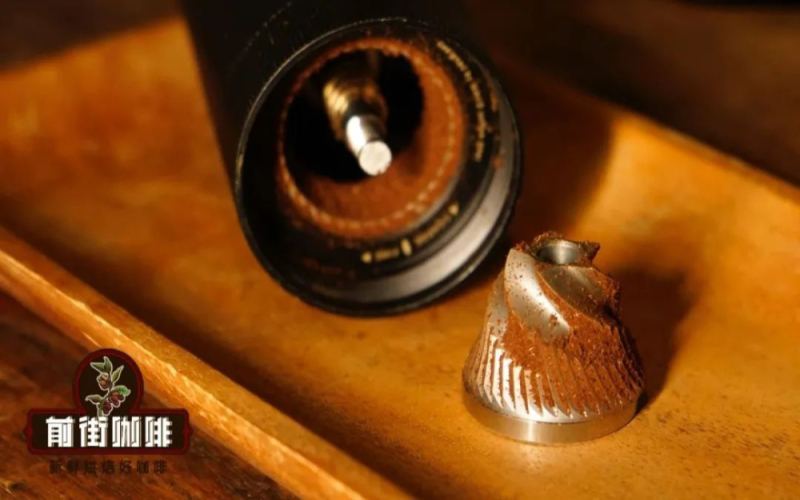
Complete Guide to Cleaning and Maintaining Manual and Electric Coffee Grinders: Brush Cleaning and Deep Maintenance Essentials
Coffee grinding equipment is mainly divided into two categories: manual and electric. Different brands and price points not only affect appearance and grinding performance, but also determine differences in burr structure and particle size distribution. Regardless of which grinder you use, daily cleaning and regular maintenance of the burrs are key to extending the life of the equipment. The static electricity generated during grinding causes fine particles to stick to the metal burrs and the grounds bin. The more frequently it is used, the more residual grounds accumulate, and the oil released by dark-roasted beans worsens the buildup of oily residue. If not cleaned for a long time, old grounds not only produce a rancid oil smell, but also taint new grounds and clog the grinding path. This article will introduce grinder maintenance methods and precautions in detail across three levels: daily quick cleaning, cleaning without disassembly, and regular deep cleaning. [more…]
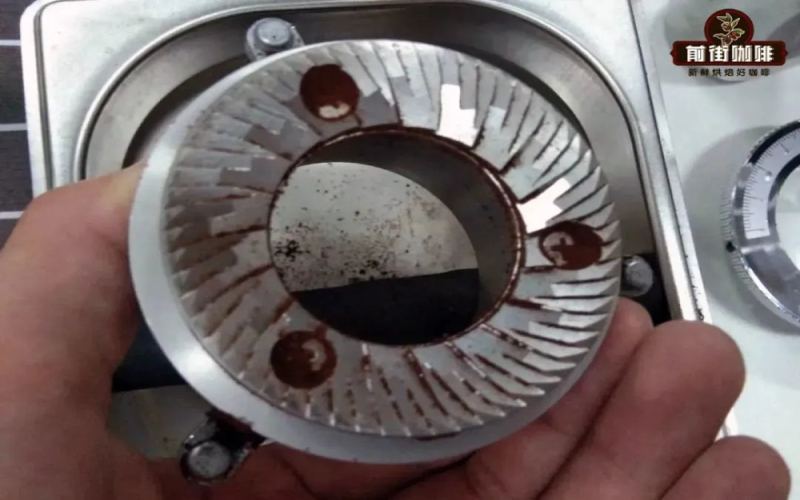
Grinder Maintenance Frequency and Cleaning Guide: How to Clean the Burrs of Manual and Electric Coffee Grinders
If you love brewing pour-over coffee at home, have you ever noticed that your brewed coffee tastes like it's mixed with other beans? This is very likely the work of fine powder residue left inside your grinder. Over time, static electricity causes fine powder to cling to the burrs, and the oils from dark-roasted beans build up as well. Before long, this not only affects flavor but can also clog the chute and shorten the machine's lifespan. So how exactly should you maintain your grinder? How often should you clean it? What's the difference between cleaning a hand grinder and an electric grinder? Can the burrs be washed with water? Front Street Coffee has put together a complete process, from simple daily cleaning to deep disassembly, to help you resolve all your grinder maintenance questions. [more…]
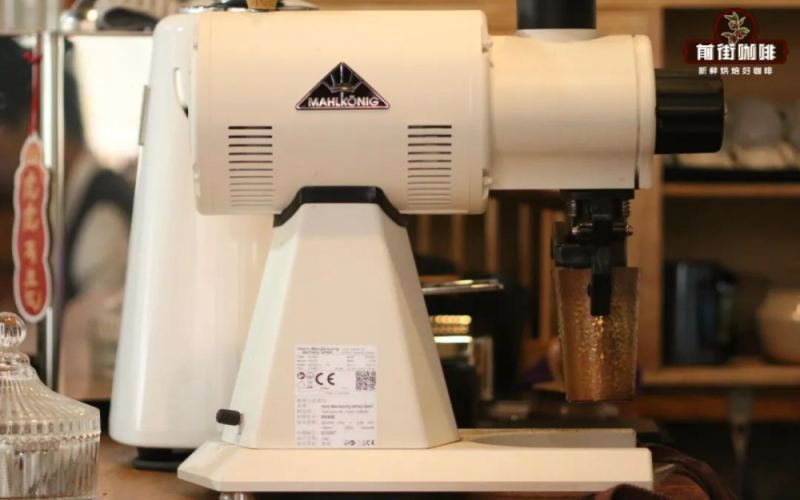
Proper Operation Guide for Electric Coffee Grinders: Practical Tips for Adjusting Dose and Grind Size, and Daily Maintenance Methods
With the growing popularity of home coffee equipment, more and more people are choosing to use a pour-over kettle paired with a small electric grinder to make freshly ground coffee at home. However, using an electric grinder is not simply a matter of plugging it in, turning it on, and dumping in beans—some improper operating habits not only affect the coffee's flavor but can also shorten the grinder's lifespan. Drawing on Front Street Coffee's practical experience, this article shares several key tips for using an electric burr grinder, including "rinsing the burrs" before grinding to avoid flavor transfer, starting the machine before adding beans to protect the burrs, and daily quick cleaning plus periodic deep cleaning as maintenance methods. Whether you are a complete beginner or someone who has been using an electric grinder for a while, these details can help you get the most out of your grinder and keep every cup of coffee tasting consistently good. [more…]
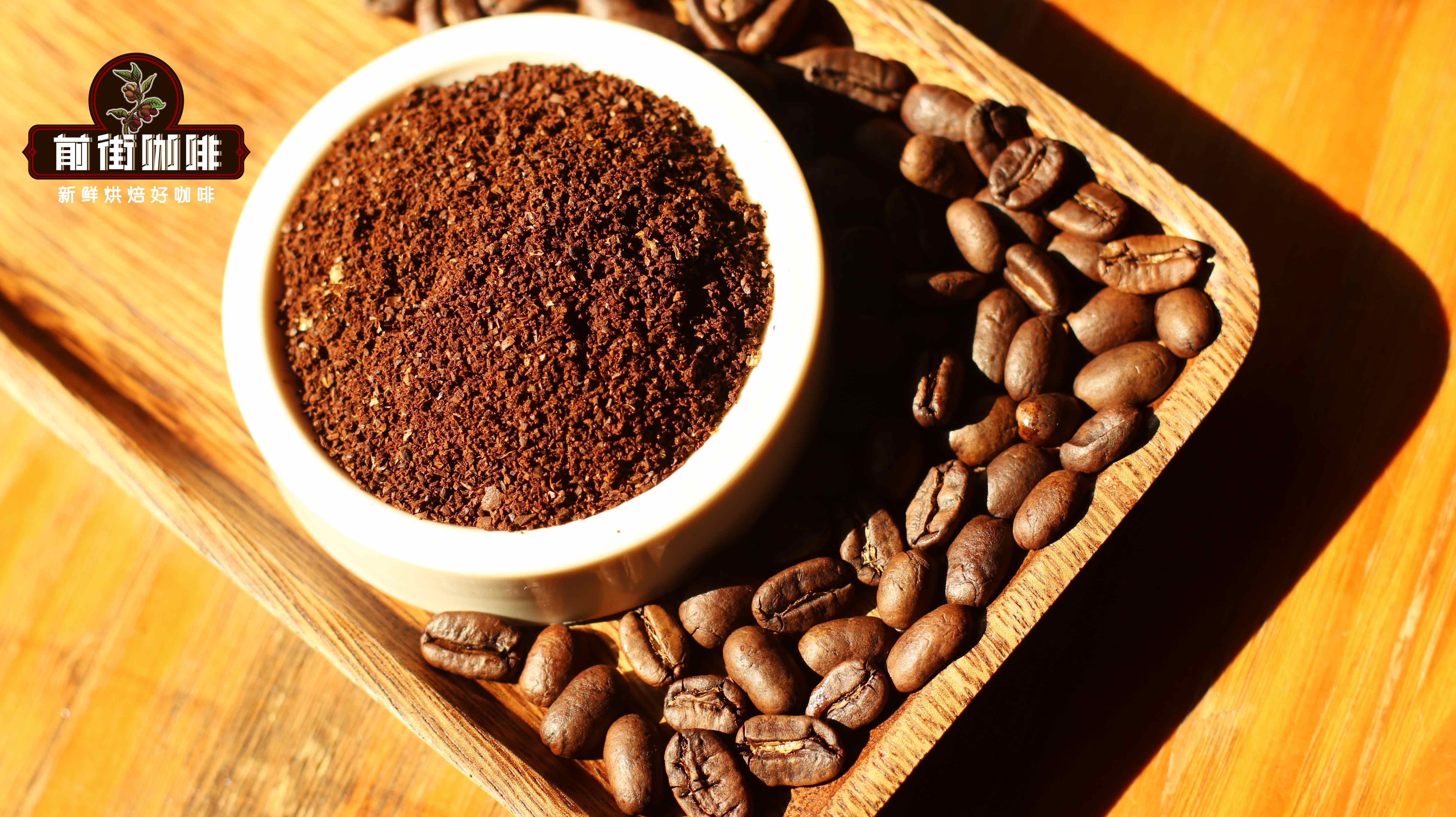
Key Points for Using a Coffee Grinder | Do You Need to Clean the Grinder Before Grinding Coffee Beans? What Should You Watch Out for When Using a Coffee Bean Grinder?
Many friends who originally used hand grinders have purchased an electric coffee grinder to grind coffee beans, with the aim of freeing their hands and no longer needing to go through the tedious grinding process. However, electric grinders are different from hand grinders, and there are many details to pay attention to when using them. If you are not careful, it is easy to shorten the life of the grinder and affect the grinding quality. [more…]
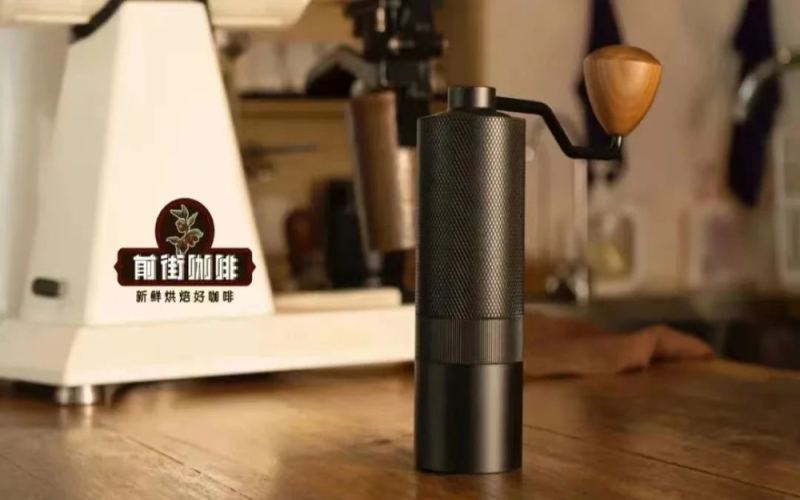
Hand Grinder User Guide: Burr Structure, Adjustment Settings, and Key Points for Controlling Grind Size
The manual coffee grinder is an essential tool for many pour-over enthusiasts. Beyond price differences, different brands and models directly influence the grinding quality of coffee grounds. It is suitable for home use and can also be combined with French presses, AeroPresses, moka pots, and other devices to create a portable coffee solution for outdoor or travel use. This article, from the perspective of Front Street, systematically explains the burr structure, dial adjustment, handle drive, bean hopper, and grounds container functions of manual coffee grinders, and shares proper grinding operations, grind size selection for different brewing methods, as well as daily cleaning and regular maintenance tips to help you improve grind uniformity and coffee flavor. [more…]
A Practical Guide to Using a Manual Coffee Grinder: A Full Breakdown of Burr Structure, Grind Setting Adjustment, and Daily Maintenance
Manual coffee grinders are a go-to piece of gear for many pour-over enthusiasts, serving both everyday home use and, when paired with a French press, AeroPress, or moka pot, forming a portable outdoor kit. Grinders from different brands and models vary noticeably in price and the quality of the ground coffee they produce. From the perspective of Front Street, this article systematically breaks down the core components of a manual grinder—the burr, the adjustment dial, the handle, the bean hopper, and the grounds bin—and explains how to adjust the grind setting according to your brewing method, how to turn the handle correctly, and the key points of cleaning and regular maintenance, helping you use your manual grinder more smoothly and making every cup's extraction more consistent. [more…]
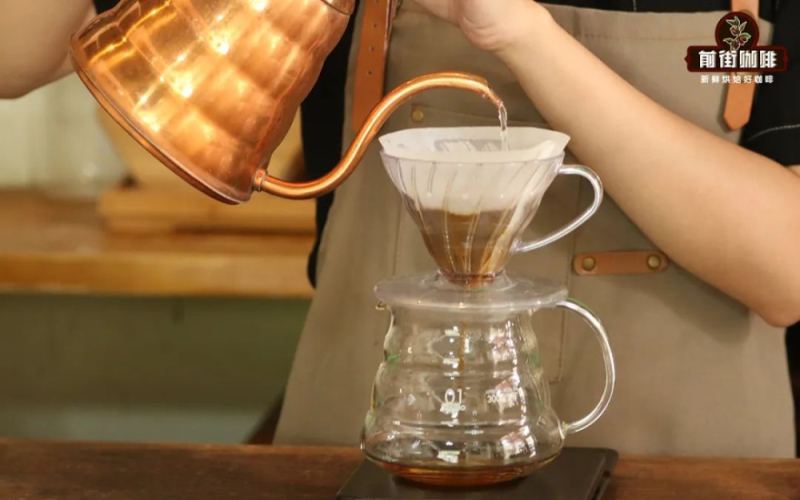
Guide to Consistent Pour-Over Coffee: Key Details from Parameter Execution to Filter Cup Preheating
The charm of pour-over coffee lies in its rich flavors, but it also puzzles many enthusiasts: why does the same beans and parameters produce a different taste every time? Front Street Coffee believes that it is nearly impossible to replicate two completely identical cups of coffee, but by controlling the details, it is entirely possible to make two cups sensorially indistinguishable. This article will start with four key steps—strictly executing brewing parameters, preheating the dripper and server, cleaning the grinder, and waiting for the drip to finish—to analyze in detail how to reduce unstable factors during brewing, helping you improve the stability and quality of your pour-over coffee. [more…]
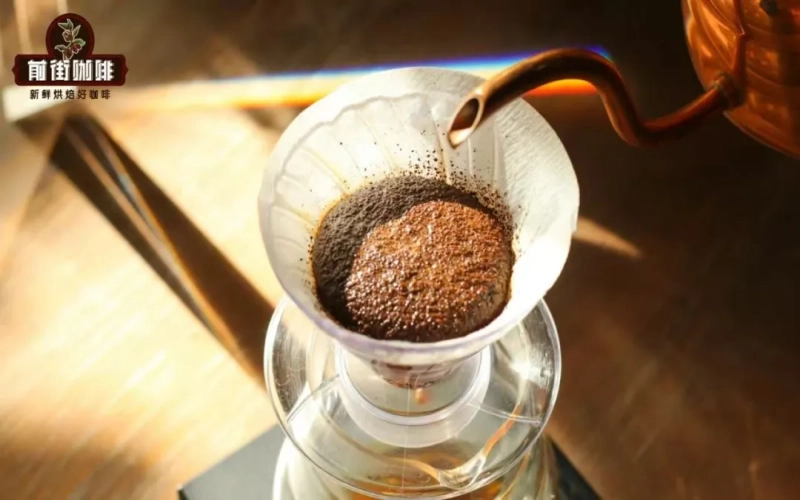
Should you rinse the filter paper with hot water before brewing? Practical details on water quality, blending, and grinder cleaning
Besides the coffee-to-water ratio, water temperature, and pouring technique, the final flavor of a cup of coffee is also influenced by many easily overlooked steps. Drawing on Front Street Coffee's practical experience, this article outlines four operational details worth paying attention to: whether the paper filter needs to be pre-wetted with hot water, how the hardness of the brewing water affects extraction, whether the coffee liquid should be swirled after dripping, and how to simply clean the grinder before grinding to avoid flavor carryover. These seemingly minor steps often inadvertently change the aroma, mouthfeel, and cleanliness of the coffee. Whether you prefer espresso or pour-over, you can find ideas here to optimize your daily brewing. [more…]
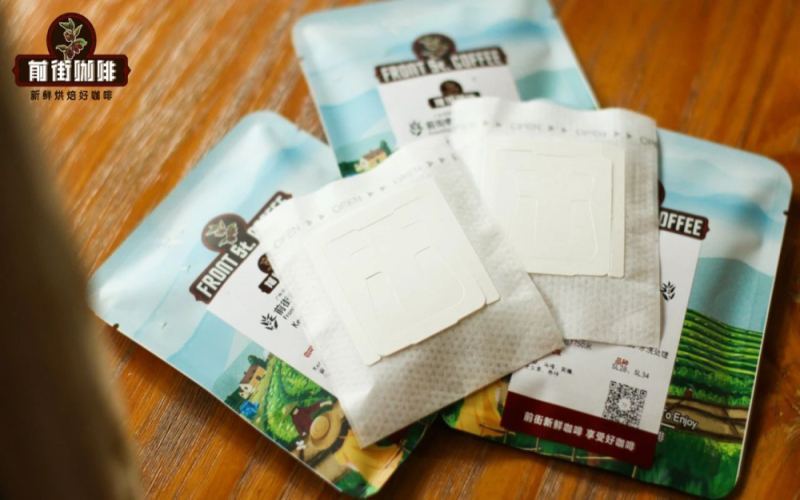
Can Drip Coffee Bags Be Reused for Multiple Brews? The Flavor Performance of a Second Brew and the Correct Way to Use Them
Drip bag coffee has become the daily first choice for many coffee lovers thanks to its convenience and specialty-grade flavor. But many people wonder: how many times can one drip bag actually be brewed? Does a second brew still have any flavor? Starting from the production process of Front Street Coffee's drip bags, this article provides a detailed analysis of how key steps such as grinding, grinder cleaning, and nitrogen packaging affect flavor, and introduces two seasonal products: the Front Street Brazil Pulped Natural Red Fruit Drip Bag and the Ethiopia Natural Sidamo Hambela Drip Bag. At the same time, the article also explains the correct brewing parameters and techniques for drip bag coffee, and answers the common question of "can it be brewed repeatedly," helping you easily enjoy a good cup of coffee at home. [more…]
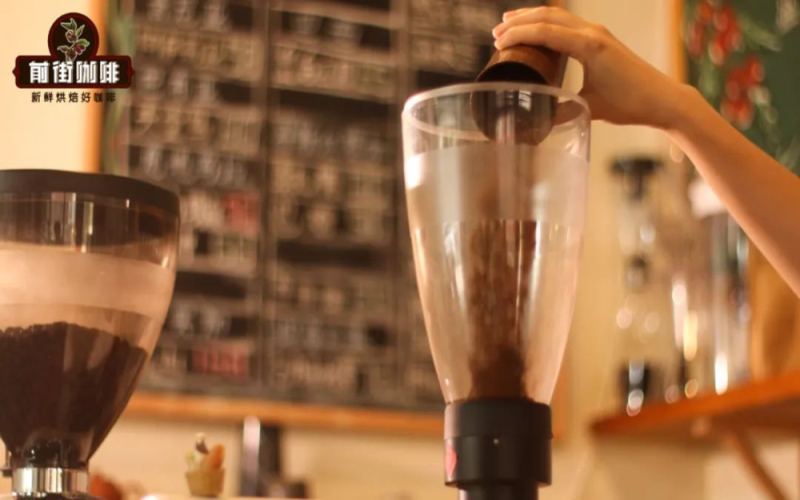
What Damage Does Double Grinding Do to a Coffee Grinder? A Full Analysis of the Differences Between Electric and Hand Grinders
In coffee competitions, double grinding was once seen as a means of precisely controlling particle size, but the actual practice is far from simple. Sending coffee grounds through the grinder again not only multiplies the amount of fines, but also worsens the "retention" problem—especially in electric grinders, where it can leave a large amount of grounds behind, making cleanup time-consuming and laborious. This article uses Front Street's experimental data to analyze in detail the impact of double grinding on the grinder, compares the differences between electric and hand grinders in this process, and offers alternative extraction adjustment solutions to double grinding, helping you improve extraction efficiency without disassembling your machine. [more…]

The Origin and Evolution of Drip Bag Coffee: From Tea Bag Inspiration to a Detailed Guide to Front Street Coffee's Drip Bag Brewing Techniques
In the fast-paced life of the city, wanting to enjoy a healthy cup of pour-over-grade single-origin coffee at any time is no easy task. Although instant coffee is convenient, it often adds a burden to the body because of sugar and creamer. The invention of drip bags struck just the right balance between convenience and quality. This article will trace the origin story of drip bag coffee from the Japanese tea bag concept to commercial improvements, and take an in-depth look at Front Street Coffee's key steps in drip bag production, including grinder cleaning, grind size control, and nitrogen packaging. Finally, it will present practical drip bag pour-over brewing steps and parameters to help every coffee lover enjoy a cup of pure, authentic single-origin coffee anytime, anywhere. [more…]
How to Brew Drip Bag Coffee So It Actually Tastes Good? A Complete Breakdown and Step-by-Step Guide from Coffee-to-Water Ratio and Water Temperature to Pour Timing
Drip bag coffee combines the rich flavor of pour-over with the convenience of instant coffee, and in recent years it has become the daily first choice for many coffee lovers. But the seemingly simple drip bag, from bean selection, grinding, and packaging to the final brewing, has every step that can directly affect the performance in the cup. This article starts from the production process of Front Street drip bag coffee, explains in detail key details such as grinder cleaning and nitrogen preservation, and separately introduces the flavor characteristics of two seasonal drip bags: Brazil semi-washed red fruit and Ethiopia natural Sidamo Huakui. It then moves into the hands-on section, using a 10-gram Front Street drip bag as an example, and gives specific recommendations on water temperature, blooming time, pouring technique, and cup selection, helping you easily brew a cup of drip bag coffee with complete flavor at home. [more…]

How to Choose Drip Bag Coffee Flavors | How Many Times Can You Brew a Drip Bag? What Are the Advantages of Filter Coffee Bags? How Is Drip Coffee Different from Instant Coffee?
Many coffee enthusiasts enjoy drinking specialty pour-over coffee, but they feel that pour-over coffee requires a lot of equipment and操作既需要技巧又需要很多器具。Front Street has therefore launched a drip bag series. The Front Street drip coffee series offers flavors from multiple origins, such as Sidamo, Brazil, Honduras Shirley, and more. Of course, there are other types [more…]
What to Do When Coffee Beans Are Past Their Best Flavor Window? Pour-Over Adjustment Tips and Three Waste Reuse Solutions
You bought too many and didn't finish them, or illness got in the way of brewing—and just like that, your coffee beans quietly passed their peak flavor window. Can stale beans still be brewed? What adjustments are needed during brewing? And if they're already past their expiration date, what eco-friendly and practical ways are there to reuse them? Drawing on Front Street's brewing experience, this article first covers hand-brewing strategies for stale beans—including changes to the blooming pour and grind size adjustments—then shares three proven methods for recycling coffee grounds: odor removal, cleaning, and plant fertilizer, so that not a single bean in your hands goes to waste. [more…]
A Complete Guide to Buying Coffee Equipment and Coffee Machine Maintenance
To make a good cup of coffee at home or in a shop, choosing the right equipment and doing daily maintenance are equally important. This article systematically sorts out the key points for purchasing common coffee equipment, from Turkish coffee pots, Neapolitan flip brewers, and siphon brewers to semi-automatic espresso machines, water drip coffee makers, American coffee machines, and moka pots, including the suitable roast levels and grind sizes, and also provides reference prices and purchasing suggestions for commercial equipment. At the same time, it explains in detail the cleaning process for coffee machines, the backflushing steps, and the precautions for using glass equipment, helping coffee enthusiasts and professionals extend equipment lifespan and maintain consistent product quality. [more…]
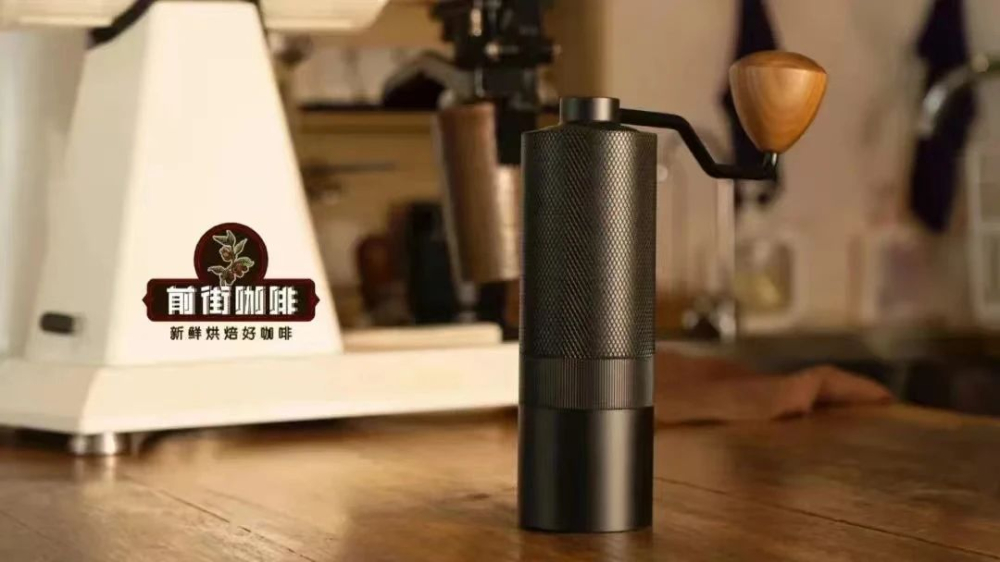
Coffee Grinder Brand Recommendations | Is There a Big Difference Between Electric and Manual Coffee Grinders? Should Coffee Beginners Buy a Manual or Electric Grinder?
Those who have requirements for coffee flavor will definitely choose freshly ground coffee. If you want to brew it yourself, a grinder is essential. Open an online shopping platform and search for "grinder," and you can see a price range from 22 yuan to 71,271 yuan, a price difference of 3,239.6 times. Although in recent days [more…]
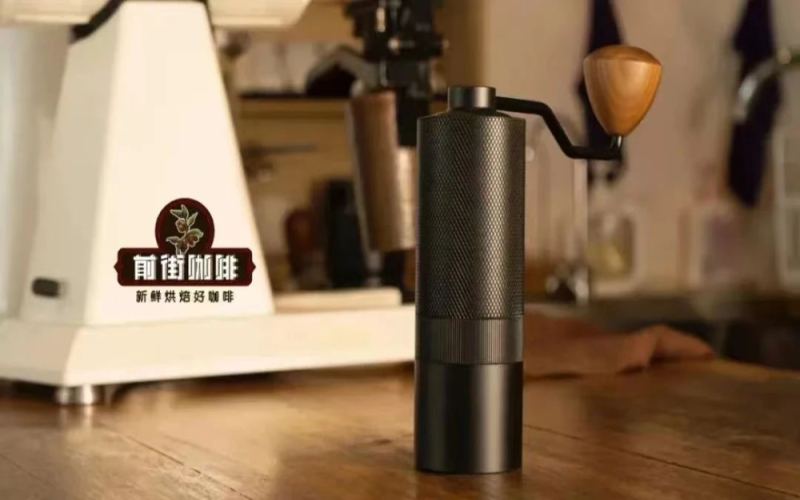
Types of Coffee Grinders | Is There a Big Difference Between Electric and Manual Coffee Grinders? Should Beginners Buy a Manual or Electric Grinder?
Friends who have requirements for coffee flavor will definitely choose freshly ground coffee. If you want to brew it yourself, a grinder is essential. Open an online shopping platform and search for "coffee grinder," and you can see a price range from 22 yuan to 71,271 yuan, a price difference of 3,239.6 times. Although in recent days [more…]