







Can you still brew coffee beans past their peak flavor?
Stale coffee beans can still be brewed, but they need adjustments. Expect little swelling during blooming and no movement in the coffee bed. Grind slightly coarser than usual — for example, from 10 to 10.5 on an EK grinder — to keep fine particles from clogging the bed and producing bitter, muddy flavors.
Brewing technique only fine-tunes the result; the aroma lost when beans go stale cannot be recovered. If the beans are past their expiration date, they are better used elsewhere. Three practical options are deodorizing, cleaning around the home, and serving as plant fertilizer, so nothing in the bag goes to waste.
Bought too much and didn't finish drinking it, or illness got in the way of brewing—and just like that, the coffee beans quietly passed their peak flavor window. Can stale beans still be brewed? What adjustments are needed during brewing? And if they've already passed their expiration date, what eco-friendly and practical ways are there to reuse them? Drawing on Front Street's brewing experience, this article first covers hand-brewing strategies for stale beans—including changes to the blooming pour and grind size adjustments—then shares three proven methods for recycling coffee grounds: deodorizing, cleaning, and plant fertilizer, so that not a single bean in your hands goes to waste.
Although "true coffee lovers would never let their beans go stale," reality is often far from ideal—you might impulsively stock up during a sale, or illness might delay your brewing, and by the time you snap out of it, the beans have already passed their peak. So, can these no-longer-fresh beans still be brewed and drunk?
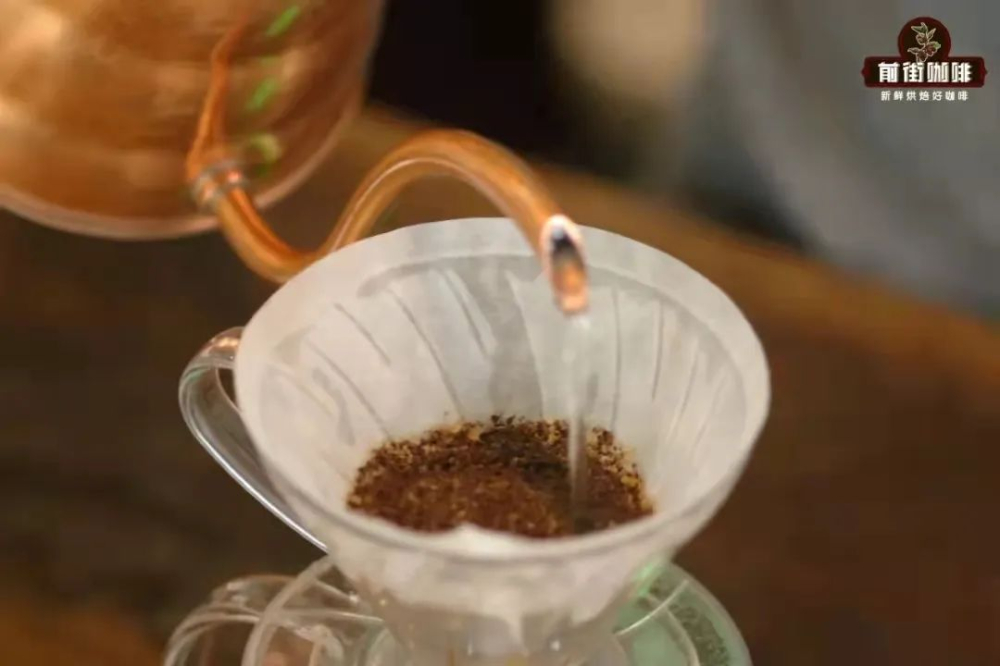
When coffee beans are stale, there's almost no swelling reaction during blooming, and the coffee bed shows no movement after pouring. Many people figure that since blooming is meant to release gas, they might as well skip it when brewing stale beans. But the truth is quite the opposite—with stale coffee beans, the pouring technique during the blooming phase actually requires even more attention.
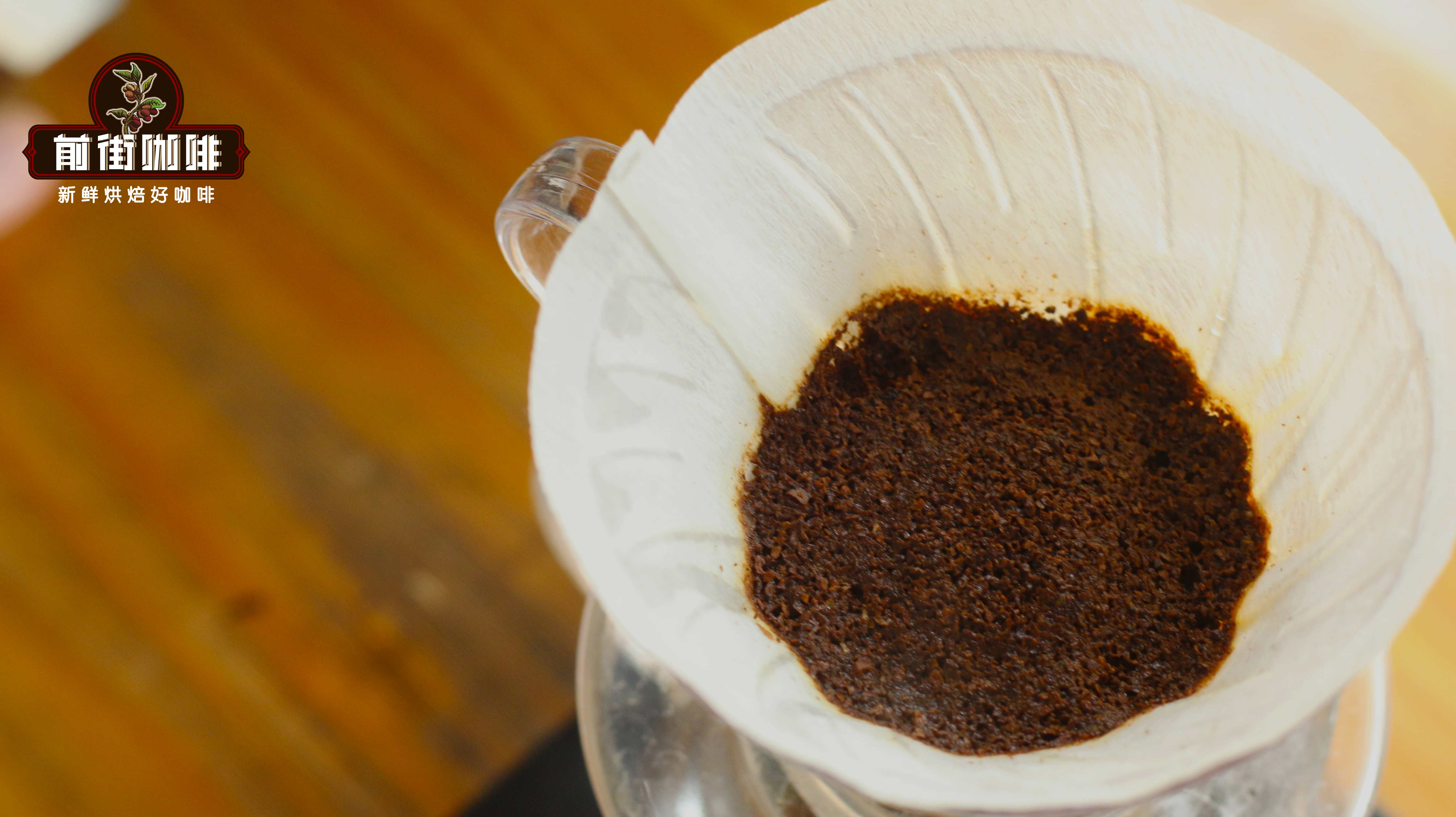
Overall, when coffee beans are stale, you can make adjustments based on the following approach. For grind size, Front Street recommends going slightly coarser than your daily setting. For example, if Front Street normally uses an EK grinder at setting 10, you can adjust it to 10.5, the goal being to prevent fine particles from clogging and producing bitter, muddy flavors.
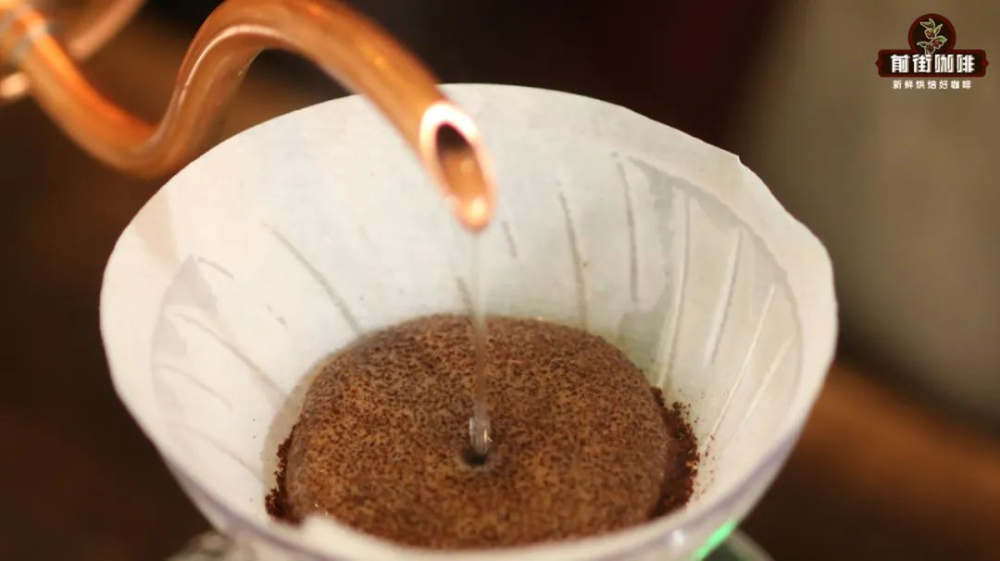
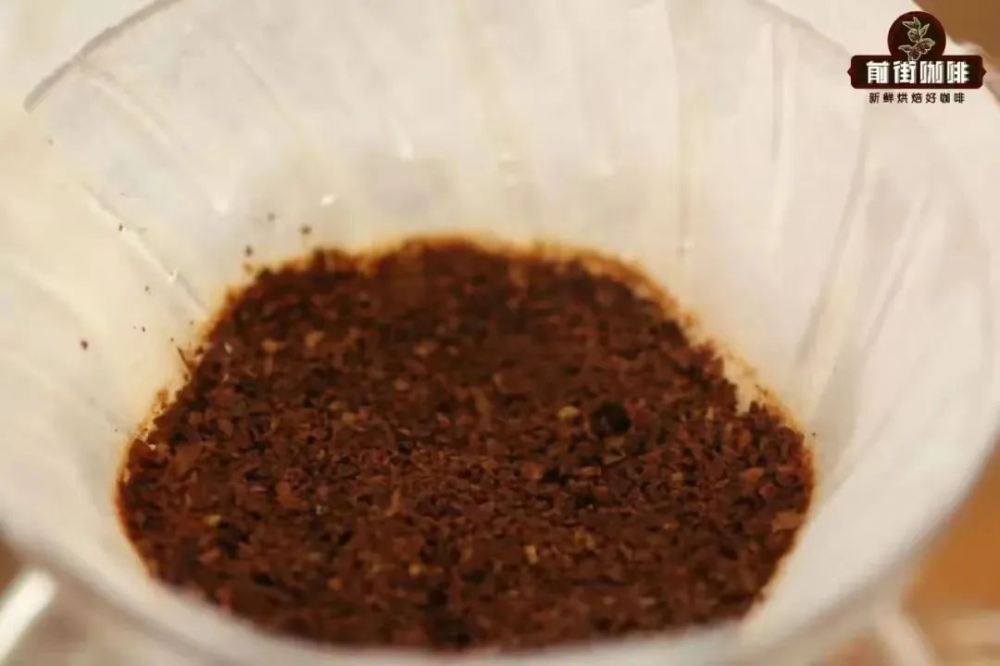
It should be noted that these techniques are just targeted fine-tuning based on the conditions observed during brewing. They can indeed improve things compared to a regular brew, but the flavors lost because the beans are no longer fresh ultimately cannot be recovered through technical means.
Now, if your coffee beans have not just passed their peak flavor window but have actually passed their expiration date, you can't simply follow the brewing plan Front Street described above. The best thing to do is use them for other purposes. Below, Front Street has put together three practical and eco-friendly ways to recycle them, for you to choose from as needed.
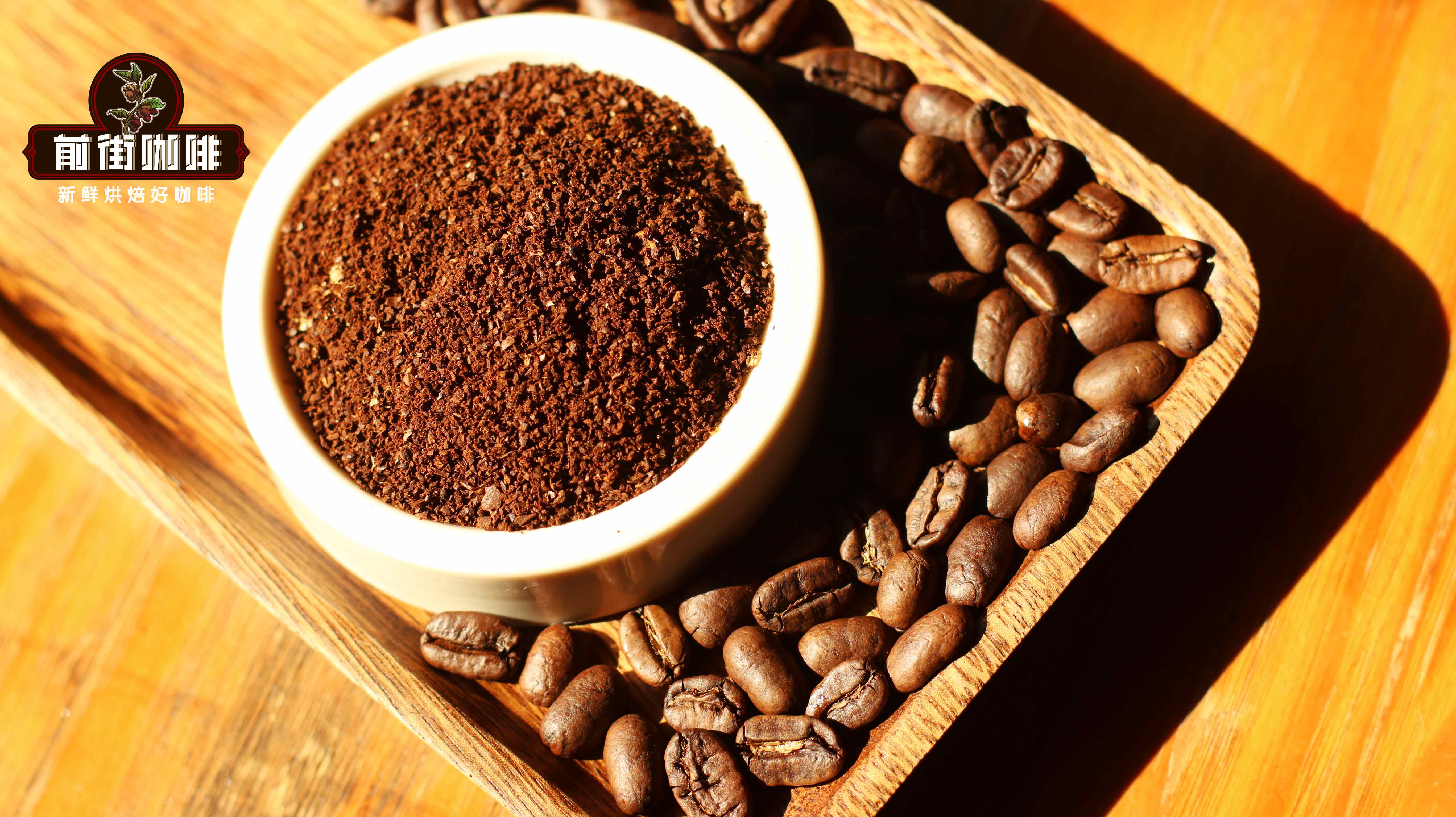
Method One: Deodorizing
Putting coffee grounds in an ashtray can eliminate the smell of smoke, and when you stub out a cigarette, a coffee aroma wafts up—many coffee shops do this, and it also helps extinguish cigarette butts. Home ovens are often used for baking, and after repeated use, grease tends to accumulate inside with mixed odors; placing a tray of coffee grounds in the oven and heating it can effectively remove lingering food smells. For those with pets, the odor after cleaning up pet waste is the most troublesome—actually, just sprinkling some coffee grounds after cleaning can noticeably reduce the discomfort caused by the smell.
Method Two: Cleaning Uses
Wrap ground coffee in gauze and use it to wipe down stovetops and pot lids—the stain-removal effect is quite good; boiling expired coffee and pouring it down sinks and toilet drains also has a cleaning effect. Similar items and surfaces can all be cleaned with expired coffee beans.
Method Three: Plant Fertilizer
Coffee beans contain nutrients that plants need to grow. Simply crush expired coffee beans and pour them into a flower pot, and they can serve as fertilizer without producing any odor. If you spread a ring of them around the base of a plant, it can also help keep pests away.
The above content is compiled by CoffeeHunters, a coffee news website.


