







Search Results for: Hacienda Copey
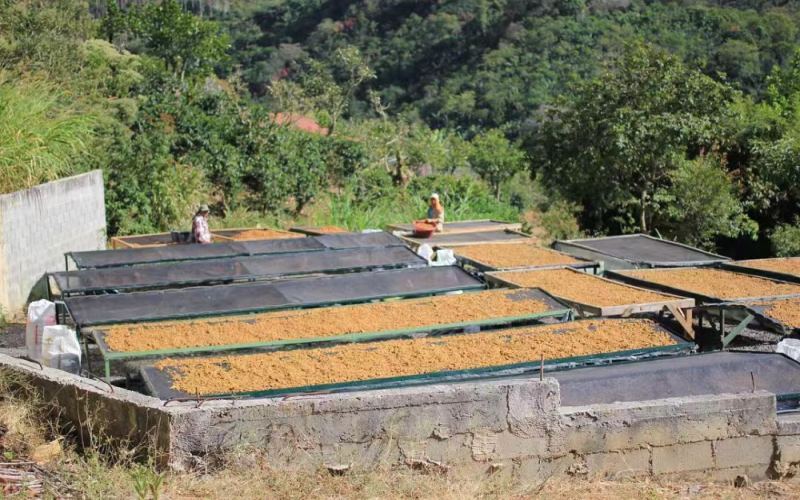
Costa Rica Tarrazú Region Comparison: Flavor Analysis of Tobosi Estate Red Honey Process vs. Washed Canet Estate
Although Costa Rica is a small country and its coffee output is not particularly prominent in Central America, it has long held an important place on the world specialty coffee map thanks to its volcanic ash soil, high altitudes, and microclimates. Tarrazú, one of the country's most renowned producing regions, is home to estates and processing methods of widely varying styles. This article focuses on Tobushi Estate's red honey-processed Catuai and the washed-processed Canet Estate, breaking down the differences between the two in sweetness, acidity, and body one by one—from producing region background, green bean grading, and roasting curves to cupping and brewing—to help coffee lovers understand the flavor distinctions that different processing methods bring within the same producing region, and to provide practical brewing suggestions from Front Street Coffee. [more…]
Costa Rica Hacienda La Esperanza Black Honey Geisha: Full Analysis of Flavor Characteristics and Pour-Over Parameters
Located in the Brunca region of Costa Rica, Hacienda Miramonte sits in the valley between Cerro de la Muerte and Cerro Chirripó. Its unique microclimate and sustainable farming philosophy give rise to black honey processed coffee with pronounced sweetness. This article walks you through Hacienda Miramonte's history, environmental practices, and black honey processing method, and offers a detailed breakdown of the flavor profile and brewing recommendations for this black honey Geisha sourced by Front Street Coffee—including dripper selection, water temperature, grind size, and a three-pour extraction technique—to help you brew a cup with rich, layered fruit notes. [more…]
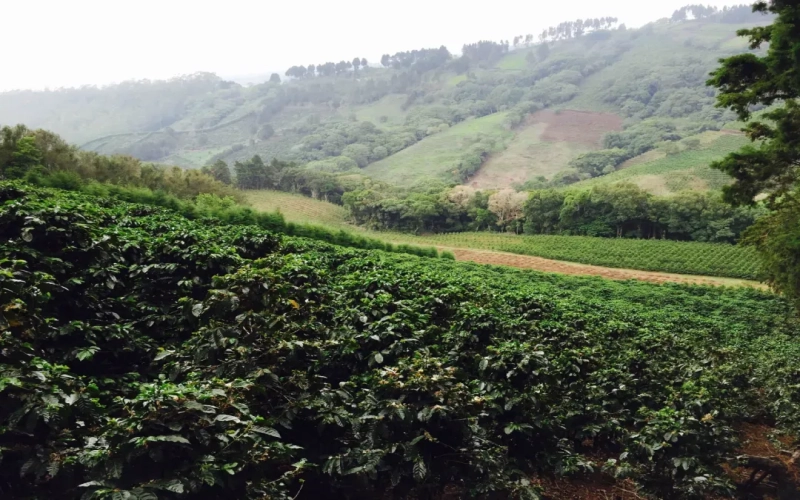
Exploring Costa Rica's Tarrazú Highlands: Coffee Cultivation at Finca Voo and Its COE Competition Success
Costa Rica is a pioneer of coffee cultivation in Central America and has now ranked as the world's fourteenth-largest coffee producer. Surrounded by volcanoes and with a mild climate, it provides ideal conditions for coffee growing. Among its seven major production regions, Tarrazu is the most famous, drawing attention for its high altitude and outstanding performance in the Cup of Excellence (COE). Located in the Copey de Dota area of Tarrazu, Finca Voo sits at an altitude of 1,960 meters and belongs to Café Solís & Cordero S.A. In recent years, it has repeatedly achieved excellent results in COE competitions. Front Street Coffee will take you deep into the terroir of this highland production region and the story of Finca Voo's rise. [more…]
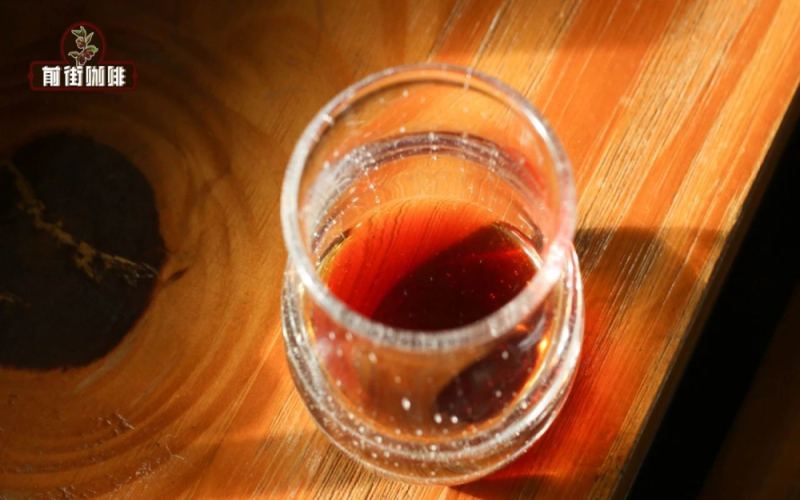
Costa Rica Torbus Estate Honey-Processed Coffee Cold Drip Brewing Method and Regional Flavor Analysis
Costa Rican coffee is famous for its sweet, honey-like flavors, and the Tarrazú region is especially representative of specialty coffee. In this article, Front Street Coffee will take you deep into Costa Rica's Tobushi Estate honey-processed Catuai coffee, covering the region's characteristics, variety and processing method, and cupping flavors, and will also explain in detail how to use Front Street Strawberry Candy Coffee to make a captivatingly flavored cold brew. Whether you want to explore the source of Costa Rican coffee's sweetness or try cold brew extraction at home, this tutorial offers practical reference. [more…]
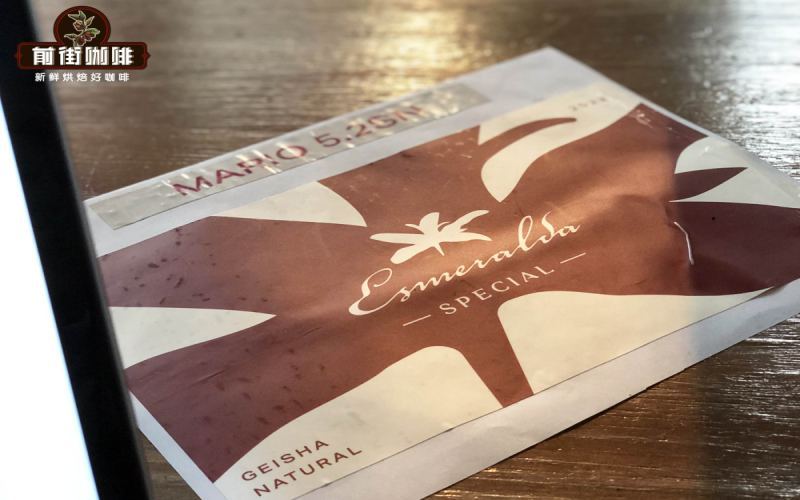
A Complete Guide to Hacienda La Esmeralda Geisha Grades: Distinguishing Red, Green, and Blue Labels and Their Flavor Profiles
Geisha coffee is the crown jewel of today's specialty coffee world, and the Geisha produced by Panama's Hacienda La Esmeralda is regarded as the industry benchmark. In 2004, Hacienda La Esmeralda took first place in the BOP competition with a light-roasted Geisha, forever changing the fate of Panamanian coffee. This article systematically reviews Hacienda La Esmeralda's Geisha product grading system, explaining in detail the differences in definition, plot origin, and flavor expression among the Red Label, Green Label, and the discontinued Blue Label. It also introduces Hacienda La Esmeralda's three sub-estates and their small plot divisions, and includes Front Street Coffee's brewing suggestions and product information, helping coffee enthusiasts gain a comprehensive understanding of this legendary variety. [more…]
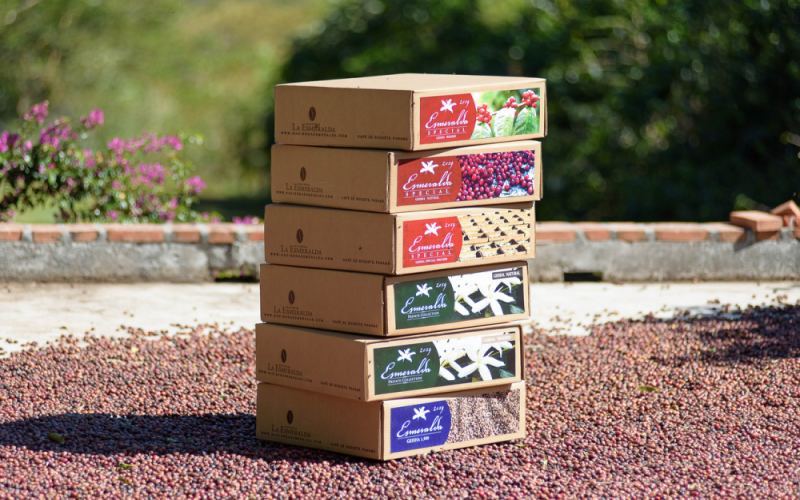
Exploring Panama's Hacienda La Esmeralda Diamond Mountain: The Specialty Coffee Flavor and Aroma Shaped by Washed Processing
When people mention Hacienda La Esmeralda in Panama, most first think of Geisha. However, this legendary estate also has a coffee brand called "Diamond Mountain," based on varieties such as Catuai, Typica, and Bourbon, grown on volcanic slopes at elevations of 1,400 to 1,700 meters in the Boquete production region. Although Diamond Mountain is not as expensive as Geisha, it equally embodies the estate's commitment to quality and sustainable operation. This article will start with the history and cultivation background of Hacienda La Esmeralda, sort out the origins of Diamond Mountain and the estate, analyze its variety characteristics and natural processing techniques, and present Front Street Coffee's actual flavor description, introducing you to this approachable yet richly layered specialty coffee. [more…]
How Does Hacienda La Esmeralda Diamond Mountain Differ from Geisha? A Full Analysis of Variety, Flavor, and Price Differences
In addition to the renowned Red Label and Green Label Geisha, Hacienda La Esmeralda also has a much-watched product line—Diamond Mountain. Front Street Coffee's Tmall and Taobao flagship store also sells this bean, which makes many coffee enthusiasts wonder: both come from Hacienda La Esmeralda, so what exactly is the difference between Diamond Mountain and Geisha? This article will compare them from multiple angles, including coffee variety, growing region, and flavor performance, and share the actual cupping impressions of Front Street Coffee's Hacienda La Esmeralda Diamond Mountain and Front Street Coffee's Hacienda La Esmeralda Green Label Geisha under the same brewing parameters, to help everyone more clearly understand the respective characteristics of these two products. [more…]
Panama Hacienda La Esmeralda Geisha Coffee Beans: A Comprehensive Analysis of Variety Traceability, Cultivation History, and Flavor Achievements
Hacienda La Esmeralda is a legendary coffee estate in the Boquete region of Panama, and it is precisely here that the Geisha variety rose to the world stage. From the Peterson family's purchase of it in 1967 as a retirement ranch, to winning the BOP championship with Geisha in 2004 and setting an auction record of $21 per pound, Hacienda La Esmeralda has written a bold and colorful page in the history of specialty coffee. This article will sort through the estate's planting and development history, its main cultivated varieties, the terroir conditions of the Boquete region, and the signature flavors of jasmine, peach, and orange that Geisha presents, and will introduce Front Street Coffee's recommended products from various lots of Hacienda La Esmeralda, taking you through a comprehensive understanding of this world-class star estate. [more…]
The Complete Guide to the Differences Between Panama Hacienda La Esmeralda Geisha Red Label, Green Label, and Blue Label and Pour-Over Parameters
When Geisha is mentioned, the first name that comes to most people's minds is Hacienda La Esmeralda in Panama. In 2004, Daniel, the third-generation manager of Hacienda La Esmeralda, entered a Geisha bean with a distinctly different flavor profile in the BOP competition, forever changing the landscape of specialty coffee. Hacienda La Esmeralda's Geisha product line is divided into Red Label, Green Label, and the former Blue Label, each differing in plot source, altitude, and quality standards. This article will systematically review the development history of Hacienda La Esmeralda, the detailed plot divisions of its three sub-farms, and the core differences between Red Label and Green Label, while also including the pour-over Geisha parameters recommended by Front Street Coffee, to help coffee enthusiasts gain a comprehensive understanding of this legendary bean variety. [more…]
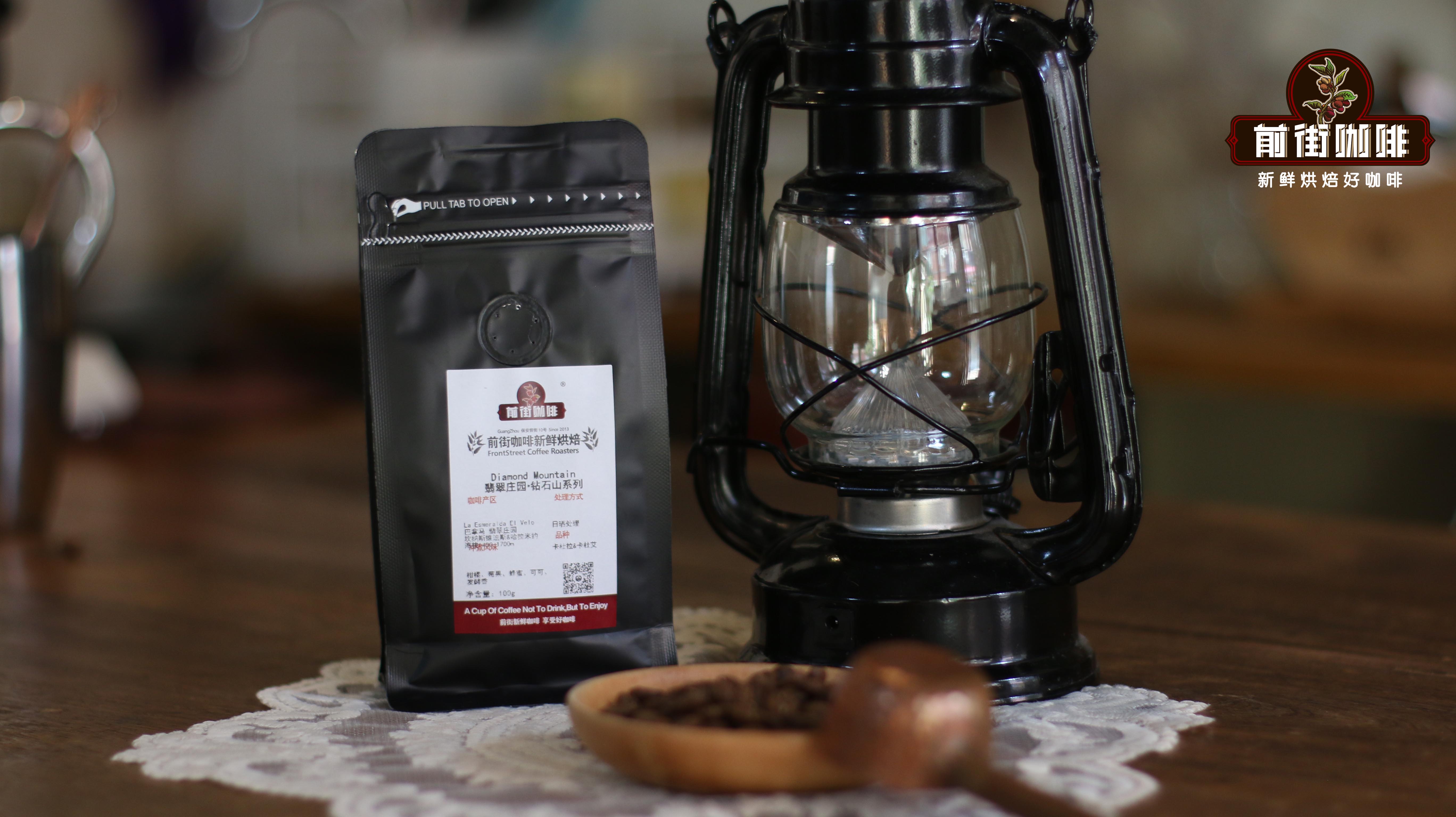
Tracing the Origins of Panama Hacienda La Esmeralda's Diamond Mountain Series: A Full Analysis of Catuai Variety Characteristics and Natural Process Flavors
In the specialty coffee world, Panama's Hacienda La Esmeralda has repeatedly created legends with its Geisha variety, but its Diamond Mountain series is equally worth attention. This series comes from the Boquete region around Barú Volcano, predominantly featuring the Catuai variety, which combines high yield and disease resistance with clean, bright flavor characteristics. Hacienda La Esmeralda processes Diamond Mountain using the natural method, employing Guardiola dryers and a resting and stabilizing process, endowing the coffee with rich fruit aromas, honey sweetness, and a cocoa finish. After Front Street Coffee introduced this series, it presents its red berry notes through a medium-light roast. This article traces the rise of Hacienda La Esmeralda, its award records, and provides a detailed analysis of Diamond Mountain's origin conditions, variety advantages, processing methods, and brewing flavor performance. [more…]
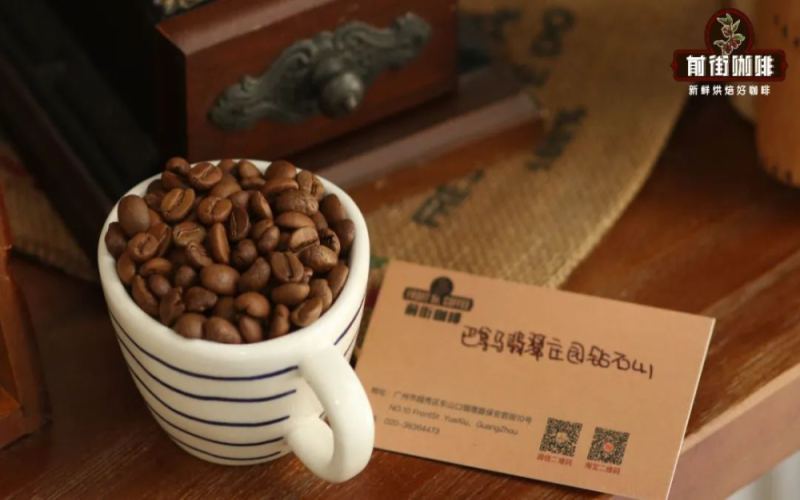
Panama Hacienda La Esmeralda Diamond Mountain Coffee Beans: Sun-Dried Processing Flavor and the Estate's Legendary Story
In the Boquete production region of Panama, Hacienda La Esmeralda has repeatedly created specialty coffee legends with the Geisha variety, while its Diamond Mountain series uses the Catuai variety to craft an approachable yet consistently high-quality everyday specialty coffee. This article begins with Hacienda La Esmeralda's cultivation history and award-winning experience, sorts out the connection between Diamond Mountain and the estate, explains in detail the characteristics of the Catuai variety, the natural processing method, and the Guardiola drying method, and brings Front Street Coffee's brewing suggestions and flavor description for this naturally processed Diamond Mountain, giving you a comprehensive understanding of this star product that combines fruity aromas and sweetness. [more…]
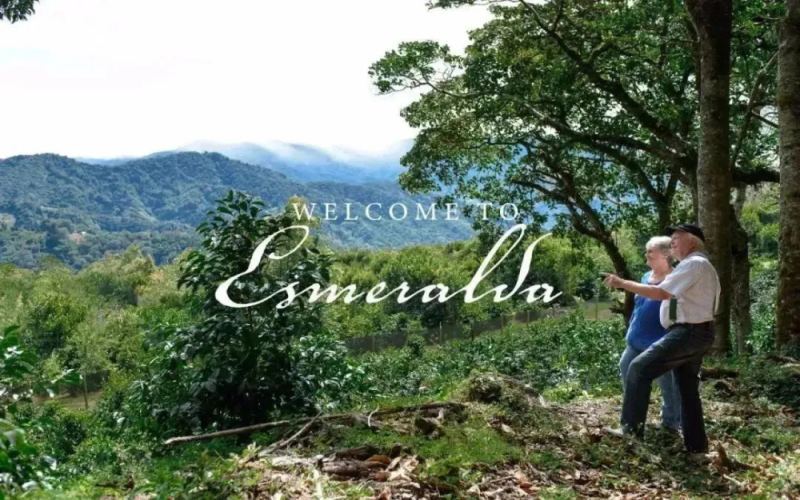
A Complete Guide to Hacienda La Esmeralda Geisha Grades: Why Was Blue Label Geisha 1500 Discontinued? What's the Difference Between Red, Green, and Black Labels?
Hacienda La Esmeralda in Panama, with its unique vision, discovered the potential of the Geisha variety, and through the Best of Panama (BOP) competition, made Geisha an overnight sensation. Since then, the Geisha produced by Hacienda La Esmeralda has remained a hot topic in the coffee world, with terms such as Red Label, Green Label, and Blue Label (Geisha 1500) frequently appearing. However, in recent years, "Geisha 1500" has gradually faded from view—why did it disappear? How many grading systems does Hacienda La Esmeralda currently have? This article will start with the layout of the estates under Hacienda La Esmeralda, systematically explain the grading logic and traceability rules of brands such as Red Label, Green Label, Black Label, and Diamond Mountain, and clarify the ins and outs of the discontinuation of Blue Label Geisha, helping coffee enthusiasts understand the full picture of Hacienda La Esmeralda's Geisha product line. [more…]
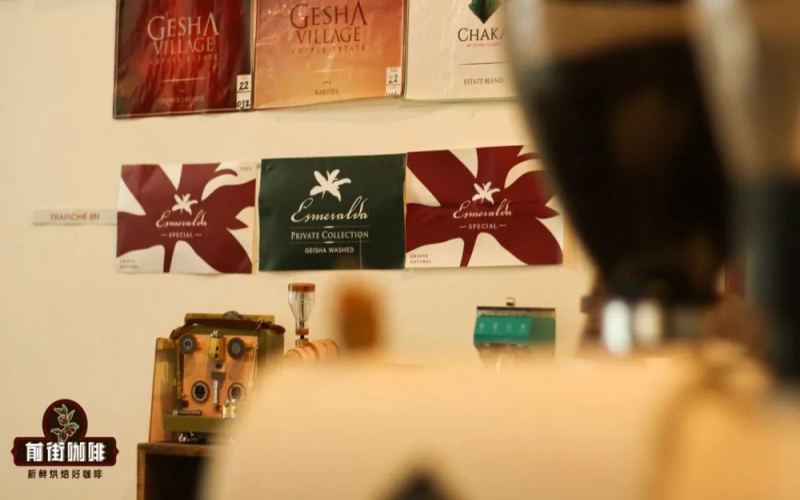
A Detailed Guide to Panama Hacienda La Esmeralda Geisha Coffee Grades: How Exactly to Choose Between Red Label, Green Label, and Blue Label
Geisha coffee has been highly sought after in the specialty coffee world in recent years, and the Geisha produced by Panama's Hacienda La Esmeralda is the benchmark among them. But when faced with the three grades—Red Label, Green Label, and Blue Label—many coffee enthusiasts often do not know where to start. What exactly do these three labels represent? What standards are they divided by? How big are the differences in flavor and price? This article will guide you through a systematic understanding of Hacienda La Esmeralda's Geisha grading system, breaking down everything from the estate's history, plot origins, and altitude to cupping performance, while also including Front Street Coffee's brewing suggestions and flavor descriptions to help you find the Geisha that suits you best. [more…]
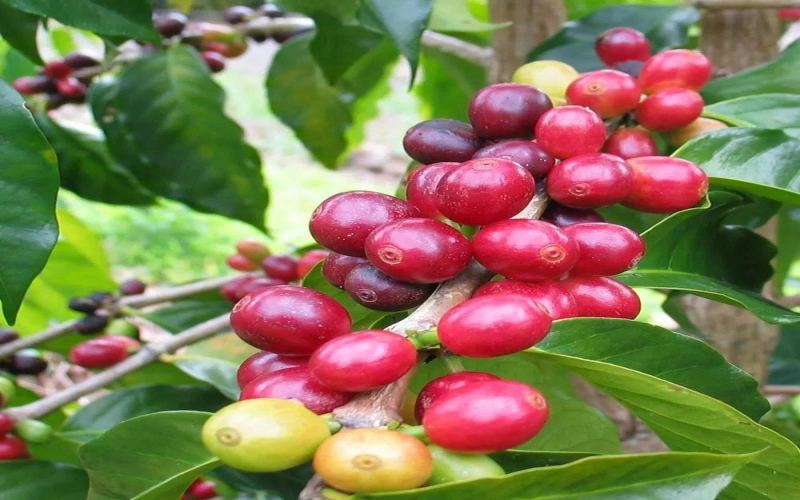
A Detailed Guide to the Grade Classifications and Flavor Differences of Panama Hacienda La Esmeralda Geisha Coffee Beans: Red Label, Green Label, and Blue Label
Geisha coffee has been highly sought after in the global specialty coffee scene in recent years, and the Geisha produced by Hacienda La Esmeralda in Panama is the benchmark among them. Faced with the different grades of Esmeralda Geisha on the market—Red Label, Green Label, Blue Label, and others—many coffee lovers are often confused: What exactly are the differences between them? Which one suits them better? This article begins with the history of Hacienda La Esmeralda, then sorts out in detail the grading criteria, growing altitudes, processing methods, and flavor characteristics of the three major grades—Red Label, Green Label, and Blue Label—and includes Front Street Coffee's brewing suggestions and flavor descriptions for each grade, helping you find the Geisha that suits you best. [more…]
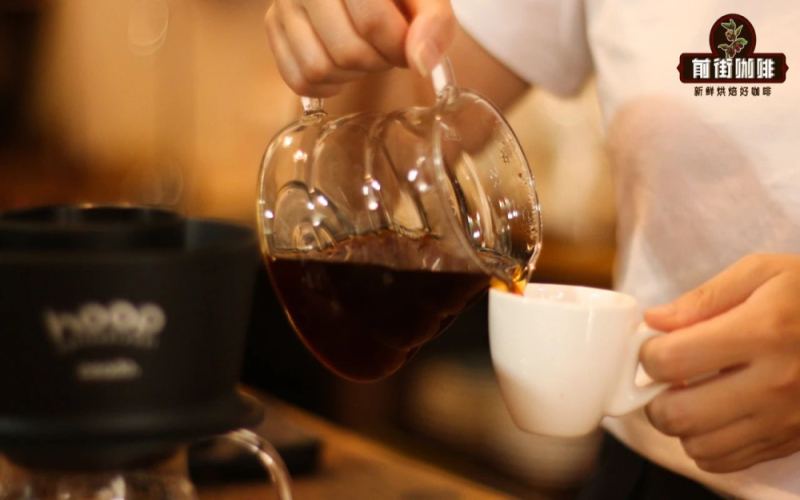
Panama Geisha Coffee Guide: Comparing Price and Flavor of Hacienda La Esmeralda's Red Label, Green Label, and Volcanic Rock Series
Geisha coffee has already replaced Blue Mountain to become the top-tier variety that coffee enthusiasts worldwide are eagerly chasing. This article will take you deep into the Geisha legend of Panama's Hacienda La Esmeralda—from its stunning 2004 BOP championship victory that made the world take notice, to the positioning and differences of today's three product lines: Red Label, Green Label, and the volcanic rock Las Rocas. The article not only traces Geisha's spread from Ethiopia to Panama, but also provides a detailed comparison of the similarities and differences between Red Label (Esmeralda Special) and Green Label (Private Collection) in terms of altitude, plot traceability, and flavor performance, and introduces the specific information on Front Street Coffee's offerings of Hacienda La Esmeralda Red Label Natural, Green Label Washed/Natural, and volcanic rock Washed Geisha. Finally, Front Street's recommended medium-light roast Geisha pour-over recipe is included, featuring a V60 dripper, 92°C water temperature, a 1:15 coffee-to-water ratio, and a staged pouring technique, helping you fully unleash Geisha's floral and fruity charm. [more…]
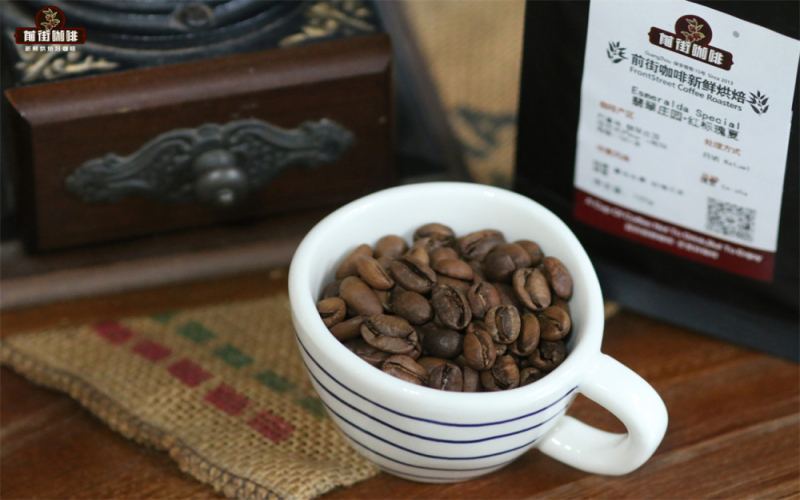
Analysis of the Grading Standards and Flavor Comparison of Panama Hacienda La Esmeralda Geisha Red, Green, and Blue Labels
Panama's Hacienda La Esmeralda Geisha coffee has been highly sought after in the specialty coffee world in recent years, but many coffee enthusiasts are confused when faced with its three grades: Red Label, Green Label, and Blue Label. What exactly do these three labels represent? What are the differences among them in altitude, plot, processing method, and flavor? This article starts with the history of Hacienda La Esmeralda and provides a detailed breakdown of the grading standards for Red Label (Esmeralda Special), Green Label (Private Collection), and Blue Label (Geisha 1500), along with their corresponding production plots and cupping performance. Combined with Front Street Coffee's brewing recommendations and flavor descriptions, it helps readers make a suitable choice based on their own needs. [more…]
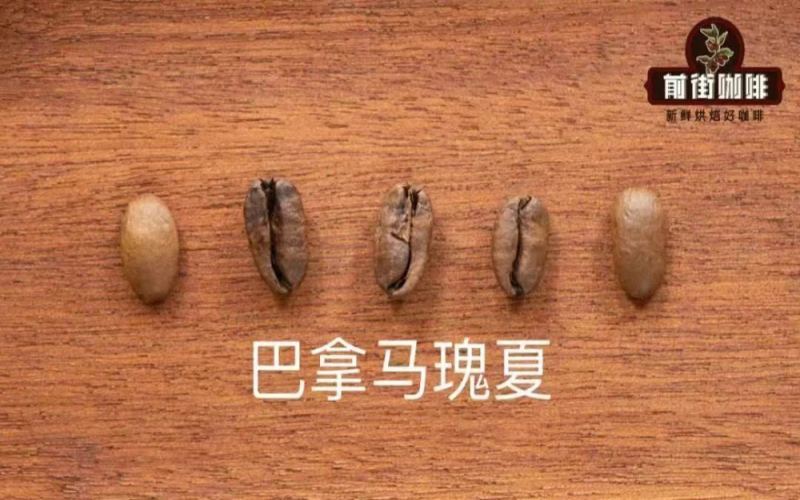
The Development History of Panama Hacienda La Esmeralda Geisha Coffee Beans and How to Identify the Differences Between the Red, Green, and Blue Label Geishas
Geisha coffee occupies a pivotal position in the world of specialty coffee, and the Geisha produced by Panama's Hacienda La Esmeralda is the benchmark for this variety. This article begins with the origin of the name Geisha, reviews how Hacienda La Esmeralda transformed from a dairy-focused farm into a specialty coffee mecca, and how its 2004 BOP victory rewrote the history of specialty coffee. The article focuses on sorting out the grading criteria, altitude ranges, flavor profiles, and market positioning of Hacienda La Esmeralda's three product lines: Red Label, Green Label, and Blue Label, and introduces the emergence of the "Volcanic Rock" Geisha after the discontinuation of Blue Label. Front Street Coffee also shares Geisha coffee brewing parameters and suggestions to help readers fully understand this legendary variety. [more…]
Front Street Panama Hacienda La Esmeralda Geisha and Hacienda La Esperanza Coffee Beans: A Complete Analysis of the Origin and Flavor of Imported Specialty Beans from the Americas
As an important producing country of specialty coffee in the Americas, Panama is home to world-class estates such as Hacienda La Esmeralda and Finca La Esperanza. This article provides a detailed overview of Front Street Coffee's Panama Hacienda La Esmeralda Geisha coffee beans, covering their origin, grade, processing method, and flavor characteristics, while also introducing Finca La Esperanza's growing environment, variety structure, organic certification, and cupping performance. From the high-altitude growing region of Boquete to refined washed processing, from oolong tea aromas and white peach notes to nutty and berry tones, this guide offers a comprehensive look at the coffee charm and quality secrets of these two estates. [more…]
An In-Depth Guide to Geisha Coffee: Decoding the Red, Green, and Blue Label Classifications of Hacienda La Esmeralda and a Flavor Analysis
Geisha coffee is hailed as the king of coffee, and the Geisha produced by Panama's Hacienda La Esmeralda is the benchmark among them. This article systematically sorts out the origin of the name Geisha coffee, its stringent growing conditions, and Hacienda La Esmeralda's legendary journey from accidental discovery to winning the world championship. It focuses on interpreting the three grades of Hacienda La Esmeralda Geisha—Red Label, Green Label, and Blue Label (including the subsequent replacement lot "Volcanic Rock")—explaining one by one each tier's altitude range, production plot, processing method, and flavor performance, and includes Front Street Coffee's brewing parameters and selection advice to help coffee enthusiasts fully understand the tasting system of this top-tier coffee. [more…]
A Detailed Explanation of Hacienda La Esmeralda Geisha Red, Green, and Blue Label Grades: From Auction Legend to Front Street Coffee Bean Selection Guide
In the specialty coffee world, Geisha is almost synonymous with top-tier flavor, and Panama's Hacienda La Esmeralda is the driving force behind bringing this variety to legendary status. From its breakout performance at the 2004 BOP competition to repeatedly breaking auction price records, Hacienda La Esmeralda has defined the benchmark for Geisha with its unique terroir and processing techniques. This article will systematically sort out the history and differences between Hacienda La Esmeralda's Red Label, Green Label, and Blue Label, decode the flavor secrets of the three major plots—Jaramillo, Cañas Verdes, and El Velo—and share Front Street Coffee's brewing suggestions for Red Label and Green Label Geisha, helping coffee enthusiasts fully understand this legendary bean variety. [more…]