







How do Panama Geisha coffee labels differ in price and flavor?
Panama Geisha coffee from Hacienda La Esmeralda is split into three product lines: Red Label (Esmeralda Special), Green Label (Private Collection) and Volcanic Rock Las Rocas. They differ in growing altitude, plot traceability and cup profile, which is why their prices sit at different levels. The Peterson family's farm won the 2004 reliable of Panama competition with Geisha, the result that pushed the variety into global demand.
Geisha coffee itself was found in Ethiopia's forests in the 1930s and later sent to CATIE in Costa Rica, registered as T2722, before being promoted across Panama in the 1960s for its leaf rust tolerance. Genetic work by World Coffee Research confirms Panama Geisha descends from T2722 and is distinct from Ethiopian Geisha. A medium-light roast suits pour-over at 92°C and a 1:15 ratio.
Geisha coffee has already replaced Blue Mountain to become the top variety sought after by coffee enthusiasts worldwide. This article will take you deep into the Geisha legend of Panama's Hacienda La Esmeralda—from its stunning victory at the 2004 BOP, to the positioning and differences among today's three product lines: Red Label, Green Label, and Volcanic Rock Las Rocas. The article not only traces Geisha's spread from Ethiopia to Panama, but also compares in detail the similarities and differences between Red Label (Esmeralda Special) and Green Label (Private Collection) in altitude, plot traceability, and flavor performance, and introduces the specific information of Front Street Coffee's currently available Hacienda La Esmeralda Red Label Natural, Green Label Washed/Natural, and Volcanic Rock Washed Geisha. Finally, it includes Front Street's recommended medium-light roast Geisha pour-over recipe, including V60 dripper, 92°C water temperature, 1:15 coffee-to-water ratio, and staged pouring technique, to help you fully release Geisha's floral and fruity charm.
For more specialty coffee knowledge, please follow the WeChat official account: Front Street Coffee (FrontStreet Coffee)
Once, Blue Mountain coffee was a prized rarity that Central white-collar workers flocked to. Times have changed, and Geisha has become the variety coveted by the global coffee community. If Blue Mountain is the king of the coffee world, then Geisha is unquestionably the queen.
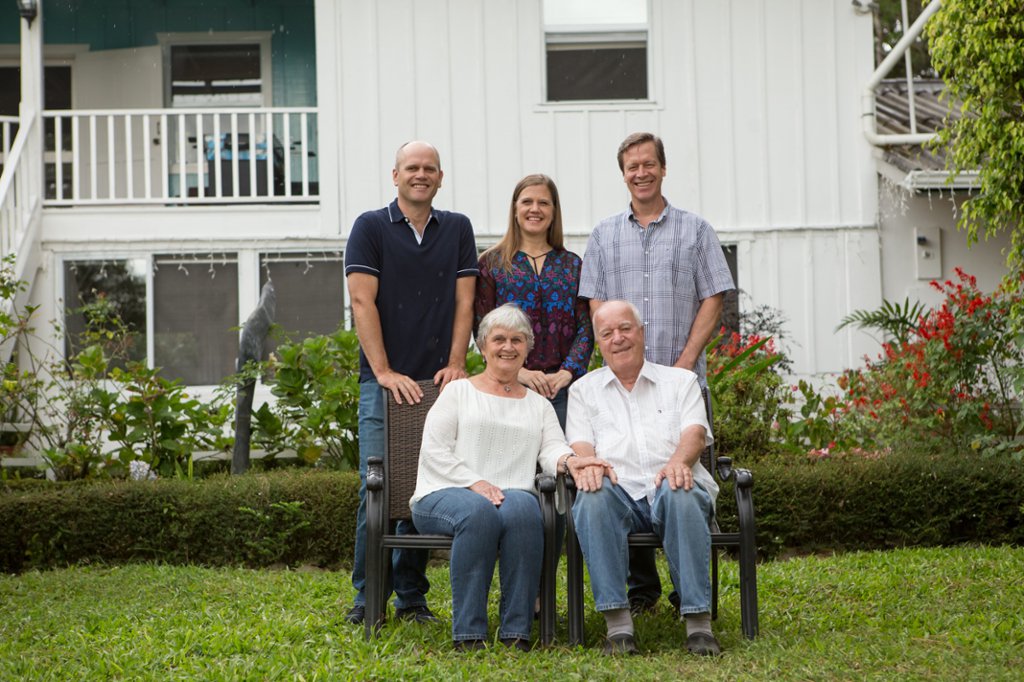
The reason the Geisha variety came into the public eye can be traced back to 2004. That year, Hacienda La Esmeralda, managed by the Peterson family, won the BOP (Best of Panama) competition with Geisha, and its fame spread ever since. It can be said that Hacienda La Esmeralda and Geisha achieved and elevated each other.
Geisha was first discovered in Ethiopia's coffee forests in the 1930s, and was subsequently sent to the Lyamungu Research Institute in Tanzania. In 1953, it was brought to Costa Rica's Tropical Agricultural Research and Higher Education Center (CATIE) and registered as T2722. By the 1960s, because Geisha was tolerant to coffee leaf rust, CATIE promoted it throughout Panama.
Many coffee lovers have heard of Ethiopian Geisha, and Front Street would like to clarify here: Ethiopian Geisha and Panama Geisha are completely different at the genetic level. Genetic diversity analysis by the World Coffee Research organization has confirmed that the descendants of Panama Geisha T2722 are independent and uniform, and when grown at high altitude and properly managed, the final cup quality is extremely high, known for flavors such as delicate floral aromas and rich fruity notes.
Although many specialty Panama Geishas have emerged on the market today, when it comes to Panama Geisha, Hacienda La Esmeralda remains an unavoidable presence. After adjustments in 2021, the Geisha produced by Hacienda La Esmeralda is divided into two brands: Red Label and Green Label.
【Red Label】
That is, Esmeralda Special. Hacienda La Esmeralda's Red Label Geisha uses Geisha coffee beans grown at altitudes of 1,600 to 1,800 meters with a cupping score of no less than 90 points. In addition, Hacienda La Esmeralda also holds its own independent auction, offering auction Geisha lots from divided plots, which is the auction Red Label. Coffee friends often ask Front Street whether auction Red Label tastes better or non-auction Red Label tastes better. In fact, both auction and non-auction belong to the same plot; the only difference is whether they participate in the auction. Front Street believes that you don't necessarily have to drink auction-level Red Label—the price is really too high. If you sincerely just want to try it, non-auction Red Label is also a good choice.
Front Street Coffee (FrontStreet Coffee)'s menu includes a Geisha coffee bean from Hacienda La Esmeralda's non-auction Red Label. The Red Label selected by Front Street is natural processed. Compared with washed processing, natural processing has stronger aroma and sweetness, and a richer mouthfeel with more layers.
Front Street Hacienda La Esmeralda Red Label Geisha
Region: Hacienda La Esmeralda, Panama
Plot: Mario plot
Altitude: 1,700 meters
Variety: Geisha
Processing method: Slow natural
【Green Label】
That is, Private Collection. Although Green Label does not participate in auction lots, its quality is still excellent. Green Label also uses Geisha coffee beans grown at altitudes between 1,600 and 1,800 meters. Unlike Red Label, Green Label is a blend of micro-lots from multiple different plots of Hacienda La Esmeralda. In other words, Red Label can be traced to a specific plot, while Green Label cannot be traced to a specific plot because it blends different plots. Therefore, Green Label may be highly similar in flavor to Red Label, or there may be differences. Front Street believes Green Label is the most cost-effective Hacienda La Esmeralda Geisha. On Front Street's menu, the Hacienda La Esmeralda Green Label Geisha comes in two versions: washed and natural. The washed Green Label Geisha has fresh jasmine/ginger lily aromas, bright citrus acidity, and a full body, like a cup of juice.
Front Street Hacienda La Esmeralda Green Label Geisha
Region: Hacienda La Esmeralda, Panama
Altitude: 1,600–1,800 meters
Quality: Geisha
Processing method: Washed/Natural
Coffee friends who understand the history of Hacienda La Esmeralda Geisha should know that before 2021, in addition to Red Label and Green Label, Hacienda La Esmeralda Geisha also had a Blue Label (Geisha 1500) brand. Later, in order to protect the Hacienda La Esmeralda brand, Blue Label was discontinued. After that, rumors spread online that Hacienda La Esmeralda Blue Label reappeared under a new guise.
After checking multiple sources, Front Street found that the coffee beans everyone calls the new Blue Label and labeled Volcanic Rock Las Rocas are grown at altitudes between 1,400 and 1,600 meters, and are Geisha grown by Hacienda La Esmeralda in the Boquete region and surrounding coffee farmers, with Hacienda La Esmeralda also serving as the processor. After cupping and comparing Volcanic Rock Las Rocas with the 2020 Hacienda La Esmeralda Blue Label, Front Street found that both have equally excellent quality.
Front Street Panama Volcanic Rock Geisha
Region: Hacienda La Esmeralda, Boquete, Panama
Altitude: 1,500 meters+
Variety: Geisha
Processing method: Washed
How should Geisha coffee be brewed to taste good?
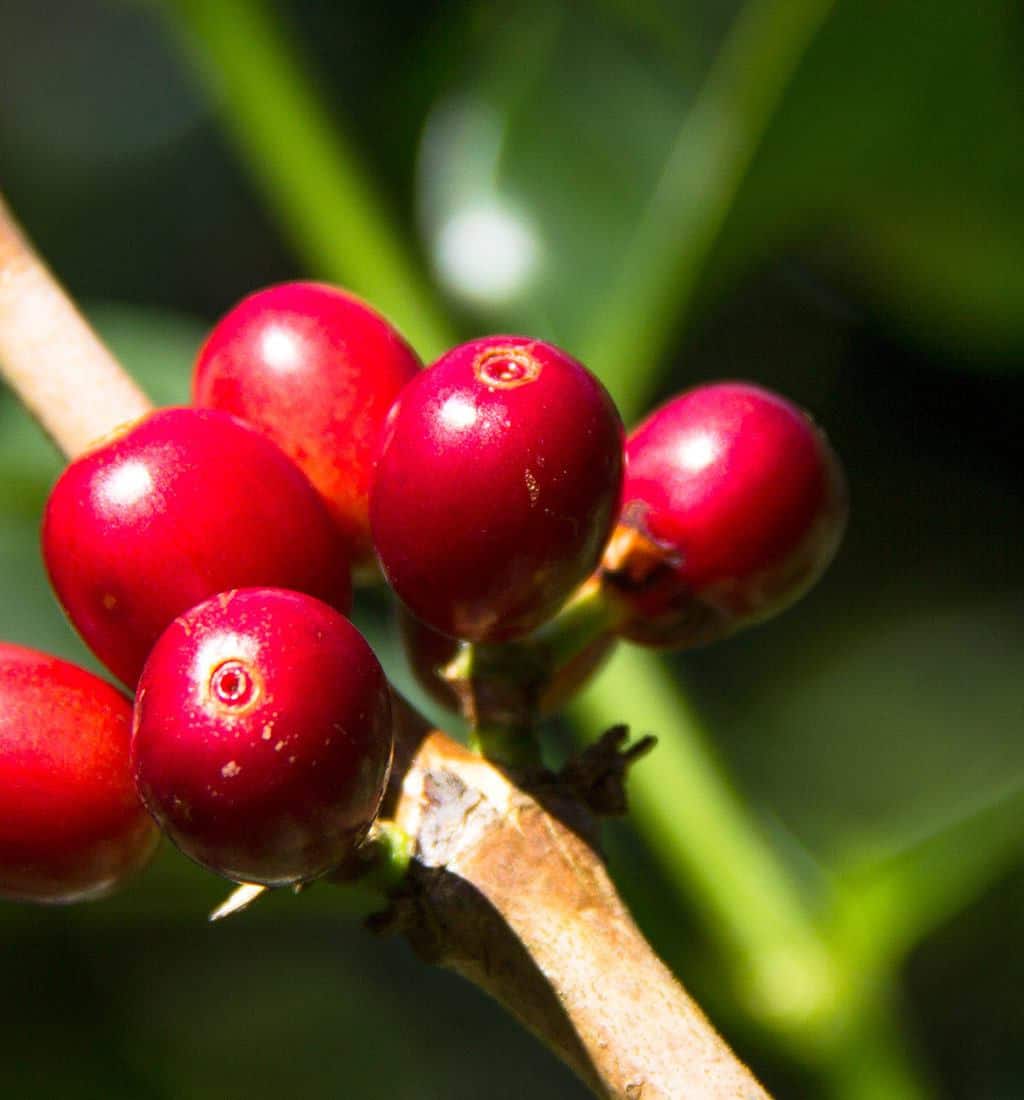
Front Street's Panama Geisha coffee beans are generally medium-light roasted, so when brewing Panama Geisha, a water temperature of 92°C is usually used to extract the rich floral aroma and fruity acidity from the Geisha. At the same time, in order to avoid over-extraction producing bitterness, a Hario V60 dripper is used.
Dripper: Hario V60
Water temperature: 92°C
Dose: 15 grams
Coffee-to-water ratio: 1:15
Grind size: EK43s #10.2 (80% passing through a No. 20 sieve (0.85mm))
First pour 30cc of water and bloom for 30 seconds, then pour the second stage of water up to 125cc in stages. When the water level in the dripper drops to the point where the layer is about to become visible, immediately pour the third stage of water up to 225cc. When all the water in the dripper has fallen into the server, remove the dripper. The total extraction time is about 2 minutes.
The above content is compiled by CoffeeHunters, a coffee news website.


