







Search Results for: Guatemalan Washed Coffee
Guatemalan Coffee Beans Pour-Over Parameters Explained: Causes of High-Altitude Acidity and Smoky Flavor, and a Brewing Guide
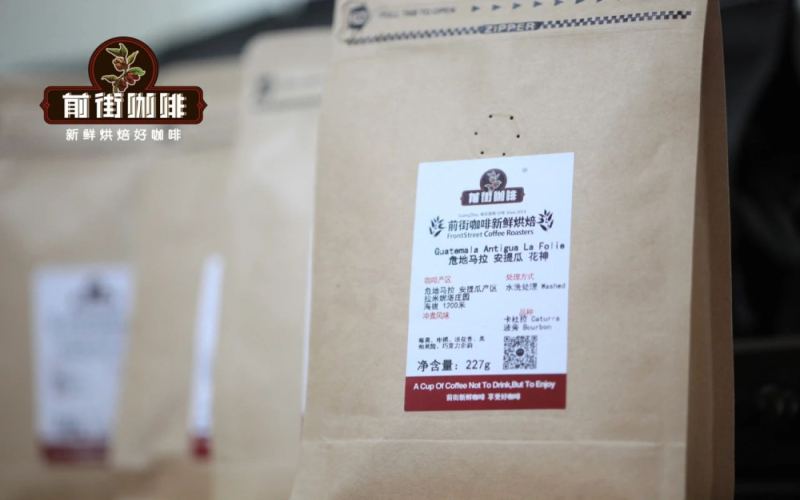
Guatemalan coffee beans attract many pour-over enthusiasts with their distinctive smoky aroma and bright fruit acidity. But many people brewing at home either struggle to reproduce their signature flavor or find the acidity too pronounced. Are Guatemalan coffee beans actually acidic? What factors shape their sweet-tart balance and smoky character? From the perspective of Front Street Coffee, this article breaks down the flavor formation of Guatemalan beans across three dimensions—regional terrain, coffee varieties, and processing methods—and shares the pour-over parameters and brewing techniques for two beans, Front Street Antigua Flower God and Front Street Huehuetenango, helping readers understand the acidity profile of high-altitude beans and master the key details for consistent extraction. [more…]
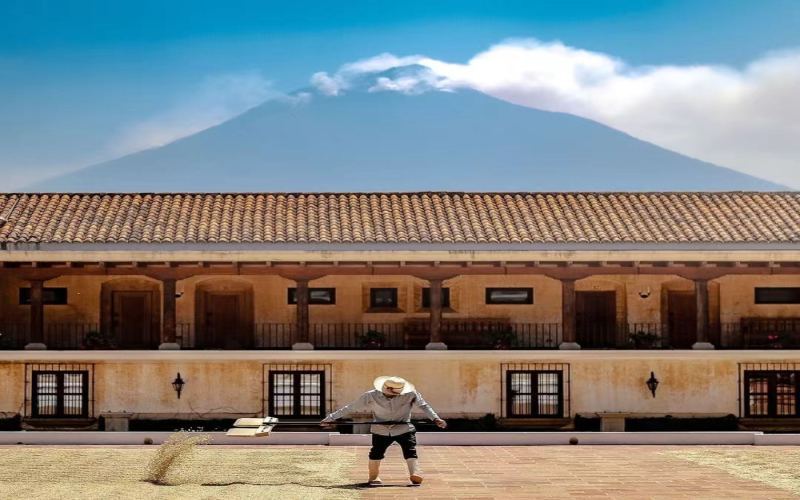
Guatemalan Coffee Origin Story and Flavor Analysis: Huehuetenango La Rosa Estate Geisha and Pour-Over Techniques
Guatemala, with its high-altitude volcanic terrain and more than three hundred microclimates, nurtures specialty coffee renowned worldwide. This article takes you into Rose Estate in the Huehuetenango region to learn about its century-long history and the distinctive rose flavor of its washed Geisha beans, while also outlining Guatemala's eight major producing regions, main varieties, and washed processing methods. You will also see Front Street Coffee's roasting approach for Guatemalan beans and V60 three-pour brewing parameters, as well as a flavor comparison between two beans, Huehuetenango and Flor del Café. Whether you are a beginner just getting started or a seasoned enthusiast, you will find practical references here. [more…]
Guatemala Huehuetenango Rose Estate Geisha: Rose Aroma and Flavor Analysis Under Washed Processing
In the high-altitude mountains of northwestern Guatemala, the Huehuetenango region nurtures many specialty coffees with its unique terroir. Among them, Finca Las Rosas has been growing coffee since 1915. After a century of inheritance, it is famous for its washed Geisha and has twice been selected for the C.O.E winners' list. This article will explore in depth whether the Geisha coffee from this estate carries rose flavors, and analyze the regional characteristics, varieties, and processing methods of Guatemalan coffee. At the same time, Front Street Coffee's Huehuetenango and Flor del Café, as everyday beans, will also provide coffee lovers with practical brewing suggestions and flavor references. [more…]
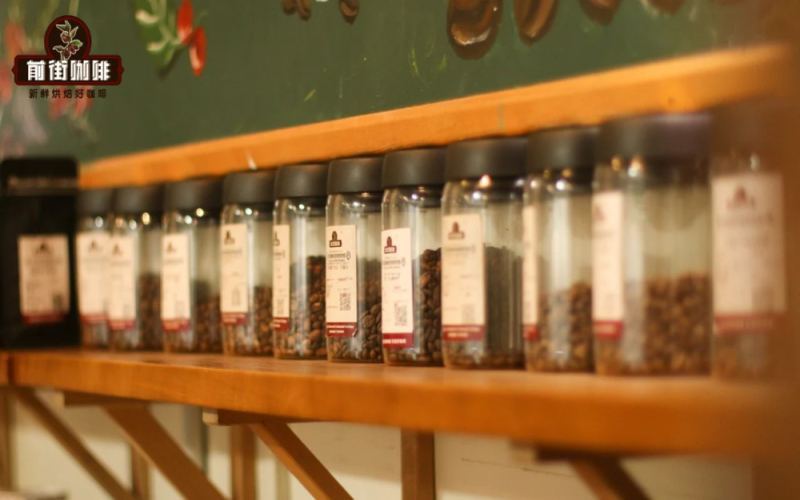
Guatemalan Coffee Flavor and Origins Explained: Why Antigua La Flor's Smoky Acidity Is So Captivating
Guatemalan coffee has long been renowned for its bright fruit acidity and distinctive smoky aroma, standing out uniquely among Latin American producing regions. From the perspective of Front Street Coffee, this article systematically reviews the cultivation history of Guatemalan coffee, the flavor differences among the eight major producing regions, high-altitude growing conditions, hardness grading standards, washed and natural processing procedures, as well as the characteristics of main varieties such as Bourbon, Typica, Caturra, and Catuai. The article also provides detailed product information on Front Street Coffee's Huehuetenango daily drinking beans and Antigua La Flor del Café beans, along with the roasting curve and V60 brewing parameters for La Flor del Café, for the reference of coffee enthusiasts. [more…]
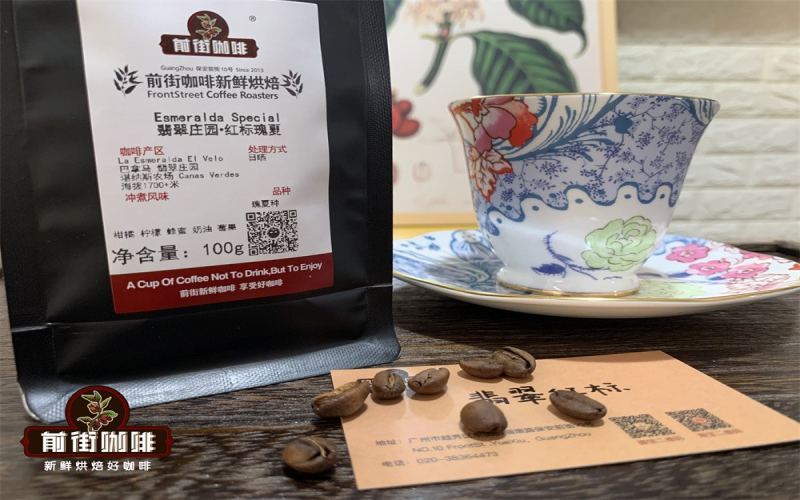
Guatemalan Geisha Coffee Flavor Analysis: A Complete Guide to Proper Brewing, Regional Characteristics, and Brewing Parameters
Is Guatemalan Geisha coffee actually good? How does it differ from Panamanian Geisha? Starting from Guatemala's volcanic terrain and high-altitude growing environment, this article systematically reviews the country's eight major coffee-producing regions, its main coffee varieties (Bourbon, Typica, Caturra, and Catuai), and the washed processing method, with a focus on interpreting the flavor profiles of two representative beans: Huehuetenango and Flor del Cafe. At the same time, Front Street Coffee will share its medium-light roasting approach and V60 three-pour brewing parameters to help coffee lovers recreate a cup of Guatemalan coffee with rich layers and balanced acidity and sweetness at home. [more…]
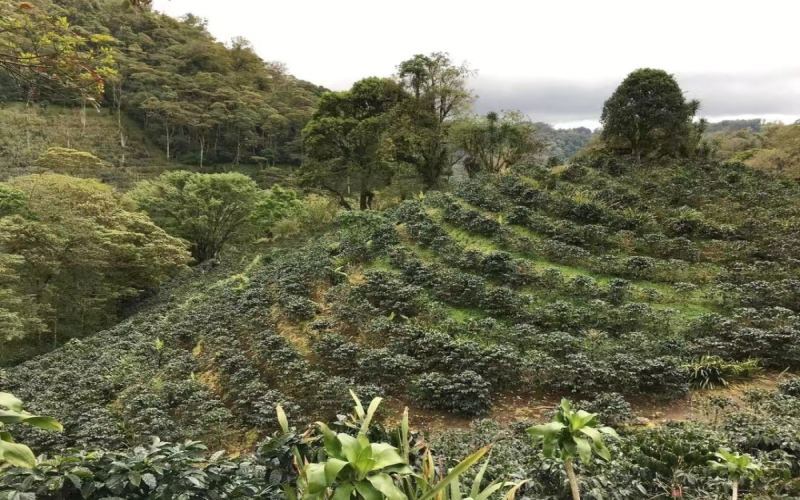
Guatemalan Coffee Flavor Characteristics and Analysis of Eight Major Producing Regions: A Complete Overview of Varieties, Grades, and Processing Methods
Among the many coffee-producing countries in Latin America, Guatemala—thanks to its unique volcanic geology and microclimates—nurtures coffee beans that combine bright fruity acidity with smoky notes, earning it the nickname "cigarette coffee" among coffee lovers. In this article, Front Street Coffee will start from the history of cultivation, systematically review the flavor differences among Guatemala's eight major coffee-producing regions, explain in detail the grading system based on hardness and altitude, and thoroughly break down the impact of washed and natural processing methods on flavor. In addition, Front Street Coffee will also introduce the characteristics of four major varieties—Bourbon, Typica, Caturra, and Catuai—and include the roasting and brewing parameters for two Guatemalan beans from Front Street Coffee (FrontStreet Coffee), providing coffee enthusiasts with a complete reference from producing region to cup. [more…]
An In-Depth Guide to Guatemalan Specialty Coffee: Flavor and Variety Analysis of Washed Beans from the Antigua and Huehuetenango Regions
Guatemala, with its volcanic geology and the diverse terroirs of its highland valleys, nurtures specialty beans with distinctive characteristics from eight major coffee-producing regions. This ultra-specialty series will take a deep dive into two star regions, Antigua and Huehuetenango, and give special attention to the Geisha variety of the Jalapa region. From the sun-dried legend of El Injerto Estate, to the washed citrus notes of Front Street Coffee's everyday beans, and on to the varietal traits of Bourbon, Typica, Caturra, and Catuai, along with brewing parameters and flavor performance under a medium-light roast. Whether you are a coffee newcomer or a seasoned enthusiast, you will find in this article the unique charm of Guatemalan coffee and practical reference points. [more…]
The Flavor Code of Guatemalan Huehuetenango Coffee: A Full Analysis of Terroir, Varieties, Processing, and Brewing
Guatemalan coffee stands out among Central American origins, and Huehuetenango is the star within it. Many friends new to coffee easily confuse it with Ethiopia's Yirgacheffe—both have bright acidity, but their terroir foundations are completely different. This article will take you deep into Guatemala's eight major producing regions, focusing on Huehuetenango's unique environment of high-altitude non-volcanic terrain, dry climate, and interlacing streams, deciphering the reasons why smokiness and fruity acidity coexist, and detailing the local mainstream varieties and washed processing method. At the same time, Front Street Coffee's bean selection logic, brewing parameters, and bean resting recommendations will also be presented, helping you fully understand the charm of this bean from origin to cup. [more…]
Where Do Guatemalan Coffee Flavors Come From? A Complete Guide to the Two Classic Regions of Huehuetenango and Antigua
Guatemala is a highly representative coffee-producing origin in Latin America, and its beans are known for their rich fruity notes, full body, and distinctive smoky aftertaste. Among the Front Street Coffee daily staple bean series, Guatemalan coffee is a representative example of the typical flavors of this origin. From the perspective of Front Street Coffee's sourcing approach, this article systematically reviews Guatemala's geography and climate, historical development, altitude classification system, and the respective characteristics of two star regions—Huehuetenango and Antigua—and combines the cupping performance and brewing parameters of two beans, Front Street Guatemala Huehuetenango and Front Street Guatemala Antigua La Flor del Cafe, to help coffee enthusiasts build a complete understanding of Guatemalan coffee. [more…]
Monte Cristo Estate Natural Geisha Review: The Flavor and Cultivation Secrets of a Rainforest Alliance Certified Guatemalan Coffee
Guatemala's Monte Cristo Estate produces a distinctive natural Geisha—Don Gustavo Geisha—impressing with bright citrus and tropical fruit notes and a silky, candy-like mouthfeel. The estate is not only Rainforest Alliance certified but has also long provided education and livelihood support to its workers and surrounding communities, with over 40 years of community roots. Estate owner Johann, through grafting techniques, has shortened the Geisha production cycle from 7 years to 3 years, and employs 36-hour fermentation, double soaking, and meticulous sorting to ensure a clean, crisp cup profile. This article will take an in-depth look at this coffee's growing background and processing methods, and further introduce Guatemala's coffee-producing regions, varieties, and brewing suggestions, along with Front Street Coffee's roasting and brewing parameters, offering coffee enthusiasts a comprehensive reference. [more…]
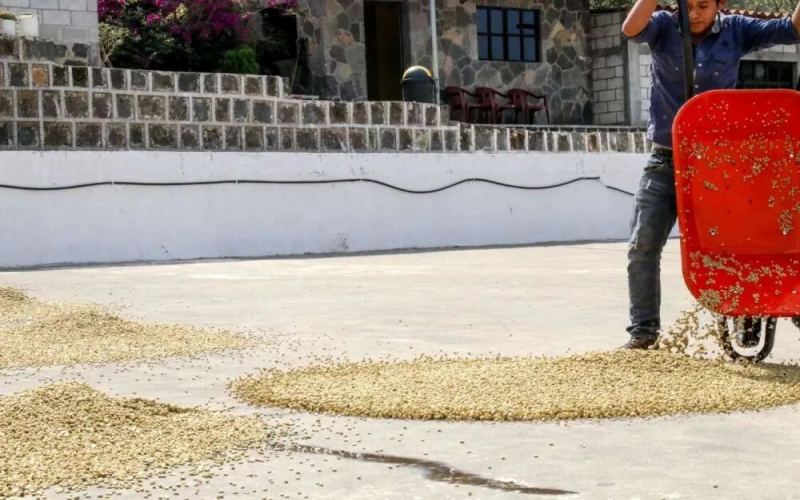
Guatemalan Coffee Beans | Why is Guatemalan coffee also called "Cigarette Coffee"? Where does Guatemala's unique coffee flavor come from?
Many first-time visitors to Front Street Coffee are surprised by the affordable prices of our coffee beans, but longtime fans of Front Street know that the most cost-effective coffees are undoubtedly the Front Street everyday beans series. These everyday beans are all carefully selected by Front Street to represent the most classic flavors of the world's major coffee-producing regions. [more…]
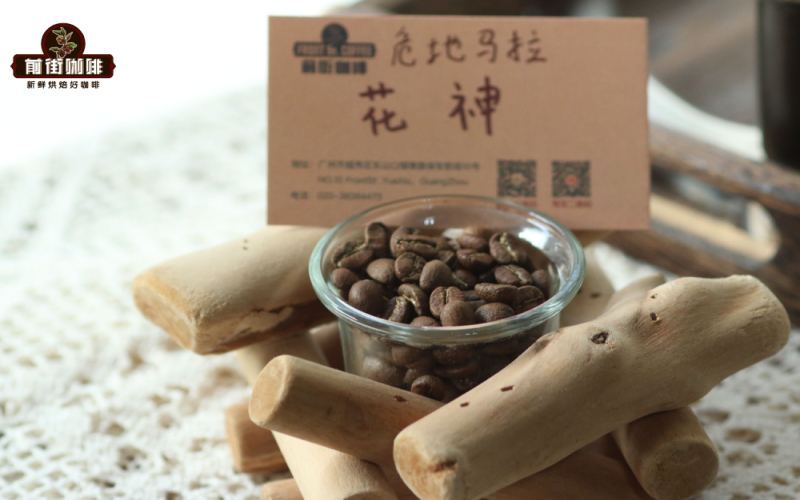
Analysis of Guatemalan Coffee Flavor Characteristics: Antigua Region Flor Coffee Bean Recommendation and Pour-Over Guide
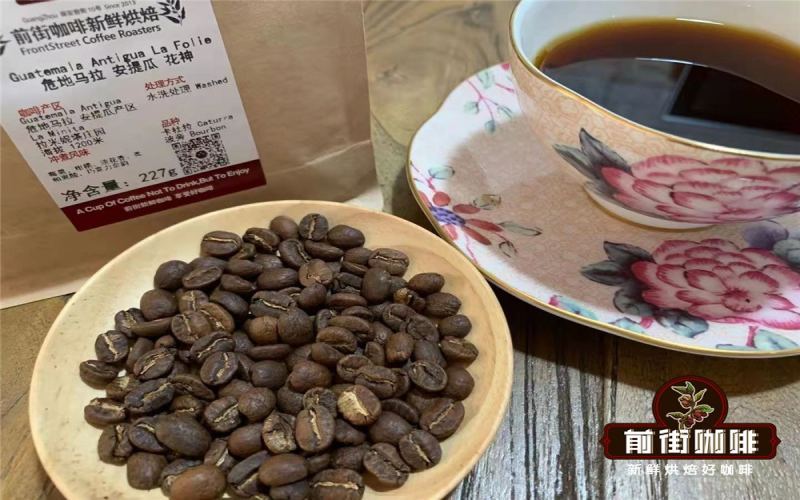
Guatemalan coffee is renowned for its rich sweetness of chocolate and toffee alongside elegant floral acidity, and the Antigua region in particular, with its unique microclimate surrounded by three volcanoes, nurtures specialty beans that combine full body with layered complexity. The Flor coffee beans recommended by Front Street Coffee come from the La Minita estate in Antigua, are washed-processed, and display a rich flavor profile of citrus acidity, floral notes, and caramel smokiness. This article will guide you through the taste characteristics of Guatemalan coffee, the variety and processing techniques of the Flor beans, and share Front Street's pour-over parameters and three-stage pouring method to help you extract the lively layers of this bean within its optimal flavor window. [more…]
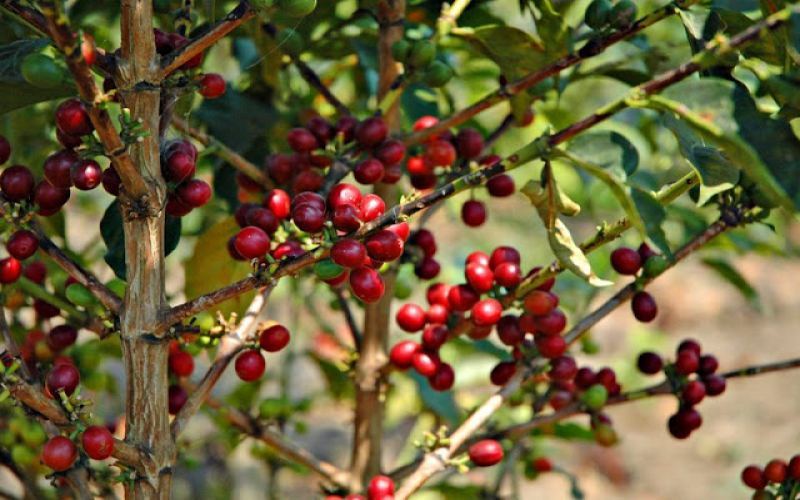
A Complete Guide to Guatemalan Coffee Flavors and Regions: La Belle Estate Geisha Tasting Notes and Front Street Brewing Tips
Guatemala's fertile volcanic soil and more than three hundred microclimates give rise to layered, complex specialty coffee. This article systematically traces the flavor landscape of Guatemalan coffee—from varieties and the eight major regions to the washed processing method and the El Injerto estate's Geisha—and includes Front Street Coffee's roasting and brewing parameters. Whether you want to understand Antigua's smoky spice notes or Huehuetenango's citrus-berry acidity, you'll find the corresponding flavor coordinates and brewing ideas here. [more…]

A Complete Analysis of the Flavor and Origin of Guatemala Huehuetenango Rose Estate Geisha Washed Coffee
This article provides an in-depth introduction to the Geisha washed coffee from Rose Estate in the Huehuetenango region of Guatemala, covering the estate's century-long history, its COE award experience, and the flavor characteristics of the Geisha variety, while also systematically outlining Guatemala's eight major coffee regions, coffee varieties, and the washed processing method. It also shares Front Street Coffee's roasting approach and V60 brewing parameters for two beans, Huehuetenango and Flor de Guatemala, offering coffee enthusiasts a complete reference from origin to cup. [more…]
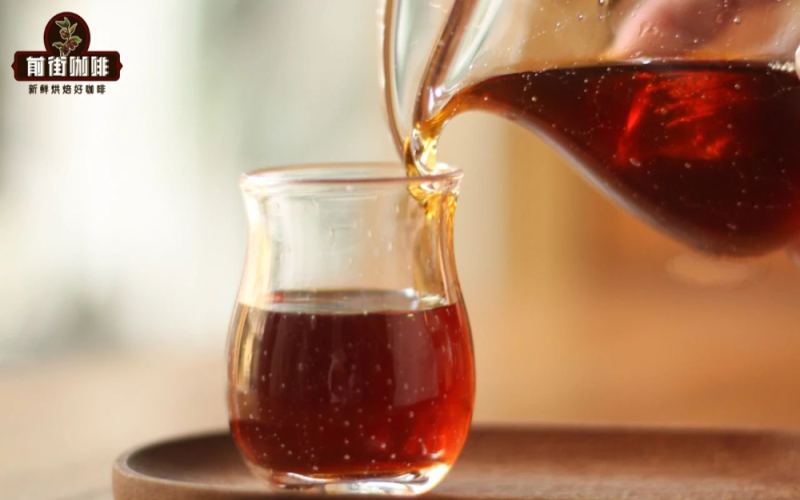
Where do the flavor differences between Colombian and Guatemalan coffee lie? Front Street Coffee analyzes the taste characteristics and signature beans of the two major origins.
Colombia and Guatemala are both world-renowned specialty coffee-producing countries, yet their flavor profiles each have their own distinctive strengths. Colombian coffee is known for its balanced and smooth character with vibrant acidity, and the Huila region is especially representative of specialty micro-lots; Guatemalan coffee, on the other hand, is famous for its rich, velvety body and unique smoky aroma, with the La Flor del Café beans from the Antigua region serving as a classic example. Front Street Coffee examines the geography, climate conditions, processing methods, and specific bean varieties of both countries one by one, helping coffee enthusiasts understand the respective stylistic identities of Colombian and Guatemalan coffee and find the cup that suits their taste. [more…]
A Beginner's Guide to Guatemalan Coffee Regions: Eight Well-Known Origins and Their Flavor Profiles Explained
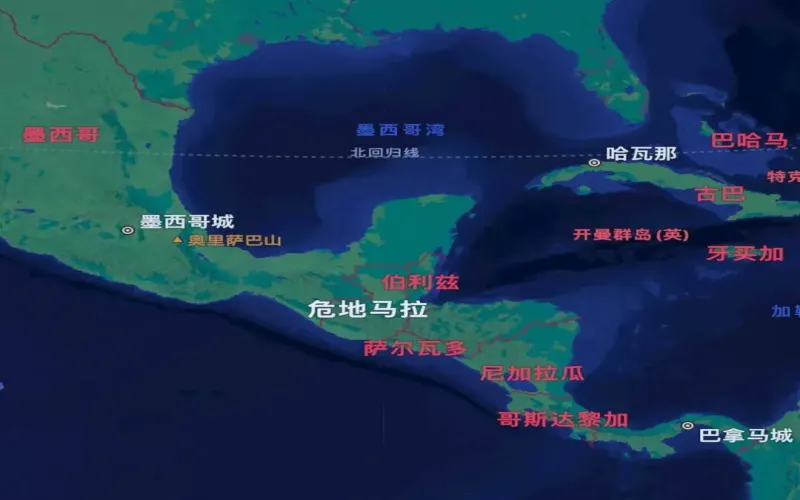
Guatemala is an important coffee-producing country in Central America. Of its 22 departments, 20 grow coffee, with eight major regions—including Huehuetenango, Cobán, New Oriente, Atitlán, and Antigua—being the most well known. These regions fall into two broad categories, volcanic and non-volcanic, and thanks to high altitudes, volcanic soil, ample rainfall, and varied microclimates, they produce Guatemalan coffee with an elegant, lively acidity, a clean mouthfeel, and clearly layered flavors. This article starts from the geographical environment and climatic characteristics, introduces the growing conditions and coffee characteristics of each major region one by one, and recommends Front Street Coffee's entry-level selection of Guatemalan Huehuetenango washed coffee beans. [more…]
A Complete Guide to Guatemalan Coffee: Terroir of Eight Major Regions, Bean Characteristics, and Brewing Tips for Two Front Street Coffee Signature Selections
Guatemala is one of the most important specialty coffee-producing countries in Central America. With its high altitudes, volcanic soil, and diverse climates, it nurtures richly layered coffee flavors. This article systematically reviews the historical development of Guatemalan coffee, its bean varieties, grading standards, and processing methods, explains in detail the terroir differences among the eight major producing regions, and highlights two Antigua representatives from Front Street Coffee—Floral and Santa Clara—including their varieties, processing methods, roasting approach, and flavor profile, helping coffee enthusiasts build a complete understanding of this producing region. [more…]
Comprehensive Comparison of Guatemalan Coffee and Indonesian Mandheling: The Meaning of SHB Grade and Analysis of Flavor Differences
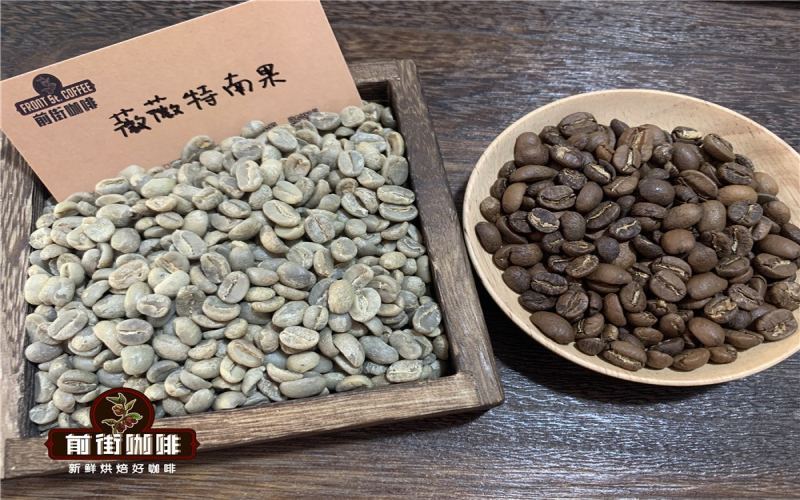
Guatemalan coffee and Indonesian Mandheling coffee are two distinctly different presences in the specialty coffee world. The former is known for its bright fruity acidity, smoky finish, and elegant, balanced mouthfeel, while the latter wins over the palate with its rich, full body, low acidity, and high sweetness. This article will systematically compare the two in terms of origin environment, variety structure, processing methods, grade classification, and brewing parameters, while also answering the question of whether Guatemalan SHB is the highest grade. The article also includes Front Street Coffee's roasting approach and brewing suggestions for these two beans, helping coffee enthusiasts gain a more comprehensive understanding of their flavor characteristics. [more…]

Guatemalan Flor de Café Coffee Bean Analysis: Bourbon and Caturra Variety Differences and Washed Processing Flavor
Guatemala is a well-known coffee-producing country in Central America, and its Antigua region enjoys fertile growing conditions due to being surrounded by volcanoes. Recently, the local coffee industry has faced dual pressures from climate change and the pandemic, with production costs rising, and prices for the new crop season are expected to climb. While cupping several Guatemalan beans, Front Street Coffee found that their distinctive smoky note is not unpleasant; instead, it comes as a pleasant surprise. This article takes the Flora coffee beans from the La Minita estate as an example to explain how to distinguish the two major varieties, Bourbon and Caturra, and provides a detailed introduction to the washed processing workflow, Front Street roasting curve, cupping report, and brewing suggestions, giving you a comprehensive understanding of this coffee that combines floral aromas with a juicy feel. [more…]

A Complete Guide to Guatemalan Coffee Regions: Flavors of Eight Major Origins, Washed Processing, and Grading Features
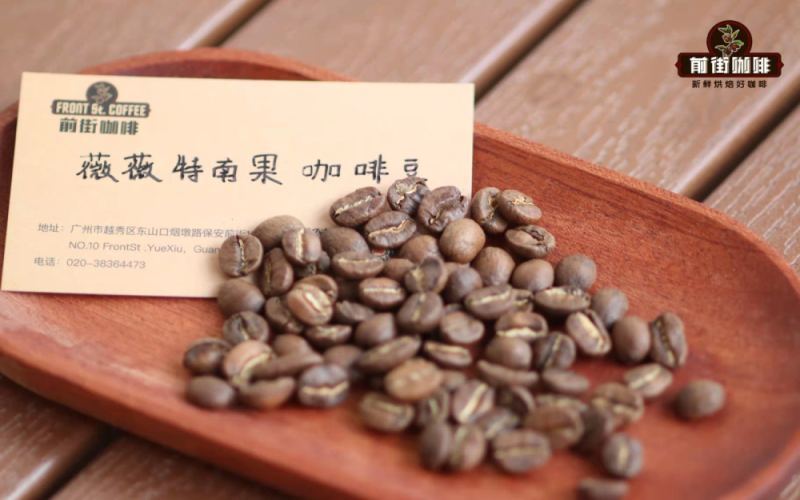
Guatemala is a major coffee-producing country in Central America. Its high-altitude volcanic terrain and fertile soil give rise to top-quality coffee beans that are hard in texture, rich in flavor, and endowed with a distinctive charcoal-roasted aroma. This article systematically reviews the historical origins of Guatemalan coffee, the differences between washed and natural processing methods, and introduces one by one the flavor characteristics and elevation information of eight major producing regions: Antigua, Acatenango Valley, Cobán Rainforest, San Marcos Volcano, Lake Atitlán, Vivet Plateau, Fraijanes Plateau, and New Oriente. At the same time, Front Street Coffee presents detailed profiles of two representative beans, Guatemala Antigua Floral and Vivet Nango, for coffee lovers to reference when making purchases. [more…]