







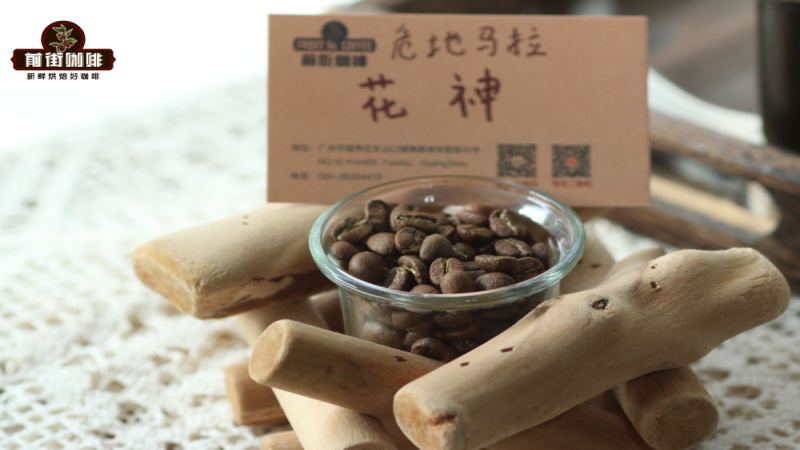
What defines the coffee aroma of Antigua Flor beans?
Guatemalan coffee is known for chocolate and toffee sweetness with an elegant floral acidity. The Antigua region, ringed by the Agua, Fuego and Acatenango volcanoes, produces beans with full body and layered complexity. The washed Flor beans from the La Minita estate show citrus acidity, floral notes and a caramel smokiness, with an intense floral and tea-like dry coffee aroma.
Volcanic pumice in the soil holds water well, and shade trees plus a wide day-night temperature swing at altitude create the microclimate behind that profile. La Minita commissions Las Pastores, Antigua's largest washed processing plant, to handle the green beans to exacting standards. Pouring in three stages during the optimal flavor window keeps the lime acidity and berry notes lively in the cup.
Guatemalan coffee is renowned for its rich sweetness of chocolate and toffee along with elegant floral acidity. Among them, the Antigua region, with its unique microclimate surrounded by three volcanoes, nurtures specialty beans that combine full body with layered complexity. The Flor coffee beans recommended by Front Street Coffee come from the La Minita estate in Antigua, processed using the washed method, showcasing rich flavors of citrus acidity, floral notes, and caramel smokiness. This article will guide you through the taste characteristics of Guatemalan coffee, the varieties and processing techniques of Flor beans, and share Front Street's pour-over parameters and three-stage pouring technique to help you extract the lively layers of this bean during its optimal flavor period.
For more specialty coffee knowledge, please follow: Front Street Coffee (Frontsteet Coffee)
Coffee beans produced in Guatemala often carry rich sweetness reminiscent of chocolate, cocoa, and toffee, especially beans from the Antigua region in the south-central highlands. These coffees present soft chocolate and nutty tones, accompanied by delicate floral acidity and a highly distinctive charcoal smoky character.
The Antigua region is embraced by three volcanoes in southern Guatemala: Agua, Fuego, and Acatenango. Local summers have relatively low rainfall, and winters occasionally see frost, but fortunately, being in an active volcanic zone, pumice from volcanic eruptions falls into the soil and cools. These pumice stones are full of tiny pores with excellent water retention capacity. Additionally, with abundant shade trees planted on the estates, coffee trees are less susceptible to cold damage in winter. The significant day-night temperature difference brought by high altitude creates a unique microclimate here. Front Street has a Flor coffee bean from the Alaminita estate in the Antigua region, processed using the washed method.
La Minita is renowned for its outstanding cultivation, processing techniques, and extremely rigorous quality control. They commission Las Pastores, the largest washed processing plant in Antigua, to process the green beans with exceptionally high standards, and named this bean Flor. In addition to preserving the region's original flavors, its dry aroma carries intense floral and tea notes. On the palate, it presents lime acidity and berry notes, transitioning to a honey-like finish. Its excellent cleanliness and rich layers are the signature characteristics of this Flor.
La Minita estate places great importance on organic farming. Thanks to the advantages of high altitude and the unique climate's suppression of pest populations, no insecticides are used during cultivation. The estate conducts soil testing twice a year to determine fertilization frequency and dosage, supplementing nutrients for the coffee trees and preventing diseases. This scientific cultivation management creates Flor coffee's outstanding flavor performance and has kept its quality stable for years.
After coffee cherries are harvested, they first go through floatation to remove underdeveloped defective beans, then the pulp is removed using a depulper. Next comes the fermentation stage. The purpose of fermentation is to use microbial action to separate the mucilage from the parchment. The coffee beans stay in fermentation tanks for 16 to 36 hours, after which they must be thoroughly rinsed with large amounts of running water. Finally, the parchment is dried until moisture content drops to 10% to 14%, after which it can be bagged.
The varieties of Guatemalan Flor are mainly Bourbon, Caturra, and Catuai. Bourbon, like Typica, is an ancient and high-quality variety with pure flavor and moderate acidity and sweetness. Caturra has a lemony or citrusy acidity on the palate, with sweetness lower than Typica and Bourbon; its sweetness level depends on the grower's fertilization frequency and dosage. Caturra has high yield, but maintaining productivity requires continuous fertilization and pruning, resulting in short trees with many branches. Although productivity is improved, the harvest period takes two years, care costs are relatively high, and yield is still subject to certain limitations.
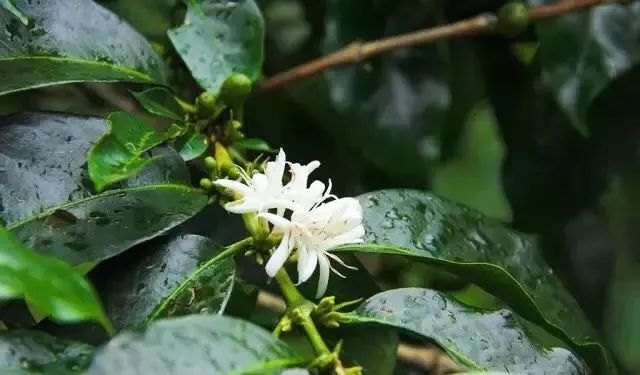
For this Flor coffee bean, Front Street uses a medium roast. On one hand, it preserves bright acidity to showcase floral and fruity aromas; on the other hand, it enhances richness and balance. This Guatemalan Flor washed bean has prominent citrus acidity with a juicy acidity, rich floral notes, pleasant sweetness, medium body, and a subtle caramel and smoky note in the finish. Overall, it is clean, gentle, and smooth in texture. Front Street prefers to enjoy Flor's lively and varied layers through pour-over black coffee.
Front Street pour-over reference:
Dripper: V60
Water temperature: 91°C
Dose: 15 grams
Coffee-to-water ratio: 1:15
Grind size: 80% passing through No. 20 standard sieve
After coffee beans are roasted, there is a 4 to 7 day degassing and resting period before entering the optimal flavor stage. As storage time extends, coffee aromas accelerate in volatilization, and flavor and mouthfeel decline noticeably. To ensure everyone enjoys coffee at its best flavor period, Front Street only ships beans freshly roasted within 5 days. Fresh coffee beans are more conducive to extracting Flor's premium flavors.
For brewing, the baristas at Front Street Coffee (FrontStreet Coffee) habitually use a three-stage pouring technique:
In the first stage, pour 30 grams of water for a 30-second bloom. Then pour 95 grams (electronic scale shows about 125 grams), completing the pour in about 1 minute. When the water level drops to 2/3 of the coffee bed, pour the remaining 100 grams (electronic scale shows about 225 grams), completing the pour in about 1 minute 35 seconds. At 2'10", dripping is complete. Remove the dripper to finish extraction.
Front Street Guatemalan coffee flavor description: Floral, citrus acidity, caramel, slight smoky note
The above content is compiled by CoffeeHunters, a coffee news website.


