







Guatemalan Coffee Regions and Varieties: A Closer Look at Antigua and Huehuetenango
Guatemala's volcanic geology and highland valleys support eight distinct coffee-producing regions. Antigua and Huehuenango stand out for their terroir and washed beans. This guide examines these two regions and highlights the Geisha variety from Jalapa. We also cover the natural process of El Injerto Estate, common arabica coffee varieties like Bourbon, Typica, Caturra, and Catuai, and how the coffee bean process shapes flavor. Brewing parameters and medium-light roast profiles are included for practical reference.
Each region and variety brings its own character to the cup. Whether you are new to coffee or experienced, Guatemala offers diverse options worth exploring. The washed citrus notes of everyday drinking beans and the distinct profile of the Geisha variety show the range possible. By understanding the coffee bean process and the influence of terroir, you can better appreciate the unique charm of Guatemalan coffee and make more informed choices for your daily brewing.
Guatemala's volcanic geology and the diverse terroirs of its highland valleys have given rise to eight coffee-producing regions, each with its own distinctive specialty beans. In this ultra-specialty series, we will take a deep dive into two star regions—Antigua and Huehuetenango—and give special attention to the Geisha variety from the Jalapa region. From the natural-process legend of El Injerto Estate, to the washed citrus notes of Front Street Coffee's everyday drinking beans, to the characteristics of Bourbon, Typica, Caturra, and Catuai varieties, as well as brewing parameters and flavor performance under a medium-light roast. Whether you are a coffee newcomer or a seasoned enthusiast, you will find Guatemala coffee's unique charm and practical references in this article.
In this round of the ultra-specialty series, we will take you into Guatemala and explore its rich and diverse coffee flavors one by one. This country has eight coffee-producing regions, spanning tropical rainforests, volcanic landscapes, and highland valleys, creating coffees of widely varying styles. Among them, Antigua and Huehuetenango are the two most famous regions.
The most noteworthy coffee this season is the Geisha variety from the "Jalapa region." The estate owner is himself an agronomy expert, and with professional knowledge and a deep understanding of the land, he chose to devote himself to cultivation in the Jalapa region. Years of dedication ultimately produced the most special coffee in this season's ultra-specialty series.
Guatemala Huehuetenango El Injerto Natural Coffee Introduction:
In 1874, Mr. Jesus Aguirre Panama acquired this estate, initially focusing on growing sugarcane and producing panela (raw sugar). Around 1900, he began cultivating coffee and named this growing area "El Injerto"—the name comes from a local fruit. El Injerto Estate does not grow only coffee; it also cultivates fruit, staple food crops, and ornamental plants, with the aim of creating a complete environment suitable for wildlife habitat, integrating coffee cultivation into a system protected by the natural ecology. Precisely because the estate strives to preserve the characteristics of the original forest, the coffee has been able to thrive and has won honors multiple times in the Cup of Excellence competition.
Guatemala Growing Environment
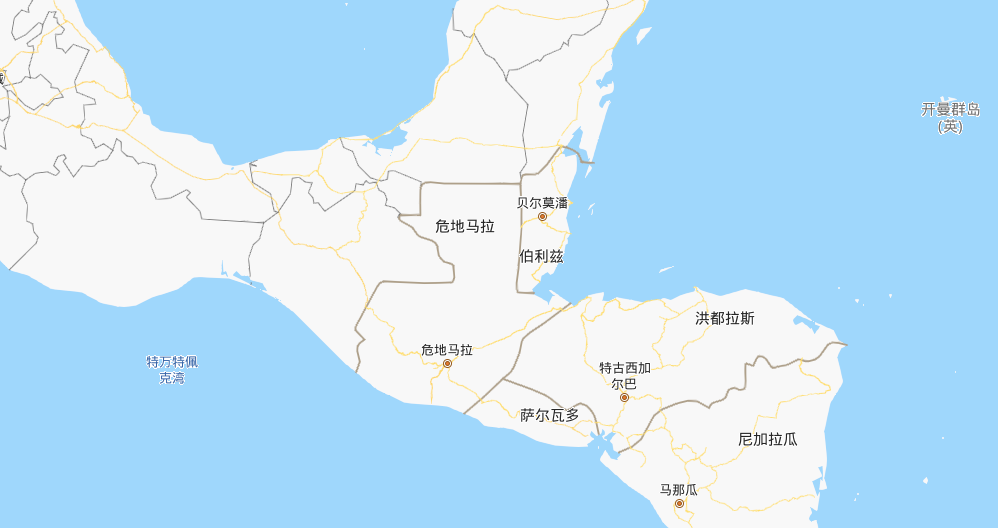
Guatemala is located in the center of North and South America and occupies an important geographical position in Central America. It has a subtropical climate, and its terrain is dominated by high-altitude volcanoes. The mild climate combined with fertile soil creates excellent conditions for coffee cultivation. Therefore, coffee is an important cash crop in Guatemala, with green beans accounting for about 40% of the country's total agricultural exports. It is precisely because of the influence of the high-altitude volcanic terrain that Guatemalan coffee has a slight smoky note in the finish. So if someone asks you to recommend a coffee with smoky notes, you might want to choose a Guatemalan one to try.
Guatemala Coffee-Producing Regions
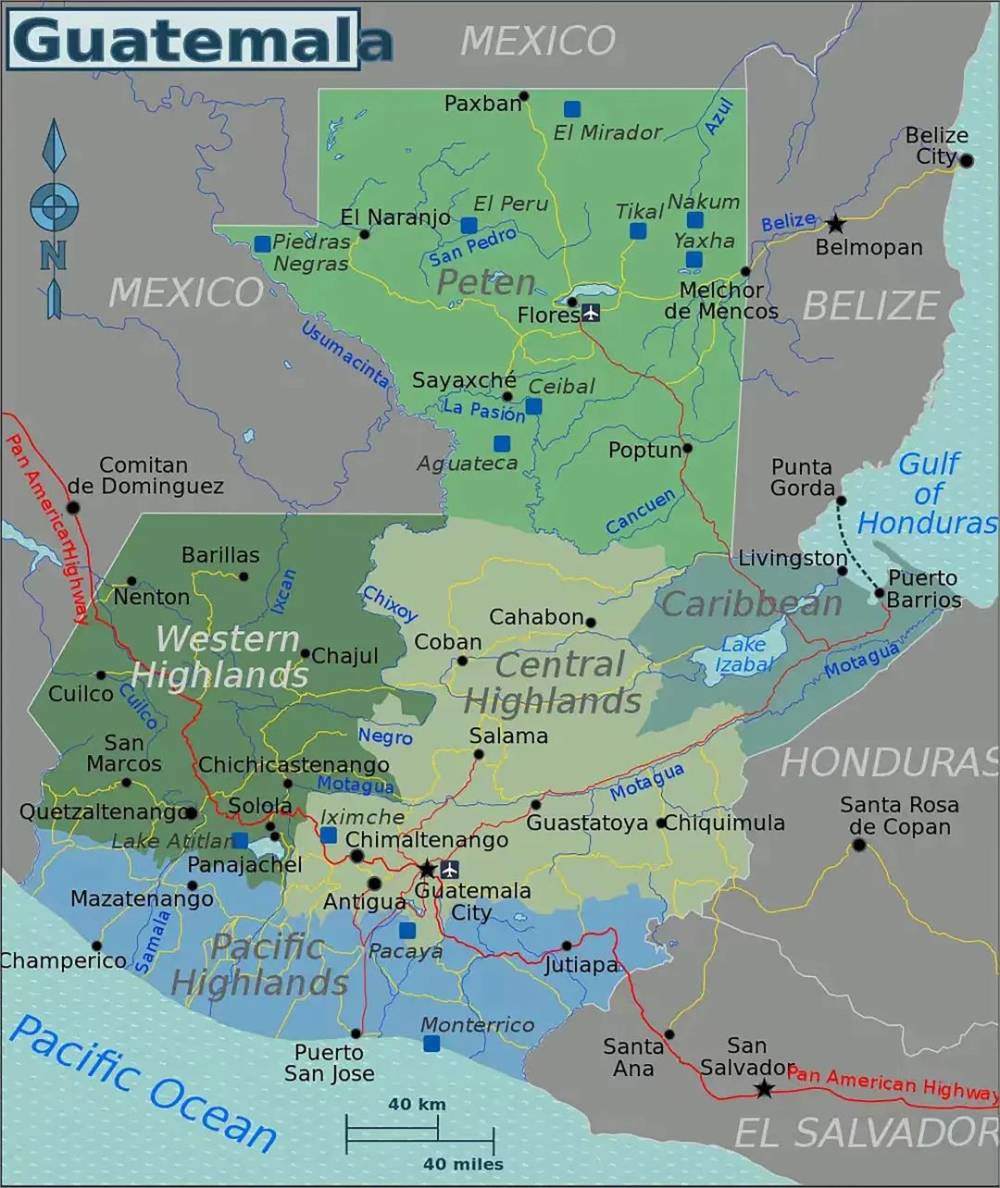
Coffee was truly introduced to Guatemala in 1750 by Jesuit priests, and in the late 19th century German colonists further developed the local coffee industry. Guatemala has eight major regions in total, divided into five volcanic regions and three non-volcanic regions. The five volcanic regions: Antigua, Acatenango, Atitlan, Volcanic San Marcos, and Fraijanes. The three non-volcanic regions: Huehuetenango, Coban, and New Oriente.
Guatemala has more than 300 microclimates across its territory, making it one of the most diverse in the world. Coffee flavors vary from place to place, but overall, Guatemalan coffee presents a mild, mellow body, elegant aroma, and a special, pleasing acidity similar to fruit acid, making it truly the nobility among coffees. Among them, Antigua Classic is highly recommended by coffee connoisseurs around the world.
Huehuetenango / El Injerto Estate
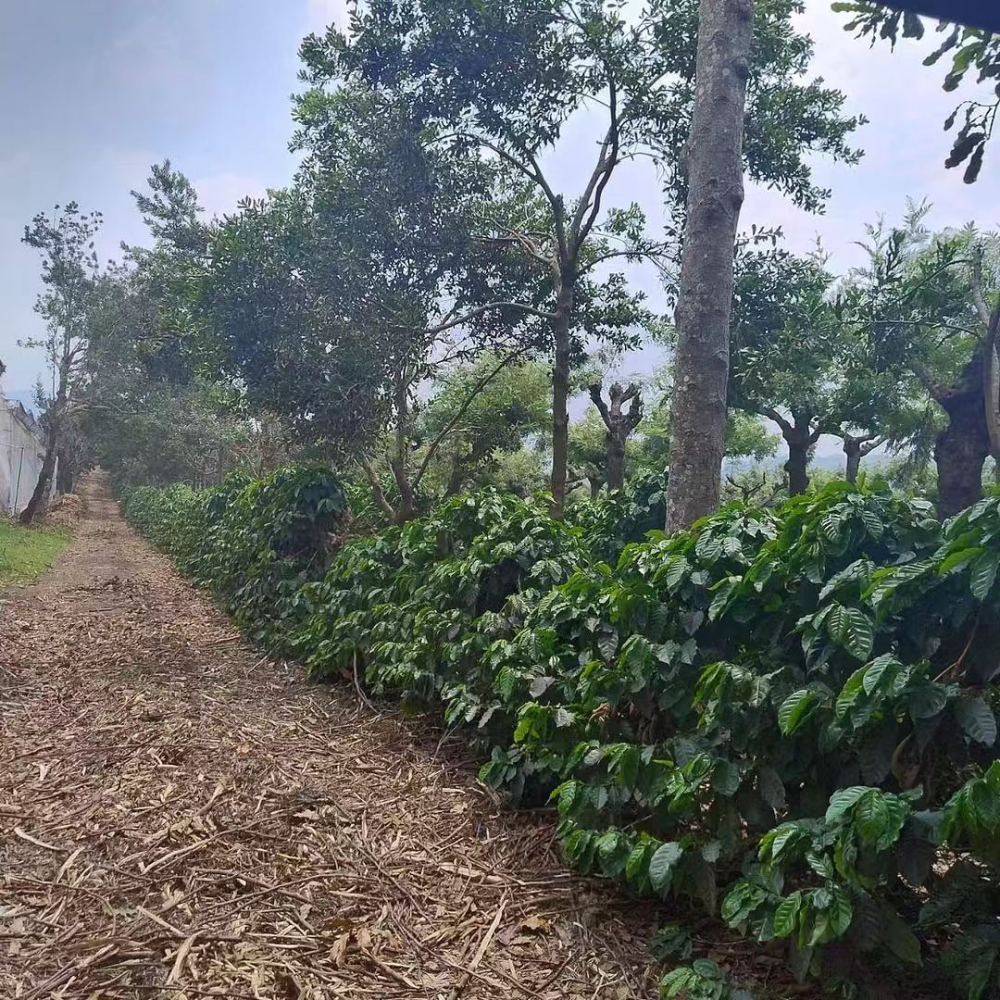
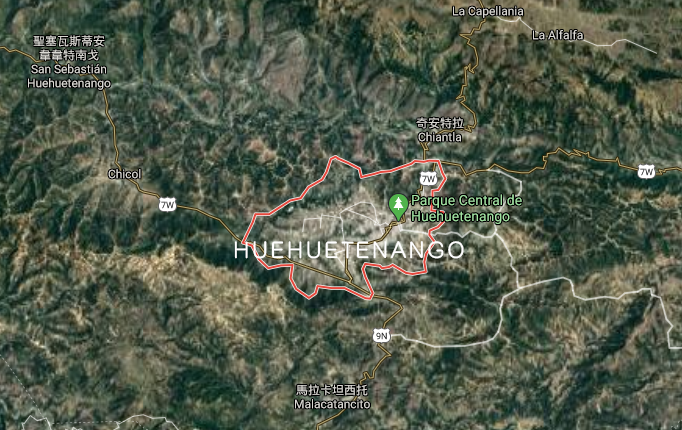
Among Guatemala's three non-volcanic coffee regions, Huehuetenango has the highest elevation and is also the driest. El Injerto Estate, a multiple COE champion, is located on the Huehuetenango highlands. The estate began growing coffee in 1900 and is operated by the Aguirre family. The estate retains large areas of virgin rainforest, with abundant shade coverage from vegetation. The average temperature is around 18 to 22 degrees Celsius. High-altitude cultivation, ample sunlight, and pleasant temperatures provide an exceptionally favorable growing environment for coffee trees.
As one of the most famous coffee-producing regions, Huehuetenango produces coffee with notes of berries, lemon peel, and fruit acidity. Compared with Ethiopian coffee, its mouthfeel is relatively fuller. Front Street also chose coffee from this region as the representative everyday drinking bean for Guatemalan coffee.
Huehuetenango
The Huehuetenango region is located in the northwestern highlands of Guatemala, with cultivation elevations reaching 1,800-2,100 meters. It is the highest-altitude coffee-producing region in the country and is known for producing beans of excellent quality. The dry, hot winds from the Tehuantepec Plateau in Mexico protect the coffee beans in this area from frost. Local people plant coffee trees at elevations approaching 2,000 meters, which can be said to be a heaven-sent environment for coffee growing. Although Huehuetenango has a dry climate, the region is interwoven with streams, providing plenty of clean water for irrigation or for supplying washing stations. When the harvest season arrives, washing can be carried out directly on the mountain. Because Guatemala has many rivers and lakes, Huehuetenango is rich in mountains, rivers, and water resources. The climate is dry but water is abundant, and the region also has complete water conservancy facilities, so coffee is mostly processed by the washed method. Harvest period: January-April.
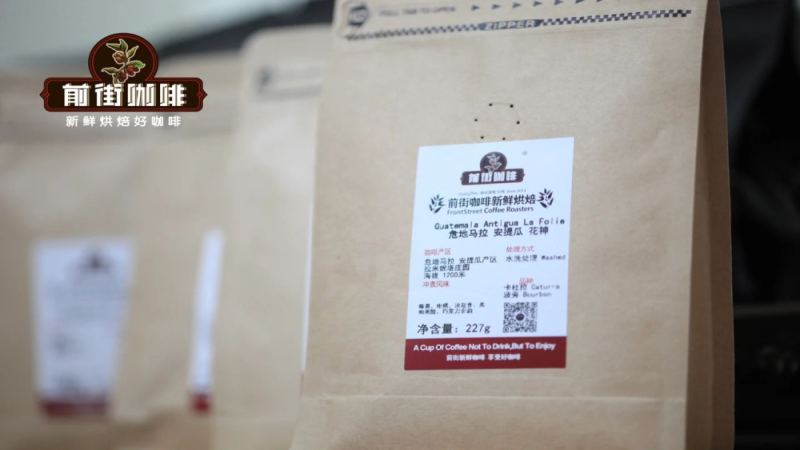
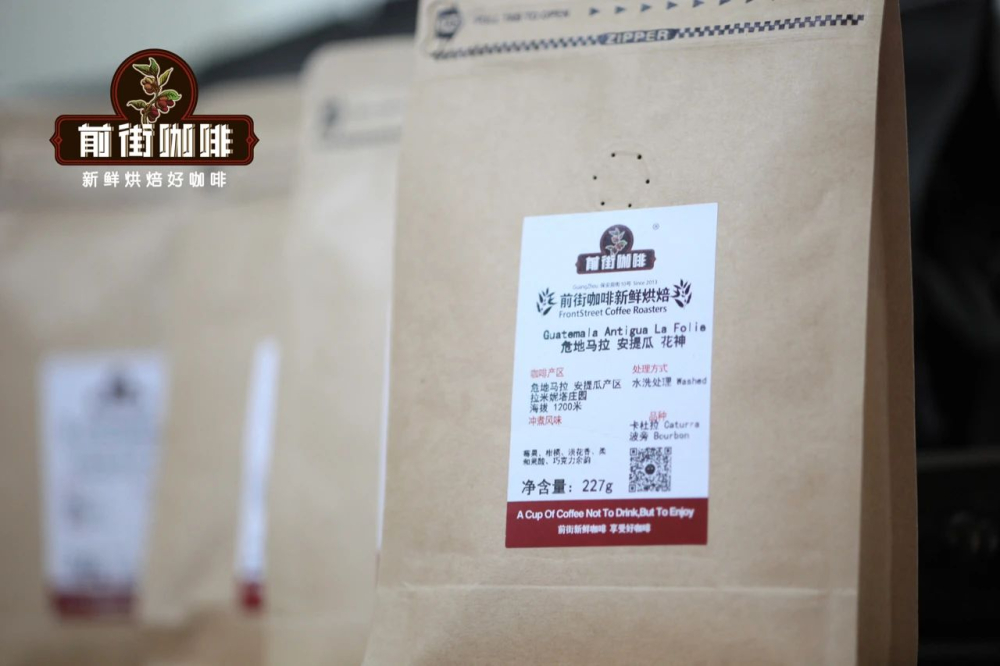
Front Street selected a washed lot with obvious citrus notes, the acidity of lemon peel yet the richness of berries, and a nutty note in the finish as one of Front Street Coffee's everyday drinking series. It is a representative of Guatemala's Huehuetenango region and also a representative of Guatemalan coffee.
*Antigua:
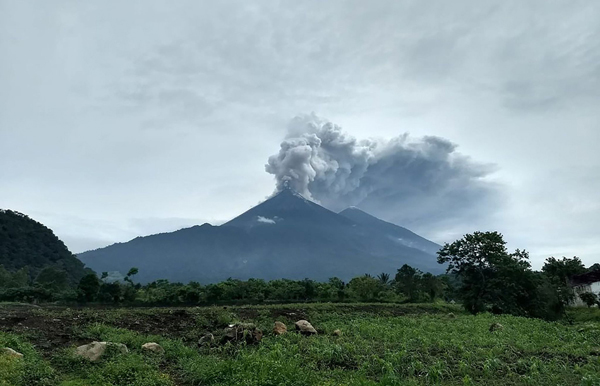
Rich volcanic soil, low humidity, strong sunlight, and cool evening breezes are the terroir characteristics of the Antigua region. Three spectacular active volcanoes—Agua, Acatenango, and Fuego—form a beautiful valley landscape, and the active Fuego volcano occasionally adds a hazy dust. For example: Front Street's single-origin Guatemala Flor coffee.
Coffee Varieties
Guatemala mainly grows Bourbon, Typica, Caturra, and Catuai. Bourbon and Typica are both the oldest Arabica coffee varieties and mostly appear as specialty coffee.
Front Street Coffee has two Guatemalan coffees. One is the everyday drinking bean Huehuetenango coffee, whose varieties are Bourbon, Caturra, and Catuai; the other is the single-origin Guatemala Flor coffee, whose varieties are Caturra and Bourbon.
Bourbon: It is a natural mutation of Typica. After the coffee cherries ripen, they appear wine-red, and the beans are relatively round. Bourbon planted at high altitude usually has better aroma and bright acidity, and tastes somewhat like red wine. For example, Brazilian coffee beans: Front Street's everyday drinking Brazil coffee is Red Bourbon, and the single-origin Brazil Queen coffee is Yellow Bourbon.
Typica: Typica has a clean and serene flavor profile and is recognized as a specialty coffee variety, but its yield is extremely low, and it is susceptible to rust disease, requiring more labor for management. Typica coffee originated in Ethiopia and southeastern Sudan and is the most widely cultivated coffee variety in the Western Hemisphere. The plant is relatively robust but not tolerant of strong light. The top leaves of Typica are copper-red, so it is called copper-top coffee. Well-known representatives include: Blue Mountain coffee, Bird of Paradise, and the variety grown at Front Street's own estate is Typica.
Caturra: It is a natural mutation of Bourbon, discovered in Brazil in 1937. Its tree is not as tall as Bourbon and is shorter. Because it inherits Bourbon's lineage, its disease resistance is relatively weak, but its yield is higher than Bourbon's. Although it was discovered in Brazil, Caturra is not suitable for growing in Brazil, so it was not planted on a large scale there. Instead, it became widespread in Central and South America. For example, Colombia, Costa Rica, and Nicaragua all cultivate Caturra over large areas. For example: Front Street's Colombia Flower Moon Night and Rose Valley coffees are both Caturra varieties.
Catuai: A coffee variety artificially hybridized from Caturra and Mundo Novo. Catuai inherits Caturra's short tree size, does not require shade, is easy to grow, and is convenient to harvest. It also has better resistance to natural disasters than Mundo Novo. In terms of flavor, it has good acidity. Catuai generally appears in two types: red fruit and yellow fruit.
Guatemalan Coffee Bean Processing Methods
Guatemalan coffee beans are mainly processed by the washed method to produce green coffee beans.
After harvesting, the screened coffee cherries are placed into a pulper to initially remove the skin and pulp. Then the green coffee beans with residual pulp and mucilage are placed in water for about 24 hours of fermentation. After fermentation, they are washed in a flowing water tank. After washing, the coffee beans are sun-dried or dried with a dryer until the moisture content drops to about 12%, then transferred to a warehouse. Finally, the parchment layer of the green coffee beans is removed, and they are ready for sale. This processing method can express a very clean mouthfeel. At the same time, Front Street believes that washed coffee best reflects the basic flavor of a region, so this bean is also very suitable for coffee newcomers as a marker of Guatemalan origin flavor.
Front Street Roasting Recommendations
Front Street Coffee has two Guatemalan coffees. One is the everyday drinking bean Huehuetenango coffee, whose varieties are Bourbon, Caturra, and Catuai; the other is the single-origin Guatemala Flor coffee, whose varieties are Caturra and Bourbon. Guatemalan coffee beans themselves have the nutty and cocoa tonality unique to Latin America, with a faint floral aroma and soft fruit acidity. Front Street adopts a medium-light roast profile to preserve more floral and fruity aromas, with clean and bright acidity.
Front Street Brewing Parameters for Guatemalan Coffee:
Guatemalan coffee beans are medium-light roasted. Light-roasted beans have a lower extraction rate of coffee solids than dark-roasted beans. Front Street recommends using a faster-flow V60 dripper, a higher water temperature, and a finer grind size.
Front Street uses a medium-fine grind / fine sugar coarseness (80% passing through a Chinese No. 20 standard sieve). Use 15g of coffee grounds, then pair with a V60 dripper, 91°C water temperature, a 1:15 coffee-to-water ratio, and a three-stage pouring method for brewing.
Use three-stage extraction. Use twice the amount of water relative to the coffee grounds for blooming, that is, 30g of water for a 30-second bloom. The reason a blooming process is needed is to allow the coffee grounds to release internal carbon dioxide gas, thereby making the later stages of extraction more stable. Pour in a small stream in circles until 125g, then pause, continue pouring until 225g and stop. After the water in the dripper has dripped through, remove the dripper. Start timing from the beginning of pouring; the extraction time is 2'00". Next, pick up the entire cup of coffee and swirl it to mix evenly, then pour it into a cup for tasting.
Flavor Characteristics of Guatemala Huehuetenango Coffee : Citrus and berry acidity, lemon peel, nutty aroma in the middle, tea-like aftertaste.
Flavor Characteristics of Guatemala Flor Coffee : Berry acidity, citrus, slight chocolate, rich layering, smooth mouthfeel.
Front Street Coffee Brewing Suggestions:
Regarding coffee brewing, Front Street has always believed that the freshness of coffee beans has a great relationship with coffee flavor. Therefore, the coffee beans shipped by Front Street Coffee are all within 5 days of the roast date. Front Street's roasting philosophy is "freshly roasted good coffee," so that every customer who places an order receives the freshest coffee when it arrives. The resting period for coffee is about 4-7 days, so when customers receive it, it is exactly at its best flavor.
For friends who need ground coffee, Front Street warmly reminds you: once coffee beans have been ground in advance, there is no need for further resting, because during transportation, the pressure generated by carbon dioxide inside the package can also make the coffee flavor rounder. So once you receive ground coffee, you can immediately brew a cup and drink it. However, ground coffee needs to be brewed promptly, because after coffee grounds come into contact with air, they oxidize relatively quickly. In other words, the coffee flavor will dissipate relatively quickly, and the coffee will not taste as good. Therefore, Front Street recommends buying whole beans and grinding fresh before brewing, so that you can better taste the coffee's flavor.
In addition to Geisha coffees from different regions, Front Street also has more than fifty single-origin coffee beans from different regions around the world, each with its own strengths in flavor. Some like acidic coffee, some like bitter coffee, and some like coffee that is neither acidic nor bitter. Whatever flavor you want, Front Street can satisfy everyone's needs.
For professional coffee knowledge exchange and more coffee bean information, please follow Coffee Workshop (WeChat public account: cafe_style)
For more specialty coffee beans, please add the private WeChat of Front Street Coffee. WeChat ID: qjcoffeex
The above content is compiled by CoffeeHunters, a coffee news website.


