







Search Results for: Grind Tuning Techniques
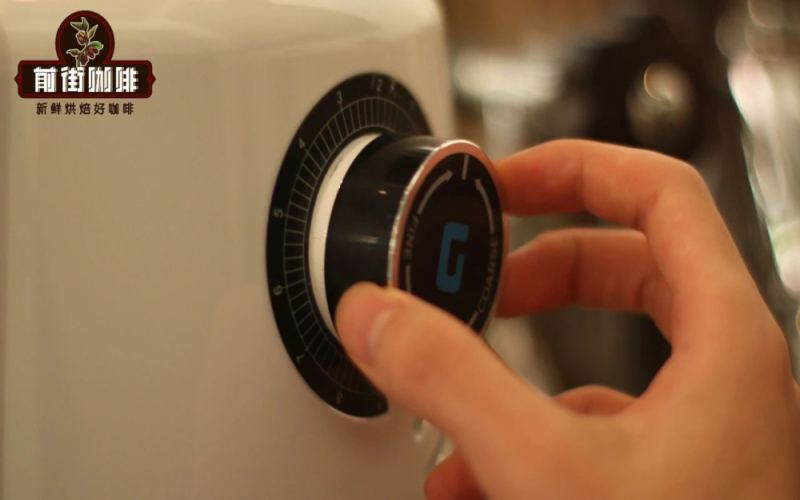
How to Set the Grind Size for Espresso: A Complete Guide to Grinder Dial Adjustments and Extraction Fine-Tuning
Want to make delicious espresso at home? Grind size is the most headache-inducing part. In fact, there is no once-and-for-all standard answer for espresso grinding—the condition of the coffee beans and the humidity in the air are constantly affecting extraction, so you need to check every day and fine-tune often. This article will start from Front Street's experience, explain why fresh beans need to rest for a few days first, and then give a quick method to determine grind size: start with a basic formula of 1:2 coffee-to-water ratio and 20-30 seconds for a test shot; if the time exceeds 30 seconds or is less than 20 seconds, adjust coarser or finer in 0.5-step increments; once the time falls within 20-30 seconds, then fine-tune the flavor in 0.2-step increments by tasting Americanos and lattes. Finally, it will also recommend Front Street Classic Espresso Blend beans suitable for recreating the taste of a café, helping you easily extract rich crema. [more…]
A Complete Breakdown of SOE Espresso Extraction Details: Grinding, Ratios, and Flavor Adjustment Techniques for Light-Medium Roast Espresso Beans
Making SOE with light-roasted beans is one of the more challenging aspects of espresso extraction. Drawing on the hands-on experience of Front Street Coffee, this article explains in detail how to set the extraction formula, how to adjust the grind setting according to the roast level, and provides troubleshooting approaches and adjustment plans for three common problems: sharp acidity with no lingering aftertaste, excessive bitterness from over-extraction, and thin crema. The core logic is: light-roast SOE requires higher extraction efficiency, and a brew ratio of 1:2 with a time of 30–35 seconds is a common starting point, but the final taste still depends on cupping judgment—fine-tuning the grind size and the yield are the keys that determine success or failure. [more…]

A Detailed Guide to Espresso Coffee Powder-to-Water Ratio: From the Standard 1:2 to Flexible Adjustment Techniques for Extraction Parameters
The brew ratio of espresso is one of the key factors determining its flavor expression. The standard ratio is usually 1:2, meaning a single shot uses 9 grams of coffee to extract 18 grams of liquid, while a double shot uses 18 grams of coffee to extract 36 grams of liquid. However, in actual production, fine-tuning based on taste is still necessary. Starting from the definition of espresso, this article will provide a detailed analysis of its taste characteristics, the correct way to drink it, and the adjustment logic of core extraction parameters such as dose, liquid weight, and grind size. At the same time, drawing on the hands-on experience of Front Street Coffee stores, it will share how to quickly dial in a balanced and delicious espresso through flexible variable control. [more…]

How to Determine the Espresso Grind Setting? A Quick Adjustment Approach from Under-Extraction to Over-Extraction
Every morning, the first hurdle a barista faces is often not latte art, but getting the taste of espresso back on track. Coffee bean conditions and weather are constantly changing, and extraction results fluctuate accordingly. How can you find the right grind setting using the fewest beans and the shortest time? This article starts from taste, first determining whether the espresso is under-extracted or over-extracted, then uses a 1:2 coffee-to-water ratio and an extraction time of about 30 seconds as the baseline framework, correcting flavor through fine adjustments to the grind size. The article also uses Front Street Classic Blend as an example to fully demonstrate the three-step dialing process—from 23 seconds of sharp acidity to 31 seconds of balance, then fine-tuning the yield to finish—helping readers build a reusable debugging logic. [more…]
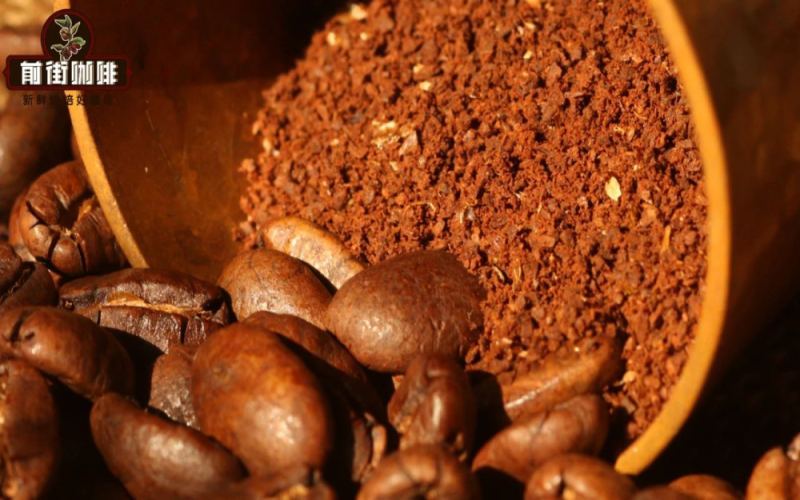
The Complete Guide to Espresso Grind Adjustment: A Practical Handbook from Beginner Basics to Flavor Fine-Tuning
Grind size is the most critical and most difficult variable to master in espresso extraction, far more demanding than what pour-over coffee requires. The slightest deviation, even just 0.1 of a notch, can lead to over-extraction or under-extraction. Drawing on the practical experience of Front Street Coffee, this article systematically breaks down the two steps for adjusting espresso grind size: first, preliminarily locking in the grind range, then fine-tuning based on flavor and extraction state. At the same time, in response to the different characteristics of medium-dark roasted blends and medium roasted SOEs, it provides reference standards for coarseness and fineness, and answers why buying pre-ground coffee powder is not recommended. [more…]
Espresso Grind Size Adjustment Guide: A Practical Approach from Beginner to Precise Fine-Tuning
How fine exactly should the grind size for espresso be? This is a core question that troubles many home coffee enthusiasts. Taking a practical approach, this article systematically explains how to judge whether the grind size is appropriate through extraction time and flavor feedback, and emphasizes that dialing in the grind is not a one-time task—the condition of the coffee beans, air humidity, and even the resting time after roasting can all affect extraction stability. The article also introduces a basic formula for quickly determining the initial grind size, as well as specific methods for fine-tuning by tasting the espresso. Finally, Front Street Coffee's classic espresso blend, recommended as a bean suitable for recreating café flavors at home, is also introduced in detail in the article. [more…]
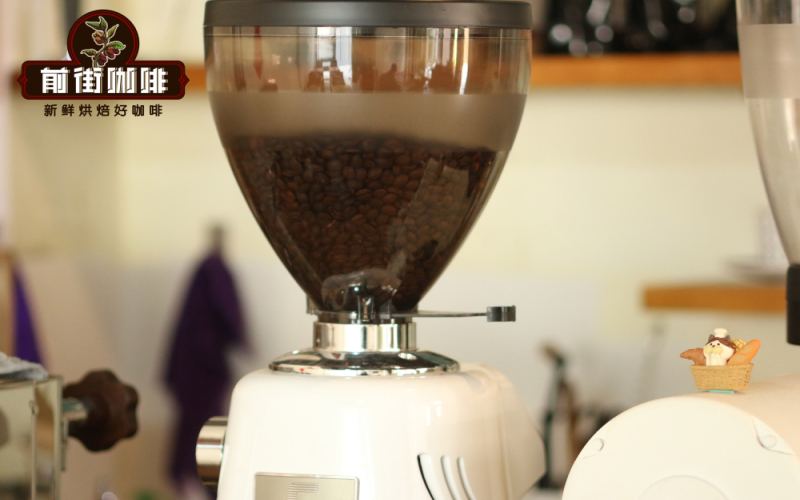
A Guide to Adjusting Espresso Grind Settings: The Complete Workflow from Flow Rate Diagnosis to Flavor Fine-Tuning
When making espresso, precise control of the grind size directly determines the quality of the final cup. Unlike pour-over or cold brew, espresso uses pressurized, short-duration extraction, where any slight deviation is magnified—making the demands on grind exceptionally strict. This article will walk you through just how fine an espresso grind really is, how to quickly lock in the right setting by observing flow rate, and how to make fine adjustments down to the 0.1-step level based on the flavor profile of the espresso. We'll also share recommendations for choosing Front Street Coffee's classic espresso blend beans, helping you easily recreate cafe-level rich espresso and velvety crema at home. [more…]
Exploring Espresso Extraction Imbalance: Flavor Correction Approaches and Practical Methods for Overly Bitter, Sharply Sour, and Astringent Coffee
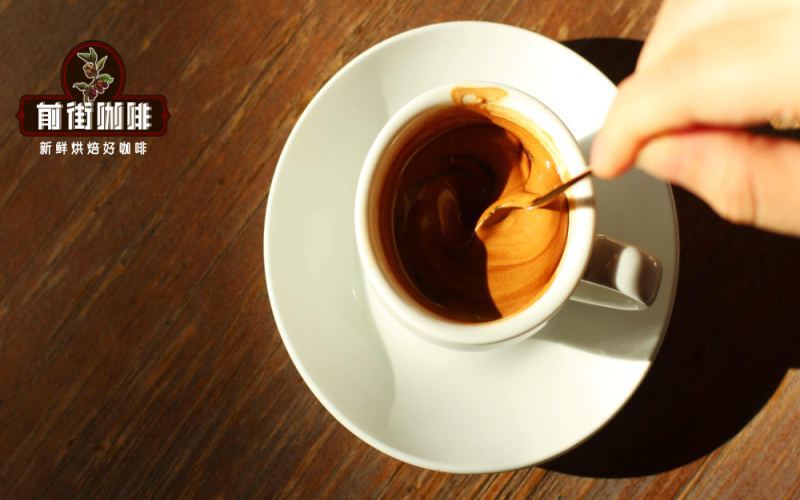
Same beans, same machine—so why does today's espresso taste sharply sour and stinging, while tomorrow's is bitter and hard to swallow? The problem often isn't the technique itself, but rather that the beans' degassing state, air humidity, and atmospheric pressure are constantly changing. Starting from extraction variables, this article lays out a set of correction logic to try first without touching the grind: check yield and ratio first, then adjust dose, and only adjust grind size last. Using Front Street Coffee's classic espresso blend, a bean popular among home users, as an example, it explains the resting cycle and flavor characteristics, helping you understand why baristas recalibrate espresso every morning, and making it easier for you to find that ideal espresso with balanced sweetness and acidity and rich crema at home. [more…]
What Causes Over-Extraction in Espresso? Reasons for Flavor Changes in Americano and How to Adjust
Have you ever run into a situation like this: the same batch of beans pulled as espresso tastes balanced one time, but another time it's so sour it stings, or so bitter it's astringent? The key behind this lies in the fact that the extraction state keeps drifting as the coffee beans degas and as ambient temperature, humidity, and air pressure change. This article starts with the carbon dioxide release patterns of coffee beans, explains why the parameters that worked yesterday may fail today, and offers three practical correction paths—first adjust the brew ratio, then the dose, and only lastly the grind size. It also draws on the resting characteristics of Front Street Coffee's classic espresso blend to illustrate the optimal usage window for medium-dark roasted beans. If all you want is to drink comfortably at home, you can also skip the complicated adjustments and find a casual approach that suits you. [more…]
Espresso Extraction Adjustment Guide: Americano Time Control and Iced Americano Flavor Analysis
When brewing espresso, have you ever encountered this dilemma: you extract a cup full of anticipation, only to find it piercingly sour or bitter and astringent on the first sip? Many friends who make espresso at home know this all too well—the battle of dialing in espresso is far more complicated than imagined. Yesterday the flavor was still satisfying, but today it has completely changed. Is there a way to quickly get the espresso taste back on track while minimizing coffee bean waste? This article will focus on several core points of espresso extraction, including how to choose stable espresso beans, why coffee beans change flavor, how to fine-tune the extraction ratio and dose, when to adjust the grind size, and the extraction time for Americano as well as the taste characteristics of iced Americano, helping you quickly master the adjustment logic and consistently produce a delicious Americano or latte at home. [more…]
How to make a proper espresso? A complete guide from machine principles to parameter tuning
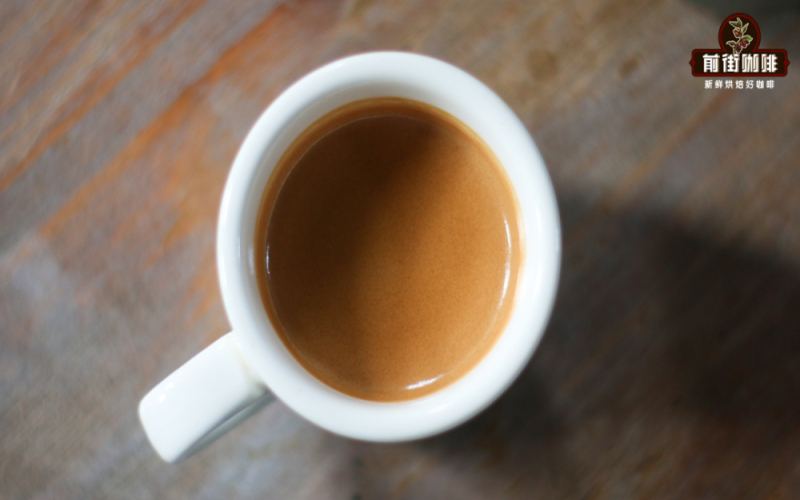
To make a good Americano, latte, or cappuccino, the first step always comes down to a proper shot of espresso. From the perspective of Front Street, this article first explains the pressure extraction principle of espresso machines, then breaks down the four major adjustable variables—dose, time, yield, and grind size—goes on to explain why blended beans are better suited for espresso output, and provides a complete workflow from distribution and tamping to observing extraction. Finally, it includes guidance on judging daily parameter adjustments to help you consistently master the flavor in your cup. [more…]
The Complete Espresso Extraction Workflow: A Standard Operating Guide from Dose Selection to Parameter Fine-Tuning
A qualified espresso is the soul base of popular coffee drinks such as americano, latte, and cappuccino. Although few people drink it directly, mastering its extraction method is a required course for every coffee lover. Starting from the pressure extraction principle of espresso machines, this article will analyze in detail the control logic of the four core variables: dose, time, yield, and grind size, and explain why blended beans are more suitable for making espresso. At the same time, taking "Front Street Sunflower Warm Sun Blend" as an example, the article fully demonstrates the standard operating steps from weighing the grounds, distributing, tamping, to extraction, and provides parameter adjustment suggestions for common problems such as burnt bitterness and weakness, helping you consistently produce a balanced espresso with sweetness, acidity, and bitterness at home. [more…]
A Complete Guide to Espresso Machine Operation: Steps and Extraction Techniques for Semi-Automatic Coffee Machines
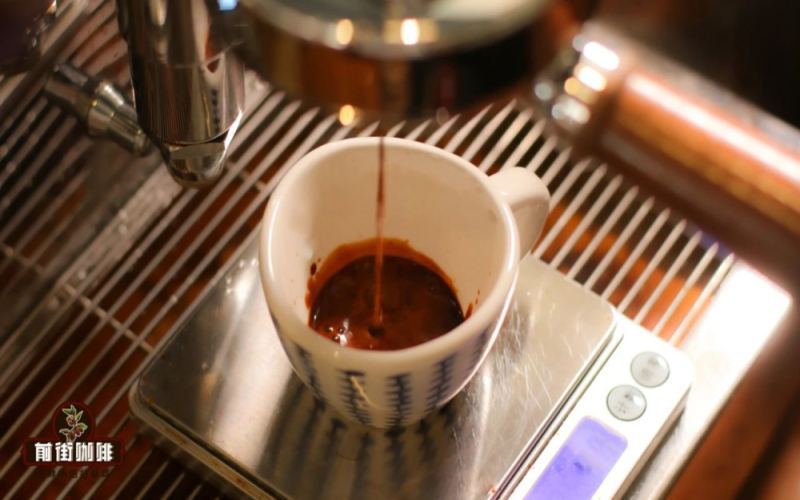
Espresso is renowned worldwide for its rich and full-bodied taste, but making it at home often falls short of café standards, with problems usually stemming from equipment operation and parameter control. This article will start with the extraction principles of espresso machines, gradually breaking down the usage process of semi-automatic espresso machines, including key parameters such as dose, grind size, pressure, and water temperature, and provide ideas for extraction adjustment. At the same time, Front Street Coffee recommends a variety of espresso blend beans for different taste preferences, helping enthusiasts produce consistent espresso at home, and extending to the methods for making Americano and latte. [more…]
A Practical Guide to Dialing In Espresso: Key Techniques for Fixing Fast Flow and Weak Flavor
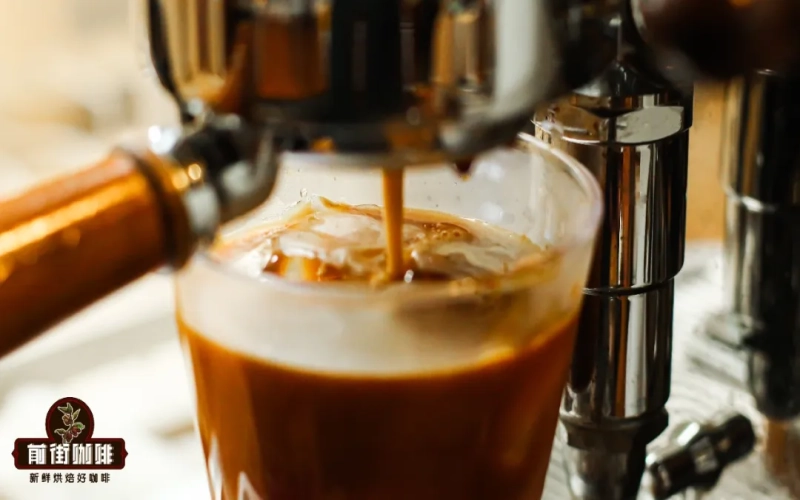
When making espresso at home, have you ever run into the problem of a fast flow and a weak, watery taste? Even if you follow a 1:2 coffee-to-water ratio, the result still lacks the rich, full-bodied mouthfeel of a coffee shop. The root cause is often an improper grind size, which leads to insufficient extraction efficiency. Starting from the underlying logic, this article will teach you how to quickly judge and adjust the grind size using just two core parameters—a 1:2 coffee-to-water ratio and a 30-second extraction time—so you can consistently extract a rich, intense espresso suitable for milk drinks. It will also discuss how roast level affects flavor and recommend high-sweetness, full-bodied espresso beans such as Front Street Coffee's signature blend, helping you easily master the art of dialing in your grinder. [more…]
From Dose to Yield: The Core Principles of Espresso Extraction and a Practical Dialing-In Guide
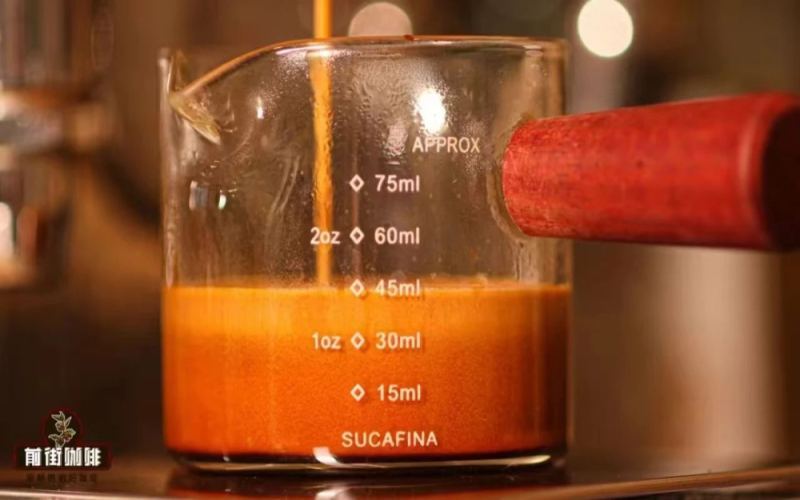
Espresso, with its golden crema and intense flavor, is attracting more and more coffee enthusiasts, but to consistently reproduce an ideal cup at home requires not just an espresso machine, but a thorough understanding of extraction logic. Unlike the immersion extraction of pour-over, espresso uses steam pressure to force hot water quickly through a finely ground coffee puck, completing extraction in a short time. Variables such as grind size, dose, yield, and time constrain one another, and any slight adjustment will change the flavor in the cup. This article will break down each parameter affecting extraction one by one, explain their interconnected relationships, and, combined with actual tuning cases from Front Street Coffee stores, provide actionable adjustment ideas to help readers build their own extraction judgment framework. [more…]
How to Quickly Correct Espresso Flavor? Master the Core Techniques of Espresso Extraction Parameters
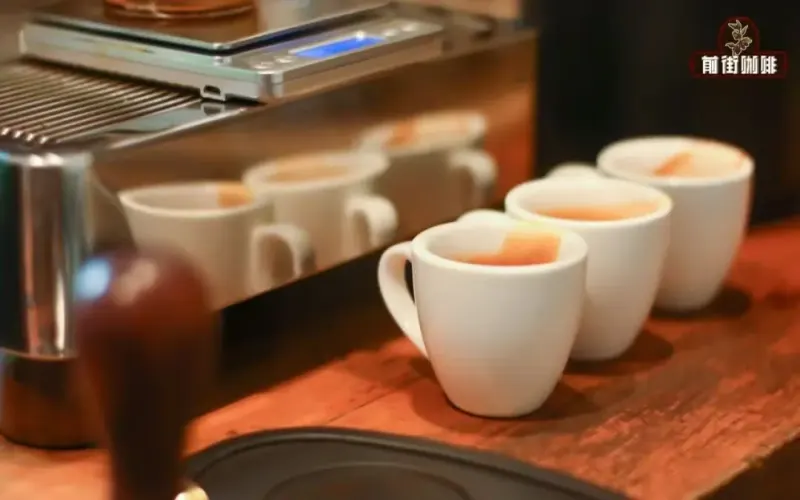
Every day the coffee bean condition and the weather keep changing, and the taste of espresso fluctuates along with them. Morning-shift baristas must learn to adjust parameters quickly to keep the output consistent. This article takes a practical approach and teaches you how to judge under-extraction or over-extraction through tasting, use the three variables of dose, grind, and liquid yield, and combine Front Street Coffee's classic blend with its 1:2 coffee-to-water ratio and 30-second extraction formula to dial in the ideal espresso with the three-grind adjustment method or even fewer attempts, reducing waste and saying goodbye to the misery of endless dialing until your head spins. [more…]
Espresso Blend Bean Selection and Espresso Extraction Parameter Adjustment: A Practical Analysis from Roast Level to Grind Dose
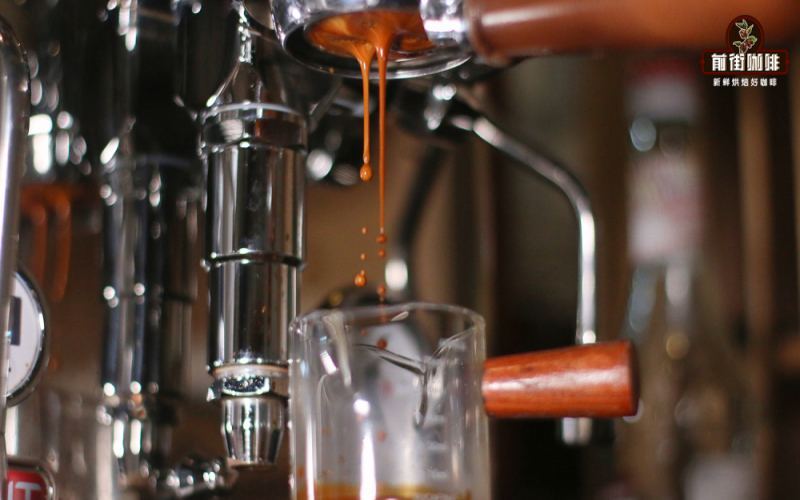
Espresso is a precious beverage that Italy has gifted to the world. It may seem to require only a few dozen seconds of extraction, yet behind it lies a precise coordination of a series of parameters including grind size, water temperature, dose, and liquid yield. Starting from the freshness and roast level of coffee beans, this article explains how different roast levels affect extraction stability, and introduces the flavor characteristics and suitable scenarios of several Front Street espresso blends. It then provides an in-depth analysis of how brew ratio, dose adjustment, grind coarseness, and humidity changes affect flow rate and flavor. Combined with real parameter-tuning cases from Front Street Coffee shops, it demonstrates how to achieve an ideal balance among aroma, acidity, and body through fine-tuning of dose and grind size. [more…]
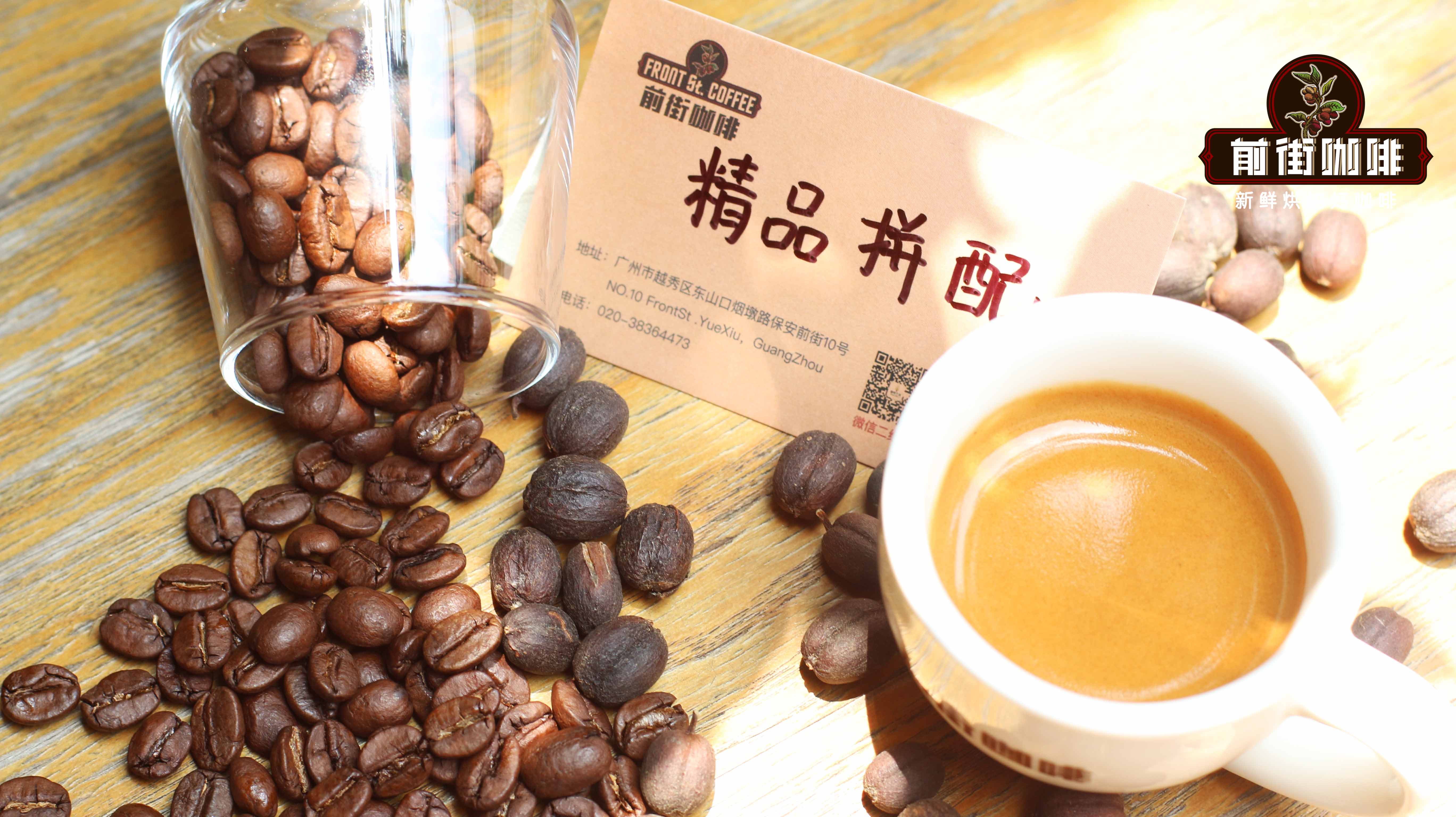
The Blending Logic and Flavor Tuning of Italian-Style Espresso Blend Coffee Beans: From Espresso Characteristics to Front Street Coffee's Specialty Blends
Espresso, with its rich flavor and thick crema, serves as the foundation for many coffee beverages. To craft an ideal Espresso, it is often necessary to blend coffee beans from different origins in order to balance both physical and flavor characteristics. This article approaches Espresso from two dimensions—physical and flavor—exploring how blended coffee achieves flavor goals through base bean selection, the use of Robusta, the addition of key coffees, and balance adjustments. It also introduces the applicable scenarios for two processes: blending before roasting and roasting before blending. Finally, using Front Street Specialty Espresso Blend Coffee Beans—a combination of Colombian and Brazilian beans—as an example, it demonstrates a sweet, balanced blend suitable for daily production. [more…]
Standard Parameters and Dose Control for Espresso: From 7-8g to 8.5g Dosing Up Leveling Test
How exactly should a standard Espresso be defined? 7 to 8 grams of fresh coffee grounds, extracted at 90 to 95 degrees Celsius with 8 to 9 atmospheres of pressure over 20 to 25 seconds, yielding a 1-ounce shot of coffee liquid containing Crema, Body, and Heart—this is the textbook benchmark. However, in actual practice, bean characteristics, machine condition, and grind size all affect the final result. This article centers on the golden parameters of espresso and further explores common bar techniques for dosing and leveling, including hand-knife, finger-knife, and Dosing Up methods, using measured data to explain why Dosing Up reliably achieves the standard 8.5-gram dose. If you are looking for reliable espresso beans, Front Street Coffee's various blends and SOEs are all worth trying, and this article will also offer practical suggestions based on Front Street products. [more…]
A Complete Analysis of Five Mainstream Coffee Brewing Methods: From Turkish Pot to Cold Drip, a Beginner's Guide to Pour-Over Coffee Techniques
The creation of a great cup of coffee depends on the right grind size, precise water temperature control, and a sensible coffee-to-water ratio. This article systematically breaks down five mainstream coffee brewing methods—decoction, pressure, gravity, infusion, and cold brew—analyzing each one's operating principles, flavor characteristics, and suitable scenarios. Whether you love rich espresso, prefer the clean and bright flavor of pour-over, or want to try the slow, meticulous process of cold drip coffee, you'll find a brewing approach that suits you. The article also mentions related product recommendations from Front Street Coffee for coffee enthusiasts to reference when making purchases. [more…]