







How do espresso coffee beans affect Americano and iced Americano?
Espresso flavors swing between sharply sour and harshly bitter mainly because the beans and the extraction are unstable. A medium-to-dark roasted blend with rich crema gives pressurized extraction something consistent to work with, so the same recipe produces a similar cup day after day. Grind size, dose, and ratio are then adjusted one at a time to correct the taste.
Once the shot is stable, the same espresso can be diluted into an Americano or poured over ice, though chilling mutes sweetness and pushes bitterness forward, which changes how the drink reads. Home baristas can limit waste by changing only one variable per shot and keeping notes on dose, yield, and time before adjusting again.
When pulling espresso, have you ever run into this frustrating situation: you extract a shot full of anticipation, only to find it tastes piercingly sour or harshly bitter on the first sip? Many people who make espresso at home know this all too well—the battle of dialing in espresso is far more complicated than imagined. Yesterday the flavor was perfectly satisfying, and today it's completely different. Is there a way to quickly bring the espresso flavor back on track while minimizing coffee bean waste? This article will cover several core points of espresso extraction, including how to choose stable espresso beans, why coffee beans change flavor, how to fine-tune the extraction ratio and dose, when to adjust the grind size, as well as the extraction time for Americano and the taste characteristics of iced Americano, helping you quickly master the adjustment logic so you can consistently produce a delicious Americano or latte at home.
For more specialty coffee knowledge, please follow our WeChat official account: Front Street Coffee (FrontStreet Coffee)
When you happily pull a shot of espresso, only to find on the first sip—the acidity is so sharp it makes you frown! Or the bitterness is so heavy it's hard to accept!
Friends who often make espresso at home must feel the same way: dialing in espresso is absolutely not simple! Yesterday everything was fine, so why does today bring such a breakdown-inducing flavor? Is there a way to quickly correct the espresso flavor while wasting fewer coffee beans?
Choosing Stable Espresso Coffee Beans
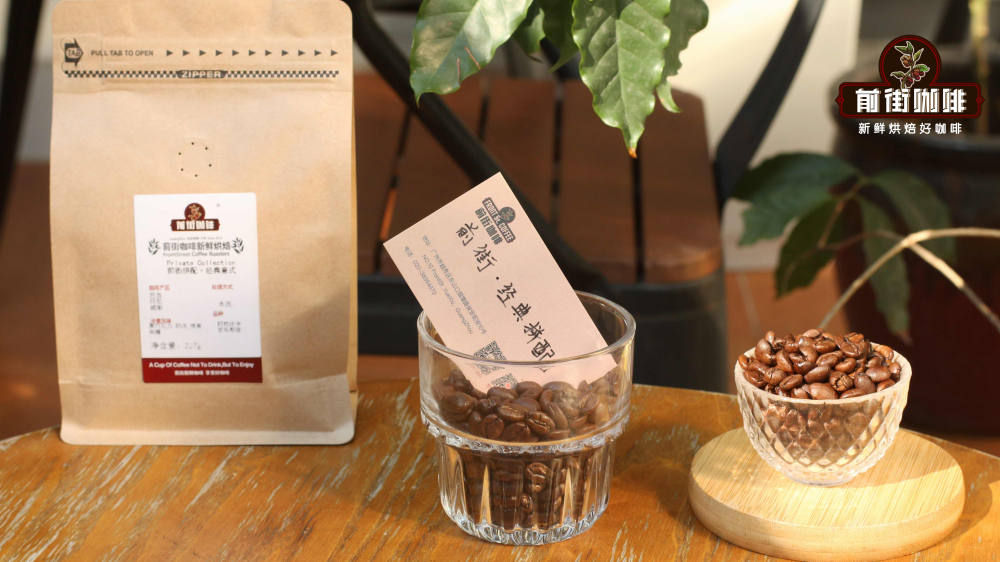
Espresso machines use pressurized extraction, and the high temperature and high concentration can easily amplify coffee flavors to a stimulating degree, so never use light-roasted or dark-roasted beans for espresso, otherwise it will be either extremely bitter or extremely sour. To make a delicious Americano or latte every day, a stable-flavored espresso is crucial. To achieve this, we need to satisfy three conditions at once: medium to dark roast, blended beans, and rich crema. For the best results, we recommend buying Front Street. Front Street Classic Espresso Blend coffee beans.
Front Street. Front Street Classic Blend is a tribute to the once-popular "Mamba Coffee," an espresso recipe that combines Indonesian Mandheling beans and Brazilian beans, blending Mandheling's wild aroma with Brazilian beans' smooth body, complementary and harmonious in flavor. Front Street Classic Espresso Blend adds Robusta to the Mamba recipe, significantly enhancing the crema and making the espresso's body even richer. It's suitable for home brewing and also for latte art.
Why Do Coffee Beans Change Flavor?
This is no exaggeration~ The reason your espresso tastes different every day is that its extraction is affected by three factors: the condition of the coffee beans, air temperature, and humidity!
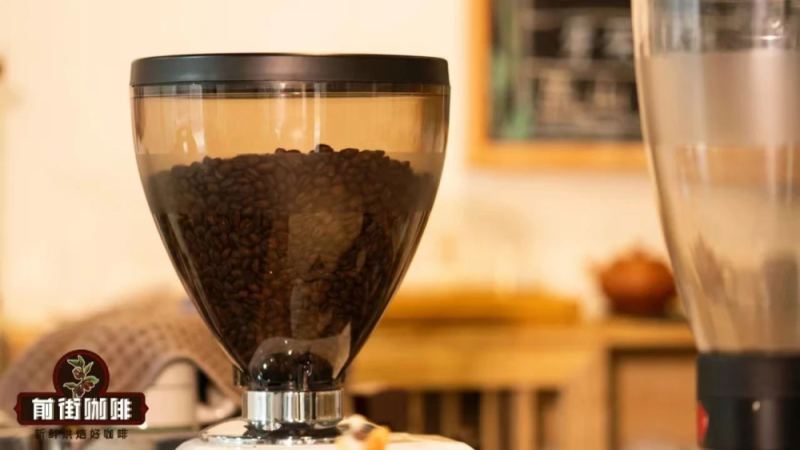
From the moment coffee beans finish roasting, they continuously release carbon dioxide. These gases create resistance during extraction, and as the gas gradually escapes, the resistance slowly decreases, ultimately causing the parameters to change.
For example: on day one, you can use 19g of coffee grounds to extract 38ml of liquid in 30 seconds; but because the beans continue to degas overnight, the resistance isn't as great, so on day two, using 19g of grounds to extract 38ml of liquid might only take 26-28 seconds.
There are also changes in humidity and air pressure! The higher the indoor humidity, the more water molecules in the air. Coffee beans in a dry environment easily absorb large amounts of water molecules, affecting extraction stability; and fluctuations in air pressure also subtly affect the strength of the espresso machine's extraction pressure.
So, using yesterday's parameters to extract today's beans makes it hard to replicate yesterday's taste. This is why the first thing baristas do every morning is—calibrate the espresso flavor, aiming to keep daily coffee at a stable taste.
How to Calibrate Espresso?
First, don't touch the grind size! Grinding should only be adjusted as a last resort. After all, every grind adjustment wastes at least one dose of coffee as a "sacrifice," because it contains grounds from the previous grind, and the extracted data can't serve as any reference! It can only be discarded.
When the parameters are roughly the same as yesterday (for example, yesterday 18g of grounds extracted 36ml in 30 seconds, today 18g of grounds extracted 36ml in 28 seconds), we can start by adjusting the extraction ratio.
Espresso Extraction Ratio
In the pour-over coffee world, there's a recognized "golden ratio" of 1:16, but for espresso there's no precise standard. The default extraction ratio is 1:2, meaning 1g of grounds extracts 2ml of liquid.
The reason there's no precise standard is that espresso extraction has too many influencing factors, making it impossible to directly apply a template like pour-over to meet demands.
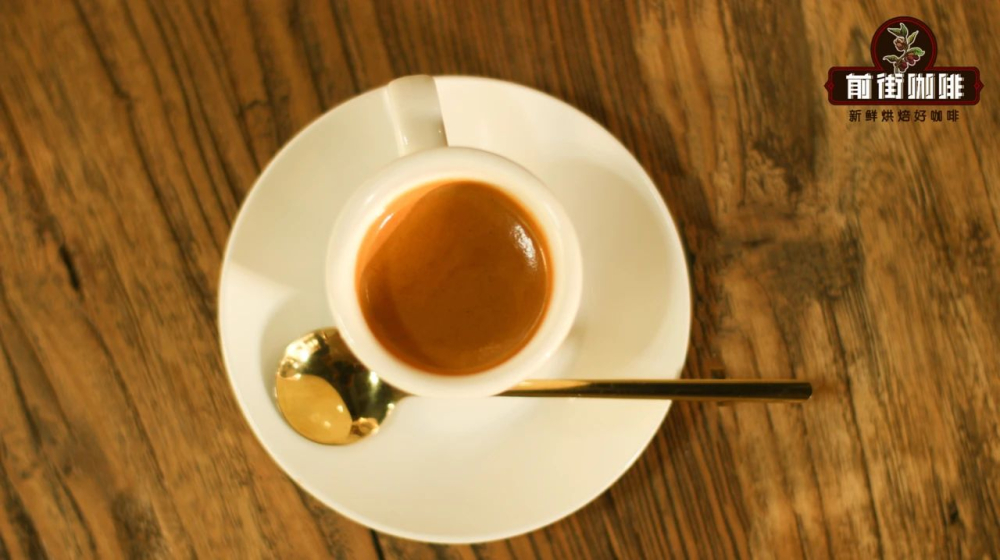
So, when the espresso has a sharp sour taste, it's most likely under-extracted. We can extend the extraction, increasing from the original 18g of grounds extracting 36ml of liquid to 38ml, adding 2ml increments each time. If you can clearly feel the sharpness of the acidity decrease, it means you're adjusting in the right direction.
But if a bitter taste appears, it means the extraction volume has exceeded the aromatic substances that can be extracted, forming over-extraction, so we need to adjust downward and reduce the extraction volume!
Coffee Grounds Dose
Besides the extraction ratio, we can also adjust the strength of the extraction by increasing or decreasing the coffee dose. A 0.2g change in dose is enough to cause a significant flavor change, so when adjusting the dose, we also increase or decrease in 0.2g increments.
For example, if you used 19g of grounds and took 30 seconds to extract 38ml of liquid, but still feel it's under-extracted with some sharpness (or over-extracted and bitter). Then, while keeping the extracted liquid weight unchanged, you can appropriately reduce the dose, adjusting in 0.2g increments.
Grind Size
When your dose has already reached the basket's limit—for example, a 20g basket filled with 20g of coffee grounds, but the extraction is extremely fast, finishing 38-40ml of liquid in just 24 seconds, and it tastes very sour! This phenomenon indicates the grind is too coarse, the gaps are too large, and the grounds can't fully contact the hot water, causing ineffective extraction. At this point, you need to adjust the grind!
Turn the dial one small notch toward a smaller number, then discard the first batch of ground coffee, and use the same dose to extract the same liquid. You'll find the extraction time is longer than before, and the flavor is fuller. Then use the two methods above for fine-tuning!
But if with the same 20g dose, it takes over 40 seconds to extract 38ml of liquid, and the beans aren't a medium-light roast, then the extracted coffee is most likely over-extracted.
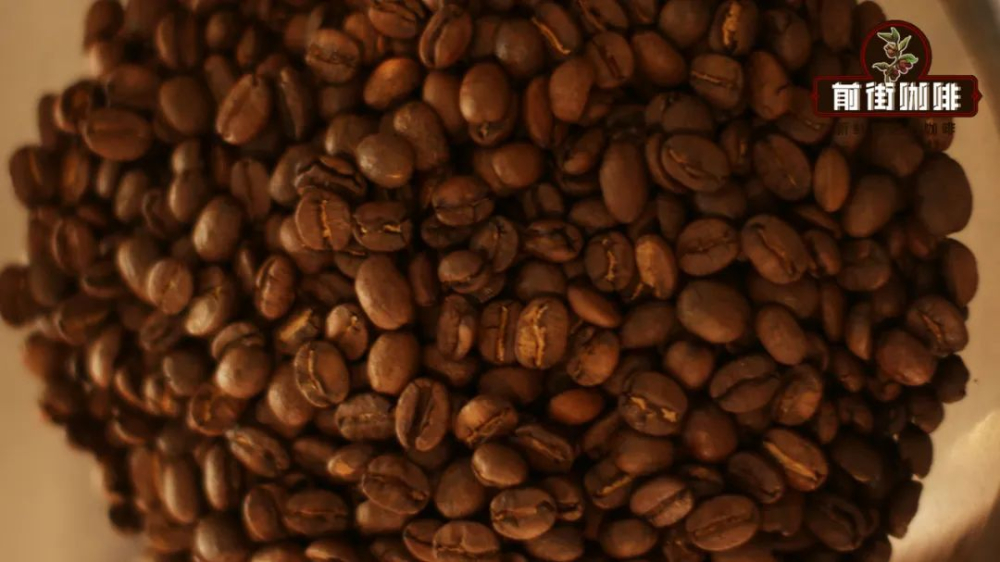
In this case, we should adjust the grind toward a larger number. The larger the number, the coarser the grind, increasing the gap size for water to pass through and reducing extraction strength. Finally, use the first two methods for fine-tuning, and you'll get a properly extracted espresso!
Once you've mastered the adjustment techniques, you'll be able to quickly find the corresponding adjustment method. Sharp sourness, bitterness, and blandness are all no problem! But if you're just satisfying your daily cravings at home and don't need to serve customers, then there's no need for all this trouble—the most important thing is a convenient and comfortable way for yourself~
The above content is compiled by CoffeeHunters, a coffee news website.


