







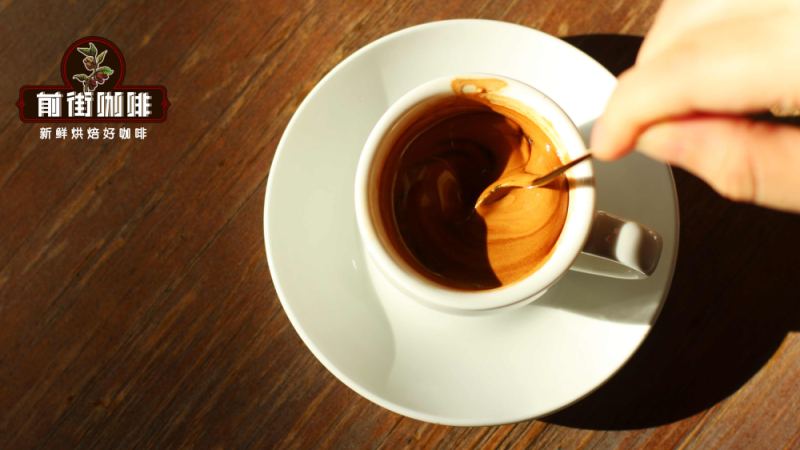
Same beans, same machine—why does today's espresso taste sharp and stinging, while tomorrow's is bitter and hard to swallow? The problem often isn't technique itself, but rather that the coffee beans' degassing state, air humidity, and atmospheric pressure are constantly changing. Starting from extraction variables, this article lays out a correction logic you can try first without touching the grind setting: check liquid weight and ratio first, then adjust dose, and only touch the grind setting last. Using the Front Street Classic Espresso Blend—a favorite among home users—as an example, it explains the resting period and flavor characteristics, helping you understand why baristas recalibrate espresso every morning, and enabling you to more confidently find that ideal espresso with balanced acidity and sweetness and rich crema at home.
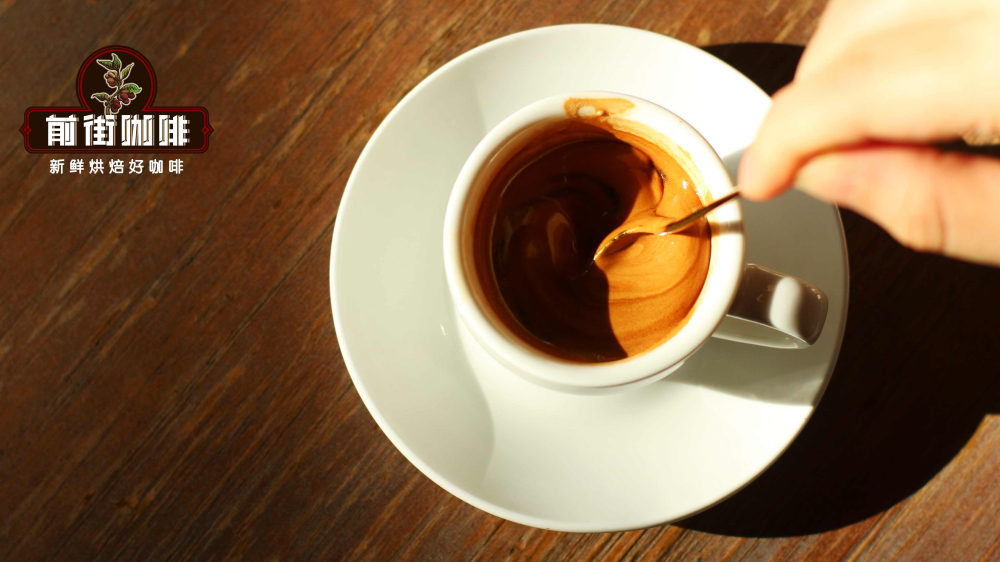
When making a cup of espresso, have you ever encountered this situation—sometimes it tastes smooth and balanced, while other times it's so sour it stings your tongue, or even so bitter it numbs your mouth?
Why does espresso flavor fluctuate so unpredictably?
Simply put, the reason espresso tastes different every day comes down to three variables continuously affecting extraction: the condition of the coffee beans themselves, ambient temperature, and air humidity.
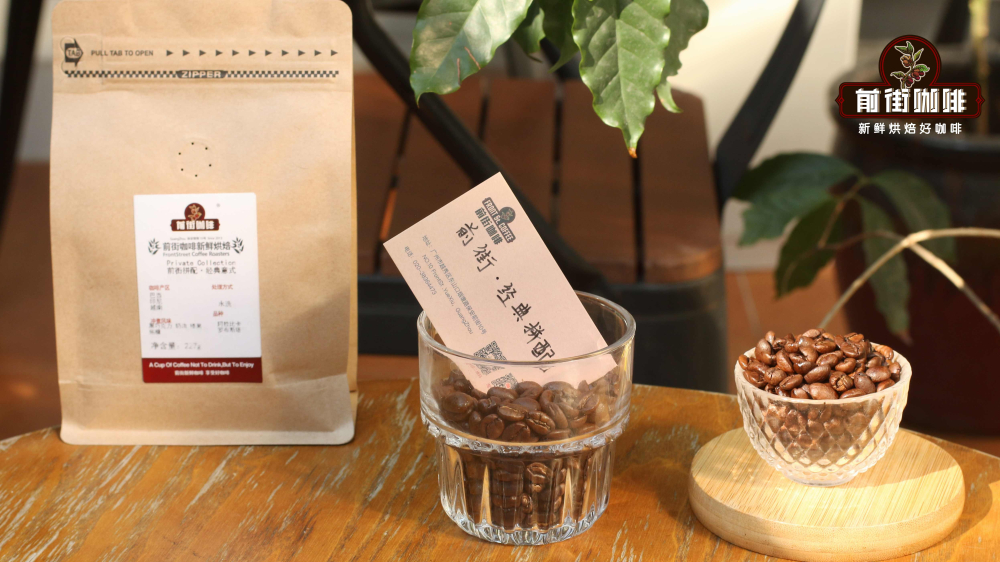
From the moment coffee beans finish roasting, they continuously release carbon dioxide, and only when they enter their optimal flavor window does the interior of the bean stabilize, making the flavor less susceptible to major interference. For example, the Front Street Classic Espresso Blend, beloved by home users, requires a 7–10 day resting period due to its medium-dark roast, and in its ideal state will have rich crema and caramel-type flavors like dark chocolate, butter, cookies, and roasted hazelnuts.
The amount of carbon dioxide stored inside the beans is constantly changing; during extraction it creates additional resistance, and as the gas gradually escapes, that resistance slowly diminishes, ultimately causing your originally set parameters to drift.
For example: on day one you use 19g of coffee and extract 38ml of liquid in 30 seconds, but overnight the beans keep degassing, resistance decreases, and on day two the same 19g of coffee might only need 26–28 seconds to extract 38ml of liquid.
Changes in humidity and atmospheric pressure are equally unignorable. The higher the indoor humidity, the denser the water molecules in the air, and coffee beans in a dry state easily absorb large amounts of moisture, disrupting extraction stability; fluctuations in atmospheric pressure also subtly change the extraction pressure strength of the espresso machine.
So using yesterday's parameters to extract today's beans will likely fail to replicate yesterday's taste. This is also why a barista's first task every morning is to calibrate espresso flavor—the goal being to keep each day's coffee as consistent as possible.
How do you calibrate espresso?
First, don't rush to adjust the grind setting! Grinding is the last option to consider, because every grind adjustment wastes at least one dose of coffee as a "sacrificial shot," and it's also mixed with residual grounds from the previous grind, so the extracted data has no reference value at all and can only be thrown away.
If the parameters are roughly close to yesterday's (for example, yesterday 18g of coffee extracted 36ml in 30 seconds, today 18g extracts 36ml in 28 seconds), then we can start with the extraction ratio.
Espresso Extraction Ratio
Pour-over coffee has a widely recognized 1:16 "golden extraction ratio," but espresso has no unified precise standard; the default ratio everyone uses is 1:2, meaning 1g of coffee extracts 2ml of liquid.
The reason for the lack of a precise standard is that espresso extraction has too many influencing factors and cannot simply apply a template like pour-over to meet requirements.
When espresso develops a sharp sourness, it's most likely under-extracted. We can extend the extraction time, increasing from the original 18g of coffee extracting 36ml of liquid to 38ml, increasing by 2ml of liquid each time. If you can clearly feel the sharpness of the acidity decrease, that means you're heading in the right direction.
If bitterness appears, it means the extraction amount has exceeded the extractable aromatic compound range, causing over-extraction, and at this point you need to adjust downward, reducing the extraction amount.
Coffee Dose
Besides the extraction ratio, you can also adjust strength by adding or reducing dose. A 0.2g change in dose is enough to produce a noticeable difference in taste, so when adjusting dose, also increase or decrease in 0.2g increments.
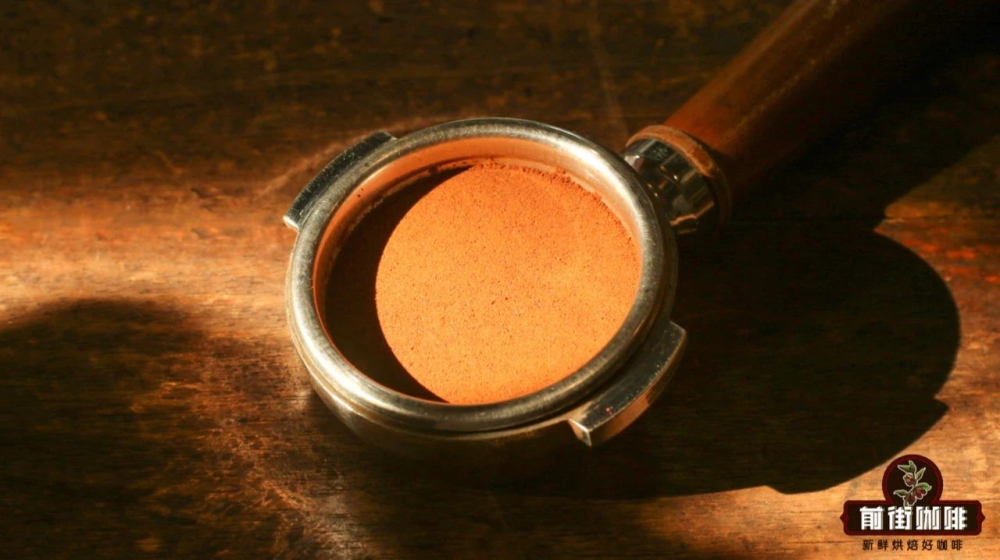
For example, if you use 19g of coffee and extract 38ml of liquid in 30 seconds, but still feel it's under-extracted and somewhat sharp (or over-extracted and bitter), then while keeping the liquid weight unchanged, you can appropriately reduce the dose, increasing or decreasing by 0.2g each time.
Grind Setting
When the dose has already reached the basket's limit—for example, a 20g basket filled with 20g of coffee—but extraction is extremely fast, finishing 38–40ml of liquid in just 24 seconds, and it tastes very sharp, this indicates the grind is too coarse, the gaps are too large, the coffee can't fully contact the hot water, causing ineffective extraction. At this point you must adjust the grind.
Turn the dial one small notch toward the lower number, discard the first dose of ground coffee, then extract the same liquid with the same dose, and you'll find the extraction time is longer than before and the flavor is fuller, then use the above two methods for fine-tuning.
Conversely, if the same 20g dose needs over 40 seconds to extract 38ml of liquid and the espresso smells strongly burnt, it's most likely over-extracted.
At this point you need to adjust the grind toward the higher number; the higher the number, the coarser the grind, the larger the gaps water can pass through, and the less extraction force, finally using the first two methods for fine-tuning to get a properly extracted espresso.
Once you've mastered the adjustment techniques, you'll be able to quickly find the corresponding solution—sharpness, bitterness, and weakness will no longer be problems. But if you're just satisfying a daily craving at home and don't need to serve customers, then there's no need for all this fuss—whatever way makes you comfortable and relaxed is what matters most.
The above content is compiled by CoffeeHunters, a coffee news website.


