







How does grind size change the cafe americano ratio?
Espresso grind size is not a fixed setting. Bean condition and air humidity shift extraction daily, so the grinder needs checking every morning and frequent small adjustments. Start from a 1:2 brew ratio and a 20 to 30 second shot time. If the shot runs past 30 seconds, grind coarser; if it finishes under 20 seconds, grind finer, moving in 0.5 steps.
Once the time sits inside 20 to 30 seconds, fine-tune flavor in 0.2 steps by tasting Americanos and lattes, which is where the cafe americano ratio and any bitterness become clear. Fresh beans also need rest, since beans shipped within 5 days of roasting still hold vigorous internal gases that make extraction unstable and limit flavor release. Let espresso beans rest a few days before dialing in.
Want to make delicious espresso at home? Grind size is the most frustrating part. Actually, there is no one-size-fits-all answer for espresso grinding—coffee bean condition and air humidity are constantly affecting extraction, so you need to check daily and fine-tune often. This article will start from Front Street's experience, explain why fresh beans need to rest for a few days first, and then give a quick method to determine grind size: start with the basic formula of 1:2 brew ratio and 20-30 seconds, and if the time exceeds 30 seconds or is less than 20 seconds, adjust coarser or finer in 0.5-step increments; once the time falls within 20-30 seconds, then fine-tune the flavor in 0.2-step increments by tasting Americanos and lattes. Finally, it will also recommend Front Street Classic Espresso Blend beans suitable for recreating cafe flavors, helping you easily extract rich crema.
How fine exactly should espresso grounds be ground? How can you find that just-right grind size? For many home enthusiasts, this is indeed a difficult hurdle to overcome.
First, you need to recognize one thing: espresso grind size is not something you set once and then never change. The coffee beans' own condition is changing, and air humidity is changing too, and these will interfere with the extraction result of espresso. So we need to fine-tune the grinder from time to time to adapt to these fluctuations. Usually, every morning you should confirm whether the current grind size can still complete extraction with the established parameters. On days when the weather is unpredictable, you may have just adjusted it in the morning, and by the afternoon it is off again, so you have to adjust it again.
Front Street would like to add one more reminder here: sometimes extraction is inconsistent, and the grinder needs to be adjusted frequently. Besides uncontrollable factors like weather, another very key reason is the freshness of the coffee beans. All coffee beans sold by Front Street are shipped within 5 days after roasting, so when you receive them, the beans are still very fresh. But for espresso, beans that are too fresh have vigorous internal gases, the extraction process is prone to instability, and flavor release is also limited. Therefore, Front Street recommends that after receiving espresso beans, let them rest for a few days before use.
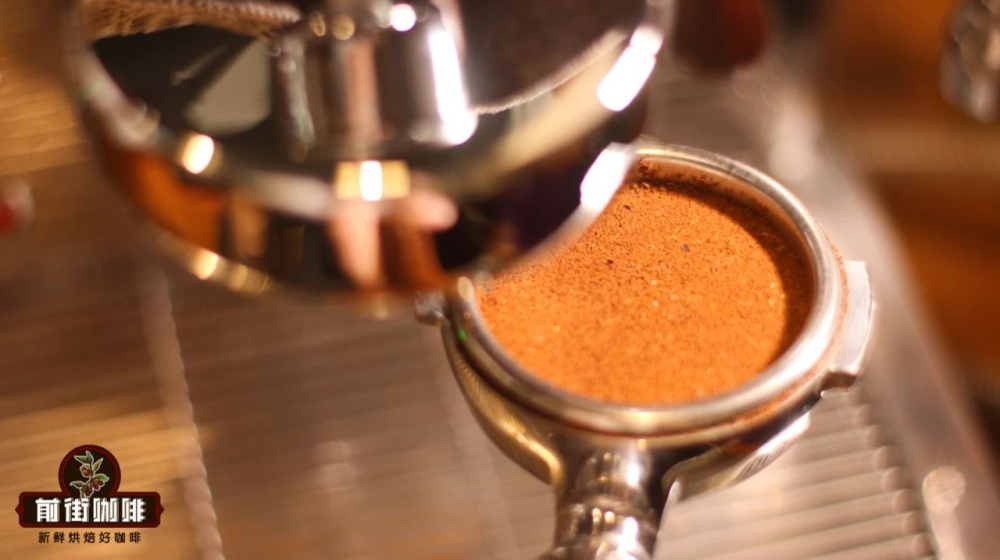
To find the right espresso grind size, you can only rely on extracting again and again to test. But before you start adjusting the grinder, you first need to clarify a few goals. First, why adjust the grind? Because the espresso currently extracted has not met our set requirements, including both extraction parameters and flavor performance. Second, during the grind adjustment process, try to keep other variables stable, such as skilled and precise distribution and tamping techniques, and consistency of dose and yield, otherwise grind adjustment becomes a tangled mess full of uncertainty.
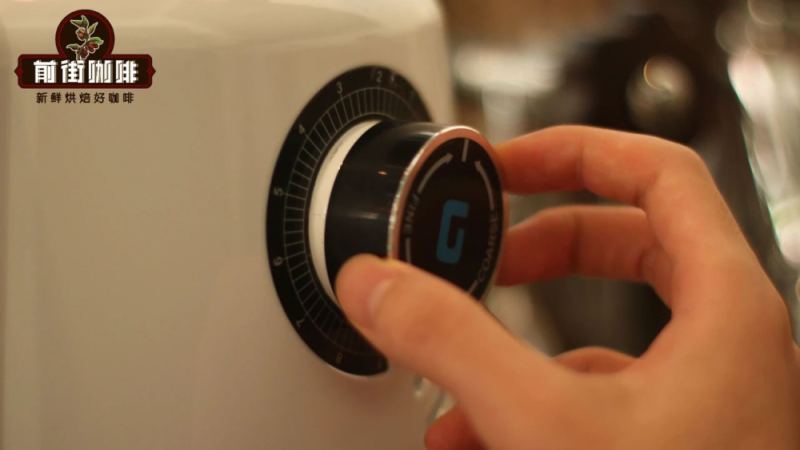
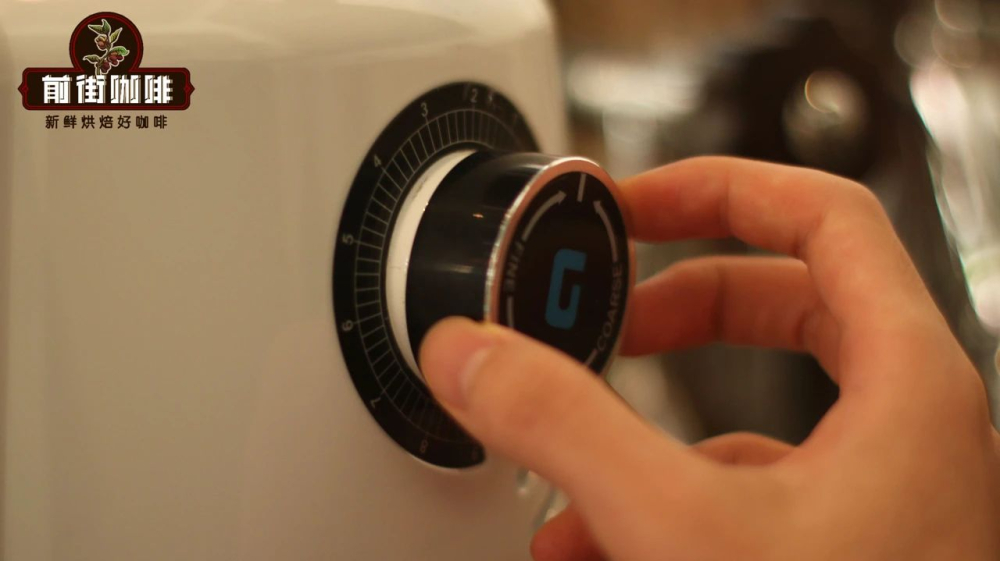
Here is a simple method to quickly lock in the grind size. First, casually set a grind size (visually close to flour fineness), for example, on the Q18 grinder at Front Street Coffee's shop, set the setting to 2.0. Then apply the basic formula "1:2 brew ratio, 20-30 seconds" to extract. The dose is determined by the basket's recommended capacity, for example, a 20g basket uses 20g of coffee, and an 18g capacity corresponds to 18g of coffee.
If the extraction time exceeds 30 seconds, then next time adjust the grind coarser, by about 0.5 step, that is, from 2.0 to 2.5; if the time is less than 20 seconds, next time adjust finer, changing the setting to 1.5.
Once the extraction time can stabilize within 20-30 seconds, we then make fine adjustments by drinking Americanos or lattes. The adjustment range for this round should be reduced to 0.2 step. If the coffee does not have enough aroma and tastes overall too sour, then adjust finer by 0.2 step, turning the grinder dial to 1.8; if the coffee has a burnt bitter taste that is unpleasant, then adjust coarser by 0.2 step, that is, 2.2, and repeat until the overall flavor of the espresso is satisfying.
Actually, when making espresso, besides getting all kinds of parameters right, Front Street thinks choosing the right coffee beans is equally key, because the beans are the foundation that determines whether a cup of coffee tastes good.
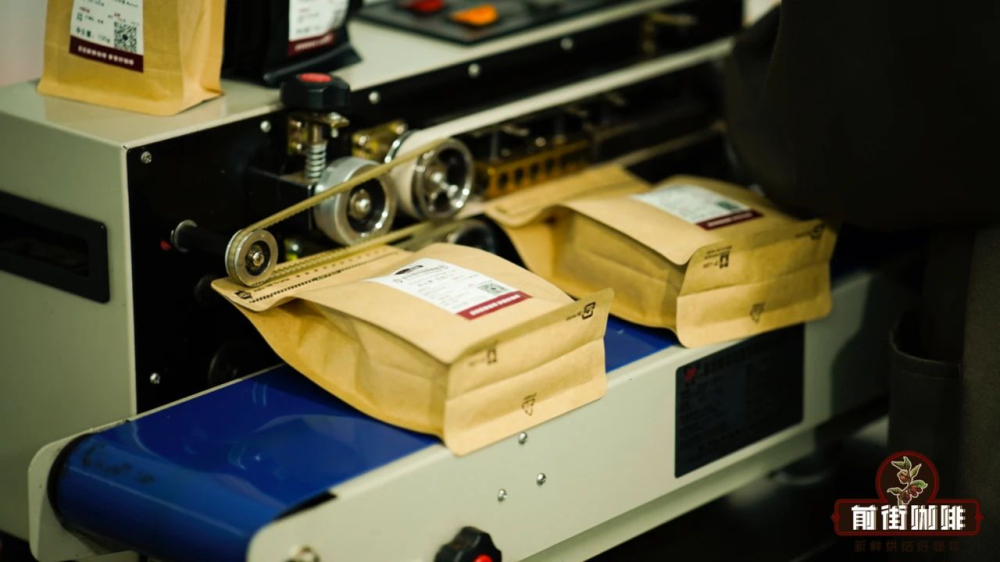
If you want to recreate the same espresso drinks as a coffee shop at home, it is recommended to try Front Street Classic Espresso Blend Coffee. This bean is blended from three origins: Brazil, Indonesia, and Vietnam, so it has both the caramel sweetness of American beans and the wild character of Asian beans. In order to highlight the coffee's rich aroma to the greatest extent, and to allow everyone to easily extract rich, dense crema, Front Street uses a deep roast. Whether made into an Americano diluted with water or a latte paired with milk, it performs excellently. You can place an order at Front Street's Taobao store or Front Street Tmall flagship store.
The above content is compiled by CoffeeHunters, a coffee news website.


