







Search Results for: Gout Prevention

Can Drinking Coffee Lower Gout Risk? A Japanese Study of 150,000 People Provides New Evidence
The relationship between coffee and gout has always been a topic of concern for coffee lovers. In the past, people worried that caffeine metabolism would raise uric acid levels, but in recent years, multiple studies have pointed to the opposite conclusion. A large-scale study jointly conducted by the National Defense Medical College of Japan and Osaka University, involving more than 150,000 Japanese people, analyzed the association between the number of days per week of coffee consumption and uric acid levels and the incidence of gout. The results showed that for each additional day per week of coffee consumption, the risk of developing gout could be reduced by about 25%. This finding provides new data support for coffee's role in preventing gout and has also prompted further thinking about coffee components and the mechanisms of gout. This article will review the core conclusions of the study, previous research evidence, and expert opinions to help readers scientifically understand the relationship between coffee and gout. [more…]
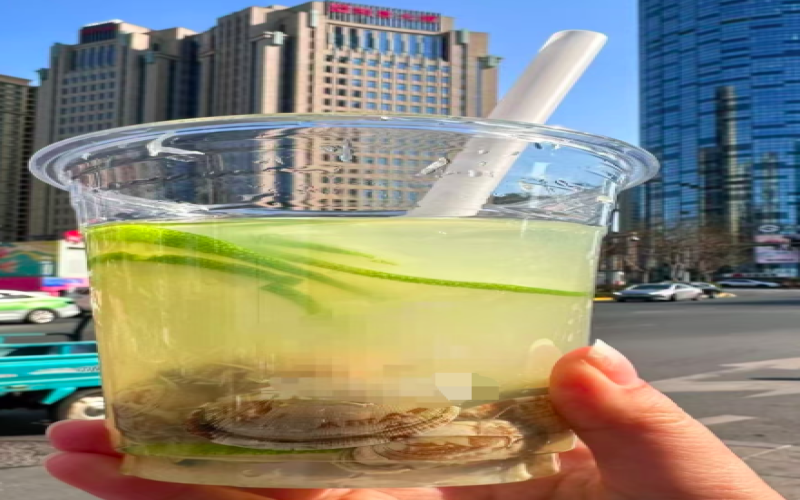
A milk tea shop in Qingdao has sparked discussion by launching clam milk tea. Can this creative drink made with clam broth be accepted by consumers?
Recently, a milk tea shop in Qingdao, Shandong launched a creative drink based on clam broth, quickly sparking widespread discussion on social media. The clam milk tea looks as clear as lemonade, with clam shells and lemon slices settled at the bottom of the cup, delivering a strong visual impact. Some people are eager to try it, some say it is hard to accept, and others have raised questions about its food safety. The store manager responded that the clam shells are only for decoration, and the drink does indeed contains broth simmered from Hongdao clams, mixed with perfume lemons and Laoshan white flower snake grass water. The product is currently still in the research, development and testing stage, and whether it will be launched in the future and how the formula will be adjusted remain to be seen. [more…]
What Is Bulletproof Coffee? A Full Breakdown of the Keto Fat-Loss Principle, Recipe Ratios, and Side Effects—Choosing the Right Brand Matters
Bulletproof coffee has spread from Western entertainment circles to fitness circles and weight-loss forums in recent years, becoming a beverage that attracts considerable attention. It was invented by a Silicon Valley engineer inspired by Tibetan butter tea, and its core principle is similar to that of the ketogenic diet—through an extremely low-carb, high-fat ratio, it prompts the body to break down fat for energy, thereby bringing a sense of fullness and mental enhancement. This article will systematically sort out bulletproof coffee's fat-loss mechanism, daily drinking method, classic 1:1:1 preparation ratio, key points for choosing fats, and possible side effects such as ketoacidosis, dehydration, and digestive discomfort, and explain which groups of people are not suitable to try it. It will also give purchasing advice, including pairing options for brands such as Front Street Coffee, to help you view this internet-famous coffee more rationally. [more…]

Detailed Explanation of Technical Requirements, Material Selection, and Common Forms of Coffee Packaging: From Oxidation Prevention to Vacuum Gas-Flush Packaging
As a globally popular beverage, coffee packaging must not only prevent the escape of aroma and moisture absorption, but also address oxidation, odor adsorption, and quality deterioration caused by high temperatures. This article focuses on the packaging needs of regular coffee and instant coffee, systematically outlining key technical requirements such as oxidation prevention, moisture resistance, gas barrier properties, and high-temperature protection, and introduces current mainstream vacuum packaging and gas-flushing packaging processes. In terms of material selection, bags, bag-in-box, metal cans, and glass jars each have corresponding composite structure solutions, while instant coffee mostly uses paper/aluminum foil/polyethylene flexible packaging. The article concludes with a summary of common packaging forms such as bags, cans, and boxes, suitable for reference by coffee enthusiasts and industry professionals. [more…]
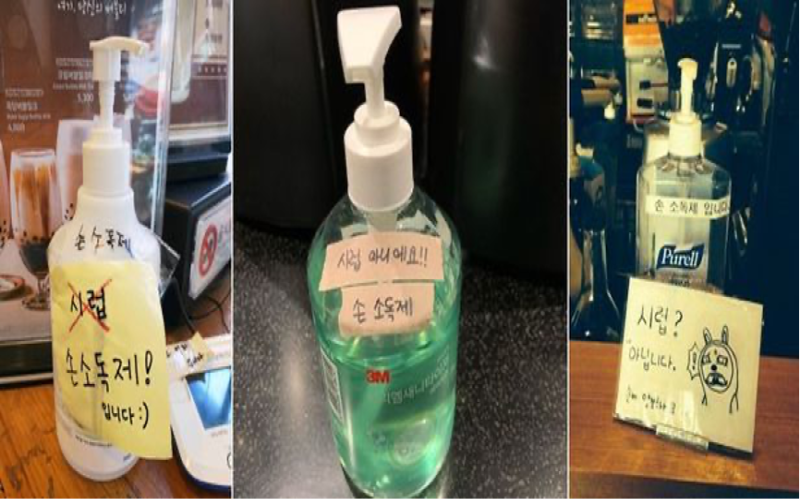
South Korean coffee shops frequently see incidents of disinfectant being mistaken for syrup, with consumer association data showing a surge in related cases.
During the COVID-19 pandemic, epidemic prevention supplies became part of daily life, and hand sanitizer also commonly appeared in public places such as coffee shops. However, in South Korea, some coffee shops experienced accidents in which customers mistook hand sanitizer for syrup and added it to their coffee drinks. Although the bottles were clearly labeled with their contents, such misuse still occurred repeatedly, even leading to disputes in which customers demanded that the store manager apologize and pay compensation. Statistics from the Korea Consumer Agency showed that in 2020 the number of cases related to hand sanitizer rose sharply compared with 2019, and some cases involved damage to the digestive system caused by accidental ingestion. While maintaining epidemic prevention measures, coffee shops also face the challenge of how to make labels more conspicuous and reduce misuse. [more…]
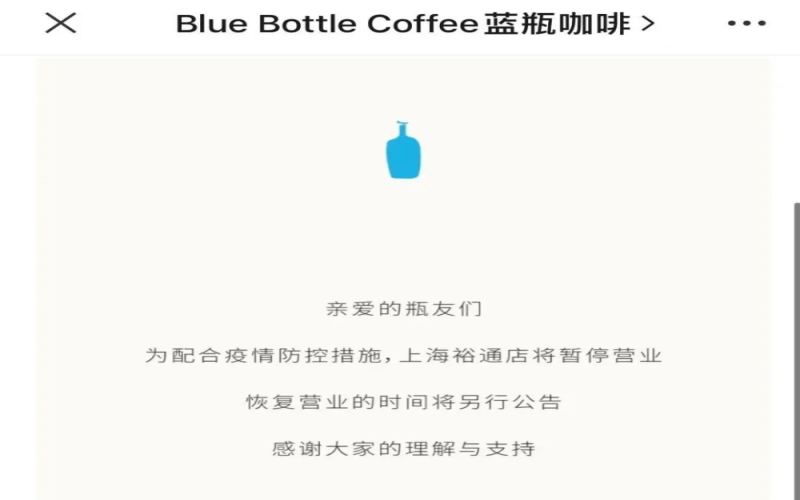
Shanghai's Blue Bottle Coffee hits pause due to the pandemic: the rise and fall of its first mainland store, from long queues to closure
Blue Bottle Coffee's first mainland China store—Shanghai Yutong Store—went from a phenomenon-level check-in spot with seven-hour queues on opening day to announcing a temporary closure in response to epidemic prevention and control measures. What was the process like? This article reviews the changes in customer flow since the store opened, adjustments to epidemic prevention measures, and the development of Shanghai's current round of the epidemic. As a brand widely regarded as the "textbook" example in the specialty coffee field, Blue Bottle's temporary farewell this time has left many coffee lovers feeling regretful. In the face of the epidemic, health always comes first, and we will continue to follow updates on its reopening. [more…]
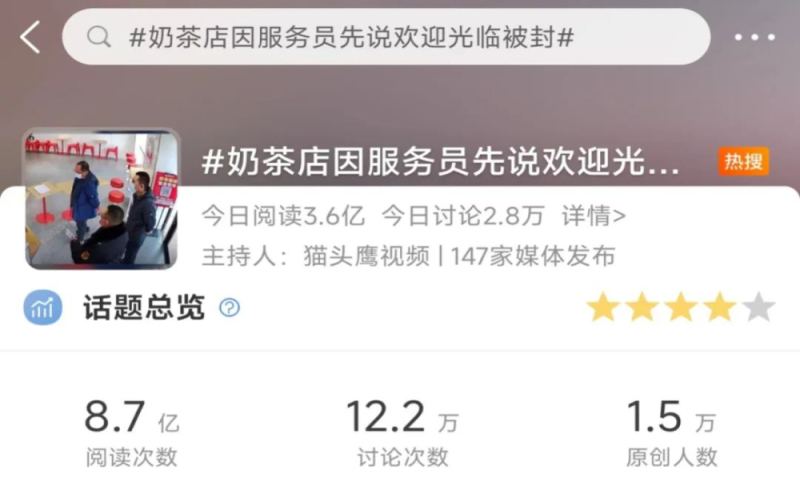
A simple "Welcome" led to the shutdown of a milk tea shop; official notice confirms abuse of power and holds those responsible accountable.
A milk tea shop was sealed and ordered to close on the spot by market supervision officials in under a minute—all because the staff said "Welcome" before asking customers to scan the QR code. The incident sparked widespread attention after it was exposed. An official statement later concluded that the law enforcement officers had abused their power and deliberately made things difficult; those involved have apologized and been disciplined. In this issue of coffee news, while we follow this incident, we also remind coffee professionals to be mindful of the boundaries of law enforcement in epidemic prevention and control, and we continue to bring coffee enthusiasts professional coffee knowledge and Front Street Coffee product recommendations. [more…]
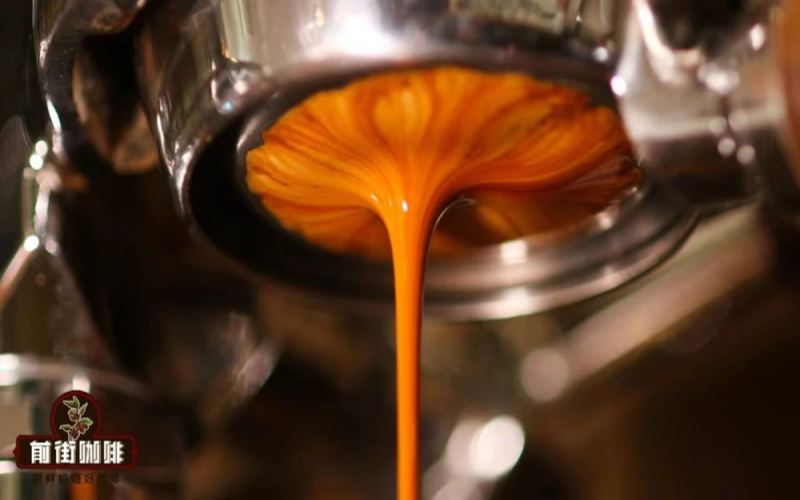
What Is Channeling in Espresso? Understanding Over-Extraction and Key Points for Distribution and Prevention
Espresso can be called the flavor foundation of all Italian-style drinks. A well-extracted espresso can fully amplify the strengths of the coffee beans; but once it is done badly, the flaws are likewise magnified many times over. Among the many factors affecting espresso quality, "channeling" occurs extremely frequently. Once it happens during extraction, it has a negative impact on the coffee's taste, yet it is often overlooked. In this article, Front Street will explain clearly what channeling actually is, why it occurs so often, and the key to preventing it—optimizing the distribution step—to help baristas and coffee enthusiasts steadily improve the quality of their output. [more…]
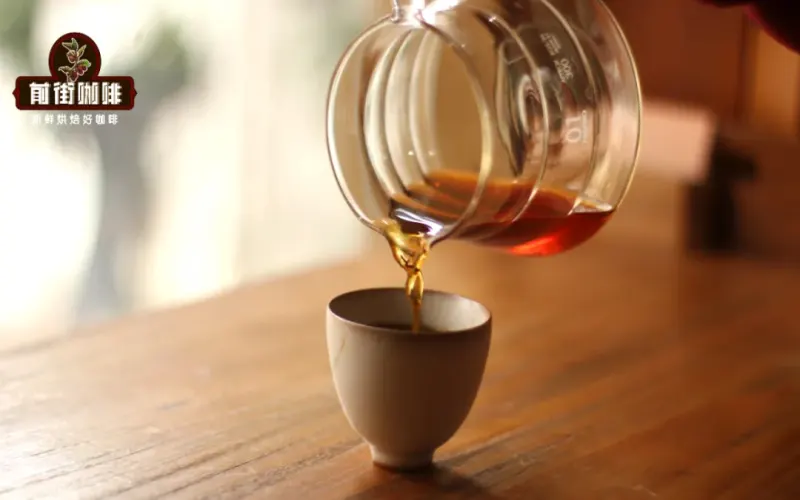
Is Freezing Coffee Beans Reliable? A Full Analysis of Sealing, Moisture Prevention, and Condensation Issues
What should you do if you buy too many coffee beans and can't finish them within their peak flavor window? The aroma of coffee dissipates along with carbon dioxide, so the brewed flavor naturally suffers. Some people therefore try putting their beans in the freezer, said to extend freshness—but does this method actually work? Low temperatures can indeed slow the loss of aroma, but freezing is not foolproof: improper sealing leads to odor transfer, and condensation strikes when you take the beans out. This article walks through the key points and common pitfalls of freezing coffee beans in detail, helping you decide whether this practice is worth trying. [more…]

Multiple countries in the American region are welcoming a severe dengue fever season, and the coffee industry is facing a shortage of manpower.
Recently, according to the Pan American Health Organization (PAHO), a disease prevention agency in the Americas, due to the rise in global temperatures and the influence of extreme weather beans, the number of reported dengue fever cases in the Ameri [more…]
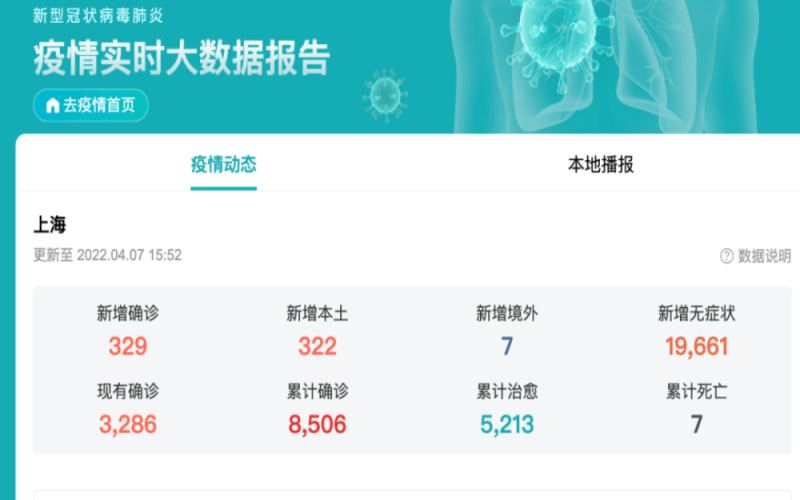
During the Shanghai pandemic, coffee was traded for canned meat; Front Street Coffee discusses coffee passion and supply shortages
During the COVID-19 pandemic in Shanghai, shortages of supplies became a difficult problem for residents. A blogger exchanged the only coffee at home for a neighbor's canned meat, sparking heated discussion online. Some joked about whether coffee beans could be traded for vegetables, while others questioned whether it was worth it. This article records this coffee story from a special period, and reminds everyone to cooperate with epidemic prevention and reduce contact. At the same time, Front Street Coffee continues to provide coffee lovers with professional exchange and specialty bean information. [more…]
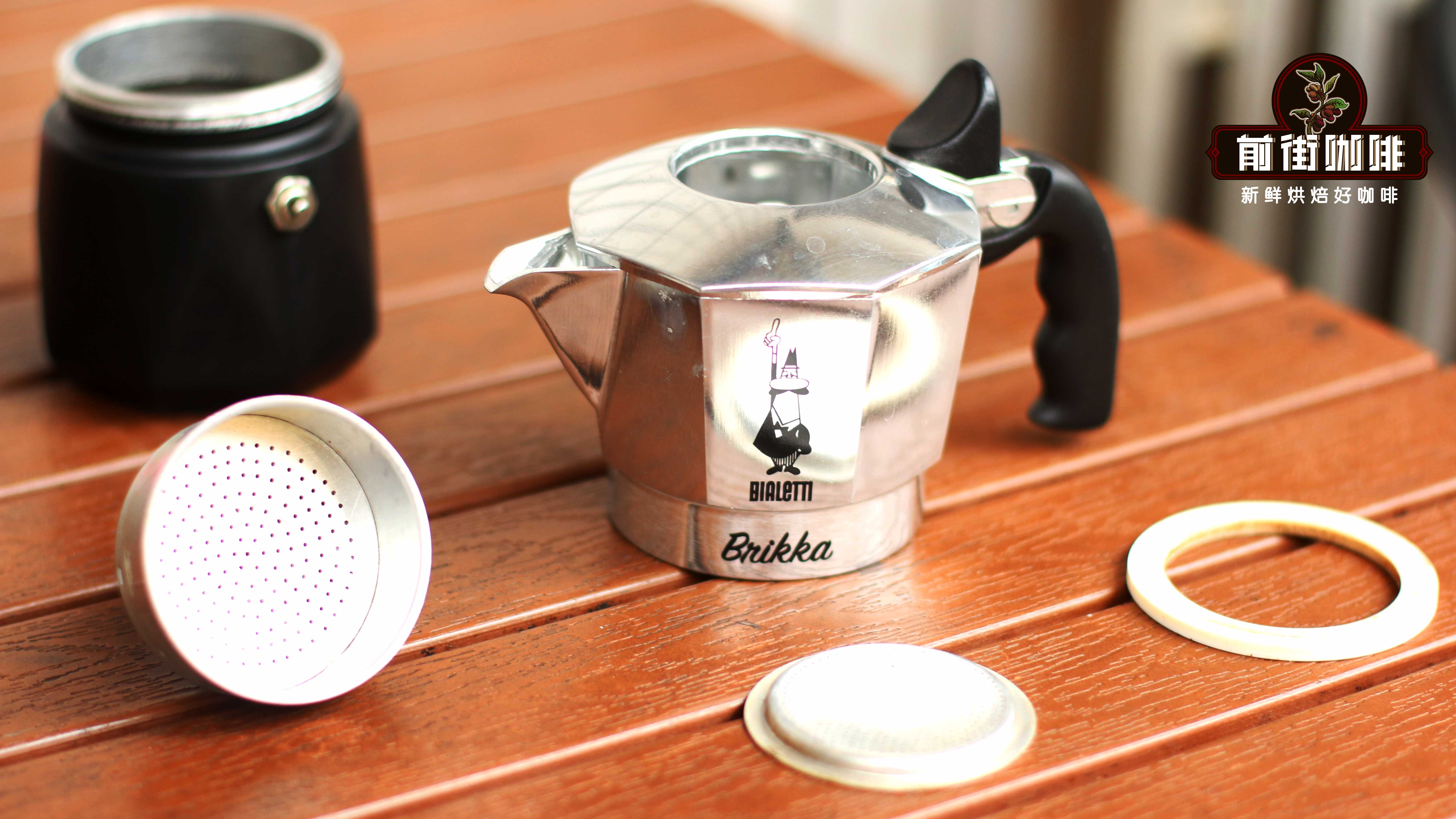
Detailed Guide to Moka Pot Seasoning Steps: Cleaning Methods, Burn Prevention Tips, and Explosion Risk Avoidance
A newly purchased moka pot also needs to undergo a "seasoning" process like an iron wok, in order to remove metal shavings and oil residue left from manufacturing. But seasoning is not simply rinsing—it involves many details: Why can't you season it with just water? When should you stop heating to avoid bursting the pot? How should you clean and store it properly? Front Street Coffee will explain in detail the correct method for seasoning a moka pot, and share key precautions during use, helping you safely and efficiently enjoy the coffee pleasure brought by a moka pot. [more…]
The Channeling Effect in Pour-Over Coffee Brewing: Causes and Prevention
Channeling is often thought to be related only to espresso, but in reality, pour-over extraction can also exhibit this phenomenon. When hot water bypasses the coffee bed and flows directly away through the gap between the filter paper and the dripper, it causes uneven extraction. Drippers with flow-control ribs, such as the V60 and Origami, are more prone to this kind of problem. Channeling manifests differently depending on its severity: in mild cases, hot water flows over the coffee bed and escapes through gaps at the top; in severe cases, the coffee wall is breached, forming obvious fractures, resulting in weak, astringent, and muddy coffee. Fortunately, by adjusting the pouring method—for example, reducing large circular pours and lowering the pouring height—the occurrence of channeling can be effectively reduced. [more…]
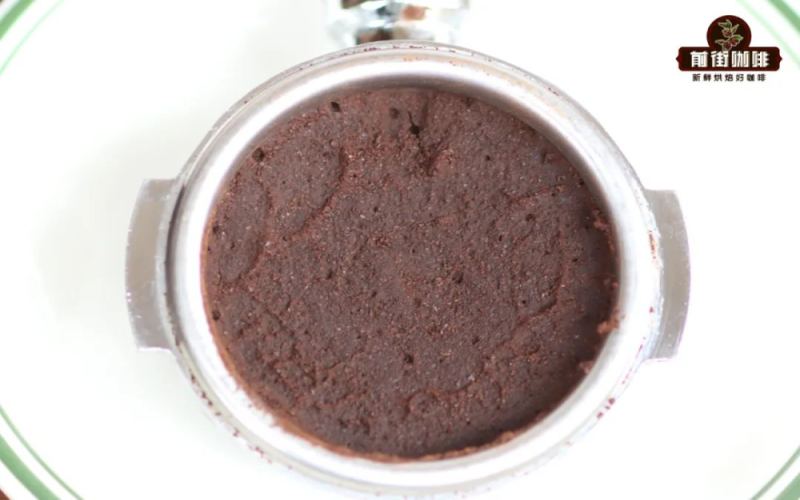
Espresso Preparation: A Comprehensive Analysis of Distribution and Tamping Details and Channeling Prevention
Extracting a qualified espresso—the real contest begins before the portafilter is even locked in. As the core steps of the preparation stage, distribution and tamping directly determine whether the coffee puck can withstand the impact of 9 bar of high-pressure water. Once the powder layer is uneven in density or not compacted properly, hot water will find the path of least resistance and punch through, forming what is known as "channeling," which leads to uneven extraction and an unbalanced flavor profile. This article will break down the standard operating process step by step, from dosing to distribution to tamping, compare the respective pros and cons of manual distribution and distribution tools, and share Front Street Coffee's professional advice on common pitfalls, helping you consistently reproduce a cup of espresso with distinct layers at home. [more…]
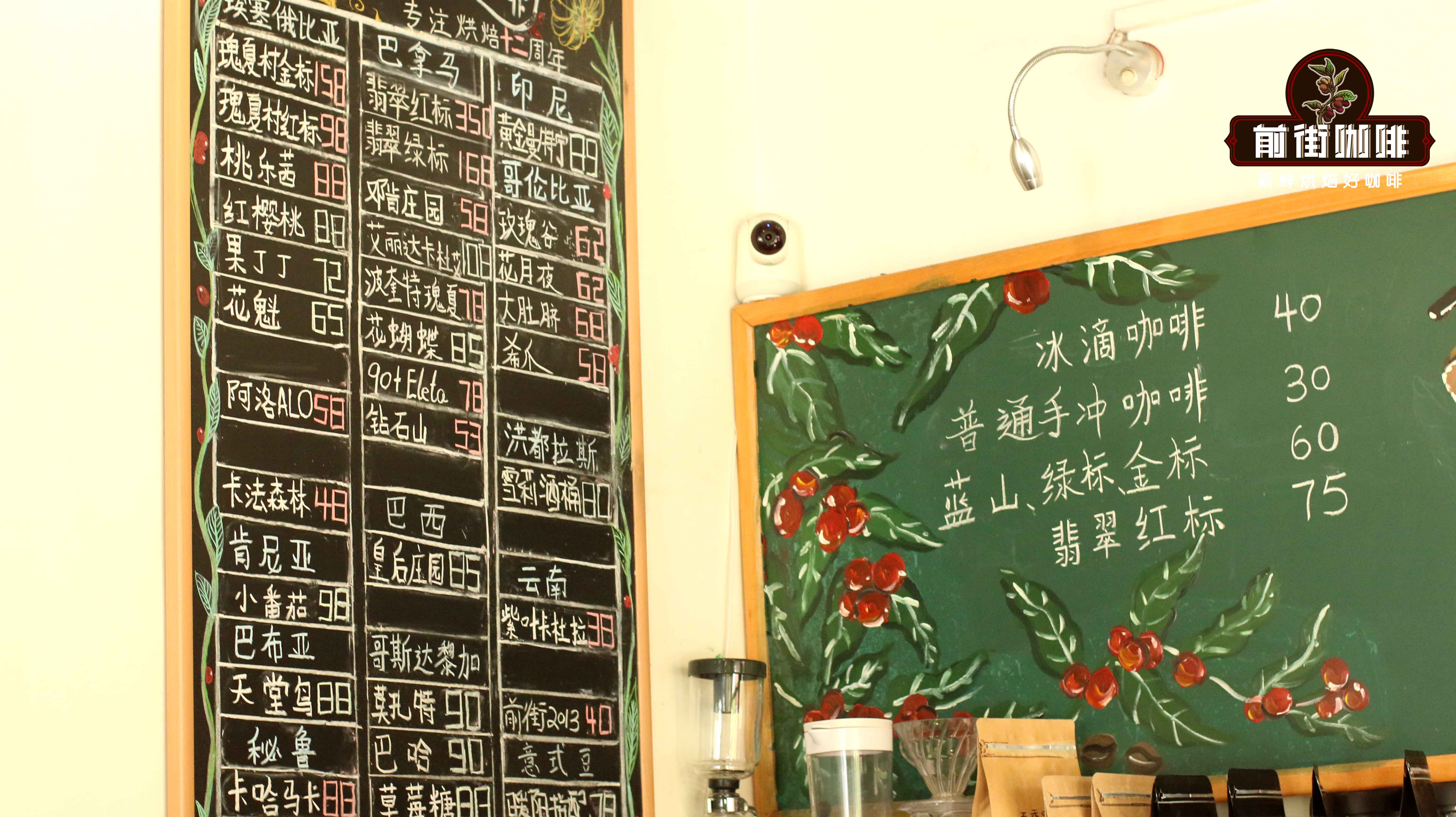
Three Major Taboos in Coffee Bean Storage and Analysis of Freezing Feasibility: Practical Tips from Moisture Prevention to Thawing
As the Spring Festival approaches, courier services are gradually suspending operations, and many coffee lovers have already stocked up on beans in advance. But how to keep coffee beans fresh during this period has become a concern for everyone. Storing coffee beans requires avoiding three major enemies: high temperatures, moisture, and oxidation. High temperatures accelerate the loss of aroma, moisture easily leads to mold, and oxidation shortens the optimal flavor period. Front Street recommends that unopened original packaging be kept in a cool, dry place, and that an airtight container be used after opening. As for refrigeration or freezing, although it can slow oxidation, it comes with the challenges of absorbing odors and becoming damp during thawing. This article will break down these storage points in detail to help you enjoy the New Year with peace of mind. [more…]

What Should You Do If a Departing Employee Takes Coffee Shop Recipes? Industry Insiders Share Prevention Tips and Mindset Adjustment
Beyond the usual Americanos and lattes, independent coffee shops often offer signature drinks that have been repeatedly refined—recipes that embody the owner's dedication. But when a barista leaves and takes those recipes to their next job, how should owners respond? Some agonize over this, while others believe that recipes have become largely transparent these days and aren't worth overthinking. This article compiles the views and advice of several industry professionals, exploring this common industry dilemma from legal agreements and house-made ingredients to mindset adjustments, and includes related recommendations from Front Street Coffee for coffee lovers and shop owners to reference. [more…]
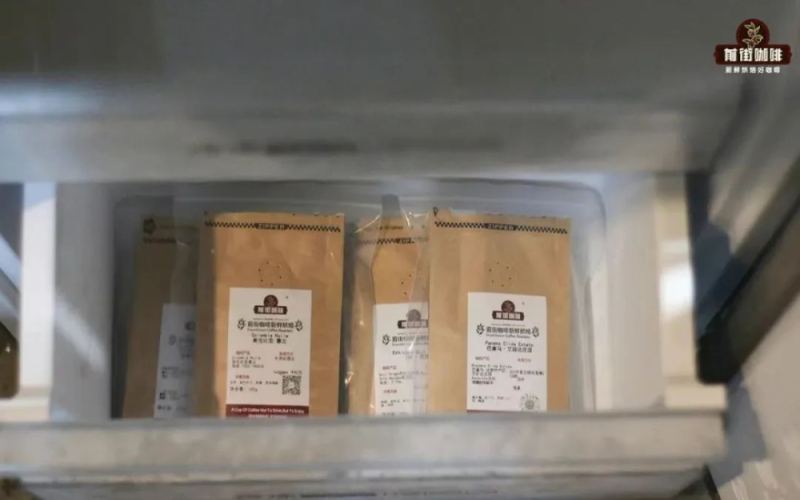
The Complete Guide to Coffee Bean Storage: Can Freezing in the Refrigerator Extend Freshness and Key Points for Moisture and Odor Prevention
Bought too many coffee beans and can't finish them for a while—can you just toss them in the fridge? Should they go in the refrigerator or the freezer? This article centers on the real goal of "freshness"—preserving aroma—and breaks down the five great enemies: strong light, high heat, moisture, oxygen, and odors, while offering practical home freshness-locking solutions. It also draws on the experimental conclusions of Swiss scientist SAMO SMRKE to explain that freezing can significantly slow down coffee bean degassing and delay the peak flavor period, but improper handling can also lead to air leakage, moisture absorption, and odor transfer. At the end, Front Street's detailed freezing and thawing tips are included to help you store your beans more reliably and enjoy better-tasting coffee. [more…]
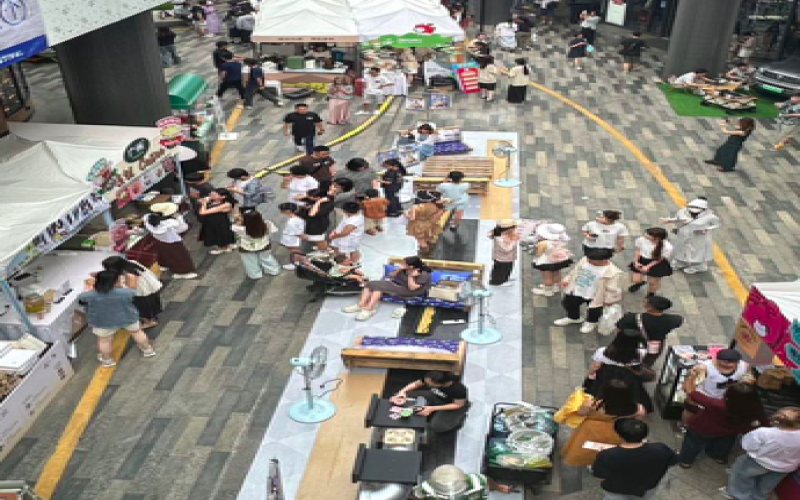
Fuzhou Outdoor Coffee Festival Hit by Extreme Heat, Vendors and Visitors Alike Say the Experience Was Greatly Diminished
Over the past weekend, a large outdoor coffee market in Fuzhou attracted hundreds of brands, but temperatures of over 30 degrees Celsius, even approaching 40 degrees, turned what was meant to be a relaxing coffee gathering into something far less pleasant. Although the organizers adjusted the event hours to the evening and took some cooling measures, the temperature difference between the inner and outer areas was stark. Vendors in the outer area felt as if they were trapped in a steamer, while visitors complained repeatedly about unclear signage and insufficient lighting. When holding outdoor events in extreme weather, there is clearly still considerable room for improvement in heatstroke prevention plans and on-site management. [more…]

Central Kenya coffee-growing regions hit by persistent heavy rain, with Nyeri, Kiambu and other production areas suffering severe losses, casting a shadow over the next harvest season
Recently, multiple East African countries have been hit by sustained heavy rainfall, with major coffee-producing areas in central Kenya such as Nyeri, Nakuru, and Kiambu suffering severe damage. Floods, mudslides, and other disasters have caused significant casualties and property losses, and as coffee is currently in its flowering and fruiting stage, the next harvest season is expected to be severely affected. Meanwhile, Kenyan coffee auction prices have already hit record highs, and prices may climb further in the future. The Kenyan government has allocated 4 billion shillings for disaster relief. The Chinese Embassy in Kenya has also issued a reminder, calling for attention to weather changes and flood prevention and disease control. Stay tuned to the disaster situation in coffee-producing areas; Front Street Coffee will continue to follow up with reports. [more…]
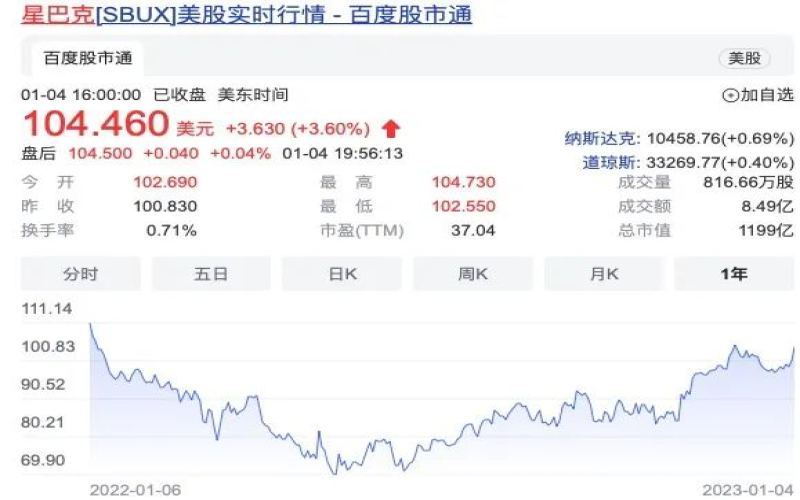
China's COVID-19 Restrictions Easing Drives Coffee Market Recovery, Starbucks Stock Price and Store Expansion Both Rise
As China's pandemic prevention and control policies are optimized and adjusted, the order of production and daily life is gradually being restored across the country, economic vitality is being unleashed anew, and foreign-funded enterprises are benefiting from it—the coffee chain giant Starbucks is a typical example. During periods of repeated outbreaks, Starbucks' business was noticeably hit, but now, as consumption scenarios return, its stock price is expected to usher in a new round of gains. Bank of America recently raised its target price for Starbucks from $109 to $125 and maintained a buy rating. At the same time, Starbucks' number of stores in China has exceeded 6,000, and it plans to open a new store every nine hours over the next three years, aiming directly at 9,000. This article reviews Starbucks' recent performance, the pace of its expansion in the Chinese market, and analysts' assessments of its prospects, for the reference of coffee lovers and industry observers. [more…]