







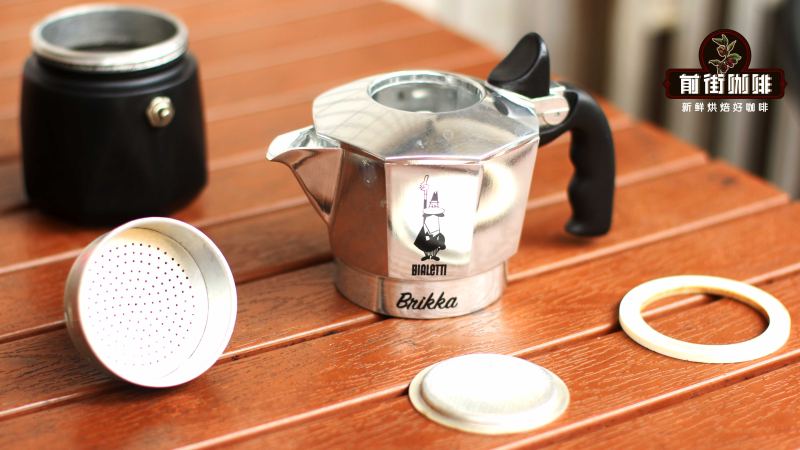
Does a New Moka Pot Really Need Seasoning?
A new moka pot does need seasoning, the way a new iron wok does. Manufacturing can leave metal shavings and oil inside, and plain rinsing cannot reach every corner of the body. The method is simple: brew three pots of coffee through the normal process — add water, fill with grounds, tighten, heat, brew, pour out and clean — and the pot is seasoned.
Cleaning rules matter as much as the seasoning itself. Rinse the moka pot with clean water only, never place it in a dishwasher, and do not boil it in a pot of water to disinfect it, since both practices damage the coating and make the body prone to oxidation and mildew. Instructions commonly require three seasoning brews before normal use, and knowing how long does it take a moka pot to brew helps time each round.
A newly purchased Moka pot also needs to undergo a "seasoning" process like an iron wok, in order to remove residual metal shavings and oil stains from manufacturing. But seasoning is not simply rinsing—it involves many details: Why can't you season it with just water? When should you stop heating to avoid the pot exploding? How should you properly clean and store it? Front Street Coffee will explain in detail the correct method for seasoning a Moka pot, and share key precautions during use, helping you safely and efficiently enjoy the coffee pleasure a Moka pot brings.
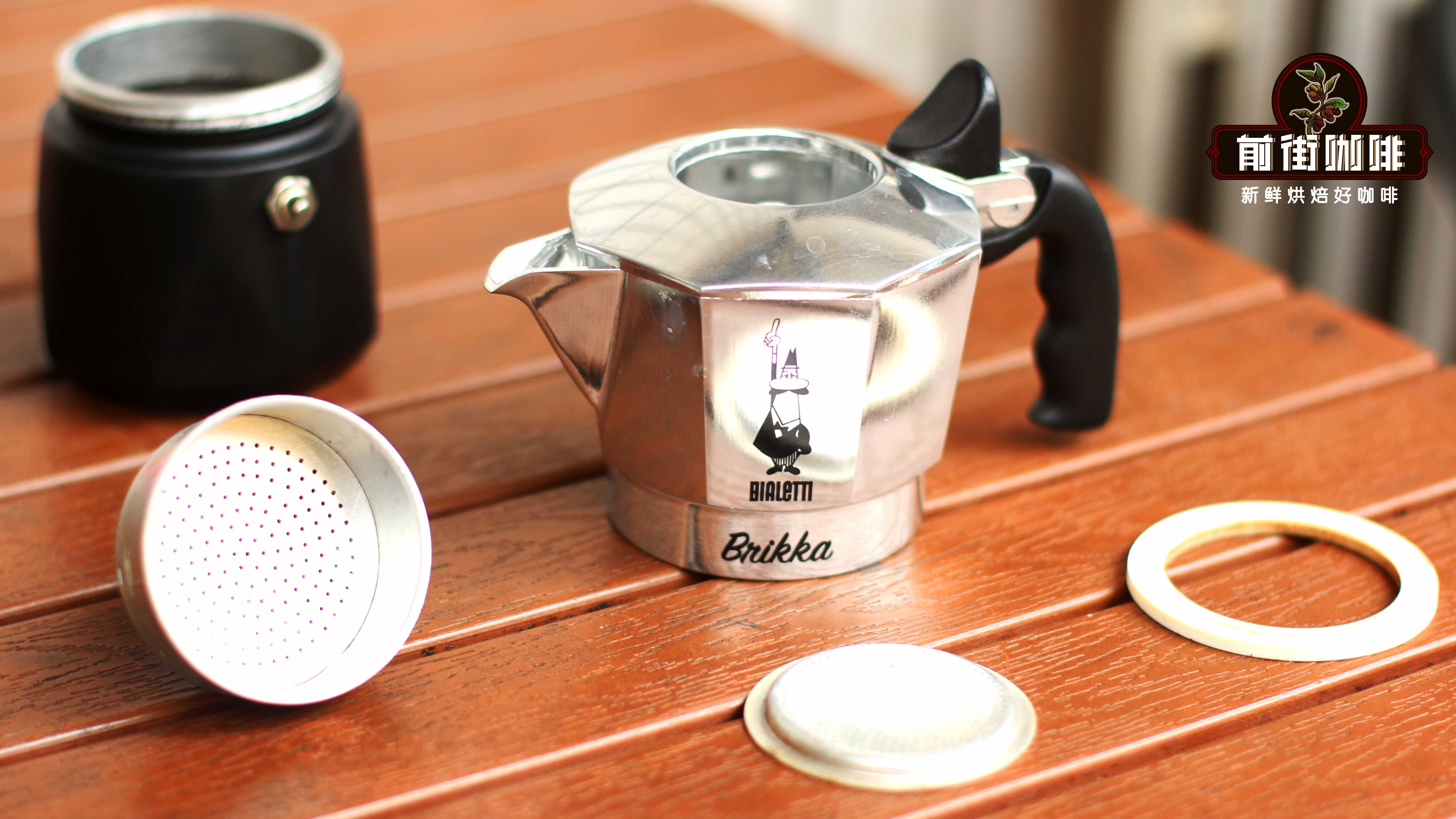
When we buy a new iron wok, we usually "season" it first to prevent rust before officially using it. But you may not have realized that a newly purchased Moka pot also needs a similar seasoning process.
Anyone who has used a Moka pot knows that the product instructions often include a prominent reminder, roughly meaning: the Moka pot must be seasoned three times before normal use. This confuses many people—Moka pots are mostly made of aluminum, so is it really necessary to season them? Can't you just wash them clean?
Does a Moka pot really need seasoning?
The answer is: it is indeed necessary. At the factory stage, the interior of a Moka pot may retain uncleared metal shavings and oil. Although most stains can be removed by washing, there are many hard-to-reach corners in the pot body that cannot be thoroughly cleaned by ordinary rinsing alone. Therefore, only by cleaning combined with seasoning can these residues be completely removed. However, seasoning itself has quite a few tricks. Next, Front Street will talk about the correct way to season a Moka pot.
Before that, Front Street would first like to remind you of the cleaning key points: when cleaning a Moka pot, just rinse it with clean water. Never put it in a dishwasher, and do not put it in a pot and boil it in boiling water for a long time to disinfect it. Both practices can easily damage the coating layer of the pot body, making it more prone to oxidation and mildew.
How should a Moka pot be properly seasoned?
The operation is actually not complicated. Just brew three pots of coffee according to the normal process—add water, fill with grounds, tighten, heat, let it brew, pour it out, and clean (for a deeper understanding, you can refer to the "Nanny-Level Moka Pot Usage Guide"). Repeat three rounds, and the seasoning is complete. But be sure to remember: the coffee liquid brewed these three times may contain contaminants and must absolutely not be drunk; it must be poured out directly. In addition, there are some usage details worth noting. Keep reading.
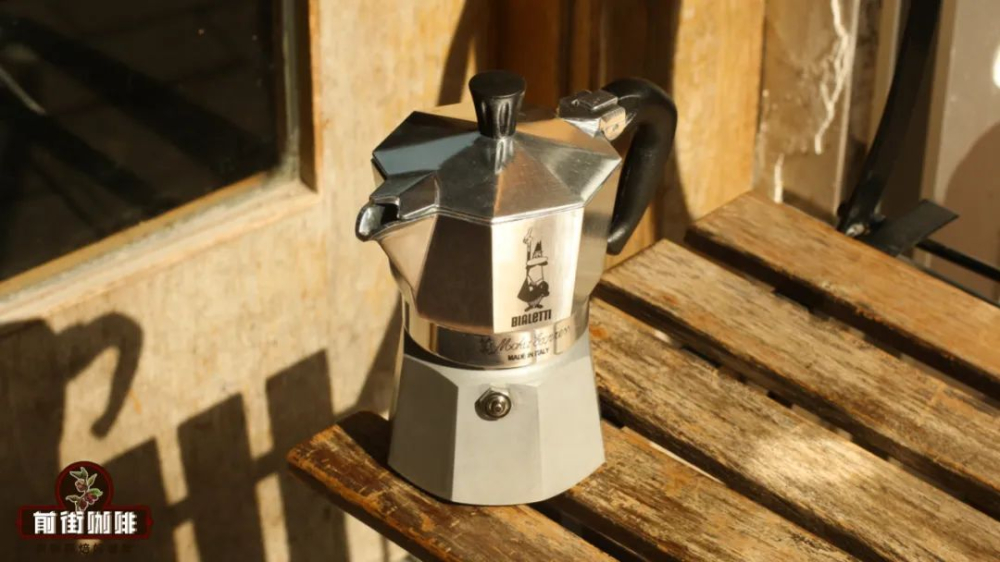
1. When seasoning, it is best not to use only clean water
Since the coffee brewed during seasoning cannot be drunk, many people choose to season with clean water to reduce waste. However, this practice can very easily cause scald accidents.
When coffee grounds are filled into the filter basket, they create resistance and slow down the speed at which hot water penetrates. Therefore, during normal extraction, the coffee liquid flows out slowly. But if no coffee grounds are added during seasoning, the hot water loses resistance and, driven strongly by steam pressure, instantly gushes out from the valve.
At this time, the water temperature is exactly boiling at 100°C. If you are unprepared, you can very easily get scalded. So it is recommended that everyone use some "stale beans" or beans you do not like to season the pot, so psychologically you won't feel it is too wasteful.
2. If no liquid comes out for a long time, stop heating immediately
If too much coffee is filled, or the coffee grounds are ground too fine, the gaps in the coffee puck through which hot water can pass will be greatly reduced, and the resistance will increase sharply. When hot water cannot seep through for a long time due to excessive resistance, pressure in the lower chamber will continuously accumulate.
Once pressure accumulates to a certain level, it may cause the pot to explode. Therefore, if no liquid comes out for a long time while brewing coffee, it is best to stop heating immediately to prevent a pot explosion accident.
3. Cleaning and drying
After using the Moka pot and cleaning it, be sure to wipe it dry and let it air dry before storing it. Doing so can reduce the probability of oxidation in the Moka pot. If you put it away while moisture remains inside, then it is very likely, just like at Front Street, that the inside of the pot will become "colorful."
This problem is actually easy to solve—take the leftover lemon slices from the previous article and wipe with them, and most of the dirt and rust spots can be removed (white vinegar is also effective, preferably diluted before use). However, to avoid these troublesome cleaning tasks, it is best to store the Moka pot only after it has been thoroughly dried.
The above content is compiled by CoffeeHunters, a coffee news website.


