







Search Results for: Golden Ring
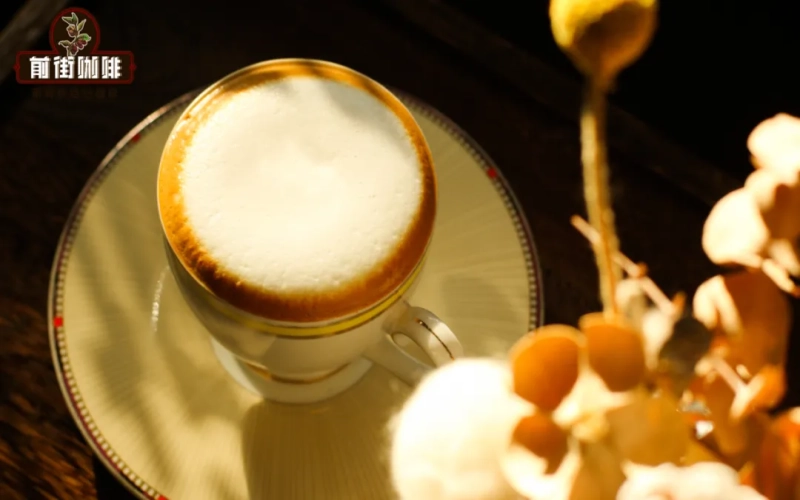
What's the difference between a cappuccino and a latte? A full breakdown of the dry and wet versions, the golden ring method, and the milk-to-coffee ratio
What exactly is the difference between a cappuccino and a latte? Why is cappuccino, despite sharing the same name, divided into "dry" and "wet" versions? This article begins with a special order request encountered at a Front Street store, taking you back through the origins of cappuccino, clarifying the difference between it and a latte in terms of the ratio of milk to coffee, and breaking down in detail the causes and characteristics of dry and wet cappuccinos. At the same time, the article will also share Front Street Coffee's recommended espresso blend bean choices, and how to use espresso and thick milk foam to make a cup of old-school cappuccino with a golden ring, helping you fully understand the layers and charm of this classic milk coffee. [more…]
A Complete Guide to Making Cappuccino: From the Origin of Its Name to Milk Frothing and Creating the Golden Ring
As a classic representative of Italian coffee, cappuccino has become a favorite among many coffee enthusiasts thanks to its thick, dense milk foam and its iconic golden ring appearance. How exactly should an authentic cappuccino be made? This article begins with the origin of the name "cappuccino," then outlines the requirements of the traditional Italian method regarding cup type, dose, and extraction parameters, and compares the differences in coffee bean selection under different roasting philosophies. At the same time, the article focuses on breaking down the key step of milk steaming—how aeration time, temperature control, and changes in fluidity affect the final result—as well as the specific technique for forming the golden ring pattern. In addition, it also explores the adjustments and changes that the contemporary latte art trend has brought to cappuccino preparation, providing readers with a complete and practical operational reference. [more…]
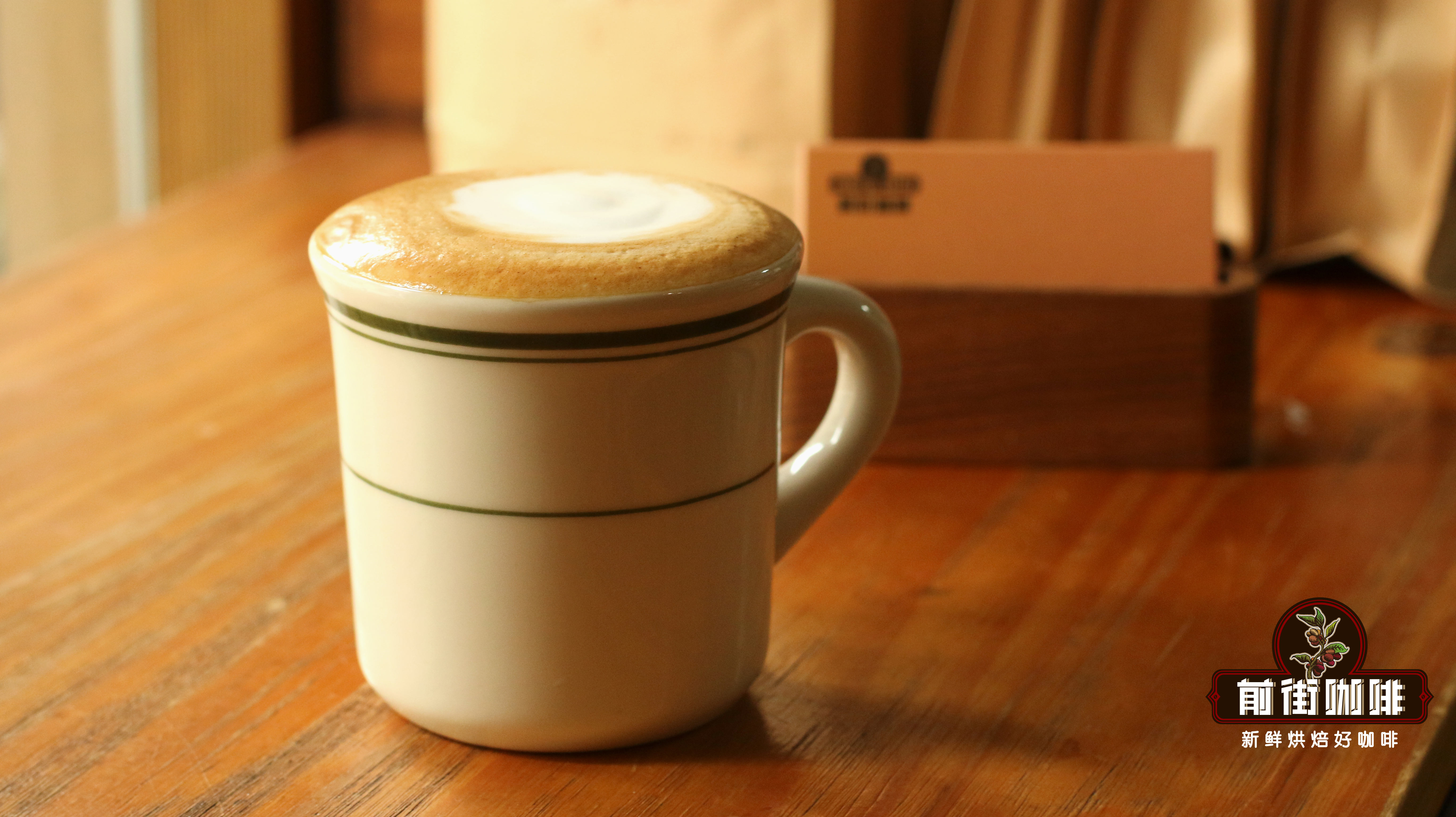
A Complete Guide to Making Cappuccino: From the Origin of the Name and the Coffee Golden Circle to the Hands-On Practice of Steaming Milk Froth
What exactly is the difference between a cappuccino and a latte? Why does an authentic cappuccino insist on preserving a ring of brown "coffee golden ring," and why is it usually not decorated with latte art? This article begins with the origin of the name cappuccino, tracing its historical connection to the robes of the Franciscan Order, and explains the reasons behind the formation of the golden ring as well as the relationship between milk foam thickness and latte art. It then follows the main thread of the process for making a qualified cappuccino, introducing in turn the choice of coffee cup, espresso extraction parameters, the use of refrigerated fresh milk, milk foam aeration and steaming techniques, and how to pour the milk foam before the milk to protect the coffee crema. The article includes Front Street Coffee's serving approach and specific extraction data, and is suitable for coffee enthusiasts who wish to gain a systematic understanding of cappuccino. [more…]

An Analysis of the Three Golden Rules for Making Cappuccino: The 1:1:1 Volume Ratio, the 11-Point Fill, and Where the Golden Ring Comes From
As a classic representative of Italian milk coffee, cappuccino has three widely recognized rules surrounding its preparation: ingredients in a 1:1:1 ratio, the finished drink should be filled to 11 points, and the surface should show a golden ring. What exactly do these statements mean? What historical backgrounds gave rise to each of them? Why, after more than a century of evolution, has only the 11-point fill persisted to this day? This article will break down the true meanings and origins of these three major rules one by one, while also tracing the evolution of cappuccino from a local Italian drink to modern Italian-style coffee, helping coffee enthusiasts more accurately understand the preparation logic and tasting key points of this classic milk coffee. [more…]
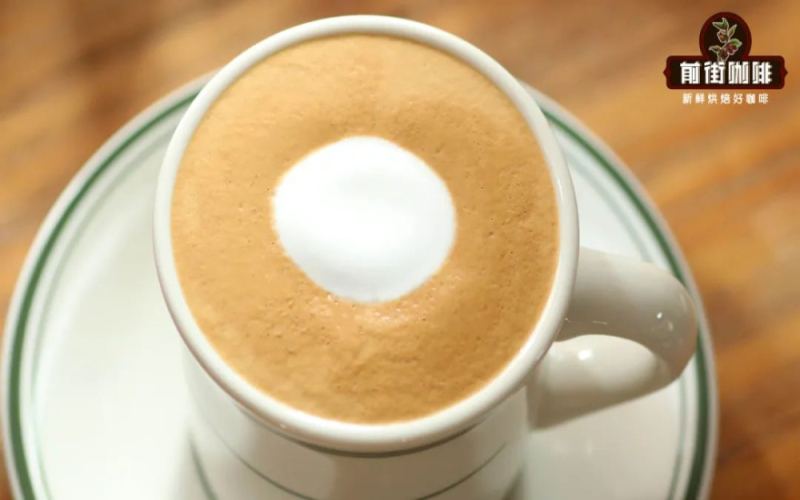
The Truth About Cappuccino Ratios: 1:1:1 Is Not the Standard—Milk Foam Thickness and the Golden Ring Are What Really Matter
Is the espresso, milk, and milk foam ratio in a cappuccino really 1:1:1? This widely circulated formula is actually not the WBC standard. Front Street Coffee once replicated and verified it, and found that the high proportion of coffee led to a strong, bitter taste and poor integration. Starting from the WBC competition rules, this article sorts out the origin of the cappuccino and the "coffee golden circle" tradition, explains why it is not suitable for latte art, and breaks down in detail the process of making a qualified cappuccino—from choosing a 180ml tulip cup and the extraction parameters for Front Street Coffee Sunflower Warm Sun coffee beans, to steaming refrigerated fresh milk into a 1.5cm thick milk foam and the pouring technique that protects the crema, helping you make an authentic cappuccino with milk foam rising above the cup rim without collapsing. [more…]
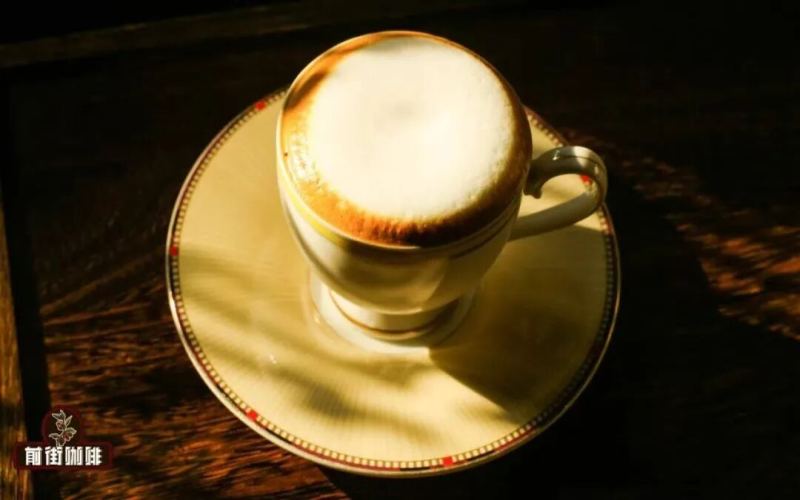
How to Make a Cappuccino | Why Are Nearly 90% of Cappuccinos Made Wrong? How to Make a Traditional Cappuccino with a Golden Ring?
If you often browse major coffee forums, Front Street believes that when it comes to cappuccino, you will always come across claims like this: "Nearly 90% of the cappuccinos on the market are not made correctly." Many friends are puzzled when they see this: "Isn't a cappuccino just a milk coffee with milk foam? Isn't it just [more…]
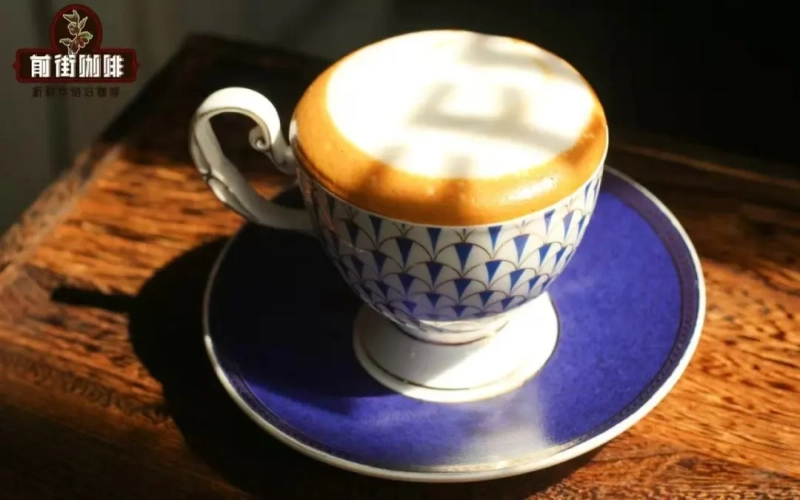
The Authentic Standards and Golden Circle Preparation of Cappuccino: The Golden Ratio of Espresso, Milk, and Milk Foam, and the 11-Point Fullness Technique
Cappuccino is not simply a milk-foam coffee; it has three hallmarks that distinguish it from lattes, flat whites, and other milk coffees: a velvety mouthfeel, a rich coffee taste, and a "11-point full" serve. Starting from the core characteristics of a cappuccino, this article explains in detail the ratio of coffee to milk, the effect of milk-foam thickness on latte art and the golden ring, and, using a classic blend bean as an example, provides the complete extraction parameters and steps for making the golden ring, helping you make a standard cappuccino at home that is rich without being bitter and as velvety as a cloud. [more…]
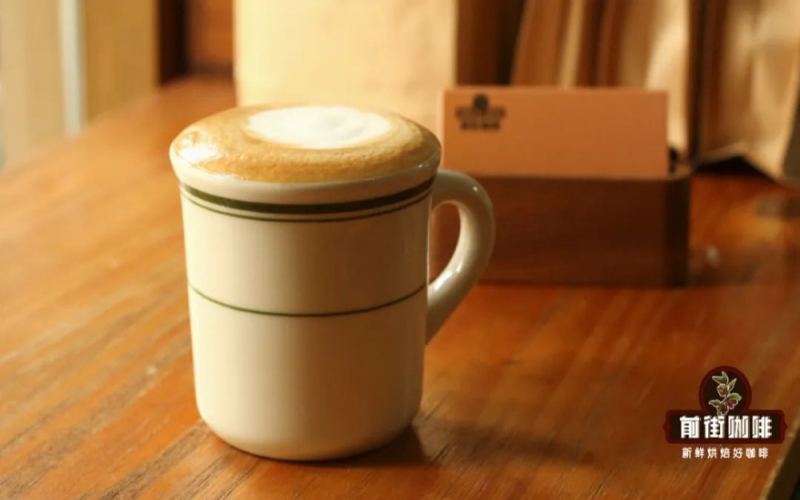
The Standard Cappuccino Recipe and the Evolution of Milk Foam: From the 1:1:1 Ratio to the Golden Ring, Teaching You How to Taste It Correctly
As a classic milk coffee, the cappuccino's definition and form have undergone centuries of evolution. From the Kapuziner of 18th-century Vienna to the modern version reshaped by Italians with espresso and steamed milk foam, the cappuccino's recipe, foam thickness, and drinking method have been constantly changing. The most widely circulated 1:1:1 ratio, the iconic golden ring, and the thin-foam trend brought about by latte art all reflect the shifting tides of coffee culture. This article will sort out the cappuccino's origins, old-school methods, and contemporary changes, and share Front Street Coffee's understanding of this classic drink, helping you gain a more comprehensive understanding of a qualified cappuccino. [more…]
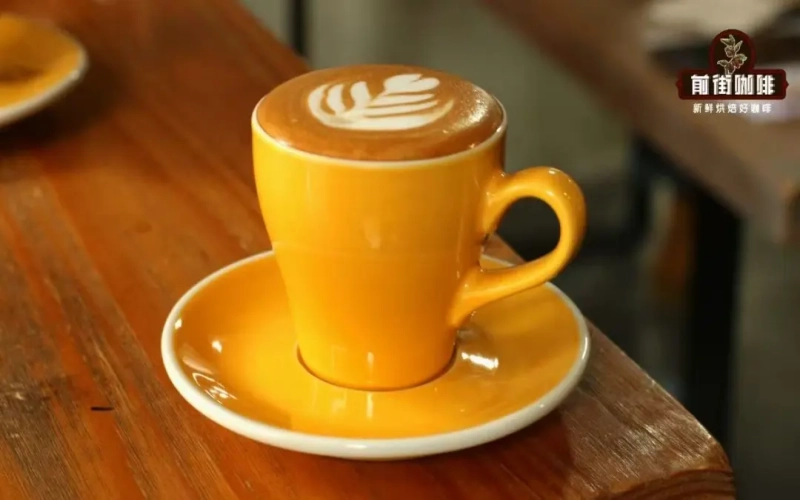
Cappuccino Dry vs. Wet Differences and the Golden Ring Method: A Complete Analysis from Ratios to Latte Art Evolution
When ordering a cappuccino at a coffee shop, regulars often ask for it to be made "dry," and behind this lies the historical evolution of different versions of cappuccino. The core difference between a dry cappuccino and a wet cappuccino lies in the ratio of milk to milk foam: the former has thick foam and less milk, giving a more intense coffee flavor; the latter has thinner foam and more milk, giving a silkier mouthfeel. Through an actual brewing comparison using Front Street Coffee's classic Italian blend, this article explains in detail the differences between the two types of cappuccino in terms of ratio, taste, and mouthfeel, and explains why the mainstream approach shifted from the dry version to the wet version—the rise of latte art was the key driving force. If you also want to recreate the old-school coffee golden ring at home, or want to understand the difference between a latte and a cappuccino, this content will give you clear answers. [more…]
How Thick Should the Milk Foam Be for a Standard Cappuccino? Uncovering the Milk Foam Differences Between Cappuccino and Latte and Key Production Points
Many people cannot distinguish a cappuccino from a latte, especially nowadays when latte art is so popular that the two seem to look more and more alike. In fact, from the thickness of the milk foam to the logic of preparation, there is a clear dividing line between them. A cappuccino emphasizes preserving a ring of brown "coffee golden ring," and the milk foam needs to be whipped to about 1.5 cm thick to support a "hat" shape rising above the rim of the cup, which is why it is not suitable for latte art. A latte's milk foam, by contrast, is only about 1 cm thick and highly fluid, making it easy to blend and draw with. Starting from Front Street Coffee's production experience, this article sorts out the historical origins of the cappuccino, the standard for milk foam thickness, and the core differences from a latte, and gives complete operating steps from choosing a cup, extraction, and steaming milk to pouring, helping you make a qualified cup of cappuccino. [more…]
Why Isn't Cappuccino Served Iced? A Complete Interpretation from Its Naming Origins to the Golden Circle Tradition
Cappuccino is a classic of Italian coffee, but it has a characteristic that leaves many baristas rather helpless—it is only made hot. Why is there no iced cappuccino? Behind this lie both the historical origins of its naming and the finer points of its crafting. From the etymology of the Italian word "Cappuccino," to the inspiration drawn from the shape of the hoods worn by missionaries of the Catholic Franciscan order, to the "coffee golden ring" and the dense milk foam rising above the rim of the cup, every detail of cappuccino carries tradition. Front Street will guide you through the core characteristics of cappuccino, and why an iced cappuccino struggles to recreate the joy of that hot cup. [more…]
Why Isn't Cappuccino Served Iced? The Origin of the Name and the Art of Golden Circle Milk Foam
Cappuccino is a classic on the coffee menu, but when you order an iced cappuccino from a barista, they often look troubled. Behind this lies both the historical origins of the name and the physical properties of milk foam and coffee crema. This article will trace the evolution of the name "cappuccino" from the beginning, explain why the traditional standard known as the "coffee golden ring" came to be, and analyze why iced cappuccino is almost never seen. It will also explain the drinking awkwardness caused by overly thick milk foam and unstable structure in hot cappuccino, as well as Front Street Coffee's related recommendations on milk foam handling, to help you understand this Italian classic more comprehensively. [more…]

Pour-Over Coffee Blooming and Extraction Stages: A Comprehensive Analysis of Whether the Outer Coffee Grounds Need to Be Wetted with Water
In the practice of pour-over coffee, one detail that is often discussed is: should the coffee grounds around the edge be moistened with water? This article starts from the two stages of blooming and the main extraction, and, combined with comparative experiments on light, medium, and dark roast levels, analyzes the impact of the pouring range on flavor. The experiment shows that whether to wet the outer layer of grounds during blooming depends on whether all the coffee grounds can evenly absorb water and release gas in the shortest time. Not pouring around the outer ring tends to cause inconsistent extraction rates, and light and medium roast beans are prone to a grassy, unripe taste; while pouring directly onto the outer ring may block gas release in the center. The article also shares practical techniques such as swirling and stirring to help coffee enthusiasts extract every particle of coffee grounds more evenly. [more…]
SCAA Coffee Flavor Wheel User Guide: From the Three-Ring Structure to Sensory Training, Systematically Master the Pour-Over Coffee Tasting Method
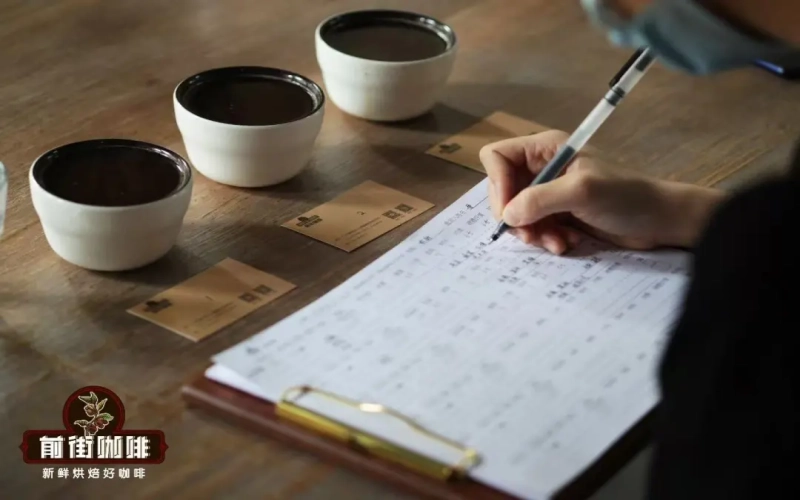
The coffee flavor wheel is an authoritative sensory tool recognized by the industry, but it cannot make you directly taste a certain flavor; rather, it is an auxiliary guide to help you organize and identify flavors. This article will use the new version of the flavor wheel released by the SCAA in 2016 as a blueprint, starting from its research background, and disassemble one by one the correspondence among the three-layer structure of the inner ring, middle ring, and outer ring. Combined with a comparative example of Front Street Yirgacheffe Gedingding and Front Street Boquete Geisha, it explains how to use the flavor wheel to gradually narrow the scope of judgment and build sensory memory. At the same time, it also reminds enthusiasts that they do not need to blindly follow the flavor wheel, because the samples it includes are limited, and real flavors such as lychee may not necessarily appear on the wheel. At the end, the article also shares the ingenious design between the flavor wheel's color scheme and flavor associations, helping you more efficiently improve your ability to identify the flavors of pour-over coffee. [more…]
Should Cappuccino Have Latte Art? A Complete Analysis from Historical Origins to Preparation Details
Cappuccino is one of the most common milk coffees on café menus, yet its definition has always been evolving. From the "Kapuziner" of 18th-century Vienna to today's modern version topped with latte art, what changes has this classic drink undergone? Does an authentic cappuccino really need latte art? This article traces the origins of cappuccino, sorts out its evolution from coarse milk foam to dense microfoam, analyzes the origins of the traditional 1:1:1 ratio and the "golden ring," and explores how latte art has made cappuccino's milk foam thinner and thinner. At the same time, we will also consider: once a cup of coffee departs from these core features—a small cup size, filled to 11 parts, and thick milk foam—can it still be called a cappuccino? [more…]
Does latte art enhance coffee flavor? Analyzing the actual effect of visual presentation on taste evaluation
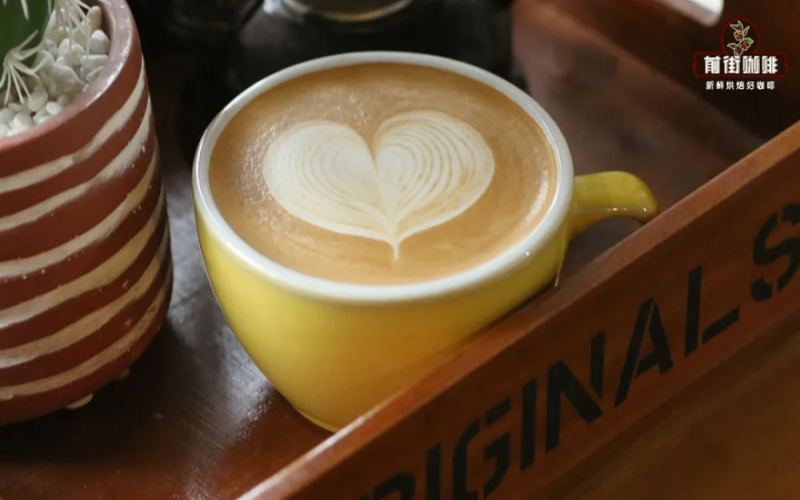
Latte art is the craft of a barista drawing patterns on the surface of an espresso with steamed milk foam. Does it actually change the taste and mouthfeel of a latte? This article analyzes the question from three angles: visual psychology, preparation technique, and quality of integration. Through comparative experiments, Front Street Coffee found that, provided the coffee beans, milk, extraction, and ratios are all on point, latte art and no latte art make no noticeable difference to taste—but latte art places higher demands on foam quality and evenness of integration. The article also explores the balance between pattern complexity, preparation time, and the drinking experience, helping enthusiasts view the relationship between latte art and flavor rationally. [more…]
A Beginner's Guide to Latte Art: Key Techniques from Milk-Coffee Integration to Pattern Formation
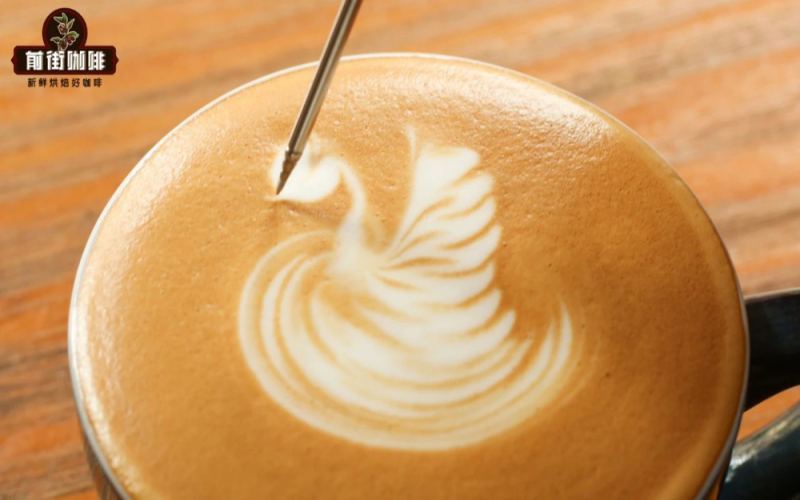
Many coffee enthusiasts encounter the same confusion when practicing latte art: the milk foam is perfectly fine and the espresso crema is passable, yet once they get to the pouring stage, everything falls apart. The problem often lies in a step that seems simple but is easily overlooked—the integration of milk and coffee. Whether the integration is even not only directly determines whether the latte art pattern can be successfully presented, but also profoundly affects the mouthfeel and layers of the entire latte. This article will break down, one by one, the core points needed to make a beautiful and delicious latte—from the state of the espresso crema, the thickness and fineness of the milk foam, to the direction, height, flow rate, volume, and circling size in the integration technique—and will include espresso bean recommendations from Front Street Classic Blend and Front Street Commercial Blend to help beginners consistently produce lattes with a beautiful golden ring at home. [more…]
What is the professional name for a cappuccino cup? A detailed explanation of standard capacity specifications and the dry/wet distinction
Where does the name cappuccino come from? What exactly is the difference between it and a latte or a flat white? Why do some people prefer a "dry" cappuccino while others like it "wet"? This article starts with the historical origins of cappuccino and explains in detail the professional name for a cappuccino cup, the standard capacity specifications, and the core differences between dry and wet cappuccinos in terms of milk foam texture and mouthfeel. It also draws on Front Street Coffee's actual experience at its stores to help you make an authentic cappuccino with a golden ring at home. [more…]
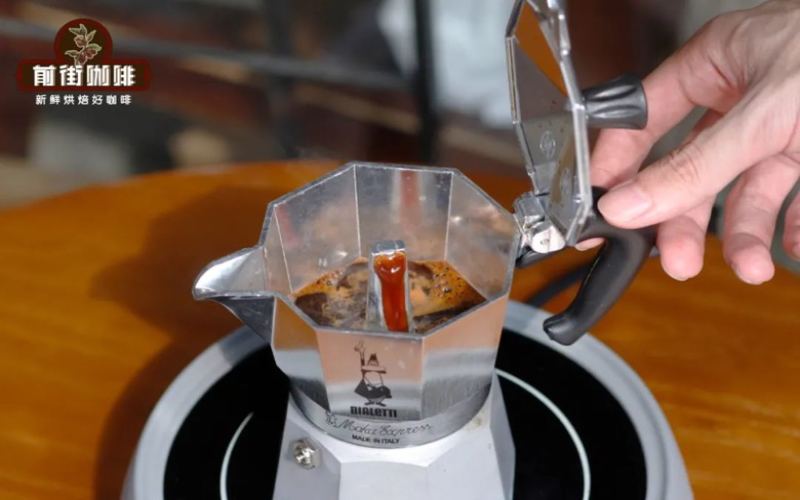
Will a Moka pot explode?: How to ring in freshness with a fixed setup
The flavor focus shifts with the roast level: light roasts play up floral and fruity notes and bright acidity, medium roasts put sweetness and balance at the center, and dark roasts finish with nuts, cocoa, and a full body, with each also requiring a different extraction rhythm. A way of drinking that suits you is more worth valuing than the roast level itself. The extraction logic of a moka pot revolves around steam pressure. [more…]
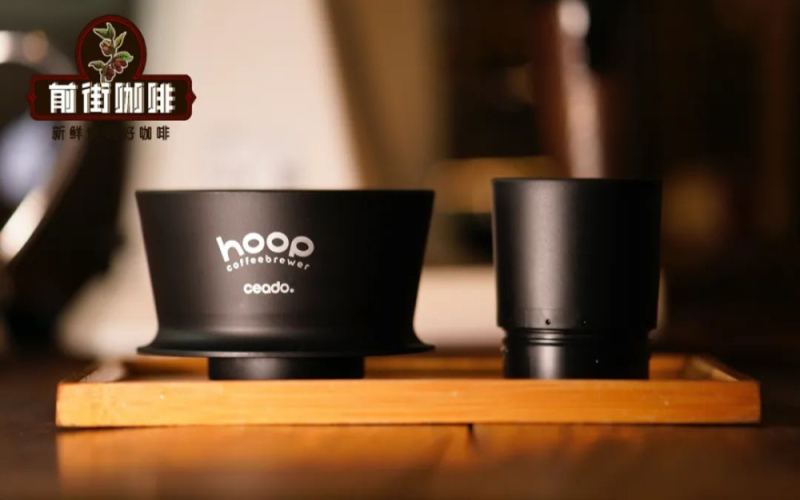
Hoop Dripper Brewing Techniques Explained: Grind Settings and Flavor Differences Compared to V60
The Hoop dripper from the Italian brand Ceado won the 2023 SCA Best Product of the Year award thanks to its unique ring-shaped water dispensing structure. It completely separates the water dispensing zone from the coffee bed, with water seeping laterally from the outer water crown through 12 small holes into the filtration tower, creating a slow, immersion-like extraction. This design eliminates the need for consistent pouring technique, but places more refined demands on grind size and water temperature. Front Street tested three coffees—Sidra, Yirgacheffe Kochere, and Golden Mandheling—to compare the flavor differences between the Hoop and the V60, and compiled six practical tips, including checking the filter paper seal,适配 of the server, and the consideration of a purchase cost as high as 280 yuan. [more…]