







Search Results for: 1:1:1

An Analysis of the Three Golden Rules for Making Cappuccino: The 1:1:1 Volume Ratio, the 11-Point Fill, and Where the Golden Ring Comes From
As a classic representative of Italian milk coffee, cappuccino has three widely recognized rules surrounding its preparation: ingredients in a 1:1:1 ratio, the finished drink should be filled to 11 points, and the surface should show a golden ring. What exactly do these statements mean? What historical backgrounds gave rise to each of them? Why, after more than a century of evolution, has only the 11-point fill persisted to this day? This article will break down the true meanings and origins of these three major rules one by one, while also tracing the evolution of cappuccino from a local Italian drink to modern Italian-style coffee, helping coffee enthusiasts more accurately understand the preparation logic and tasting key points of this classic milk coffee. [more…]

Exploring the Origins and Characteristics of Latte: How Different Espresso Ratios Affect the Flavor of Milk Coffee and Americano
Latte, Americano, and espresso share the same roots, yet they present entirely different flavor expressions due to different espresso extraction ratios. Front Street Coffee used the same specialty blend beans, the same grind size and dose, to test the specific effects of three brew ratios—1:1, 1:1.5, and 1:2—on espresso, latte, and Americano. The results showed that espresso at a 1:1 ratio was on the sour side but had a prominent sweetness after adding milk, 1:1.5 had the richest layering and a balanced latte, while 1:2 tended to over-extract and develop woody and smoky notes. The article also explained espresso's reliance on blend beans and recommended Front Street's classic espresso blend. [more…]
Latte Coffee Making Tutorial: A Practical Test of How Espresso Coffee-to-Water Ratio Affects the Flavor of Milk Coffee and Americano
The key to a delicious latte lies in the ratio of espresso to milk. Front Street Coffee tested espresso brews at three powder-to-water ratios—1:1, 1:1.5, and 1:2—using the same specialty blend beans, identical grind size, and dose, then prepared espresso, latte, and americano respectively to compare flavor differences. The experiment found that the 1:1 ratio espresso was somewhat sour but had prominent sweetness when milk was added, suitable for a mellow taste; 1:1.5 offered rich layers and a balanced milk-coffee flavor; while 1:2 easily produced over-extracted woody and smoky notes. At the end of the article, two Front Street Coffee beans suitable for making espresso are recommended for enthusiasts to consider purchasing. [more…]
What Happens When You Adjust Pour-Over Coffee Grounds by 1 Gram? Analyzing the Relationship Between Coffee-to-Water Ratio and Extraction Flavor
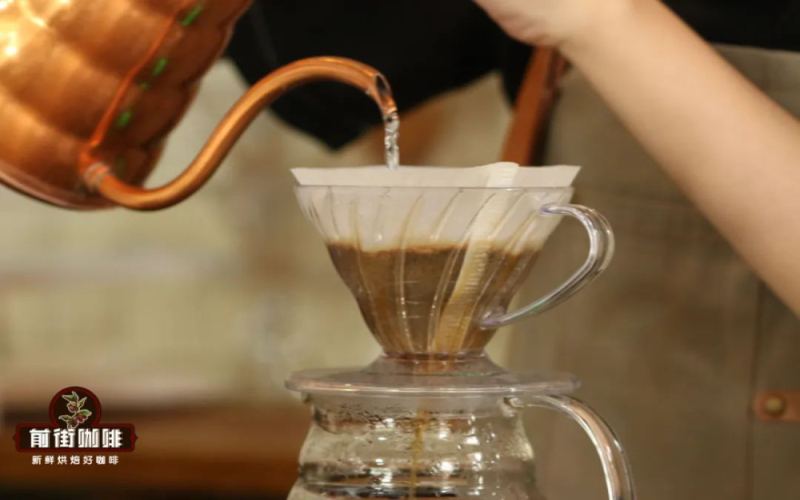
Among the many variables in pour-over coffee, the coffee-to-water ratio is always the key parameter determining the direction of flavor. Front Street Coffee usually recommends a safe range of 1:15 to 1:16, and once you get used to it, 15 grams of coffee with 225 milliliters of water becomes almost the default operation. But in reality, we are not necessarily that precise every time, and the amount of coffee may be one gram more or one gram less. If the amount of water poured remains unchanged and only the coffee dose deviates by 1 gram, will the taste of the coffee show a noticeable difference? Through three controlled brewing experiments with 14 grams, 15 grams, and 16 grams, this article analyzes the impact of slight coffee dose adjustments on extraction yield and concentration, and provides parameter adjustment suggestions after the coffee dose changes, helping you achieve consistent results in daily brewing. [more…]
How Should You Choose the Coffee-to-Water Ratio for Lattes, Americanos, and Espressos? Front Street Coffee's House Blend Beans Put Three Ratios to the Test in a Flavor Comparison
The same coffee beans, the same grind size and dose, and merely adjusting the espresso brew ratio can make a latte, an americano, and an espresso take on completely different flavor directions. Taking Front Street Coffee's specialty blend of Colombian and Brazilian beans as an example, 20 grams of grounds were extracted at three ratios—1:1, 1:1.5, and 1:2—to taste the differences in mouthfeel among espresso, latte, and americano one by one. The actual test found that: a smaller-ratio espresso has a more pronounced acidity but noticeably sweeter when made into a milk coffee; a larger-ratio espresso easily develops over-extracted woody and smoky notes; 1:1.5 performs best in terms of layering and balance. The article also shares ideas for selecting espresso beans and the characteristics of Front Street's classic espresso blend. [more…]
How the Espresso Coffee-to-Water Ratio Affects the Flavor of Lattes and Americanos
For the same coffee beans, the same grind size, and the same dose, how does changing the espresso brew ratio affect the taste of a latte, an Americano, and the espresso itself? Front Street Coffee conducted a comparative test using a Colombian and Brazilian blend, fixing the dose at 20 grams and extracting at three ratios—1:1, 1:1.5, and 1:2—analyzing acidity, sweetness, aftertaste, and the risk of over-extraction, ultimately offering parameter recommendations for different taste preferences and recommending blend options suitable for making espresso. [more…]
A Complete Guide to Pour-Over Coffee Ratios: How Much Water Should You Actually Use for 15 Grams of Coffee?
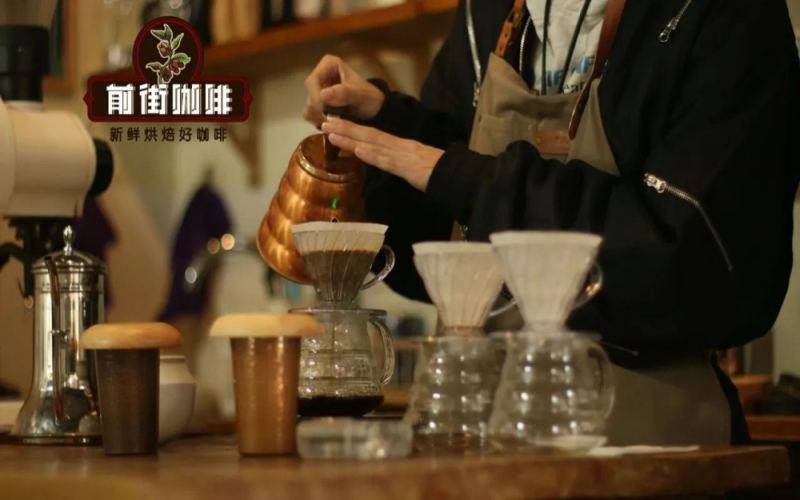
The flavor expression of pour-over coffee is closely related to the coffee dose, grind size, coffee-to-water ratio, and pouring technique. For an ideal cup of pour-over coffee, exactly how much coffee grounds should be used, and how much water should accompany them? Taking 15 grams of grounds as an example, Front Street Coffee, combined with SCAA concentration recommendations, analyzes the coffee-to-water ratio range of 1:12 to 1:15, and explains why 1:15 has become a commonly used parameter in cafes. The article also compares the differences in extraction ratios with espresso, and includes the complete brewing data and three-stage operation details of Front Street Yirgacheffe Gedingding, helping enthusiasts build a reproducible brewing framework. [more…]
Analysis of Latte Coffee Preparation Ratios and Taste Characteristics: Performance of Different Coffee-to-Water Ratios of Espresso in Milk-Based Coffee Drinks and Americanos
Under the same espresso bean, grind size, and dose, how do changes in the espresso brew ratio affect the flavor expression of lattes and Americanos? The baristas at Front Street Coffee used Front Street. Specialty Blend, composed of Colombian and Brazilian beans, as the sample, fixed the dose at 13 grams, and tested three brew ratios—1:1, 1:1.5, and 1:2—recording the flavor differences across three dimensions: espresso, latte, and Americano. The article also answers what coffee beans espresso should use, why an espresso blend is recommended rather than a light-roast single-origin bean, and how a blend can balance both flavor balance and consistency in the cup. [more…]

The Truth About Cappuccino Ratios: 1:1:1 Is Not the Standard—Milk Foam Thickness and the Golden Ring Are What Really Matter
Is the espresso, milk, and milk foam ratio in a cappuccino really 1:1:1? This widely circulated formula is actually not the WBC standard. Front Street Coffee once replicated and verified it, and found that the high proportion of coffee led to a strong, bitter taste and poor integration. Starting from the WBC competition rules, this article sorts out the origin of the cappuccino and the "coffee golden circle" tradition, explains why it is not suitable for latte art, and breaks down in detail the process of making a qualified cappuccino—from choosing a 180ml tulip cup and the extraction parameters for Front Street Coffee Sunflower Warm Sun coffee beans, to steaming refrigerated fresh milk into a 1.5cm thick milk foam and the pouring technique that protects the crema, helping you make an authentic cappuccino with milk foam rising above the cup rim without collapsing. [more…]

The Standard Cappuccino Recipe and the Evolution of Milk Foam: From the 1:1:1 Ratio to the Golden Ring, Teaching You How to Taste It Correctly
As a classic milk coffee, the cappuccino's definition and form have undergone centuries of evolution. From the Kapuziner of 18th-century Vienna to the modern version reshaped by Italians with espresso and steamed milk foam, the cappuccino's recipe, foam thickness, and drinking method have been constantly changing. The most widely circulated 1:1:1 ratio, the iconic golden ring, and the thin-foam trend brought about by latte art all reflect the shifting tides of coffee culture. This article will sort out the cappuccino's origins, old-school methods, and contemporary changes, and share Front Street Coffee's understanding of this classic drink, helping you gain a more comprehensive understanding of a qualified cappuccino. [more…]

A Complete Guide to Pour-Over Coffee Dose, Ratio, and Blooming: Front Street Coffee Brewing Parameters and a Three-Pour Practical Guide
To consistently brew a delicious pour-over coffee, bean dose, coffee-to-water ratio, blooming, and pouring rhythm are all indispensable. Starting from Front Street Coffee's practical experience, this article explains the reasoning behind 15g of grounds, a 1:15 coffee-to-water ratio, and a 225ml final yield, and compares this with common espresso extraction ratios to help readers build a replicable parameter framework. It then uses a washed Yirgacheffe Gudingding as an example to provide the complete V60 three-pour brewing process, with a focused breakdown of details such as blooming and degassing, pouring height, and the rhythm of pausing between pours, so that even beginners can follow along step by step and reduce the harsh, astringent flavors caused by under-extraction or over-extraction. [more…]
Pour-over coffee brewing ratio | Is the espresso coffee-to-water ratio different from pour-over? What details should be noted for pour-over coffee blooming?
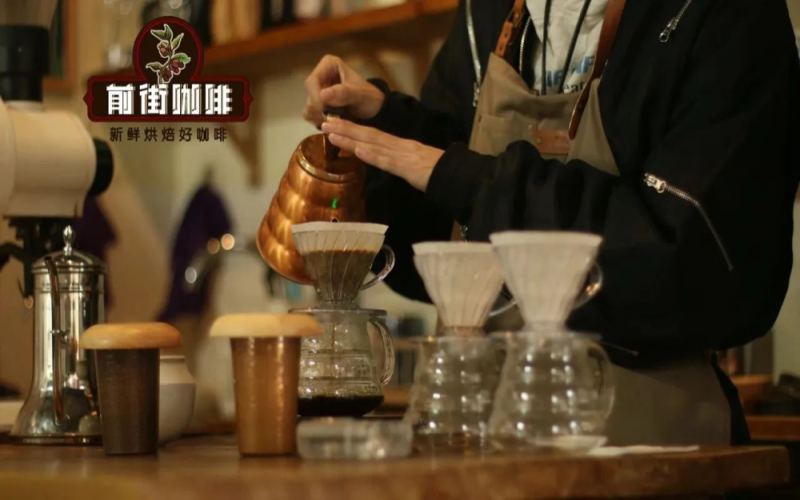
Pour-over coffee is a brewing method that places great emphasis on technique and coffee expertise. Factors such as the amount of coffee beans used for pour-over, the coffee grind size, the coffee-to-water ratio and time, and the brewing technique all affect the flavor extracted in pour-over coffee. So how can you brew a perfect-tasting pot of pour-over coffee? In the rest of this article, Front Street [more…]
Blue Mountain No. 1 vs. Espresso Coffee Beans: A Comparative Analysis of Their Differences and the Flavor Performance of Single-Origin Blue Mountain in Espresso
Many coffee enthusiasts are curious: what exactly is the difference between Front Street Blue Mountain No. 1 coffee and espresso? Simply put, Blue Mountain No. 1 is a single-origin coffee bean, made from the Typica variety (with Geisha added in 2020), and is usually extracted by pour-over; espresso, on the other hand, mostly uses blend beans (single-origin beans can also be used), and the concentrated liquid is quickly extracted under high pressure by a coffee machine. This article will systematically sort out the origin background, variety characteristics, processing method evolution, and brewing parameters of Front Street Blue Mountain No. 1, while also explaining in detail the definition of espresso, the formula and extraction standards of Front Street Warm Sun Blend, helping readers fully understand the essential differences between the two types of coffee and their respective flavor characteristics. [more…]
How do you adjust the grind size for espresso? A complete approach from finding the range to setting the scale
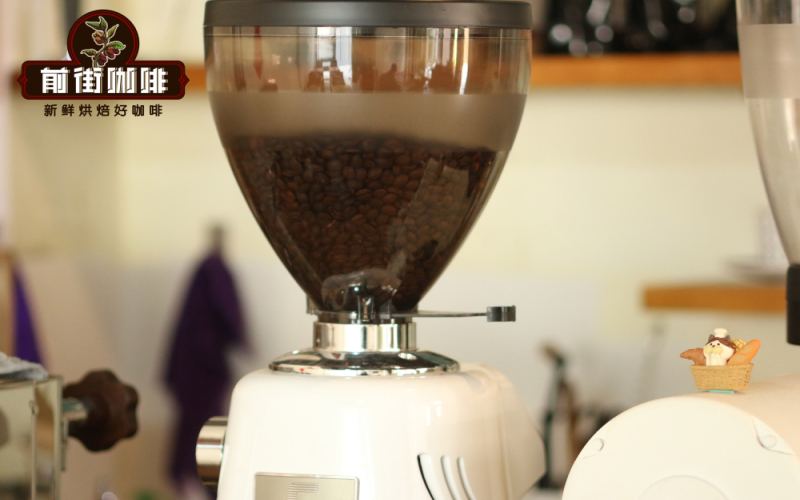
Espresso grinding is much finer than pour-over, and the adjustment window is extremely narrow—often just a fraction of a notch makes the difference, and the flow rate and flavor head toward two extremes. This article starts with how to determine the grinding range: first use the feel of the grounds to judge whether they are close to flour-like fineness, then apply the common formula of a 1:2 coffee-to-water ratio and 20–30 seconds to dial in, and decide whether to grind coarser or finer based on whether the flow is fast or slow. The article further explains that the formula is only a quick positioning tool, and ultimately you need to fine-tune based on flavor cues such as burnt-bitter notes, the color of the crema, and the length of the finish—even widening the ratio to between 1:1.5 and 1:2.5—to find the grind setting that truly suits that particular bean. [more…]

An Analysis of the Taste Differences Between Espresso and Americano: Which Flavor Do Coffee Enthusiasts Usually Prefer?
On a scorching summer day, the refreshing coolness of an iced Americano, or the satisfaction brought by the rich milky aroma of espresso—it's hard to choose between them. Although many people have tried both types of coffee, they find it difficult to accurately describe the differences in their taste. From the perspective of Front Street Coffee, this article systematically sorts out the definition evolution, taste characteristics, and suitable audiences of Americano and espresso. It explains in detail the espresso bean selection for Americano, extraction parameters, the mixing ratio of water to coffee, as well as the key points for making hot and iced Americanos. It also includes fun little tips for Americano latte art, helping coffee lovers more clearly understand the flavor logic of the two types of coffee. [more…]
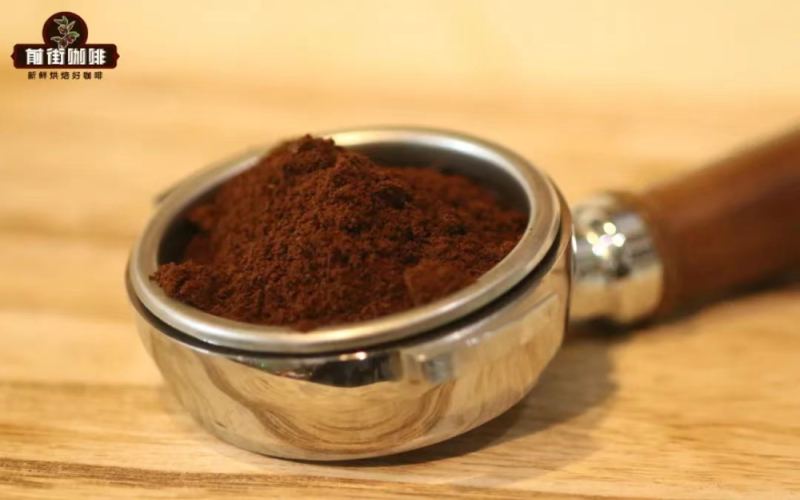
How to Brew Delicious Americano? A Full Guide to Espresso-to-Water Ratios and Italian-Style Coffee Making
When ordering at a café, Americano is often the cup that solves your decision paralysis—yet plenty of coffee newcomers are put off by the bitterness at first sip. In fact, whether an Americano tastes good depends heavily on which beans are used for the espresso, the espresso machine's extraction parameters, and the ratio of water to coffee. Drawing on the production experience of Front Street Coffee, this article clarifies the relationship between Americano and espresso, how to choose espresso beans suitable for Americanos, extraction parameters for single and double shots, how to determine the water-to-coffee ratio, and the methods and taste differences between hot and iced Americanos. At the end, there's also a little bonus on Americano latte art and practical tips, so you can make a smooth, easy-drinking Americano at home or in a café. [more…]
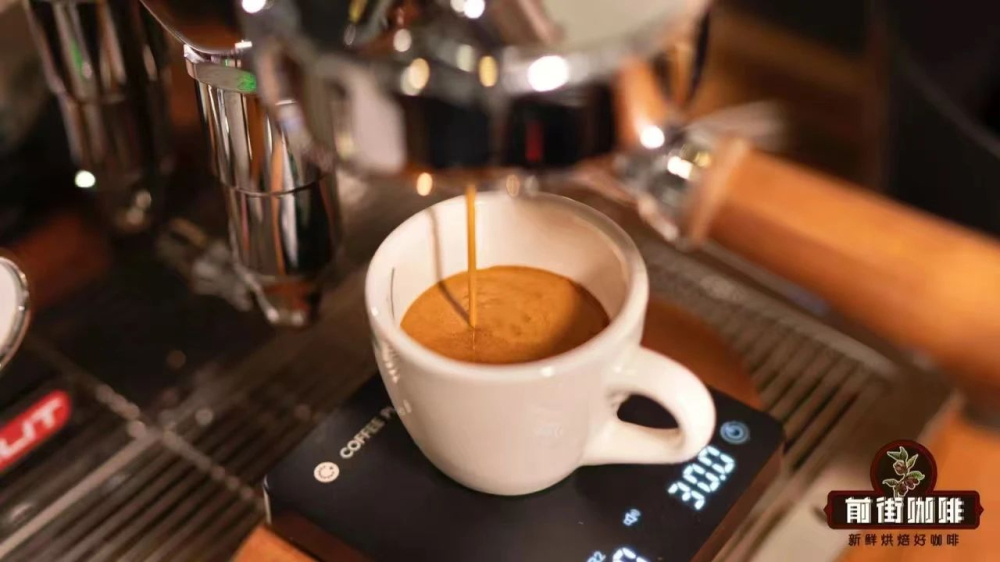
The Origin of Latte | What is the espresso extraction coffee-to-water ratio for the espresso base of a latte or americano? What coffee beans are used for espresso?
A few days ago, a coffee enthusiast asked Front Street Coffee (FrontStreet Coffee): if the same bean is used, with the same grind size and the same dose, when preparing milk coffee, Americano, and espresso, will there be different requirements for the espresso's brew ratio? So Front Street Coffee (F [more…]

Espresso and Fancy Coffee | How Can Coffee Newbies Make a Latte at Home? What Are the Latte Making Methods, Espresso Ratios, and Preparation Techniques? An Introduction to the Characteristics, Origin, and History of the Latte
A few days ago, a coffee enthusiast asked Front Street Coffee (FrontStreet Coffee): if the same bean is used, with the same grind size and the same dose, when producing milk coffee, Americano, and espresso, will there be different requirements for the espresso's brew ratio? So Front Street Coffee (F [more…]

A Complete Guide to the Espresso Family: Flavor Differences and Key Production Points of the Espresso Trio, Milk Coffee, and Specialty Drinks
In the dog days of summer, when one can't be bothered to delve into origins and extraction theories, Front Street Coffee might as well walk everyone through the large and lively family of Italian coffee. Starting from the most familiar Espresso, you'll find it has two very different brothers, Ristretto and Lungo, as well as a Doppio made with a double dose of grounds for one shot. In addition, the difference in water volume between Americano and Long Black, the milk foam tug-of-war among Latte, Cappuccino, and Macchiato, the localized evolution of Flat White and Piccolo in Australia, and specialty members like Mocha, Affogato, Con Panna, and Corretto together form the rich lineage of Italian coffee. This article breaks down each member's flavor characteristics and production logic category by category, helping you sort out exactly whom to choose when ordering. [more…]
Analysis of the Standard Latte Preparation Method and Flavor Characteristics: Differences Between Cappuccino and Latte in Ratios, Cup Size, and Milk Foam
Latte and cappuccino are the two most widely known milk coffees in the Italian coffee system, but they differ clearly in ratio, cup type, milk frothing method, and final mouthfeel. A latte, with its classic ratio of 70% milk, 20% milk foam, and 10% coffee, presents a smooth and rich milky aroma, while a cappuccino follows a 1:1:1 structure of espresso, milk, and milk foam, giving it a thicker and denser mouthfeel. This article will go through the core characteristics of the two coffees item by item, from origin, ingredient ratios, and cup selection to milk foam handling techniques and drinking experience, helping coffee lovers more accurately grasp their respective flavor directions when making and tasting them. [more…]