







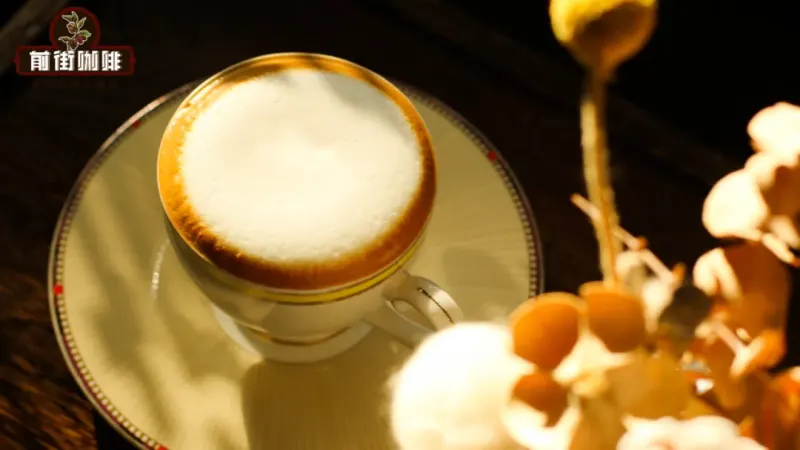
Where does the name Cappuccino come from? How exactly does it differ from a Latte and a Flat White? Why do some people prefer a "dry" cappuccino while others favor a "wet" one? This article starts with the historical origins of the cappuccino, then explains in detail the professional name for a cappuccino cup, the standard capacity specifications, and the core differences between dry and wet cappuccinos in terms of milk foam texture and mouthfeel. At the same time, drawing on the actual serving experience at Front Street Coffee stores, it helps you make an authentic cappuccino with a golden ring at home.
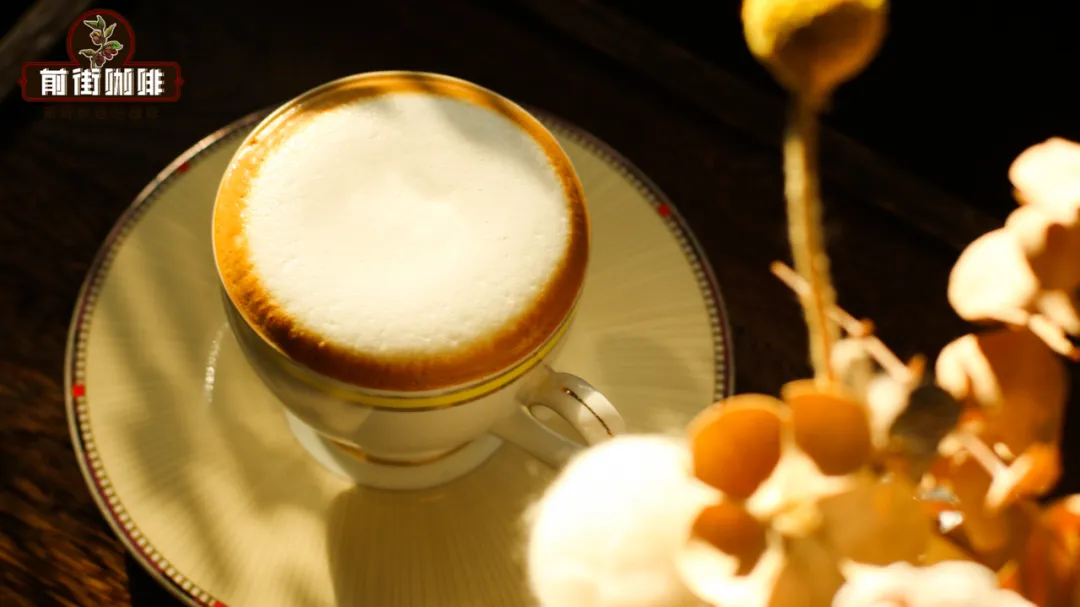
The invention of steam milk frothing technology allowed people, for the first time, to heat milk while simultaneously creating fine, dense milk foam, adding a crucial piece to the birth of the pressurized espresso machine. It is said that when such a rich layer of milk foam covered the surface of the espresso, its color and appearance reminded people of the robes of Catholic monks, and so the name "Cappuccino" came into being. This is the most widely circulated account of the origin of the cappuccino.
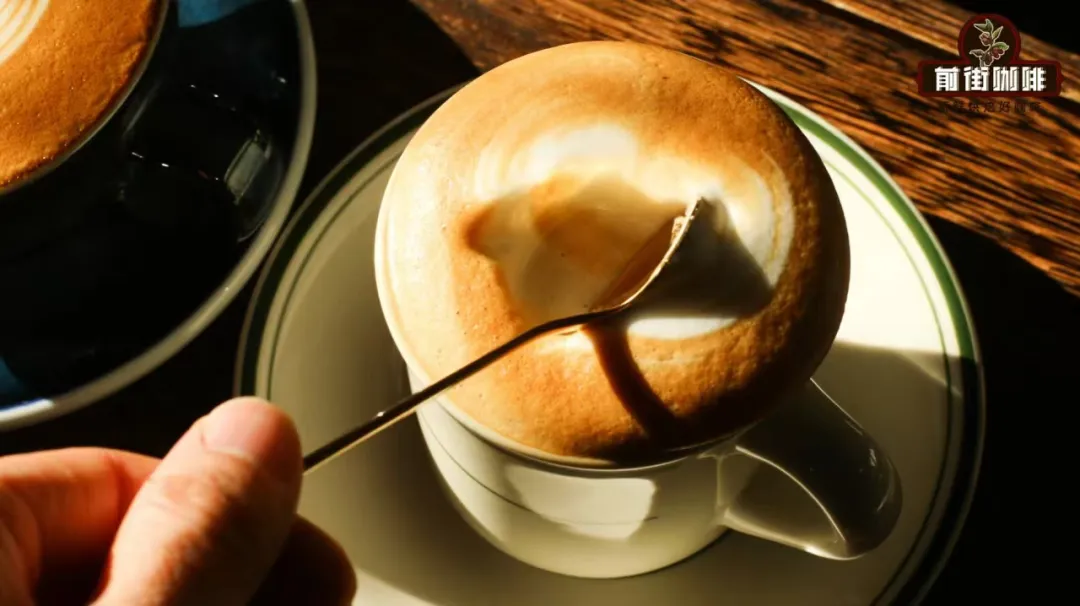
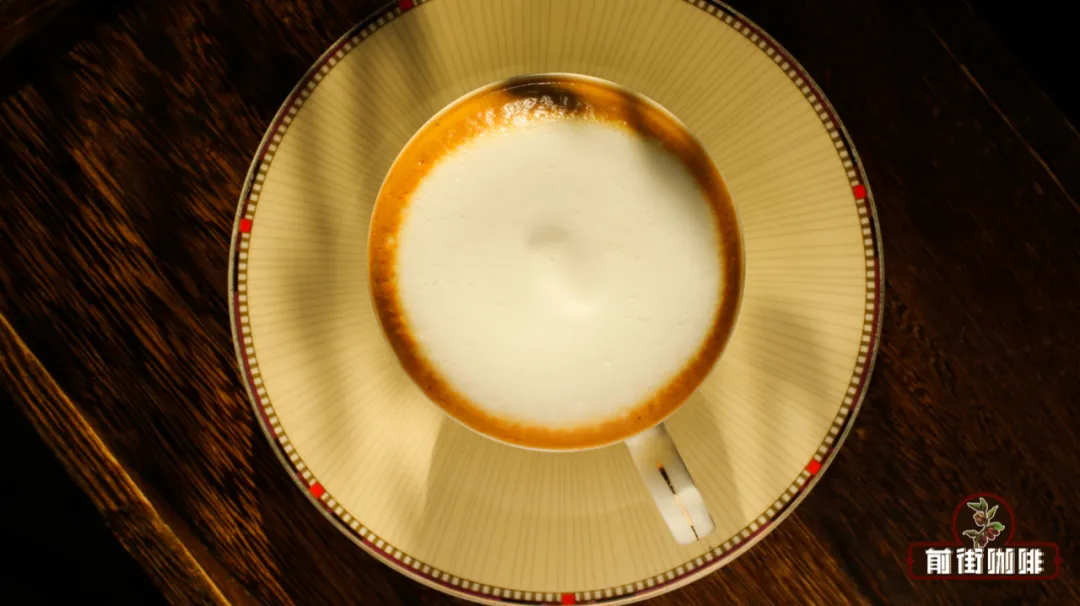
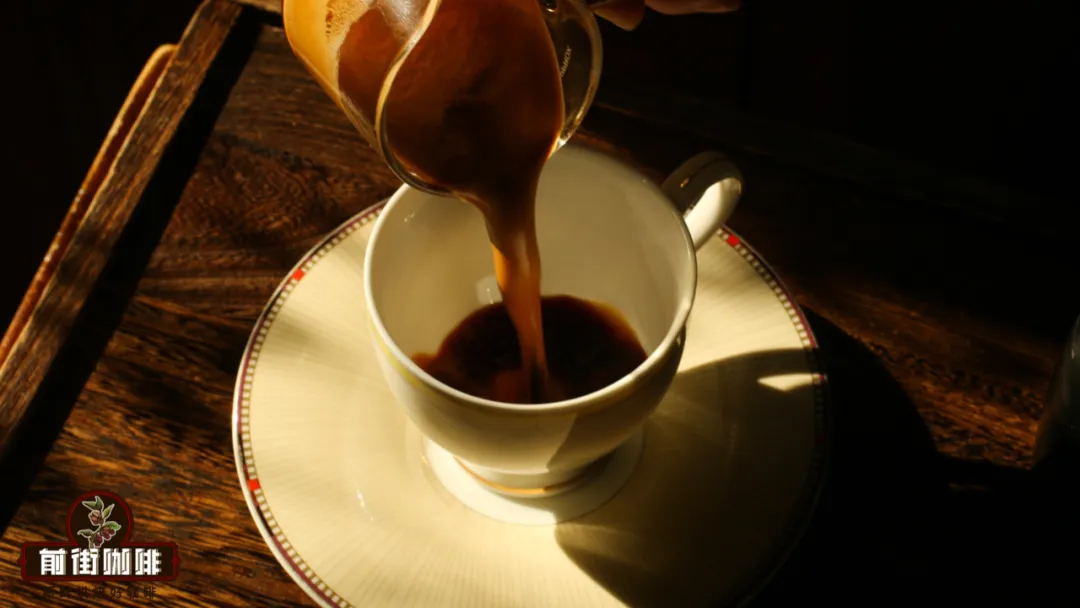
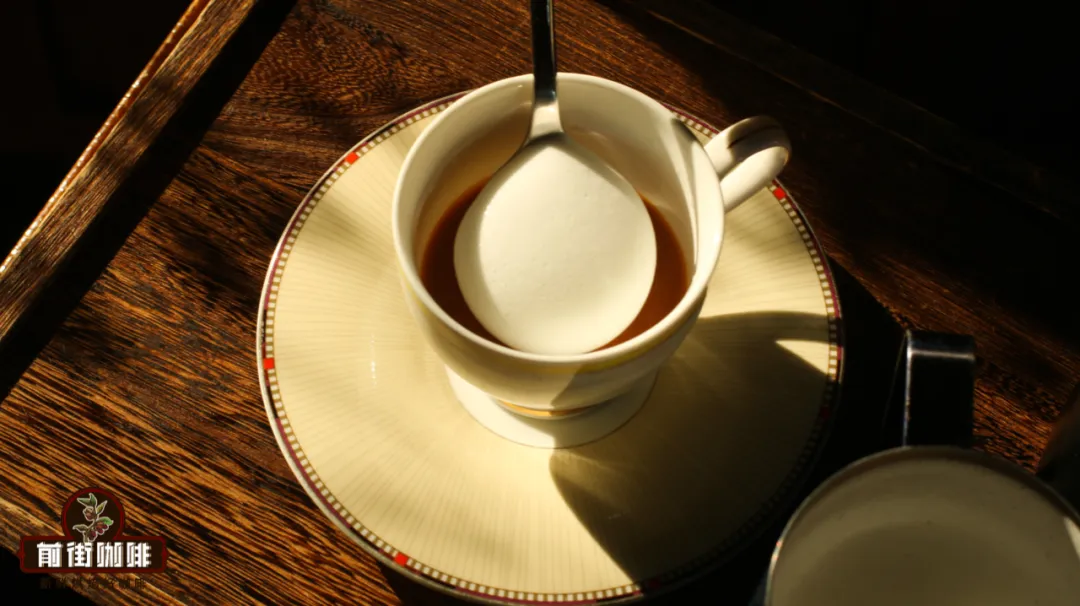
Compared with a latte and a flat white, a cappuccino uses less milk, so the flavor of the coffee itself stands out more, which is also why many people love it. But just yesterday, a customer who ordered a cappuccino came into the Front Street Coffee store and made a rather unusual request: he wanted a "dry" cappuccino rather than a "wet" one, and he wanted it to have a golden ring.



The above content is compiled by CoffeeHunters, a coffee news website.


