








What Does the Cappuccino Name Origin Tell Us About the Drink?
The word Cappuccino comes from Italian and traces back to the Capuchin order and the word Cappucio, meaning hood. The friars' white hoods visually matched the layer of white milk foam at the center of the drink, and the name stayed. The classic Italian version uses a tall ceramic cup of about 180 milliliters and one shot of espresso.
That shot follows traditional Italian parameters: roughly 30 milliliters of espresso extracted from 7 to 8 grams of coffee grounds. Steamed stiff milk foam is then combined with milk and poured to create the golden ring. Aeration time, temperature control, and changes in milk fluidity decide how the final foam sets in the cup.
As a classic representative of Italian-style coffee, cappuccino has won the hearts of many coffee lovers with its dense, thick milk foam and iconic golden ring appearance. How exactly should an authentic cappuccino be made? This article begins with the origin of the name cappuccino, sorts out the requirements of the traditional Italian method for cup type, dose, and extraction parameters, and compares the differences in coffee bean selection under different roasting philosophies. At the same time, the article will focus on breaking down the key step of milk steaming—how aeration time, temperature control, and changes in fluidity affect the final presentation, as well as the specific shaping technique for the golden ring pattern. In addition, it will also discuss the adjustments and changes that the contemporary latte art trend has brought to cappuccino preparation, providing readers with a complete and practical operational reference.
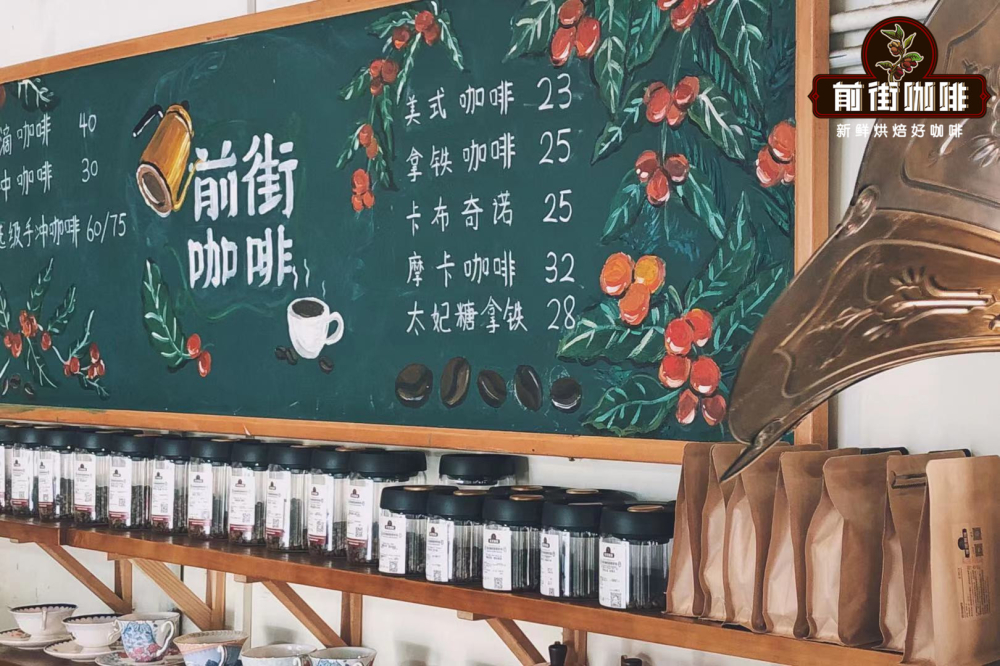
Cappuccino occupies an unshakable classic position among many Italian-style coffee drinks. Many people order it for the first time perhaps simply because they are drawn to this exotic-sounding name. Front Street Coffee will systematically sort out the key points of making cappuccino in this article. When cappuccino is mentioned, what image usually comes to mind? A cup of coffee blended with milk, topped with thick yet delicate milk foam—these understandings are all correct. However, if you want to truly understand this drink in depth, it is worth starting with the origin of its name.
The Origin of the Name Cappuccino
The term "Cappuccino" was transformed from Italian, and its roots can be traced back to the Capuchin order and the Italian word "Cappucio," meaning hood. The white hoods worn by the friars of this order happened to visually echo the layer of white milk foam in the center of cappuccino. It is said that most of the friars loved this coffee drink, so the name has been used ever since.
So, how exactly is a cup of cappuccino that meets the traditional standard made?
First, look at the most classic Italian method: a tall ceramic cup with a capacity of about 180 milliliters is usually chosen as the vessel, and only 1 shot is used for the coffee part, that is, following traditional Italian parameters—extracting about 30 milliliters of espresso from 7 to 8 grams of coffee grounds. Then the steamed stiff milk foam and milk are poured into the cup. The finished product shows a white milk foam area in the center, surrounded by a golden ring formed by the blending of coffee crema and milk foam.
Cappuccino is also quite particular about the choice of coffee beans. Using beans with different flavor profiles produces different final effects. The Italian-style roasted blend beans favored by Italians often show notes of toasted aroma, richness, and dark chocolate in flavor.
Front Street Coffee differs from the traditional Italian approach in its roasting philosophy. Even for beans used for espresso, Front Street will not roast them to the point of being black and oily. Front Street's roasting approach is to preserve the flavor characteristics of the coffee beans as much as possible, so when handling espresso beans, it is necessary to achieve a darker roast level while avoiding excessive loss of the original flavors.
When making cappuccino, Front Street uses the Warm Sun Blend coffee beans, a blend of sherry barrel-aged beans and naturally processed Yirgacheffe. This bean is at a medium-dark roast level, much lighter than Italian-style roasting. However, because it is a combination of sherry coffee and Yirgacheffe, while highlighting sherry wine aroma and vanilla cream notes, it can also present layers of caramel, chocolate, and more.
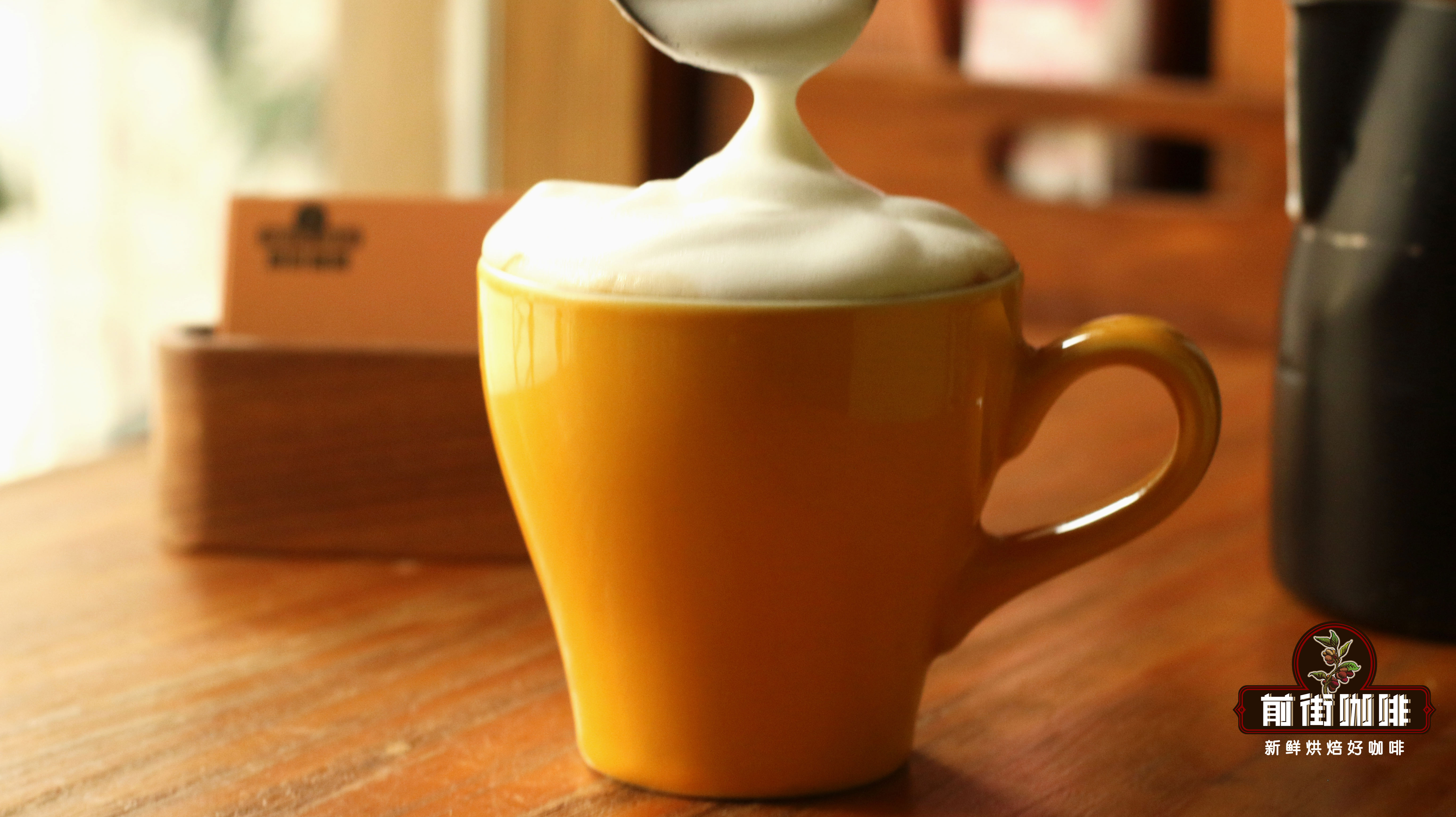
This demonstration uses a single-shot espresso preparation method, using a single spout handle, extracting 20 grams of espresso from 9 grams of grounds, with the extraction time controlled at 22 seconds.
The core step in making cappuccino lies in milk steaming. Because cappuccino requires thicker milk foam than latte, the aeration stage needs to last longer when steaming milk. During operation, first pour the milk into the milk pitcher, insert the steam wand into the milk, then turn on the steam switch so that the steam wand's outlet holes contact the milk surface. At this point, a sharp sound similar to tearing paper will be produced, and this process is called aeration or air intake. The longer the aeration lasts, the greater the final thickness of the milk foam, so cappuccino's aeration time is noticeably longer than that of latte. After completing aeration, continue to insert the steam wand deeper into the milk, allowing the milk to rotate and steam around the steam wand. Once the temperature rises to about 55 degrees Celsius, turn off the steam, and the milk steaming is complete.
The charm of cappuccino lies in its fine, thick milk foam, but it is precisely this thickness that reduces the fluidity of the milk, making it difficult to create complex latte art patterns like those for latte. And the most unforgettable visual element of cappuccino is probably its iconic "golden ring."

The operation for the golden ring pattern is actually not complicated. First, pour the extracted espresso into the cup. At this stage, do not integrate the milk; instead, use a spoon to scoop milk foam and place it on the surface of the espresso. Gently drop the milk foam into the center of the coffee, and the milk foam will slowly spread outward, forming a dot. As more milk foam is added, this dot will gradually expand until it occupies most of the liquid surface. At this point, add the milk.
Nowadays, latte art is becoming increasingly popular, and baristas always want to create exquisite patterns for every cup of milk coffee, and cappuccino is naturally no exception. In order to present decorative patterns, baristas consciously reduce the amount of air introduced when steaming milk, making the milk foam thinner and more fluid. In addition, considering that overfilling can easily cause spills, some coffee shops focused on takeaway deliberately weaken the effect of a full cup with domed milk foam, so that the form of being filled to the brim no longer exists.
For professional coffee knowledge exchange and more coffee bean information, please follow Coffee Workshop (WeChat public account: cafe_style)
For more specialty coffee beans, please add the private WeChat of Front Street Coffee, WeChat ID: qjcoffeex
The above content is compiled by CoffeeHunters, a coffee news website.


