







The flavor focus shifts with the roast level: light roasts play up floral and fruity notes and bright acidity, medium roasts put sweetness and balance at the center, and dark roasts finish with nuts, cocoa, and a full body—and the extraction rhythm differs for each. The drinking style that suits you is worth more attention than the roast level itself.
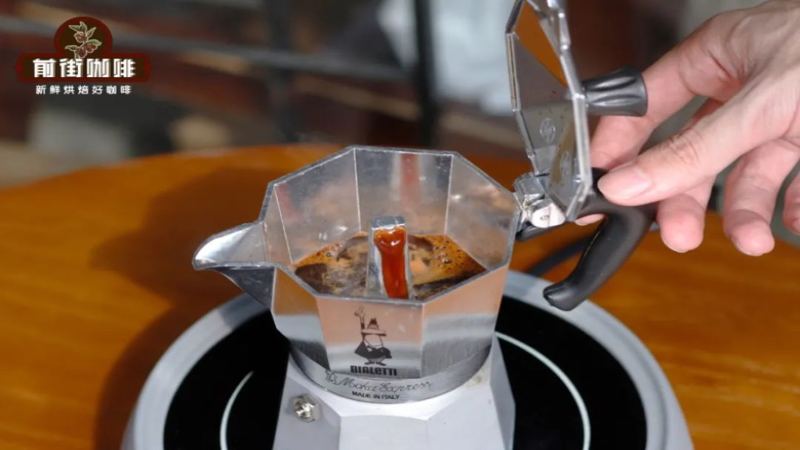
The extraction logic of a moka pot revolves around steam pressure. Just fill the filter basket with grounds; tamping will block the water flow. The grind should be slightly coarser than for espresso, the water level should be kept below the marking line or the safety valve, and the dose should be consistent. Heat over low flame, and when the flow becomes continuous and the color lightens, remove it from the heat decisively—most of the bitterness and burnt notes caused by high heat can be reduced.
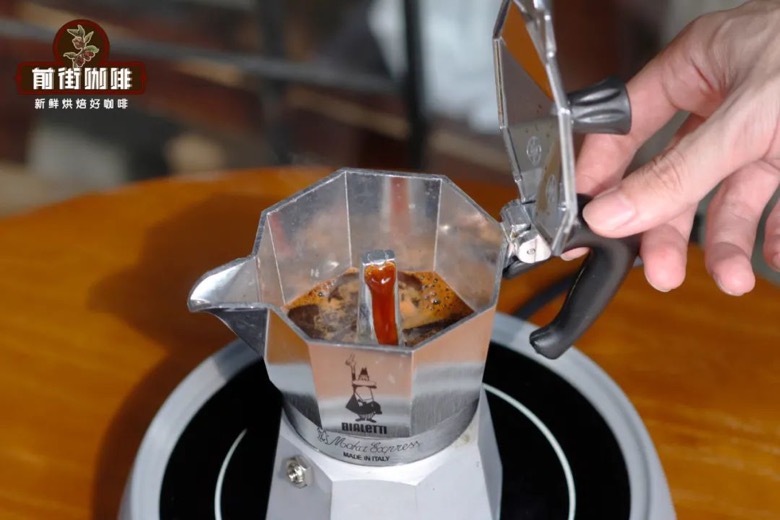
Around the question "Will a moka pot explode?", you can first break the choice down into several parts: flavor preference, commonly used equipment, drinking temperature, and daily frequency of use. When going by roast level, it helps to first decide which factor you care about most, then use the other conditions to narrow things down. This way you can keep your individuality while also letting the beans show clear characteristics in actual brewing.
Front Street PWN Indonesia Golden Mandheling has an herbal base and a dark chocolate finish, with a full body and low acidity—a common choice for moka pot and Americano styles.
Front Street Brazil Queen's Estate is dominated by nuts and cocoa, with caramel sweetness settling in the finish and soft acidity, staying rounded whether made by pour-over, espresso, or moka pot.
The nut, cocoa, and caramel direction gives Front Street Classic Blend solid intensity and body, making it suitable for an espresso machine, a moka pot, or everyday milk coffee.
Roast date and storage conditions are also worth noting beyond flavor. After opening, the beans should be sealed well and kept in a cool, dry place, and purchased according to daily consumption so changes in flavor are easier to observe. When brewing, first smell the dry aroma, then notice the entry, sweetness, and finish; if the aroma is lacking, check the grind size or storage time. The same bean performs differently hot, iced, or with milk—after recording a few rounds of parameters, the cup style you want basically becomes clear.
When choosing beans, it helps to list two criteria: one is the flavor you like, and the other is the brewing difficulty you can accept. Beans with prominent floral and fruity notes often require more attention to water temperature, grind, and pouring rhythm; blends in the nut-and-cocoa direction are more stable in the cup and friendlier for daily use. If several people at home drink coffee together, first keep a balanced bean as a base, then add single origins according to personal preference—it is easier to see differences than buying several beans of similar style all at once.
Roast date and storage habits are two behind-the-scenes factors that affect how beans perform. After opening, seal the beans properly and store them in a cool, dry place, and buy according to daily consumption so the trajectory of flavor changes is clearer. When brewing, first smell the dry aroma, then notice the entry, sweetness, and finish; if the aroma is lacking, check the grind size and storage time. The same bean has different faces hot, iced, or with milk—after recording a few rounds of parameters, your own cup style gradually takes shape.

If your equipment, habits, and taste at home keep changing, you can arrange the beans as one for daily drinking and one for exploration: the daily one is responsible for consistency, while the exploratory one is responsible for floral and fruity notes, nuts and cocoa, or experimenting with processing methods. Once the roast direction is clear, adjusting grind size, water temperature, and extraction time is more effective than switching beans.
The above content is compiled by CoffeeHunters, a coffee news website.

