







Search Results for: Golden Cup Ratio
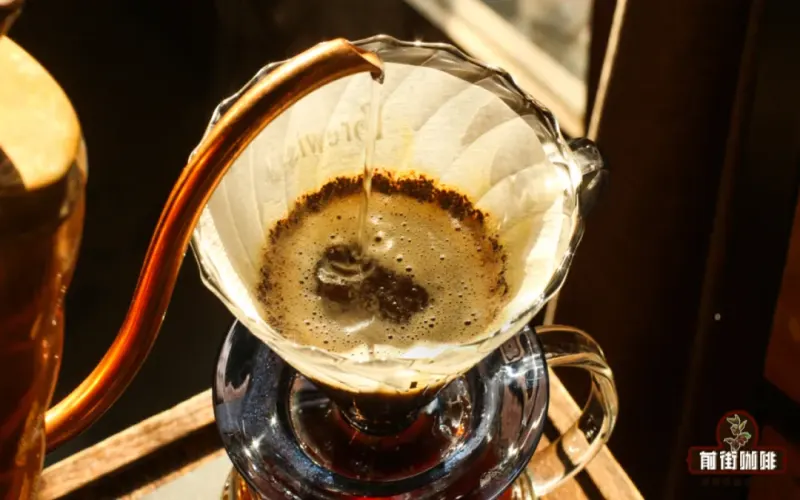
Why Is the 1:16 Pour-Over Coffee-to-Water Ratio Called the Golden Ratio? The Golden Cup Extraction Standard and Practical Parameters Explained
In discussions about pour-over coffee, the 1:16 coffee-to-water ratio is often dubbed the "golden ratio," so some friends are surprised that Front Street Coffee uses 1:15 in its daily routine. Behind this lies the Golden Cup extraction theory—Dr. Lockhart's research indicates that most people prefer coffee with a concentration between 1.15% and 1.35%, and an extraction yield between 18% and 22%. The Golden Cup extraction chart visually illustrates the relationship between coffee-to-water ratio, concentration, and extraction yield, and 1:16 happens to be a ratio that easily falls within the ideal range. However, the Golden Cup standard is only a reference, not an absolute rule: tastes vary from person to person—1:14 or even 1:10 suits those who prefer a strong brew, while 1:17 to 1:20 is better for those who enjoy a lighter taste. Front Street Coffee chooses 1:15 to make the flavors more concentrated and the mouthfeel more substantial, and it adjusts the water temperature and grind based on the roast level. This article will provide a complete analysis of the origin of the golden coffee-to-water ratio, the true meaning of Golden Cup extraction, and Front Street Coffee's specific brewing parameters for beans such as Huakui, Geisha, Queen's Estate, and Golden Mandheling. [more…]

Pour-Over Coffee Grounds-to-Water Ratio and the SCA Golden Cup Theory: Extraction Yield, Concentration Standards, and Common Misunderstandings
Brewing a good cup of coffee, the coffee-to-water ratio and extraction yield are core parameters that cannot be avoided. The SCA Golden Cup extraction theory gives an ideal range of 18%-22% extraction yield and 1.2%-1.45% concentration, but many enthusiasts easily misunderstand it as "as long as you copy the Golden Cup coffee-to-water ratio, you will definitely brew a good cup of coffee." This article starts with a simple calculation of the coffee-to-water ratio, guides you to understand the meaning of the Golden Cup extraction range, clarifies the boundary between over-extraction and under-extraction, and explains the true value of learning the Golden Cup theory—not rigidly sticking to a certain ratio, but using it to adjust brewing variables and more flexibly approach the flavor you want. Front Street Coffee also shares related products and brewing ideas in the article for coffee enthusiasts' reference. [more…]
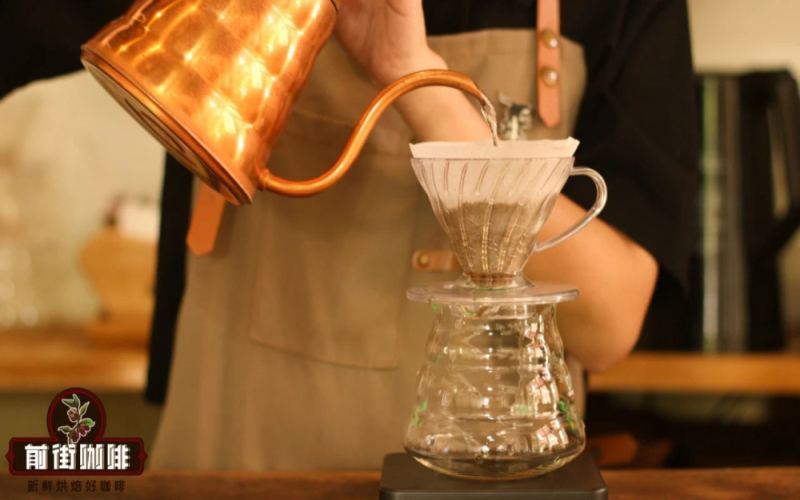
Why Is the Pourover Coffee Grounds-to-Water Ratio Commonly 1:15? A Professional Interpretation from Golden Cup Extraction to Practical Parameters
The coffee-to-water ratio for pour-over is a core question every enthusiast will face. Where exactly does the 1:15 ratio come from? Does it truly conform to the SCA Golden Cup extraction standard? Starting from Front Street's daily brewing practice, this article first clarifies two basic concepts—the coffee-to-water ratio and the water absorption rate of coffee grounds—then, combined with the Golden Cup extraction chart, analyzes the difference between the ideal range and actual output, explaining why 1:15 has become a stable and conservative choice. At the same time, the article also discusses whether tail-end truncation is necessary, and how ordinary enthusiasts should view this operation. [more…]
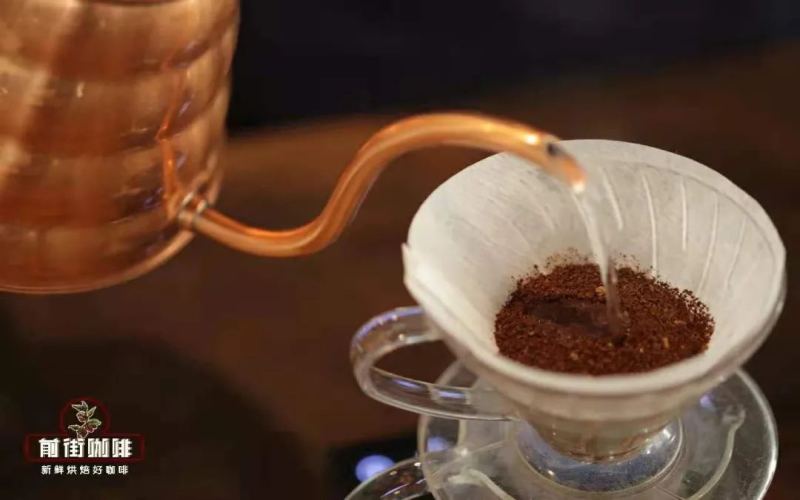
Coffee-to-Water Ratio | How to Calculate the Pour-Over Coffee-to-Water Ratio, Cold Brew Pour-Over Coffee-to-Water Ratio
Without adding sugar or milk, how to hand-brew a delicious and distinctive cup of coffee is a difficult challenge for many enthusiasts just starting out in coffee. Pour too much water and the coffee will be weak; pour too little and it will be very strong and harsh on the throat. Therefore, you must pay attention to the coffee-to-water ratio. So exactly how much water should be used to brew a cup of coffee? The coffee-to-water ratio is probably what every [more…]
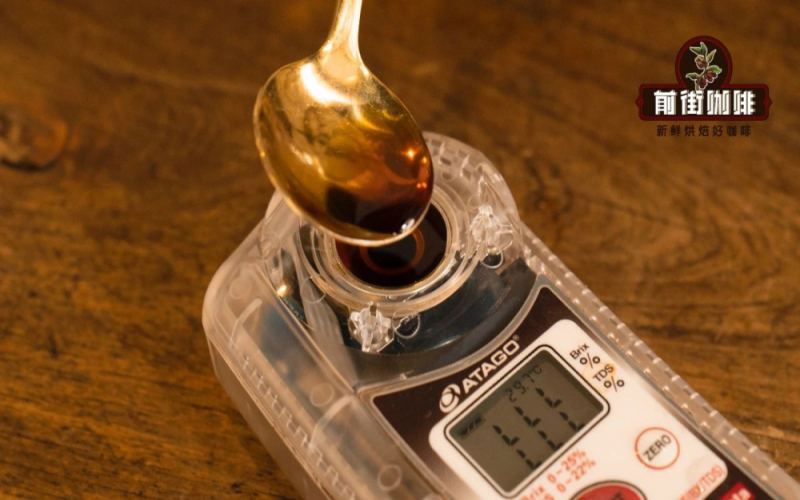
Analysis of the SCA Golden Cup Extraction Standard: The Calculation Logic and Practical Demonstration of Pour-Over Coffee Concentration and Extraction Yield
The Golden Cup extraction system is a quality reference framework widely recognized in the global coffee industry, and its core lies in controlling the concentration and extraction yield of the coffee liquid within a specific range. Compiled by FrontStreet Coffee, this article systematically reviews the origins of the Golden Cup standard and the differences in national standards, explains in detail the formulas for extraction yield and concentration, and uses a VST refractometer and a brewing example with Ethiopia Huakui 4.0 to demonstrate how to measure concentration and calculate extraction yield. At the same time, the article also discusses the influence of the pour-over coffee grounds-to-water ratio on flavor, gives a recommended ratio of 1:15 suitable for most bean varieties, and helps coffee enthusiasts build a quantifiable approach to brewing adjustments. [more…]
How to determine the coffee-to-water ratio for pour-over coffee? From the Golden Cup extraction principle to Front Street Coffee's 1:15 parameter practical analysis
How exactly should the coffee-to-water ratio for pour-over coffee be determined? Front Street Coffee has always recommended 1:15, and this is not an arbitrary choice behind it, but a scientific calculation based on the SCA Golden Cup extraction theory. This article will start with the Golden Cup standard, the definitions of extraction yield and concentration, gradually explain the ratio ranges corresponding to different tastes, and use a Costa Rica Geisha blend as an example to actually calculate concentration and extraction yield, helping you find the brewing parameters that suit you between theory and practice. [more…]
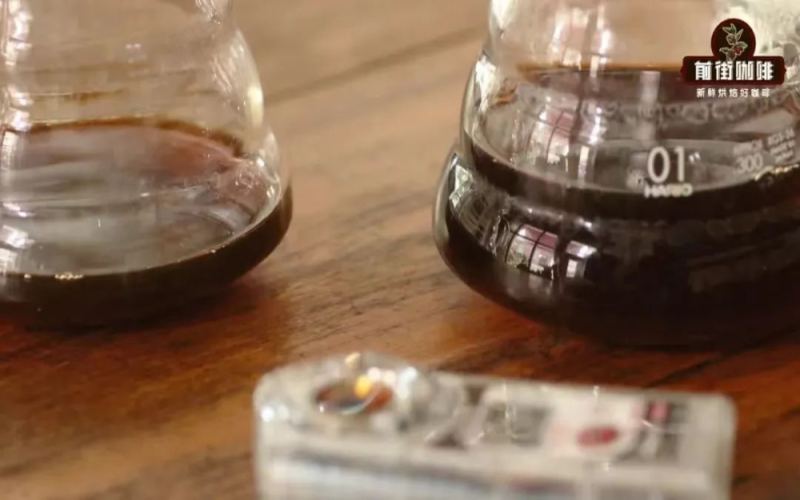
How to Determine the Coffee-to-Water Ratio for Pour-Over Coffee? A Full Analysis from the Golden Cup Extraction Chart to Front Street Coffee's Recommended Parameters
The coffee-to-water ratio for pour-over coffee has always been a hotly debated topic among enthusiasts. Faced with the classic Golden Cup extraction chart, many people wonder: why is the recommended 1:17 on the chart not commonly seen in actual brewing? Can a 5ml difference in water volume really be tasted? And what ratios should be used for light-roast and dark-roast coffee beans respectively? This article will guide you through reunderstanding the origins and development of the Golden Cup extraction chart, analyze the impact of subtle differences in water volume on flavor, and, drawing on Front Street Coffee's brewing experience, provide practical ratio ranges for light-roast and dark-roast coffee, helping you find the cup of good coffee that truly suits you. [more…]
How to Choose the Coffee-to-Water Ratio for Pour-Over? Front Street Coffee's Practical Logic Behind Recommending 1:15 and Staged Pouring Techniques
The coffee-to-water ratio in pour-over coffee directly determines the flavor direction, and Front Street Coffee baristas are often asked about this during daily store conversations. Regardless of which dripper is used, Front Street recommends 1:15 as the brewing baseline. Although this ratio is not within the optimal range of the SCA Golden Cup theory, it delivers stable flavor and body in actual brewing. This article will explain the meaning of the coffee-to-water ratio, the Golden Cup extraction range, why 1:15 is chosen, and the specific operation of pulse pouring, and will use Colombia Rose Valley coffee beans as an example to provide complete brewing parameters and flavor descriptions, helping coffee lovers find a brewing solution that suits them. [more…]

A Complete Guide to the Golden Cup Extraction Theory: From Its Historical Origins to the Practical Application of Concentration and Extraction Yield
The Golden Cup extraction is a concept often mentioned in coffee circles. It uses two indicators—concentration and extraction yield—to judge whether a cup of coffee has been properly extracted. This theory can be traced back to 1952, when it was developed through collaborative research by the American coffee association and Dr. Lockhart of MIT. After multiple revisions, the Golden Cup range currently recognized by the SCAA is: extraction yield 18%-22%, concentration 1.15%-1.35%. But the Golden Cup numbers are only a reference tool, not an absolute formula for brewing delicious coffee. This article will walk you through the origins and development of Golden Cup extraction, the meaning of concentration and extraction yield, how to calculate extraction yield using formulas, and why you should not be limited by the Golden Cup range. [more…]
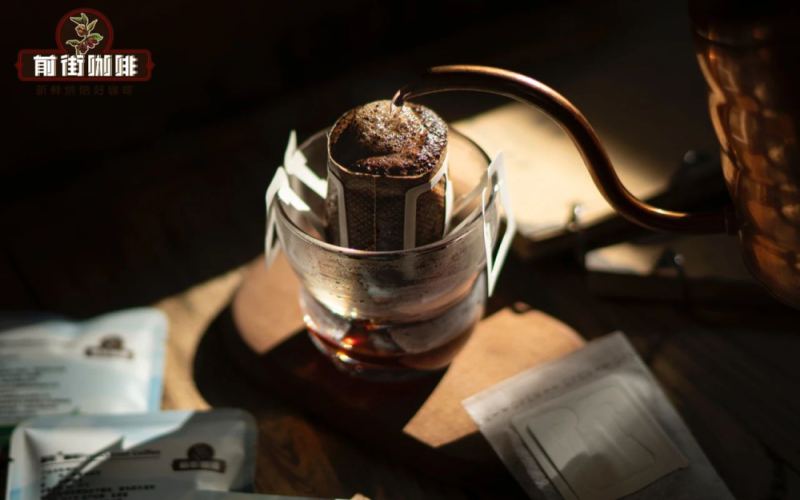
How to brew Golden Mandheling drip coffee bags? Master water temperature and coffee-to-water ratio to enjoy a rich black coffee at home
Golden Mandheling is the fullest-bodied coffee on Front Street Coffee's bean list, originating from Sumatra, Indonesia, and known for its caramel, spice, and pine notes with a rich, sweet finish. For busy office workers, turning Golden Mandheling into drip bags and taking them to the office is both convenient and time-saving. But whether a drip bag brews up well depends on water temperature, the coffee-to-water ratio, and the pouring method. This article starts with the origins and quality characteristics of Golden Mandheling, then walks through every step of brewing a drip bag at home in detail, and explains what to look out for when buying drip bag coffee, helping you consistently brew a cup of rich, full-bodied black coffee at the office or at home. [more…]
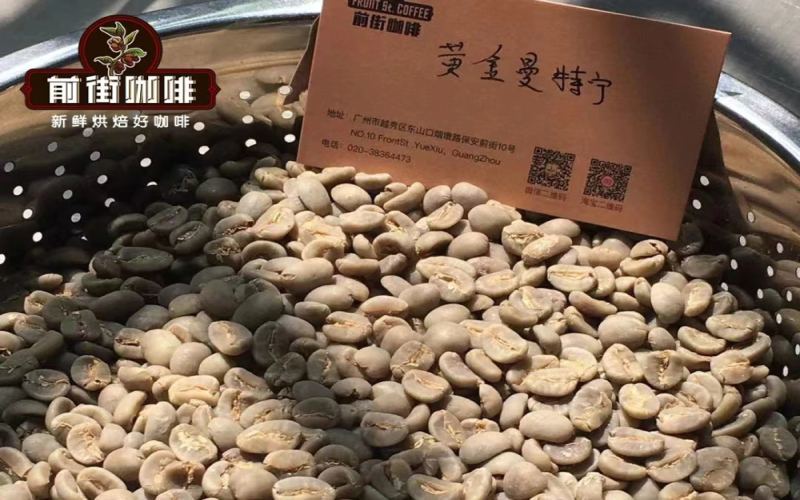
Indonesian Sumatra Golden Mandheling Brewing Guide: A Detailed Breakdown of Coffee-to-Water Ratio, Water Temperature, and Grind Parameters
Golden Mandheling is a representative of Indonesian coffee, known for its rich body and chocolate-nutty flavor. But if you want to brew a delicious cup of Golden Mandheling at home, how exactly should you decide the coffee-to-water ratio, water temperature, and grind size? This article starts with the product background of Front Street Golden Mandheling, sorts out the origin of the name Mandheling and the meaning of the PWN trademark, and then breaks down the dripper choice, coffee dose, coffee-to-water ratio, grind size, water temperature, and three-pour pouring scheme one by one, helping you avoid burnt bitterness and blandness and brew a clean, rich Golden Mandheling with caramel sweetness. [more…]
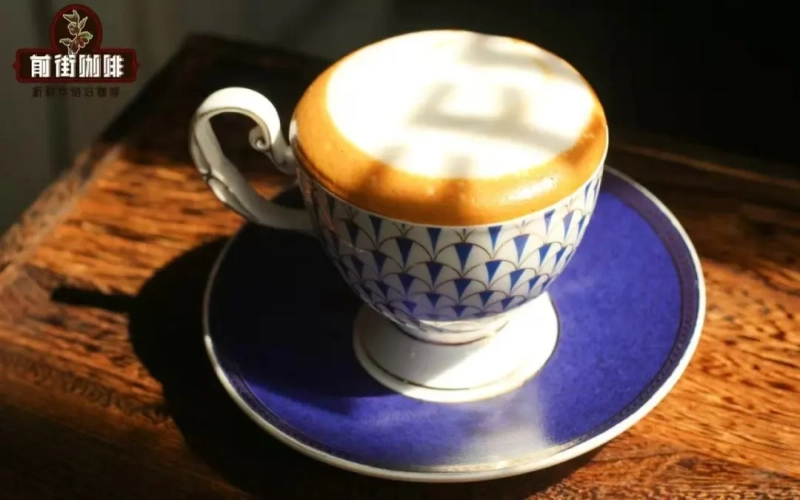
The Authentic Standards and Golden Circle Preparation of Cappuccino: The Golden Ratio of Espresso, Milk, and Milk Foam, and the 11-Point Fullness Technique
Cappuccino is not simply a milk-foam coffee; it has three hallmarks that distinguish it from lattes, flat whites, and other milk coffees: a velvety mouthfeel, a rich coffee taste, and a "11-point full" serve. Starting from the core characteristics of a cappuccino, this article explains in detail the ratio of coffee to milk, the effect of milk-foam thickness on latte art and the golden ring, and, using a classic blend bean as an example, provides the complete extraction parameters and steps for making the golden ring, helping you make a standard cappuccino at home that is rich without being bitter and as velvety as a cloud. [more…]
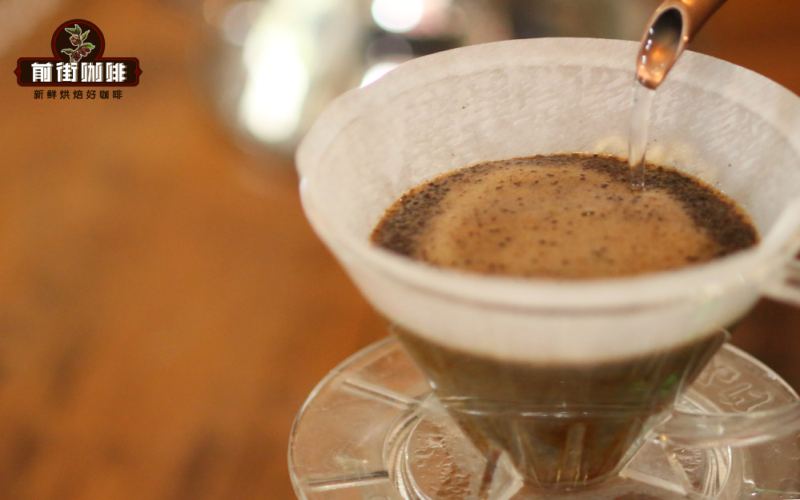
Pour-Over Parameter Plan | What are the requirements for coffee grind size, coffee-to-water ratio, water temperature, and brewing technique when making pour-over coffee with Indonesian PWN Golden Mandheling coffee beans?
When it comes to Indonesian Mandheling, the most famous and popular is undoubtedly the Golden Mandheling coffee beans produced by the Indonesian PWN company. As a result, many people come to try Golden Mandheling coffee and decide to buy the beans to brew at home, but they can never reproduce the taste they had in the coffee shop. Why is that? [more…]
ATAGO Refractometer Operation Guide: How to Convert TDS Readings to Golden Cup Extraction Yield
Front Street Coffee received a question from an enthusiast who wants to know how to get started with coffee concentration measuring instruments like ATAGO. This article will demonstrate the operating procedure of the instrument step by step, explain the meaning of the two readings, Brix and TDS, and show how to use the measured TDS value to calculate the coffee's extraction yield. The article will also introduce the two core standards of the Golden Cup theory—extraction yield of 18%–22% and concentration of 1.2%–1.45%—as well as the flavor characteristics brought by under-extraction and over-extraction, helping you more accurately judge whether a cup of coffee falls within the ideal range in your daily brewing. [more…]
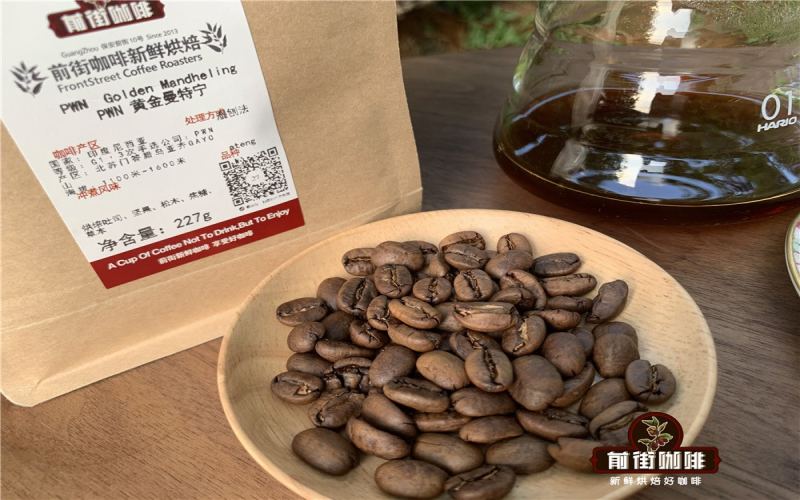
PWN Golden Mandheling Pour-Over Technique Explained: Is It Suitable for Brewing Before the Resting Period Is Complete?
Golden Mandheling, as a representative of Indonesian specialty coffee, is favored by coffee enthusiasts for its mellow, clean taste and long-lasting finish. But to brew an ideal cup of Golden Mandheling at home, besides choosing the right beans, you also need to master key parameters such as water temperature, grind size, coffee-to-water ratio, and pouring technique. At the same time, many friends ask: if the coffee beans haven't passed their resting period yet, can they still be brewed? In this article, Front Street will focus on PWN Golden Mandheling coffee beans, breaking down everything from the bean's background and processing method to the three-pour brewing technique, and explaining the relationship between the resting period and coffee flavor, to help you more confidently enjoy a good cup of coffee at home. [more…]
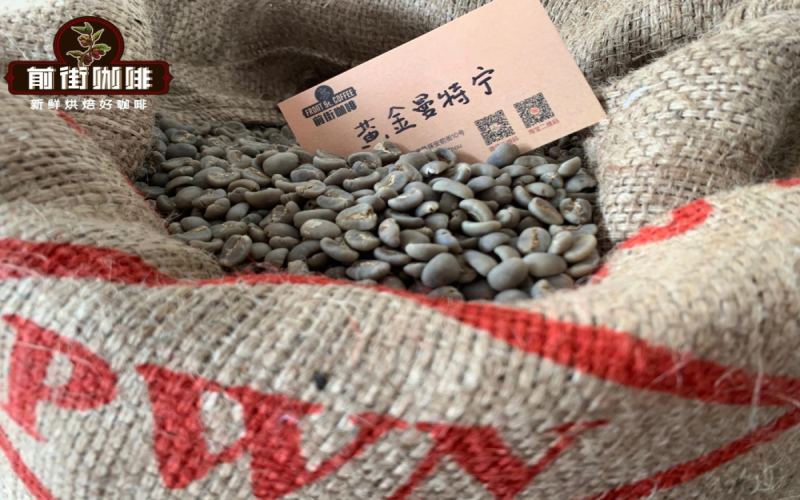
Brewing Parameters for Dark Roast Coffee Beans | What are the requirements for the coffee-to-water ratio, grind size, water temperature, and extraction time when making pour-over coffee with Indonesian PWN Golden Mandheling coffee beans?
When it comes to Indonesian Mandheling, the most famous and popular is undoubtedly the Golden Mandheling coffee beans produced by the Indonesian PWN company. Many people come to try Golden Mandheling coffee and decide to buy the beans to brew at home, but they can never replicate the taste they had in the coffee shop. Why is that? [more…]
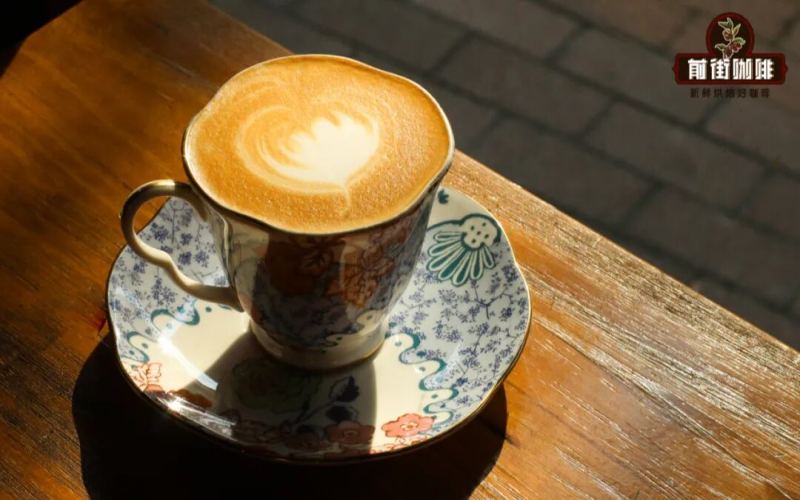
Espresso | What is the golden extraction ratio for espresso? Must the coffee-to-liquid ratio for making espresso be 1:2?
Front Street Coffee believes that after you've been working with espresso for a while, you'll certainly be familiar with the "1:2" brew ratio, because it's often hailed as the "golden ratio" for espresso and is the most commonly used ratio when extracting espresso. Brew ratio refers to the amount of coffee grounds used [more…]
How to determine the coffee-to-water ratio for pour-over coffee? The Golden Cup extraction yield and strength calculation and practical methods to avoid over-extraction
Many coffee enthusiasts have encountered this confusion: for the same beans, why does the taste always differ between what you brew yourself and what a Front Street barista brews? In fact, this involves two core concepts—extraction yield and concentration. This article, based on the daily experience of Front Street Coffee (FrontStreet Coffee), systematically explains what coffee extraction yield is, how to measure extraction yield using a TDS concentration meter, and the conversion relationships in the SCAA Golden Cup standard among 18%–22% extraction yield, 1.15%–1.35% concentration, and a 1:12–1:15 coffee-to-water ratio. The article also reviews the historical origins of the Golden Cup theory and, using Front Street's brewing of Panama Elida Natural Typica as an example, provides complete staged pouring parameters and the extraction yield calculation process, helping you brew a cup of pour-over coffee at home that is not over-extracted and has a pleasing flavor. [more…]
Analysis of the Coffee Golden Cup Extraction Standard: A Complete Guide to Pour-Over Golden Water-to-Coffee Ratio and Staged Pouring
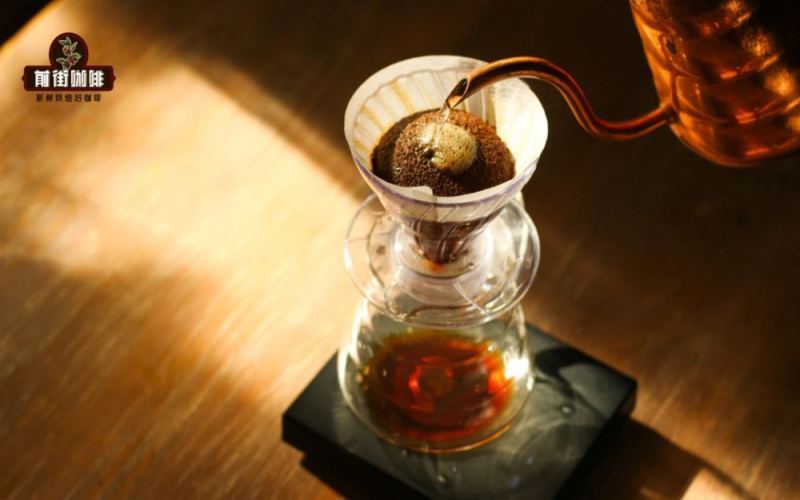
To brew a balanced cup of pour-over coffee at home, mastering the Golden Cup extraction guidelines and the golden water-to-coffee ratio is key. Starting from the three-pour method commonly used at Front Street Coffee stores, this article uses Guatemala Antigua La Flor del Café beans as an example to break down the core steps in detail, including blooming, pouring rhythm, grind size, and water temperature control, and provides specific parameters such as a 1:15 coffee-to-water ratio and 90°C water temperature. Whether you are a beginner just getting started or an enthusiast looking to refine your skills, you can find practical points to apply and avoid common pitfalls such as uneven extraction and weak, bland flavor. [more…]

What's the difference between a cappuccino and a latte? A full breakdown of the dry and wet versions, the golden ring method, and the milk-to-coffee ratio
What exactly is the difference between a cappuccino and a latte? Why is cappuccino, despite sharing the same name, divided into "dry" and "wet" versions? This article begins with a special order request encountered at a Front Street store, taking you back through the origins of cappuccino, clarifying the difference between it and a latte in terms of the ratio of milk to coffee, and breaking down in detail the causes and characteristics of dry and wet cappuccinos. At the same time, the article will also share Front Street Coffee's recommended espresso blend bean choices, and how to use espresso and thick milk foam to make a cup of old-school cappuccino with a golden ring, helping you fully understand the layers and charm of this classic milk coffee. [more…]