







Search Results for: Geisha coffee variety
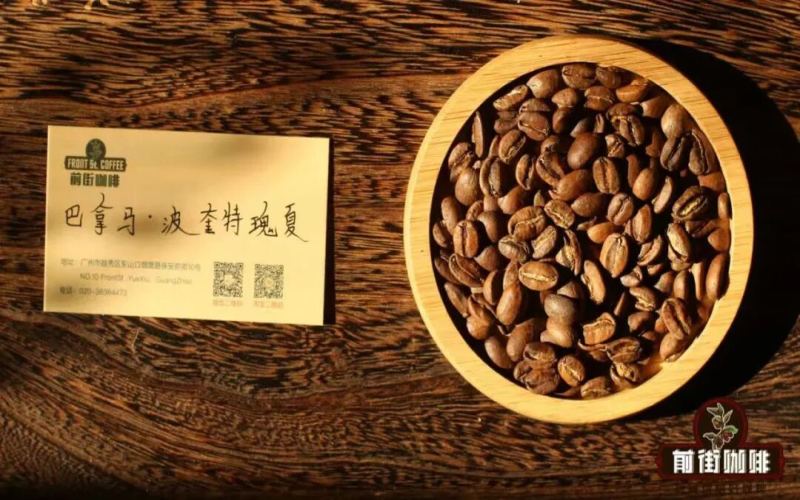
What Kind of Coffee Is Geisha?|Why Are Geisha Coffee Beans Always Associated with Panama? Which Coffee Regions Grow Geisha? What Makes Panamanian Geisha So Unique?
Many friends have noticed this phenomenon: whenever people chat about Geisha coffee, even though no specific region is mentioned, the first thing that often comes to mind is Geisha from Panama; or when talking about Panamanian coffee, they will directly assume it is the Geisha variety; some even go so far as to directly [more…]
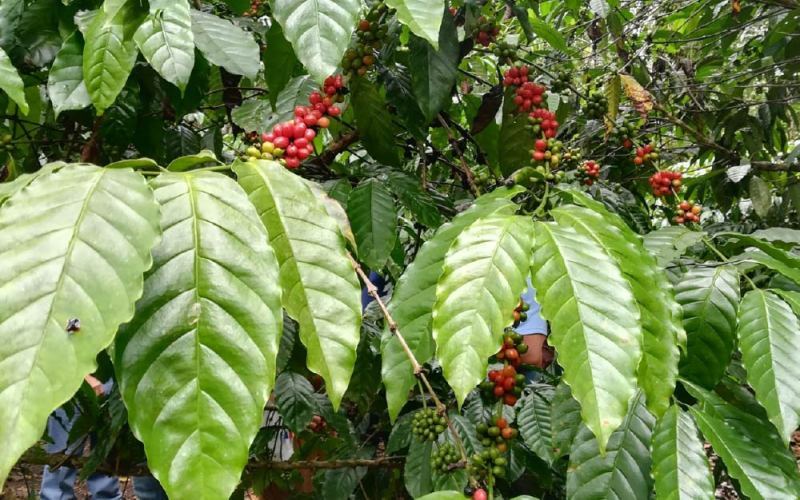
How Much Does Geisha Coffee Cost? The Origins, Flavor, and Aroma of the Authentic Geisha Variety Explained
Geisha coffee is also known in China as "艺伎咖啡" (Geisha coffee), and is a member of the Ethiopian strain within the Arabica family, originally from Africa. Although it originated in Ethiopia, it rose to fame in Panama. Interestingly, the Geisha grown today in Panama and Central and South America is actually a different variety from the native Geisha of Ethiopia. Through comparison, Front Street Coffee has found that the two differ noticeably in flavor expression. This article will take you through the history of Geisha's discovery, analyze the varietal relationship between the two major producing regions, and introduce in detail the various Geisha coffee beans currently sold by Front Street Coffee along with their flavor characteristics, providing coffee lovers with a complete guide to Geisha knowledge. [more…]
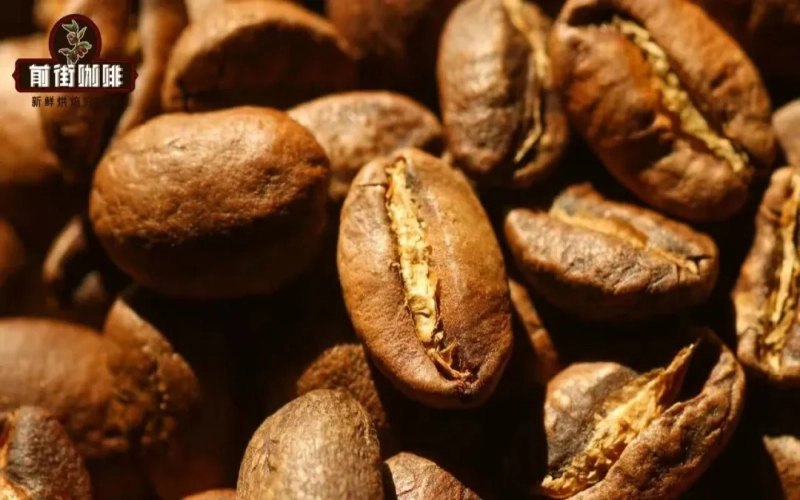
Flavor Differences Between Ethiopian Geisha and Panamanian Geisha: Same Name, Different Variety—Why the Huge Gap in Price and Taste
Geisha coffee varies significantly in flavor and price depending on its origin and processing method. Among them, Ethiopian Geisha and Panamanian Geisha often spark lively discussion among coffee enthusiasts due to their stark differences in price and taste. Although the two share the name "Geisha," they are actually entirely different varieties. Panamanian Geisha originated from the Geisha forest in Ethiopia, was discovered by Hacienda La Esmeralda, and won the 2004 BOP competition, known for its white floral notes, citrus fruit character, and green tea-like quality, with the designation T2722; Ethiopian Geisha, on the other hand, tends to have a rich, juicy mouthfeel and is genetically more distantly related to Panamanian Geisha, making it something of a distant relative. This article will outline the origins and flavor differences of the two, and recommend several high-value Geisha beans from Front Street Coffee for comparative tasting. [more…]
Why Is Geisha Coffee So Expensive? A Complete Guide from Variety Characteristics to Cost-Effective Buying
As one of the most sought-after varieties in the specialty coffee world, Geisha commands a high price for multiple reasons, including variety yields and growing conditions. This article, from the perspective of Front Street Coffee, systematically breaks down the root causes behind Geisha coffee's persistently high prices and shares several Geisha options that balance quality and value, including Geisha in blend form and entry-level lots from representative estates, helping coffee lovers gradually achieve "Geisha freedom" within their budgets while also understanding the flavor directions of different grade lots such as Hacienda La Esmeralda's Blue Label and Geisha Village's Green Label. [more…]
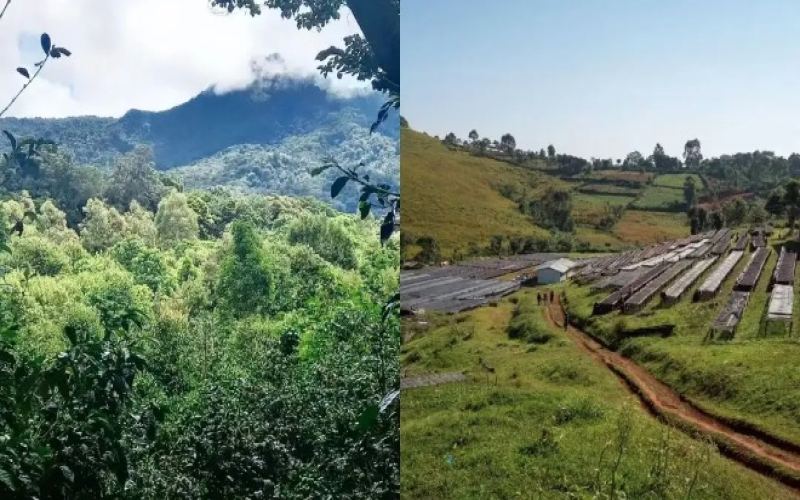
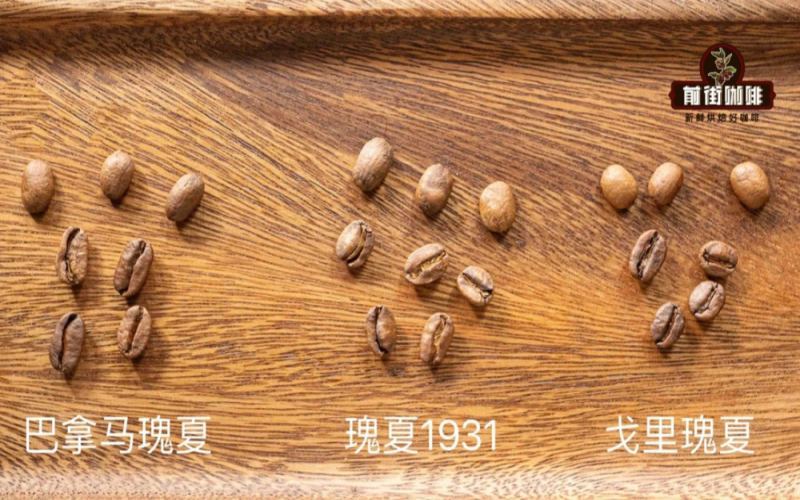
Gori Geisha, Geisha 1931, are also Geisha coffee beans?
The place where Geisha originated is in Panama, while its origin is in Ethiopia. Therefore, people often compare the Geisha from these two regions! And the "Geisha 1931" and "Gori Geisha" bean varieties are recognized by people as representatives of [more…]
Tracing the Origins of the Geisha Coffee Variety: Flavor Differences and Genetic Lineage Between Ethiopian Native Gesha and Panamanian Geisha
Although Geisha coffee originated in Ethiopia, it rose to world fame in Panama. What many people do not know is that the Geisha grown in Central America today and the native Geisha of Ethiopia are actually two different varieties, a fact hinted at by the difference in spelling between Gesha and Geisha. Through comparison, Front Street Coffee found that Panamanian Geisha is known for its refined fruit acidity, floral aroma, and tea-like body, while native Ethiopian Gesha presents notes of citrus, almond, and tea, with slightly less complexity. This article traces Geisha's century-long journey from being collected in the Kaffa forest to achieving fame in Panama, sorts out the genetic relationship between T2722 and Gesha1931, and introduces the flavor characteristics of the Ethiopian Gesha Village and Panamanian Hacienda La Esmeralda series Geisha coffee beans currently sold by Front Street Coffee. [more…]
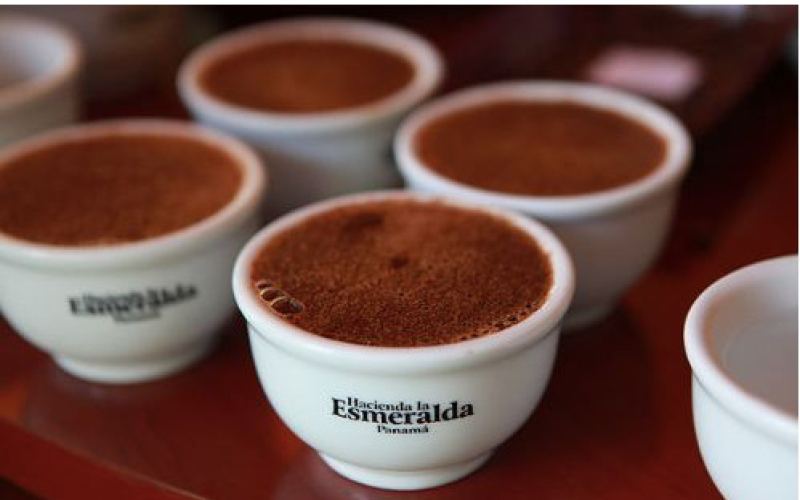
The Origin and Spread of Panama Geisha Coffee: An Analysis of Variety Characteristics, Estate Grading Systems, and Brewing Key Points
Geisha coffee's journey from the wild forests of Ethiopia to the world stage of specialty coffee owes much to the discovery and promotion by Hacienda La Esmeralda in Panama. This article will trace the spread of the Geisha variety, compare the flavor differences of Geisha from origins such as Panama and Ethiopia, explain in detail Hacienda La Esmeralda's Red, Green, and Blue Label grading system and the characteristics of each, and introduce the flavor profiles and brewing suggestions for several Geisha coffee beans sourced by Front Street Coffee, helping coffee enthusiasts gain a comprehensive understanding of this legendary variety. [more…]
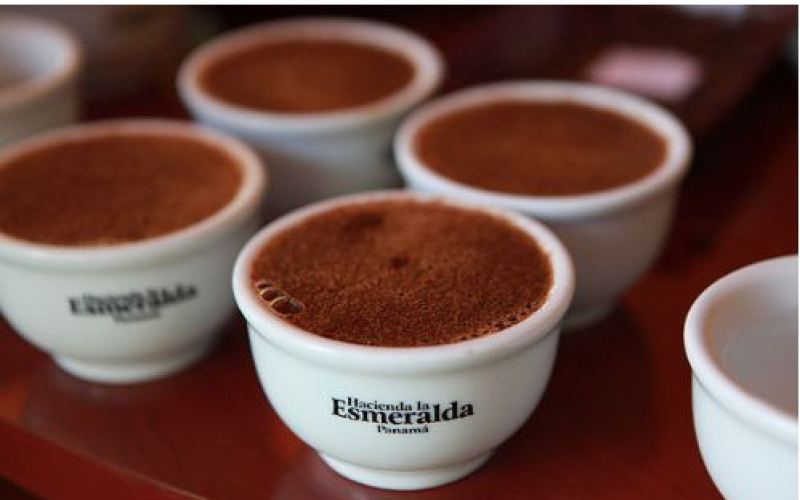
Geisha Coffee: The Variety Legend from Ethiopian Forests to Panama Champion and a Full Analysis of Origin Flavors
Geisha coffee, also known as Gesha coffee, is one of the most dazzling varieties in today's specialty coffee world. It was first discovered in the Geisha forest of Ethiopia, then made its way through Kenya, Uganda, and Costa Rica, and finally rose to fame at Hacienda La Esmeralda in Panama. This article traces the complete spread of Geisha coffee and its varietal characteristics, and introduces the Geisha flavors of representative origins such as Colombia, Costa Rica, and Ethiopia, as well as the Red Label, Green Label, and Blue Label grade classifications of Panama's Hacienda La Esmeralda. Drawing on years of sourcing experience, Front Street Coffee shares the cupping performance and brewing suggestions for each Geisha coffee bean, helping coffee lovers fully understand this legendary variety. [more…]
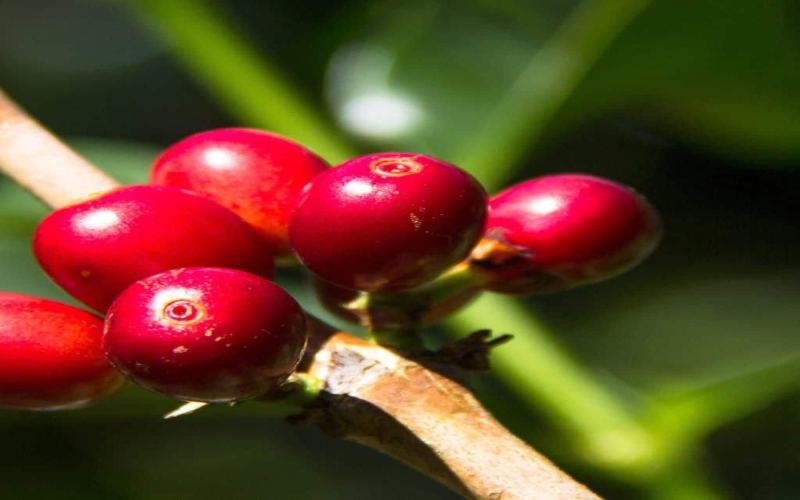
Complete Guide to Geisha Coffee Beans: From Origin and Spread to Taste Grades and Flavor Differences with Huakui
Geisha, hailed as the most legendary coffee variety of the 21st century, has become an undisputed star in the specialty coffee world thanks to its stunning cupping performance and ever-rising auction prices. But where exactly did Geisha come from? Is it the same bean as Huakui? How do you distinguish between the Red Label, Green Label, and Volcanic Rock lots from Panama's Hacienda La Esmeralda? How does the product line from Gesha Village in Ethiopia differ? This article, led by Front Street Coffee (FrontStreet Coffee), will systematically trace Geisha's rise to fame, its varietal characteristics, and its flavor expression across different producing regions, along with practical brewing suggestions to help coffee lovers gain a comprehensive understanding of this legendary variety. [more…]
The Origin of the Geisha Coffee Name: A Variety Legend from Geisha Mountain in Ethiopia to Hacienda La Esmeralda in Panama
Geisha is one of the most highly regarded varieties in today's specialty coffee world, having won over countless coffee lovers with its complex flavors woven from floral notes and tropical fruits. This variety originated in the Geisha Mountain Kaffa forests of southwestern Ethiopia, yet rose to fame through its discovery at Hacienda La Esmeralda in Panama. From being collected and recorded as T2722 in 1931, to winning first place in the BOP competition in 2003, and then stunning the world at the SCAA evaluation in 2005, Geisha has traveled a long and winding road. This article will provide a complete overview of the origin of the name Geisha, the historical spread of the variety, the terroir advantages of the Boquete producing region, and Front Street Coffee's professional recommendations for roasting and brewing, guiding you to a comprehensive understanding of this new king among specialty coffees. [more…]
What Variety Is Geisha Coffee? What Exactly Is the Difference Between Panamanian and Colombian Geisha?
Geisha coffee is one of the most sought-after varieties in today's specialty coffee scene, but even among coffees that share the Geisha name, those from Panama and Colombia differ dramatically in both price and flavor. Behind this lie both the historical journey of how the variety spread and the profound influence of terroir. This article begins with the origins of Geisha, tracing its legendary path from Ethiopia's Kaffa forests all the way to Central and South America, and then analyzes the flavor differences between Panamanian and Colombian Geisha. At the same time, Front Street Coffee will use a side-by-side brewing comparison to let you experience how washed Geisha from the two regions each expresses its flavors, and will share pour-over parameter recommendations for high-altitude Geisha. [more…]

What is the price tier of Panama Hacienda La Esmeralda Red Label Geisha coffee beans? An analysis of Geisha flavor, taste, and grading system
Geisha coffee is often regarded as the pinnacle of specialty coffee, especially the Red Label, Green Label, and Blue Label lots produced by Panama's Hacienda La Esmeralda, whose prices and flavors attract much attention. From the perspective of Front Street Coffee, this article systematically reviews the history of Geisha's spread, the differences between Ethiopian and Panamanian Geisha, the grading methods of Gesha Village, and the three major plots of Hacienda La Esmeralda along with the Red Label, Green Label, and Blue Label tier system, and analyzes the reasons behind Geisha coffee's high price. The article also retains product information and brewing suggestions for Front Street's Emerald Red Label, Green Label, and Blue Label Geisha, making it suitable reading for coffee enthusiasts who want to gain a deeper understanding of Geisha's grades and flavor. [more…]
Geisha Coffee Origins | How Do Panamanian and Ethiopian Geisha Differ? What Geisha Varieties Are There? An Introduction to Panama Emerald Geisha Grades
Some people say that Geisha coffee is so expensive, so what exactly does Geisha coffee taste like? Front Street believes that when you drink Geisha coffee, you'll feel like it's not a cup of coffee, but a cup of floral and fruity tea. Because of different growing regions, the flavors that Geisha coffee presents also vary, but overall, Geisha coffee naturally has a [more…]
Panama Hacienda La Esmeralda vs. Ethiopia Gesha Village: Analysis of Red Label Geisha Coffee Bean Grading and Flavor Profile Comparison
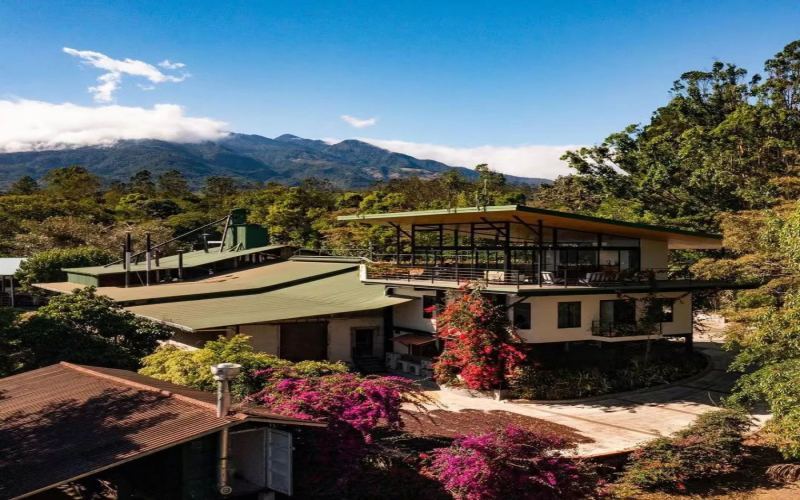
Geisha coffee is undoubtedly one of the most sought-after varieties in today's specialty coffee world. It originated in the primitive forests of Ethiopia, yet rose to prominence at Hacienda La Esmeralda in Panama. As the specialty coffee market continues to expand, estates dedicated to growing Geisha have also emerged in Ethiopia itself, among which Gesha Village is particularly notable. In this article, Front Street Coffee will systematically trace the varietal origins of Geisha, provide a detailed interpretation of Hacienda La Esmeralda's three major grading standards—Red Label, Green Label, and Blue Label—and take an in-depth look at Gesha Village's auction, Gold Label, Red Label, Green Label, and Chaka lot systems, along with the region, altitude, variety, processing method, and flavor descriptions for each grade of Geisha coffee beans, helping coffee enthusiasts gain a comprehensive understanding of the stylistic differences among Geisha from different origins and key points for purchasing. [more…]
The Origins and Flavor Characteristics of Panama Geisha Coffee: A Comprehensive Analysis of Core Producing Estates Worldwide
Geisha coffee is hailed as the shining pearl of the specialty coffee world. From the wild forests of Ethiopia to the auction stage of Hacienda La Esmeralda in Panama, it has traveled a legendary journey. This article traces the spread of the Geisha variety, analyzes the flavor differences among major origins such as Panama, Colombia, Costa Rica, and Ethiopia, and provides a detailed introduction to the classification criteria and brewing suggestions for Hacienda La Esmeralda's three grades: Red Label, Green Label, and Blue Label. Front Street Coffee has selected several representative Geisha beans to give you a comprehensive understanding of this elegant variety's unique charm and key tasting points. [more…]
Tracing the Origins of the Geisha Coffee Variety: The Legendary Journey from Ethiopia's Geisha Mountain to Panama's Hacienda La Esmeralda
Is it Geisha or Gesha? This variety, hailed as the new king of specialty coffee, originated in the Geisha Mountain Kaffa forests of southwestern Ethiopia, but rose to fame at Hacienda La Esmeralda in Panama. From being collected in 1931 for disease-resistance research, to winning the BOP competition in 2003, to being crowned at the SCAA evaluation in 2005, Geisha has traveled a long and winding road. This article will comprehensively sort out the origin of the Geisha variety's name, its historical spread, flavor characteristics, origin terroir, and Front Street Coffee's roasting and brewing recommendations, taking you through the full story behind one of the world's most expensive coffees. [more…]
Analyzing the Three Major Varieties of Gesha Village: The Flavor Codes of Gori Gesha, Gesha 1931, and Illubabor
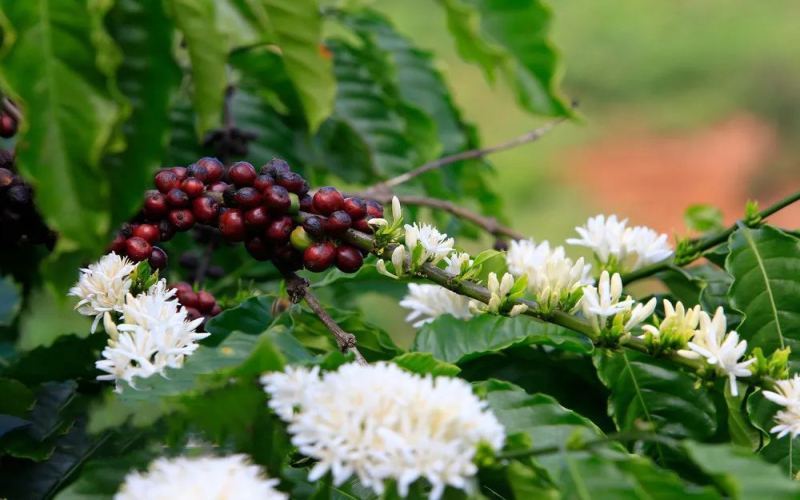
Since Geisha coffee shot to fame in Panama in 2004, it has firmly held the throne as the king of specialty coffee, with its price and popularity continuing to climb. Yet Geisha's roots have always lain in the primitive forests of Ethiopia. This article takes you back to Geisha's birthplace—the Gesha Village Coffee Estate in Bench Maji—to explore in depth its three core varieties: Gori Gesha, Gesha 1931, and Illubabor, and to break down the estate's unique grading system, from Auction, Gold, Red, and Green to Chaka CHAKA. Front Street Coffee will also share product information and brewing suggestions for various lots from Gesha Village, joining you in discovering the fresh citrus notes and bright acidity that African terroir bestows upon Geisha. [more…]
Tracing the Name of Geisha Coffee: The Legendary Story of the Geisha Variety from Ethiopian Forests to Fame in Panama
Geisha coffee is a leader in today's specialty coffee world, named after the variety rather than a region or estate, and behind this lies a legendary story that spans continents. Its roots can be traced to the Geisha Mountain Kaffa forest in southwestern Ethiopia, yet it rose to fame through its discovery at Hacienda La Esmeralda in Panama. This article will walk you through Geisha's complete journey from a wild variety to a world champion, explain how Geisha evolved from a Japanese homophone for "geiko" into the Chinese name "瑰夏," and analyze the unique floral aroma and juicy mouthfeel bestowed by the terroir of Panama's Boquete region. At the same time, Front Street Coffee's roasting and brewing suggestions will be woven in to help you recreate this charming "floral bomb" flavor at home. [more…]
Ethiopia Hambela Woreda Huakui Coffee: A Complete Analysis from Variety Traceability to Roasting and Brewing
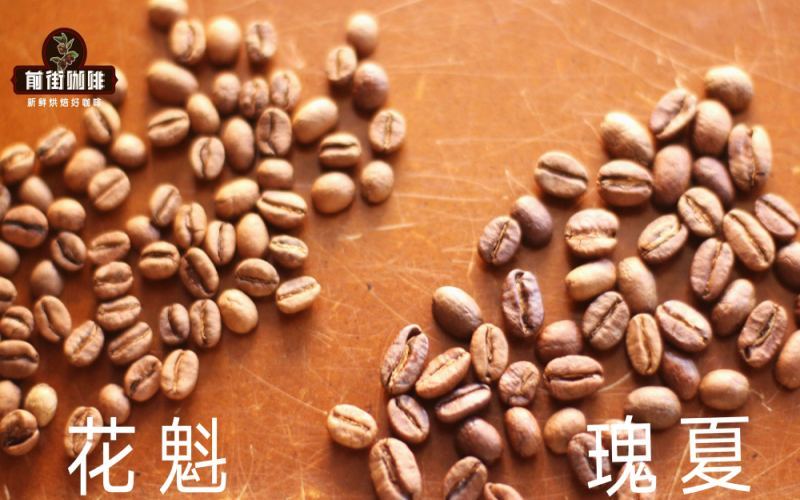
Huakui coffee quickly rose to fame after winning the TOH championship in 2017, but many enthusiasts often mistake it for Geisha. In fact, Huakui is a sun-dried heirloom variety produced by the Buku Abel processing station in the Hambela region of Sidama, Ethiopia, and is labeled as Hambella on foreign jute bags. This article will start from the definition of the variety, clarify the differences between Huakui and Geisha, sort out the origin of Huakui's name, its production area range, the meaning of its number, and the independent status of small-bean Huakui, and include Front Street Coffee's roasting curve and pour-over parameters to help readers fully grasp the background and brewing points of this bean. [more…]
Analysis of the Flavor Characteristics of the Geisha Coffee Variety: A Comparison of Geisha Beans from Gesha Village and Hacienda La Esmeralda
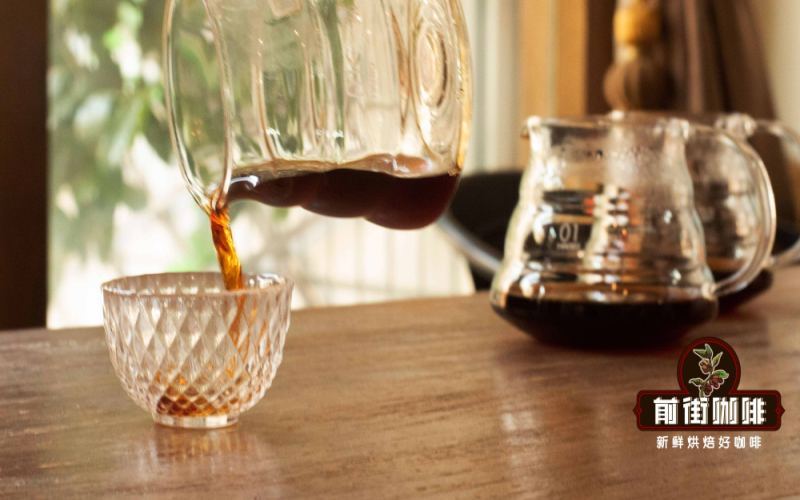
Geisha coffee has always been renowned for its high price and unique flavor, and Front Street believes it drinks more like a cup of floral and fruity tea than coffee. Different origins give Geisha vastly different taste profiles, yet overall it presents an elegant and refined character. Geisha originally grew in the forests of Ethiopia, where it was used as a windbreak tree, and only rose to fame after being introduced to Panama. Is this due to the magic of the environment and climate, or to differences in varietal genetics? Geisha Village and Hacienda La Esmeralda, two representative origins, each have their own strengths in terms of variety provenance, processing methods, and flavor direction of the Geisha coffee beans they produce. This article will systematically sort out the characteristics of the Geisha variety, explain in detail the differences between Geisha Village and Hacienda La Esmeralda's Red Label, Green Label, and Blue Label Geisha, and include Front Street's brewing suggestions and flavor descriptions to help coffee lovers fully understand this precious variety. [more…]