







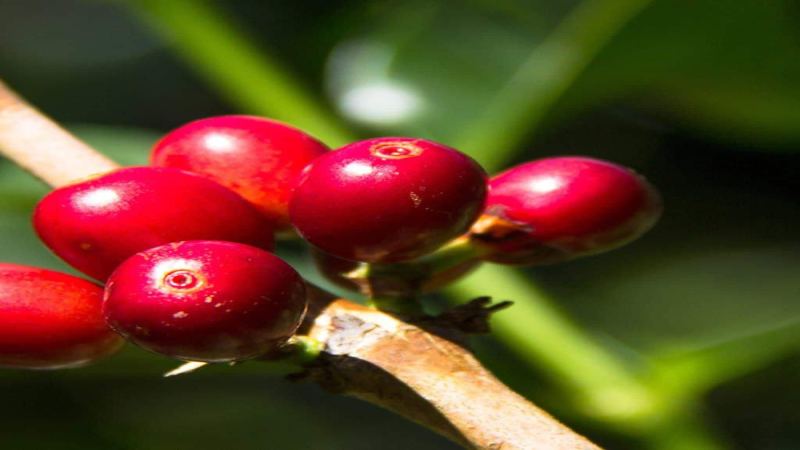
Geisha, hailed as the most legendary coffee variety of the 21st century, has become an undisputed star in the specialty coffee world thanks to its stunning cupping performance and ever-record-breaking auction prices. But where exactly did Geisha come from? Is it the same bean as Huakui? How do you distinguish between the Red Label, Green Label, and Volcanic Rock from Panama's Hacienda La Esmeralda? How does the product line of Gesha Village in Ethiopia differ? In this article, Front Street Coffee (FrontStreet Coffee) will guide you through Geisha's rise to fame, its varietal characteristics, flavor profiles across different regions, and practical brewing suggestions, helping coffee lovers gain a comprehensive understanding of this legendary variety.
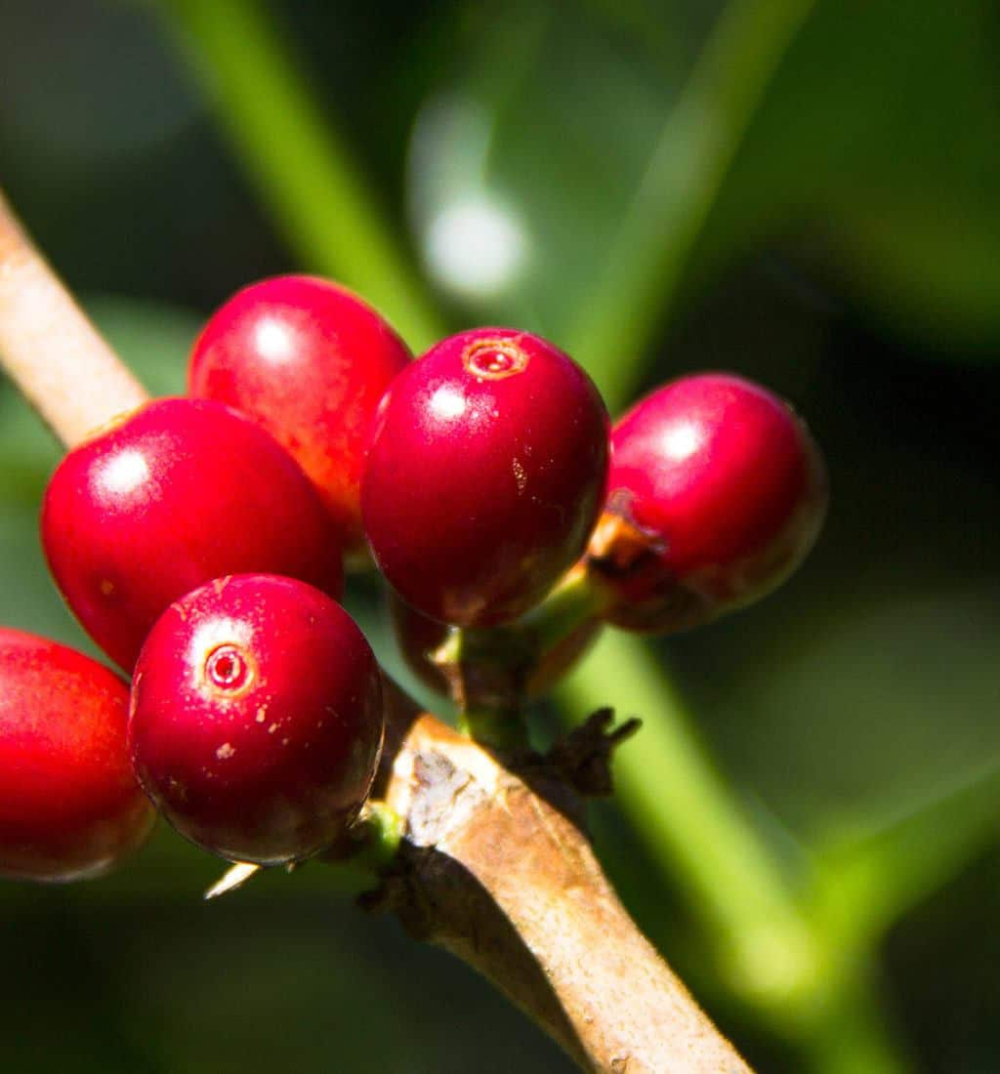
The influence of coffee varieties on cup flavor is self-evident, and Geisha is perhaps the most typical example of a variety whose reputation and value have soared in tandem this century. Its astonishing cupping performance and constantly record-breaking transaction prices have set the entire coffee world abuzz. There's even a joking saying in the industry—"If you don't know Geisha in your life, you can't call yourself a true connoisseur." So, what exactly is Geisha? And why is it so popular? Front Street Coffee (FrontStreet Coffee) is here today to talk with you about this legendary variety.
The Rise to Fame of the Geisha Variety
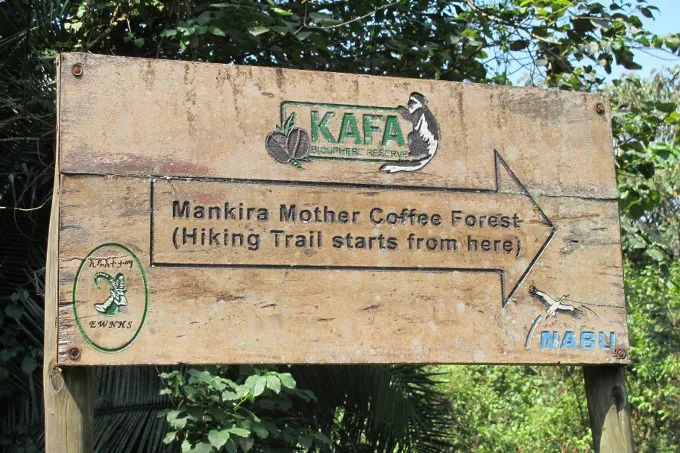
Geisha is a coffee variety, and its path to fame has been quite winding—from being ignored to becoming world-renowned, it's practically the "ugly duckling" of the plant world. After Geisha became popular, scientists began tracing its origins and ultimately confirmed that it originated in the Geisha forest in Ethiopia (located in the Bench Maji Zone of the Kaffa Province in southwestern Ethiopia). Front Street Coffee (FrontStreet Coffee) has organized Geisha's rise to fame by year, hoping to help coffee lovers better understand Geisha.
In 1930, the Geisha variety was discovered in Ethiopia. Although it had excellent disease resistance, it was long neglected due to low yield and poor flavor performance. Official records stated: "This is not a high-yield variety; its beans are slender and unremarkable in appearance, and it tastes poor, yet it can resist leaf rust and can be used for crossbreeding to enhance the disease resistance of other varieties..."
In 1931, a group of botanists went to southwestern Ethiopia for an expedition and discovered the Geisha bean variety near Geisha Village.
In 1932, they brought Geisha seeds to Kenya and planted them in a nursery.
In 1936, Geisha was introduced to Uganda and Tanzania, gradually spreading through East Africa mixed with other varieties.
In 1953, Geisha was introduced to Costa Rica, finally setting foot on the American continent where it would one day shine brightly.
In 1960, Geisha reached Panama. Pachi Serracin, the former owner of Hacienda Don Pachi, brought Geisha from CATIE in Costa Rica to Panama;
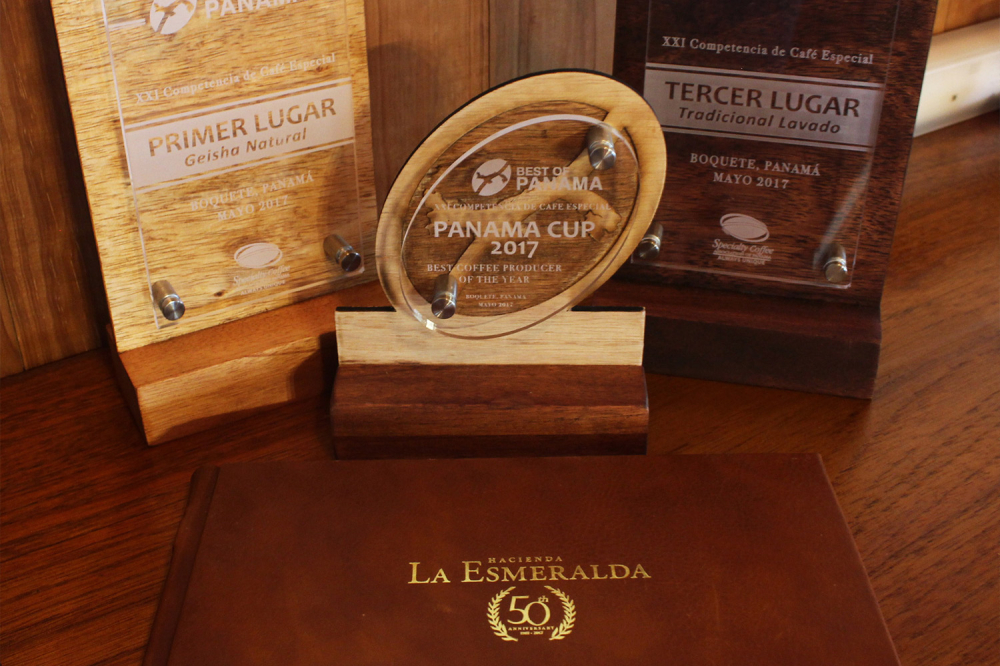
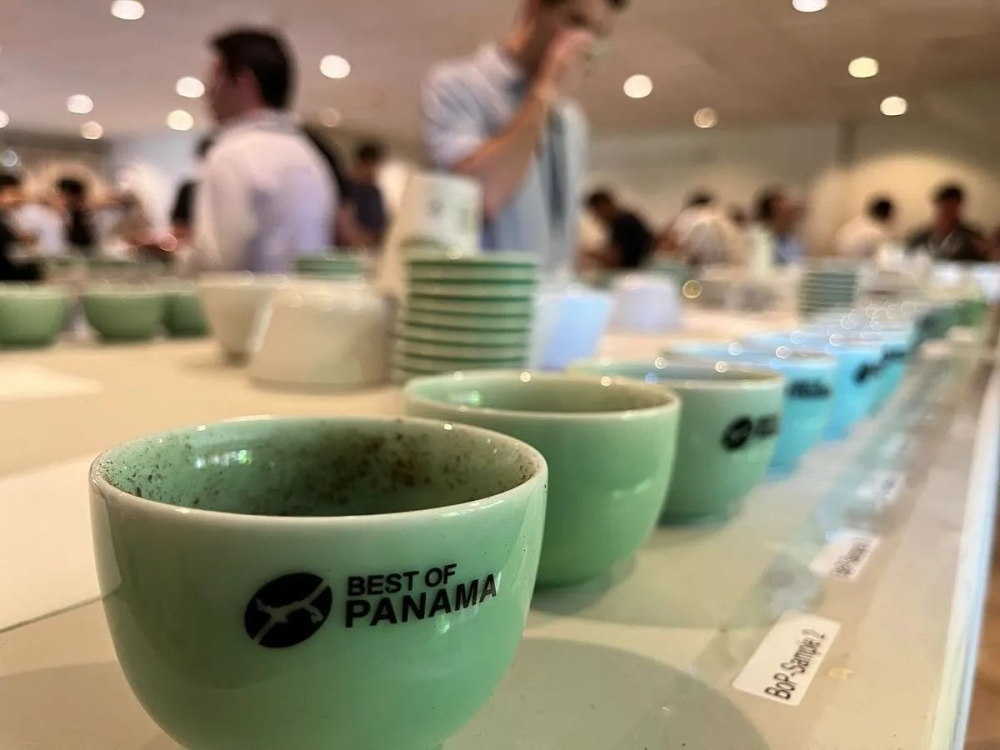
In 2004, Hacienda La Esmeralda in Panama separated it from other varieties and entered it into the Best of Panama (BOP) competition.
Geisha not only won the BOP championship that year but also went on to win numerous major international competitions in the following years, including the SCAA (Specialty Coffee Association of America) Cupping Competition, the Rainforest Alliance Coffee Quality Cupping Competition, and first prize at the Roasters Guild Cupping Competition, while its green bean auction prices repeatedly broke records. It even became the preferred competition bean for many professionals in various international events.
This is Geisha's nearly one-hundred-year journey from obscurity to overnight stardom, ascending to the pinnacle of the specialty coffee world. Front Street Coffee (FrontStreet Coffee) notes that Geisha truly shone after winning the Best of Panama BOP in 2004. Nearly two decades have passed since then, and during this time, many coffee-producing regions and estates have recognized Geisha's potential and rushed to introduce the variety for cultivation. Therefore, in recent years, Front Street has also introduced Geisha from various well-known producing regions, analyzed and compared them one by one, and shared the research findings on major websites and self-media channels, hoping to provide some inspiration to domestic coffee lovers.
The Differences Between Geisha, Geisha, and Huakui
The newly emerging Huakui coffee bean in recent years is easily confused with Geisha, and some even casually claim that Huakui is Geisha. After seeing such absurd claims, Front Street Coffee (FrontStreet Coffee) immediately published an article to clarify that Geisha and Huakui are completely different things.
According to information found by Front Street Coffee (FrontStreet Coffee), the specialty coffee trend in Asia was sparked by Japan and Taiwan, while in mainland China, around 2006, Mr. Yuan of Coffee Dream was the first to import Geisha to China. Since "Geisha" sounds similar to the Japanese word for "geisha," many people often refer to Geisha coffee beans as "Geisha coffee beans."
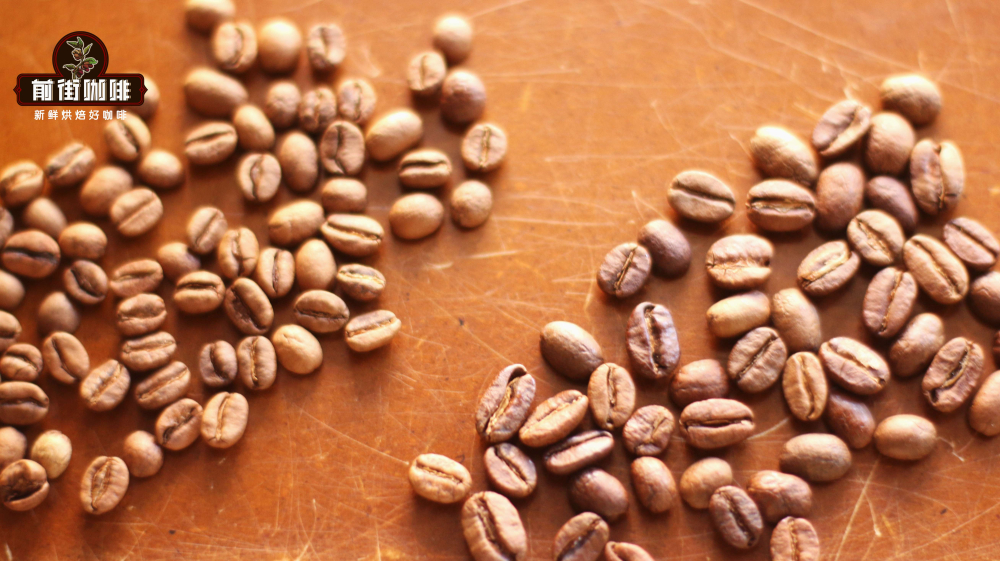
On the left is Huakui 8.0, on the right is Panama Geisha
Huakui coffee beans, on the other hand, are Hambela coffee beans—the 2017 Ethiopian TOH sun-dried group champion beans. That same year, barista Li Jianfei won second place in the World Brewers Cup China region with this champion batch, with Hambela beans outperforming the Geisha beans used by other baristas, leaving the coffee world stunned. The green bean merchant who imported Hambela beans was delighted and, to better promote Hambela coffee beans, named them after the "chief of a hundred flowers"—Huakui. In other words, Huakui actually rose to fame on the shoulders of Geisha coffee beans.
Characteristics of Geisha Coffee
The Geisha coffee tree grows very tall with slender leaves, is resistant to coffee leaf rust, and has the characteristic of wide intervals between branches on the trunk. The green beans are slender in appearance, and the roasted beans have a refined flavor with strong, rich fruity aroma characteristics.
Front Street Coffee (FrontStreet Coffee) finds that Geisha coffee beans have a rich, sweet aroma of roasted sweet potato, which is quite appealing. Ryan Brown praised its flavor highly in his book, considering Geisha to be otherworldly, with a captivating floral aroma bursting with juicy tropical fruit and citrus notes. Although Geisha's flavor is excellent, it cannot escape its fate of low yield. Front Street Coffee (FrontStreet Coffee) has found that the Geisha variety is actually very particular about its growing environment, requiring cultivation in areas with higher altitudes, cloud cover or abundant shade trees, and fertile soil. Even with careful care, Geisha's yield is very low, so it cannot be purchased for commercial trade.
Among them, Boquete, Panama is the most representative, and the Geisha produced there is loved by many coffee enthusiasts. The famous Hacienda La Esmeralda is also located there. Front Street Coffee (FrontStreet Coffee) believes that the Panama Geisha produced by Hacienda La Esmeralda best represents the flavor profile of Geisha.
Currently, besides Panama, Ethiopia, Jamaica, Malawi, Kenya, Guatemala, and other countries also cultivate small amounts. Front Street Coffee (FrontStreet Coffee) has not only introduced the famous Panama Hacienda La Esmeralda Geisha coffee beans but also Geisha from various well-known coffee-producing regions, hoping to offer coffee lovers a taste experience.
Panama Hacienda La Esmeralda Geisha
Hacienda La Esmeralda was established in 1964 and has a history of over fifty years. Hacienda La Esmeralda's Geisha coffee is divided into three grade batches based on growing altitude and cupping flavor: Esmeralda Special, Private Collection, and Geisha 1500—commonly known as Red Label, Green Label, and Blue Label.
In the 2021 harvest season, the Blue Label was discontinued and replaced by Volcanic Rock. However, according to Front Street Coffee's (FrontStreet Coffee) understanding, the 2021 Geisha from 1500 meters (the former Blue Label) was sold in its entirety to a green bean company, which launched a brand called Las Rocas (translated as Volcanic Rock). Front Street Coffee (FrontStreet Coffee) also confirmed through green bean appearance and cupping that it has the flavor of Hacienda La Esmeralda Geisha. In other words, Volcanic Rock is the new Blue Label.
The official name of the Red Label is Esmeralda Special, which Front Street Coffee (FrontStreet Coffee) translates as "Esmeralda Special Selection." This series represents the highest quality Geisha coffee beans sold by Hacienda La Esmeralda, grown at specific plots at 1600-1800 meters altitude, with each batch required to score over 90 points in cupping. This series typically comes from the Jaramillo and Cañas Verdes sub-estates. (Front Street Coffee (FrontStreet Coffee) reminds everyone that Hacienda La Esmeralda has also produced Red Label series from the Velo estate, though this estate plot is mainly used for commercial viability exploration and grows many coffee varieties.)
Another characteristic of the Red Label batches is that each batch has an independent number, and all coffee beans in a batch come from a single small plot. For example, this year's Red Label from Front Street Coffee (FrontStreetCoffee) comes from the Mario plot. This allows buyers to choose batches that suit their preferences based on subtle flavor differences. (The buyers mentioned here are those who trade directly with Hacienda La Esmeralda.)
The official name of the Green Label Geisha is "Private Collection," translated into Chinese as "private collection." Do not interpret this bean based on the Chinese meaning—it is simply a product series name. Unlike the Red Label, this series does not emphasize specific plots but rather highlights the signature flavor of Hacienda La Esmeralda's high-altitude Geisha coffee. This series is a blend of batches from various specific plots. (Therefore, the Green Label can be roughly understood as a Red Label without plot separation.)
Volcanic Rock, on the other hand, is grown at around 1500 meters and is a blend of beans from three different estates: Jaramillo, Cañas Verdes, and El Velo.
Ethiopia Gesha Village
As mentioned earlier, after Panama Geisha became famous, people traced its origins and discovered that Panama Geisha may have come from the global home of Arabica: Ethiopia.
At this time, Adam Overton and his wife Rachel Samuel were very interested in coffee. By chance, they decided to return to the birthplace of Geisha and, learning from Panama's planting and management practices, established their own coffee farm near the Geisha forest in Ethiopia. By selecting varieties closest to Panama Geisha (Geisha 1931, Gori Geisha, and Illubabor) and learning from Panama's advanced estate cultivation, management, and brand marketing, they launched the world-renowned product "Gesha Village" Geisha to the global market, dividing their Geisha into Auction Lot, Gold Label, Red Label, Green Label, and Chaka batches.
Gold Label "Rarities," translated as "treasures," is the highest quality non-auction batch from Gesha Village, accounting for 10% of the estate's total production.
Gesha Village Red Label "Growers Reserve," translated as "growers' reserve." It accounts for 15% of the estate's total production and scores 88 points or above in SCA cupping.
Gesha Village Green Label "Single-Terroir," translated as "single terroir." This series provides detailed traceability information, traceable to specific single plots, coffee varieties, processing information, and timing.
The Chaka batch emphasizes a low purchase threshold. It is a blend of all plots and coffee varieties from the entire estate, no longer emphasizing subdivision. It can be said to represent the baseline quality of Gesha Village estate.
Differences Between Hacienda La Esmeralda Geisha and Gesha Village Geisha
Front Street wants to remind everyone that although both Hacienda La Esmeralda and Gesha Village are called Geisha and both have Red Labels, they are two different coffee beans.
From the appearance of Panama Geisha and Ethiopian Geisha green beans, there are also significant differences. Comparing the two, Front Street Coffee (FrontStreetCoffee) notes that Panama Geisha has pointed ends, an elongated shape, plump and full beans, large size, and very recognizable green bean characteristics; while Ethiopian Geisha has a "slightly smaller size and not as long a bean body."
The flavor profiles of the two Geisha coffees are also quite different. Through cupping and brewing comparisons, Front Street Coffee (FrontStreetCoffee) found that the similarity between the two is not high:
Panama Hacienda La Esmeralda washed Geisha coffee mostly features refined floral aromas, tea-like quality, and almond nutty notes, while the sun-dried Geisha mostly features rich fruit notes and slight floral aromas, reminiscent of ginger flower and citrus when cooled; Gesha Village estate coffee is mainly characterized by yellow stone fruit flavors, reminiscent of yellow peach, with medium-high sweetness, and the better-performing batches even show toffee flavors.
Therefore, it is not difficult to find that Panama Geisha and Ethiopia Gesha Village Geisha are two completely different varieties. The latter is a coffee variety similar to the Geisha species found in its homeland of Ethiopia through traceability methods, and given the name Geisha. Coffee is ultimately an agricultural product, and we all know that different varieties naturally have different flavors. Finally, Hacienda La Esmeralda's Red Label is the highest-grade batch of Geisha, while Gesha Village's equivalent is the Gold Label. Front Street Coffee (FrontStreetCoffee) warmly reminds everyone not to confuse the labels when purchasing for comparison.
Below is a brief introduction to the Geisha coffee flavors from other well-known producing regions.
Costa Rica Hacienda Little Candle Washed Geisha
This Hacienda Little Candle washed Geisha coffee has a jasmine floral aroma on the nose, with a prominent lemon acidity on the palate, high cleanliness, a juicy mouthfeel, honey sweetness in the mid-palate, and a green tea finish. Its base profile is relatively close to Panama Geisha flavor.
Jamaica Blue Mountain Clifton Mount Estate Geisha
Observing the green beans, their color is emerald green, the bean shape is somewhat pointed and elongated, with an extremely low defect rate. Blue Mountain Geisha coffee exhibits a captivating citrus profile in cupping, with the sweet-tartness of honey pomelo, followed by jasmine floral notes, honey, and a caramel finish.
China Yunnan Geisha
In Yunnan, in southwestern China, some coffee farmers also cultivate the Geisha variety. However, its flavor is not good. In the 2016 Yunnan Green Bean Competition, Yunnan Geisha was outperformed by other coffee varieties, even losing to Catimor beans, leaving the international coffee community stunned.
Later analysis by professionals identified two reasons for Geisha's poor performance: first, its localization level was not high enough—generally, variety optimization and domestication take over a decade, and Panama Geisha transplanted to Yunnan, without sufficient years of domestication, inevitably suffered from not adapting to the environment; second, it was related to its low planting altitude. At that time, Yunnan Geisha was planted at about 1100 meters, an altitude at which even Catimor would struggle to develop impressive high-level flavor profiles; finally, it was also related to the immature post-harvest processing techniques for Yunnan coffee at that time.
Front Street Coffee (FrontStreetCoffee) looks forward to the day when China can cultivate Geisha with high cupping quality, effectively improving the quality of Yunnan coffee, thereby enhancing the reputation of Yunnan coffee and Chinese coffee in the international market, and further strengthening the bargaining power of Chinese coffee and Yunnan coffee.
Front Street Brewing Suggestions
Geisha coffee has distinctive characteristics and is relatively expensive. If you don't fully extract Geisha's flavors, it's truly a waste. So Front Street Coffee (FrontStreetCoffee) has tailored a brewing plan for Geisha using the renowned Hacienda La Esmeralda Red Label as an example.
Brewing equipment: Hario V60
Dose: 15g
Water temperature: 90°C
Water-to-coffee ratio: 1:15
Grind size: medium-fine (Front Street recommends using the Chinese standard No. 20 sieve for calibration, with a 78% pass-through rate)
Front Street Coffee (FrontStreetCoffee) Brewing Geisha
Brewing technique: 30g water for blooming, bloom time 30s, first pour to 120g and stop, vertical water stream, small stream slow circling; second pour to 225g, with slightly faster water flow and circling speed to reduce coffee grounds clogging the filter and causing over-extraction.
Flavor description: jasmine floral, citrus, honey, berry flavors. Refined flavor, complex layers, lasting finish, lingering aftertaste.
The above content is compiled by CoffeeHunters, a coffee news website.


