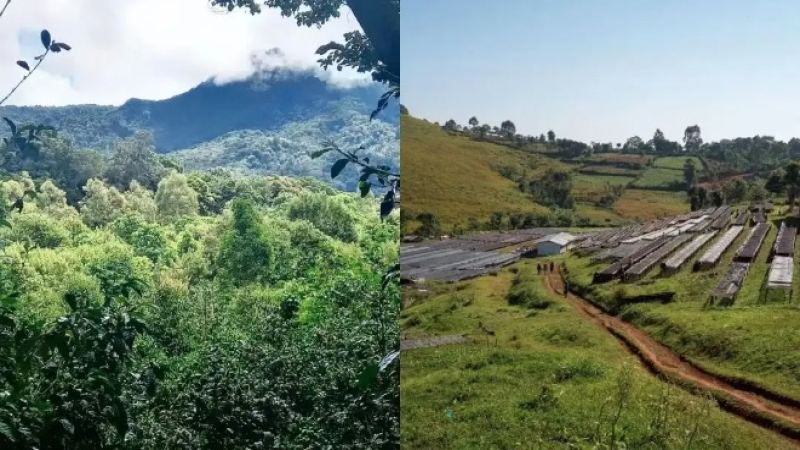
What Counts as Geisha Coffee Beans From Ethiopia?
Gori Geisha and Geisha 1931 are Ethiopian varieties collected from the same Geisha forest where Geisha coffee was first found, but they are not genetically identical to the Panama Geisha that made the name famous. Traders and roasters still debate how closely the Ethiopian lots match Panama Geisha in cup profile and lineage.
The Panama story began in 1931, when British border garrisons gathered native varieties in Ethiopia; those beans later reached Panama and, by 2004, earned Hacienda La Esmeralda wide attention. Ethiopia holds thousands of native varieties, so Gori Geisha and Geisha 1931 represent the origin side of the comparison.
The place where Geisha originated is in Panama, while its origin is in Ethiopia. Therefore, people often compare the Geisha from these two regions! And the "Geisha 1931" and "Gori Geisha" bean varieties are recognized by people as representatives of the Geisha in Ethiopia, and are compared with the Geisha produced in Panama!
However, regarding these two beans, there are often online statements such as "they are not Geisha varieties". This can't help but arouse the curiosity of the onlookers: They are clearly all called Geisha, why would people have such an idea? Well, let's take a look at the source of these two Geisha!
The sources of Geisha 1931 and Gori Geisha
In 2004, after Emerald Estate used a bean with rich flower fragrance and citrus honey charm to make a loud name, people in various producing areas were eager for this amazing flavor. They also wanted to have such an amazing flavor bean.
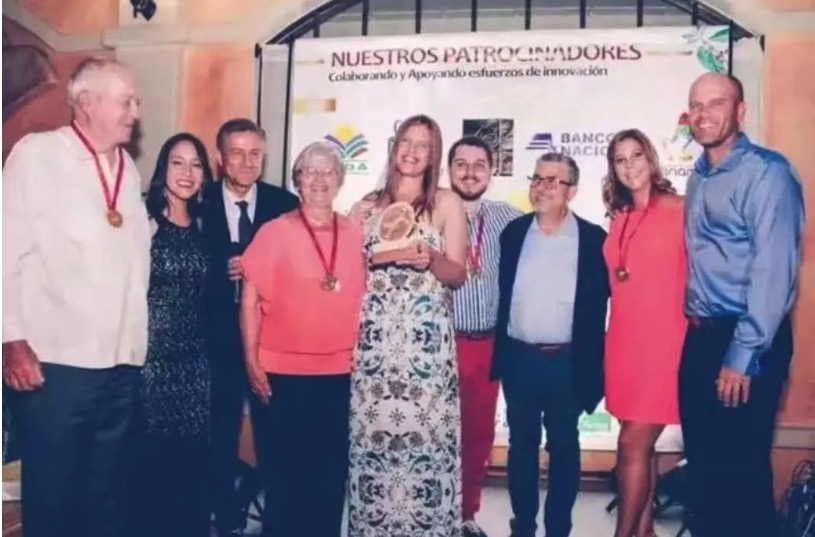
So, when people learned about this, they aimed at the origin of Geisha and tried to find the "Geisha variety" that is now shining in Panama from the origin. So, people began to trace the source of Geisha.
Unexpectedly, people really succeeded in tracing back to the source of Panama Geisha! It was in 1931 that it was collected from the Geisha forest in Ethiopia by the British border garrisons along with other native varieties, and then after several decades of turnarounds, it came to Panama.
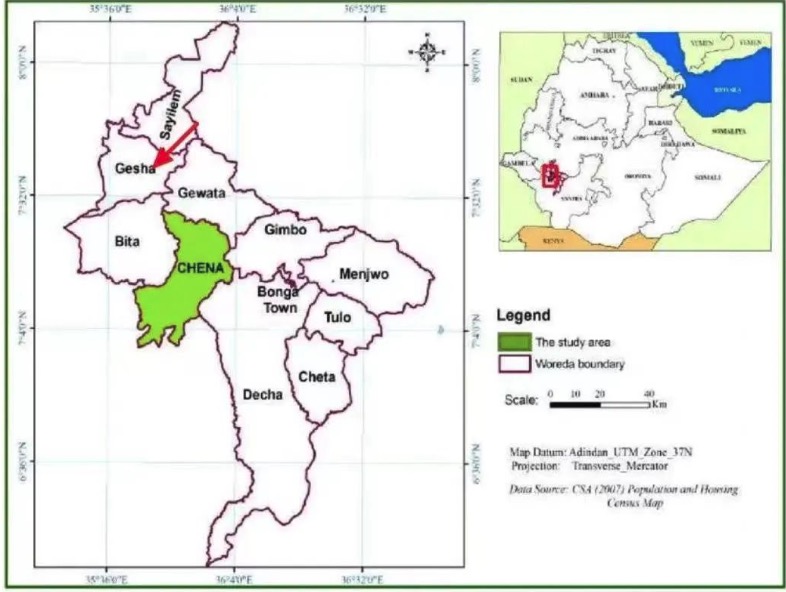
When the news spread, people tried to find the same-source varieties from that area. But you have to know that there are thousands of native varieties in Ethiopia, and the probability of finding the same-source varieties from here is very low!
In 2007, Adam Overton, as the director of the coffee documentary, came to Ethiopia to shoot. With the deepening of the shooting, he gradually became obsessed with coffee and developed a considerable interest in coffee! So, in 2009, he came to Ethiopia again!

Unlike before, in this trip, there was the leadership of the donkey estate owner Willem Boot. Their purpose was very clear, to enter the forest where Geisha was "excavated" at that time and find the Geisha variety from Emerald Estate from inside!
Finally, they found a variety that is very similar to Geisha in terms of both flavor and genetic comparison through the appearance of the plant and the taste of cup testing. So, they named this bean variety "Geisha 1931"!
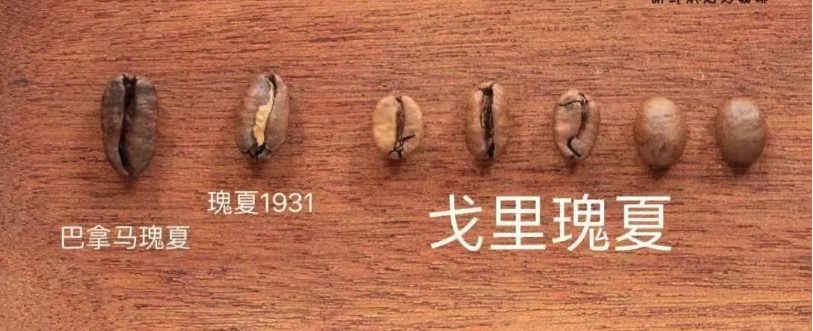
In 2011, Adam and Rachel, the couple, established a manor in the southwestern region of Ethiopia. Because this manor is in the territory of Geisha Village, it is named "Geisha Village coffee estate". In the same year, Adam found a bean variety similar to Geisha in the Gori forest near the manor, so he brought it back to the manor for planting. Since it was a similar bean variety found in the Gori forest, they named it "Gori Geisha"!
Seeing this, I believe everyone has found that whether it is Geisha 1931 or Gori Geisha. They just use the Geisha in Panama as a reference template to find a similar variety from the origin of Geisha, and it cannot be proved that they are the same-source variety produced in Panama.
However, they do indeed come from the same Gesha forest area, so using the same naming method, they are all called Geisha, which is also a reasonable thing. Therefore, how to view these two Geisha varieties produced in Geisha Village depends on everyone's understanding~
The above content is compiled by CoffeeHunters, a coffee news website.