







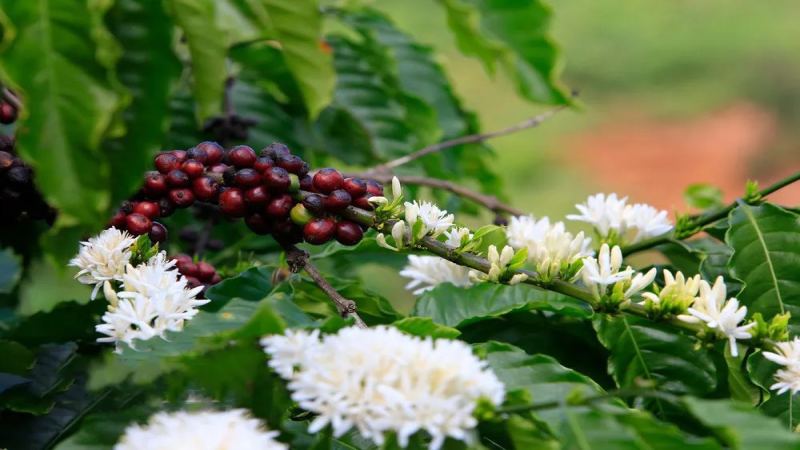
What varieties grow at Gesha Village in Ethiopia?
Geisha Village in Bench Maji, Ethiopia, holds three core varieties: Gori Gesha, Gesha 1931, and Illubabor. Since Panamanian geisha coffee rose to fame in 2004, demand has climbed steadily, but the variety's roots remain in Ethiopia's forests, where these three lines were collected and preserved.
The estate grades its lots through a system running from Auction and Gold down through Red, Green, and CHAKA, which signals quality tiers to buyers. African terroir gives these lots fresh citrus notes and transparent acidity. Brewing suggestions vary by lot, so matching grind and ratio to each grade helps show the differences.
Since Geisha coffee shot to fame in Panama in 2004, it has firmly held the throne as the king of specialty coffee, with its price and popularity continuing to climb. However, Geisha's roots have always been in the primitive forests of Ethiopia. This article takes you back to Geisha's birthplace—the Geisha Village Estate in Bench Maji—to explore its three core varieties: Gori Gesha, Gesha 1931, and Illubabor, and to analyze the estate's unique grading system, from Auction, Gold, Red, Green, to CHAKA. Front Street Coffee will also share product information and brewing suggestions for various lots from Geisha Village, exploring with you the fresh citrus notes and transparent acidity that African terroir bestows upon Geisha.
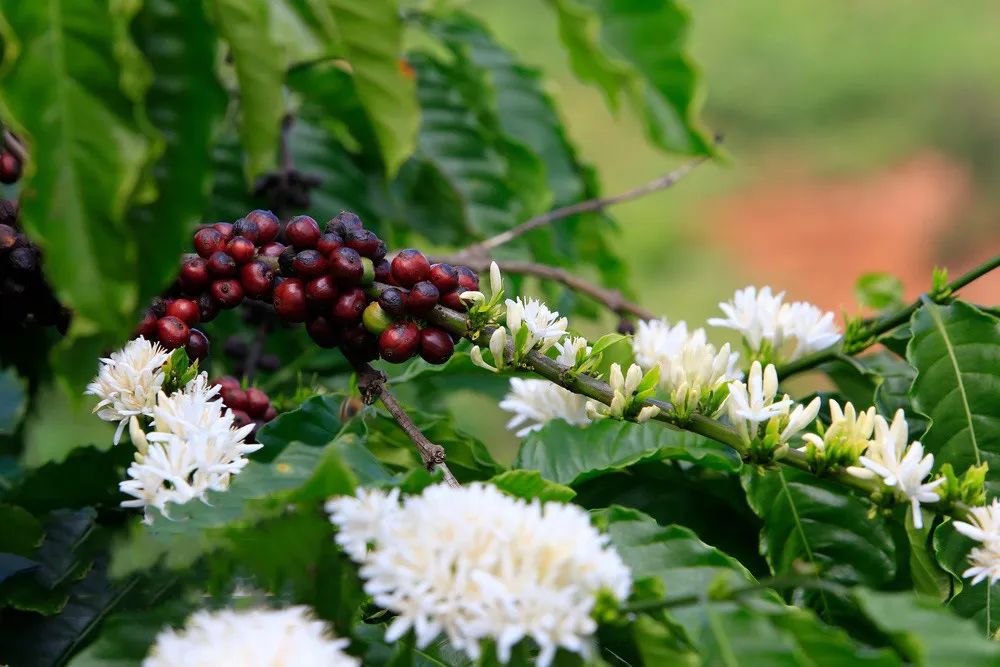
In recent years, Geisha's popularity has remained consistently high, making it the pinnacle of the coffee world. Over the past two decades, the Gesha variety has enjoyed unparalleled acclaim. Since its discovery in Ethiopia's primitive forests, it took seventy years before suddenly rising to fame in 2004. Since then, it has repeatedly claimed victory in world-class competitions, with prices continually breaking new records, sweeping across the entire global coffee scene.
The Origin of Geisha
Like many coffee varieties in the world, Geisha also comes from Ethiopia in Africa. In 1931, it was first discovered in the Kaffa forest of Geisha Mountain, and was subsequently sent to the Kenya Coffee Research Institute. In 1936, it made its way to Uganda and Tanzania, was introduced to Costa Rica in 1953, and only arrived in Panama in 1963, where it would rise to fame.
Due to its low yield, tall plants, and difficult harvesting, the Geisha variety remained obscure for a long time. It wasn't until Daniel Peterson, the third-generation owner of Panama's Hacienda La Esmeralda, devoted himself to research that Geisha coffee's distinctive citrus aroma was discovered. He separated the Geisha trees on the estate and transplanted them to higher elevations for careful cultivation. Finally, in 2004, Hacienda La Esmeralda's Geisha coffee achieved mass production and won first place in that year's Best of Panama competition, skyrocketing to fame. From 2005 to 2007, Gesha dominated the Best of Panama cupping competition for three consecutive years, firmly establishing itself among the world's most expensive coffees.
Today, Front Street Coffee will set aside Geisha's place of fame for now, and instead trace back to its birthplace—the Geisha Village in Ethiopia—to see what layered and rich aromas Geisha reveals when it returns to its African terroir~
Geisha Village Coffee Estate
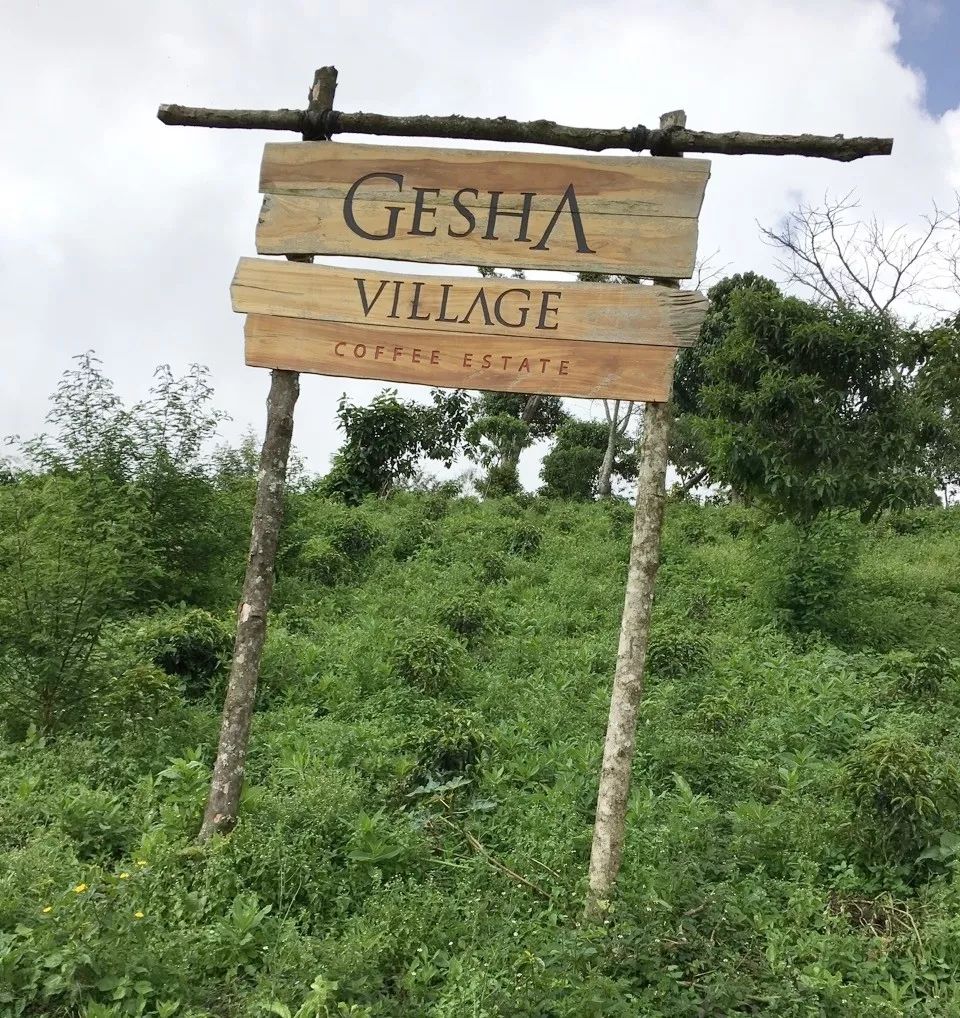
Unlike the cooperative model based on villages common in most of Africa, Geisha Village is a large-scale coffee plantation, helmed by documentary filmmaker Adam Overton and his wife Rachel Samuel. In 2007, while filming a coffee documentary for the Ethiopian government, they first encountered the coffee forest where Geisha was discovered. After consulting with several judges and advisors from the Panamanian coffee scene, Adam and his wife set out in 2011 for Bench Maji, the birthplace of Geisha, hoping to find the most original Geisha coffee.
Adam, following BOP judge Willem Boot, ventured deep into the Gori Gesha forest, where among the wild coffee trees they found wild Geisha coffee trees. They collected seeds and brought them back to Geisha Village for selection and cultivation. The couple established the nearly five-hundred-hectare Geisha Village Coffee Estate near the Gori Gesha forest.
In Ethiopia, local coffee farming is primarily smallholder-based, with relatively limited production and processing plant scale, whereas Geisha Village is a large farm. Adam and his wife built their own washing station and laboratory, and the estate cultivates only the Geisha variety. Drawing on the standardized cultivation experience of some Panamanian Geisha estates, Adam and his wife numbered and meticulously recorded different planting blocks, facilitating later organization and flavor traceability.
How Geisha Village Classifies Grades
From the estate owner's block divisions, it's clear that the western part of Geisha Village has higher planting elevations, particularly the three blocks OMA, SURMA, and SHEWA-JIBABU, which range from 1900 to 2069 meters, with SHEWA-JIBABU having the highest average elevation. The southern part of the estate has relatively more shade, while the northern part receives longer sunlight exposure. Among the estate's eight blocks, Adam selected the most suitable variety for each block based on differences in microclimate such as elevation, soil conditions, and shade, ensuring each block develops its own distinctive flavor characteristics.
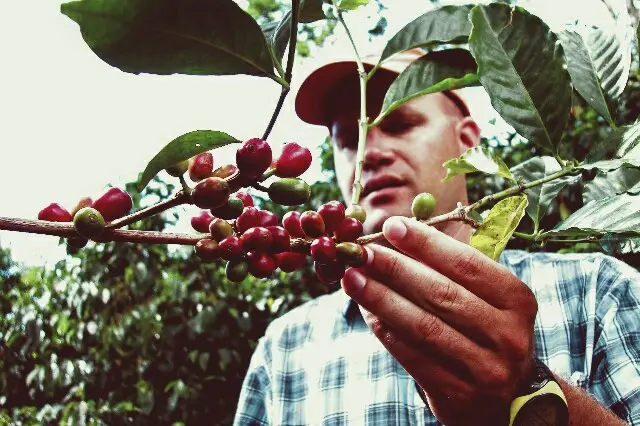
Front Street would like to remind everyone here that the Geisha grown in Ethiopia's Geisha Village is not the same Geisha variety that made its name in Panama. Geisha Village has three Geisha varieties: Gori Gesha, Gesha 1931, and Illubabor Forest. Gori Gesha and Gesha 1931 share the same origin as the Panama Geisha variety but are not the same variety. Among them, Gesha 1931 exhibits characteristics very close to Panama Geisha, while Illubabor is a disease-resistant variety provided by the Ethiopian research institute.
To ensure the consistent quality of Geisha coffee produced at Geisha Village, Adam established a strict grading system, classifying Geisha into different grades including Auction, Gold, Red, Green, and CHAKA.
Geisha Village Auction
The Geisha Village Auction lot represents the highest grade, obtainable only through buyer bidding. Geisha Village Auction Geisha accounts for only 3.7% of total annual production, and this lot undergoes multiple rigorous screenings.
Geisha Village Gold
Among products available on the market, the highest grade is Front Street Geisha Village Gold. Geisha Village Gold is a lot frequently purchased by competition participants and roasters with high quality demands, accounting for about 10% of the estate's annual production, with detailed traceability information. The Gold lot Geisha purchased by Front Street presents complex and rich flavors. During cupping, one can fully appreciate the charm of this lot of Geisha coffee—whether it's the uniqueness of the dry aroma or the flavor and mouthfeel lingering on the palate when sipping, it leaves a lasting impression.
Front Street Geisha Village Estate Gold Label Geisha Coffee Beans
Region: Ethiopia Bench Maji
Estate: Geisha Village Estate Oma Block
Elevation: 1900-2040 meters
Variety: Gesha 1931
Processing: Natural
Flavor: Citrus, Berries, Cream, Caramel, Melon, Honey
Geisha Village Red
Front Street Geisha Village Red also has complete traceability information, accounting for 15% of total annual production. It is a high-quality Geisha coffee scoring above 88 points according to SCA standard cupping. Although the intensity and complexity of flavor are not as great as Gold and Auction lots, Red has a very classic Geisha Village flavor. Front Street considers this an extremely cost-effective Geisha lot, worth trying for Geisha enthusiasts.
Front Street Geisha Village Estate Red Label Geisha Coffee Beans
Region: Ethiopia Bench Maji
Estate: Geisha Village Estate Shewa-Jibabu Block
Elevation: 1973-2069 meters
Variety: Gori Gesha
Processing: Natural
Flavor: Lemon, Plum, Citrus, Tropical Fruit, Floral Tea
Geisha Village Green
Geisha Village Green lot refers to single-block, single-variety lots. Each lot number provides complete traceability information covering the farm block name, coffee variety, and processing dates. Compared to Red and Gold lots, Green has no cupping score requirement and can be considered an entry-level single-block Geisha lot.
Front Street Geisha Village Estate Green Label Geisha Coffee Beans Region: Ethiopia Bench Maji Estate: Geisha Village Estate Bangi Block Elevation: 1911-2001 meters Variety: Gori Gesha Processing: Natural
Geisha Village CHAKA
Unlike other lots from Geisha Village, CHAKA blends Geisha coffee beans from all blocks of the estate and all production seasons of the year, covering the three Geisha varieties grown at Geisha Village: Gesha 1931, Gori Gesha, and Illubabor—making it a true Geisha blend. Front Street's CHAKA coffee beans come in both washed and natural processing methods; Front Street selected the natural processed lot.
First, impurities and unripe cherries are removed through flotation, then the cherries are spread on African raised beds, covered with a thin layer of plastic sheeting for sun-drying. During the drying process, they are turned regularly, and hand-sorting is done to pick out unevenly colored beans. Total drying time is 18 to 30 days. Front Street chose a medium-light roast to preserve more fruity acidity.
Through cupping, Front Street Geisha Village CHAKA presents flavors of floral, citrus, berries, cream, oolong tea, and sucrose. Compared to Panamanian Geisha coffee, the Geisha varieties from Ethiopia exhibit flavors with fresher citrus notes and more transparent acidity. Below, Front Street brews a pour-over of CHAKA using shop parameters to experience the flavors of Ethiopian Geisha coffee.
Front Street's Brewing Suggestions for CHAKA
Preparation before brewing is crucial. Since these are high-quality coffee beans, to taste the complete aroma of the coffee, Front Street recommends choosing freshly roasted coffee beans. All coffee has an optimal flavor window, generally 7 to 30 days after roasting—only during this period can brewing do justice to these fine coffees. Coffee beans shipped by Front Street Coffee are all roasted within 5 days, ensuring that the beans you receive after ordering are the freshest and right in their optimal tasting period. Light-roasted coffee beans are harder in texture, requiring higher water temperatures and finer grinding to unlock the aroma of Geisha coffee.
Dripper: V60 Water Temperature: 91-92℃ Dose: 15g Ratio: 1:15 Grind Size: Fine sugar consistency (80% passing through a No. 20 sieve)

Three-stage extraction: For the first stage, use 30g of water for a 30-second bloom, pouring evenly in circles to form a dome. For the second stage, pour 95g of hot water. When the coffee bed drops halfway, begin pouring the third stage of 100g, until all coffee has finished dripping. Note to start pouring from the center point, using a gentle, small stream in circles throughout to avoid uneven extraction.
Front Street Geisha Village CHAKA drinks with notes of tropical fruit, bergamot, and lemon, with creamy sweetness interwoven with fermented notes. As the temperature cools slightly, jasmine floral notes gradually unfold.
The above content is compiled by CoffeeHunters, a coffee news website.


