







What makes geisha coffee cost so much?
Geisha coffee commands high prices mainly because the variety yields very little. The tree has longer internodal spacing, fewer flowers, and a low fruiting rate, and it is tall and difficult to harvest, so in Panama it was once planted only as a windbreak for other varieties. Scarce supply keeps it in a seller's market.
Growing conditions add to the cost, since geisha needs altitude high enough to build flavor without frost risk. The article sorts out these causes and then suggests options that balance quality and price, including geisha blends and entry-level lots from named estates such as Hacienda La Esmeralda Blue Label and Gesha Village Green Label.
Geisha is one of the most sought-after varieties in the specialty coffee world, and its high price stems from multiple factors such as variety yield and growing conditions. From the perspective of Front Street Coffee, this article systematically sorts out the root causes behind the persistently high price of Geisha coffee and shares several Geisha options that combine quality and value, including Geisha blends and entry-level lots from representative estates, helping coffee lovers gradually achieve Geisha freedom within their budgets while also understanding the flavor directions of different grade lots such as Hacienda La Esmeralda Blue Label and Gesha Village Green Label.
In the landscape of specialty coffee, Geisha is undoubtedly the most popular variety, bar none. With the advancement of the specialty coffee wave, Geisha's cultivation map has also continued to expand, with many well-known producing regions and estates around the world joining in cultivation. For example, Clifton Mount Estate in the Blue Mountain region produced the Blue Mountain Geisha that impressed Front Street Coffee so much in 2020.
Entering the new year, Front Street Coffee's greatest wish is naturally to achieve Geisha freedom and conveniently enjoy a cup of specialty-grade Geisha anytime, anywhere. The reason for such a wish is largely because the price of Geisha coffee is truly not low.
Why is Geisha so expensive?
Many coffee lovers joke that the "Gei" in Geisha actually means "expensive." Geisha coffee is often associated with high prices. What exactly is the reason behind this?
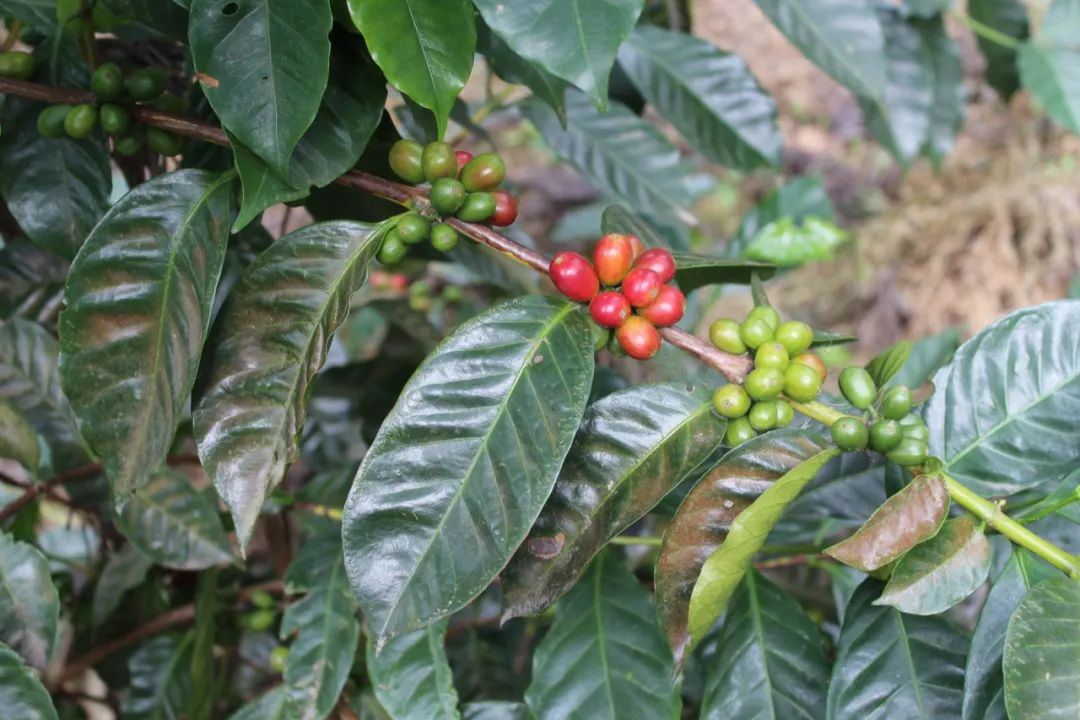
The primary factor is Geisha's extremely low yield. Compared with other varieties, Geisha's most prominent characteristic is limited productivity: the coffee tree has longer internodal spacing, fewer flowers, and a low fruiting rate. In addition, the plant is relatively tall and difficult to harvest, so originally in Panama, Geisha was even used merely as a windbreak tree for other varieties. As the saying goes, things are precious because they are rare. Scarce yield puts Geisha coffee in a seller's market, so prices naturally keep rising.
In addition to the low yield caused by the variety's own traits, growing top-quality Geisha also places quite strict demands on the growing environment. The temperature at the planting site cannot be too low to avoid frost damage, the altitude must be high enough, and the temperature difference between day and night must be large enough, so that Geisha coffee trees have sufficient time to accumulate nutrients and then display delicate floral aromas and citrus notes.
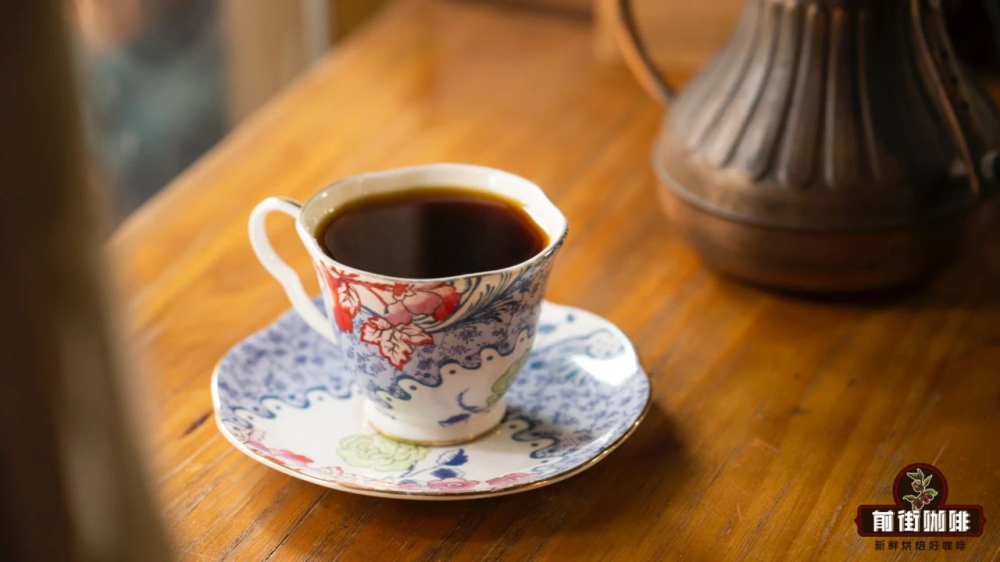
Geisha coffee's refined flavor expression, combined with characteristics such as low yield and weak disease resistance, together drive up its value.
Today Front Street Coffee will introduce several high-value Geisha coffees, so everyone can move step by step closer to "Geisha freedom" in the new year.
Option One:
Geisha in blend form
As the Geisha variety continues to gain popularity, many producing regions have begun blending Geisha with other varieties to create more stable products and richer flavor layers. Compared with pure Geisha, blended Geisha coffee offers better value, and its flavor is no less impressive than that of major specialty producing regions.
When it comes to blended Geisha coffee beans, one must mention the coffee bean called "Butterfly" from the Boquete region of Panama. Its most distinctive feature is that it blends 70% Geisha with the remaining 30% made up of Caturra and Catuai, which are common in Panama. Butterfly tastes both of the faint floral aroma brought by Geisha and of the nutty notes and full-bodied mouthfeel contributed by Caturra and Catuai. Therefore, in previous years Front Street Coffee often recommended Butterfly as an introductory choice for Geisha coffee.
Unlike Butterfly, the Geisha blend from Mirazu Estate in Costa Rica leans more toward rich berry flavors. Butterfly's Geisha proportion is as high as 70%, while Mirazu Estate's Geisha blend accounts for only 50%, with the other 50% composed of varieties such as SL28 and ET47. So this coffee does not have Butterfly's nutty notes; instead, it offers more berry and citrus flavors. At the same time, the raisin honey process gives this Geisha blend obvious candied fruit and fermented notes.
Option Two:
Entry-level Geisha lots
To achieve "Geisha freedom," in addition to the high value of blends, entry-level offerings from representative estates are also a good choice. Front Street Coffee believes that in Panama, Geisha is represented by Hacienda La Esmeralda, while in Ethiopia it is represented by Gesha Village. Excluding lot grades that mix non-Geisha varieties, entry-level grade lots are the second major choice for everyone starting to try Geisha coffee.
Panama's Hacienda La Esmeralda divides its Geisha coffee into three grade lots: Red Label, Green Label, and Blue Label. Among them, Blue Label has the lowest altitude, and combined with mixed harvesting, it becomes the most cost-effective grade of the three. In 2020, Hacienda La Esmeralda's Blue Label Geisha added a natural process, so Blue Label Geisha is available in both washed and natural versions. Washed Blue Label Geisha has flavors of lemon, oolong tea, cane sugar, and a slight peach note; naturally processed Blue Label Geisha has notes of passion fruit, lemon, honey, and a fermented quality.
Ethiopia's Gesha Village, meanwhile, divides its coffee into Auction, Gold Label, Red Label, Green Label, and Chaka lots. Among them, the most cost-effective Geisha coffee is the Green Label lot. The Chaka lot blends coffee beans of three varieties from the estate to achieve a stable flavor profile.
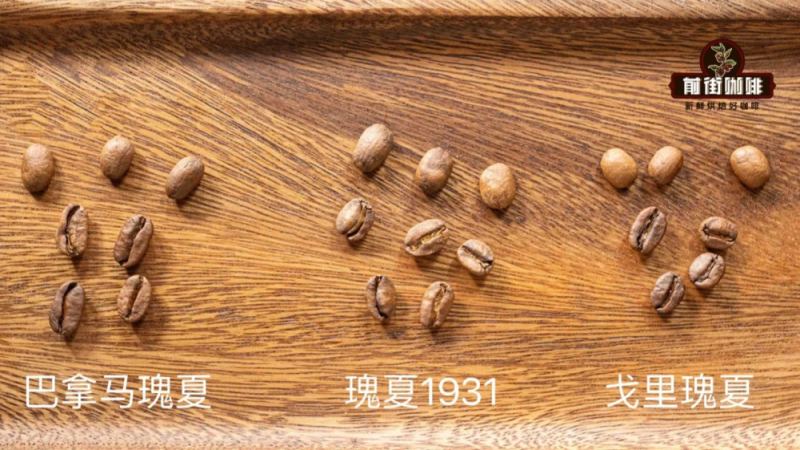
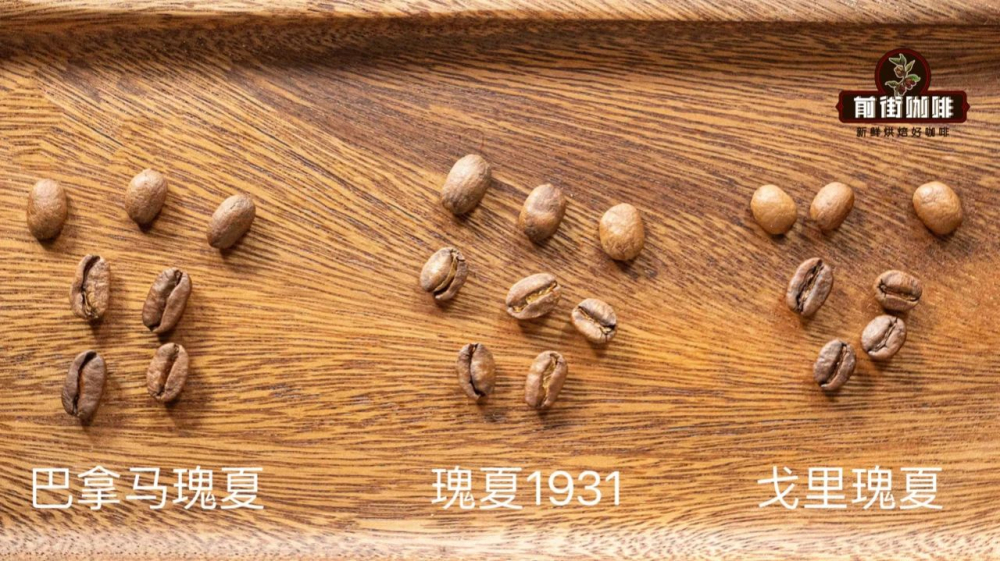
The official name of Green Label Geisha is SINGLE-TERROIR. This coffee bean comes from a single farm in Gesha Village. In the Single-Terroir series, every lot number can be traced with complete information, including farm name, coffee variety, and processing date. It is worth noting that the Geisha of Hacienda La Esmeralda and the Geisha of Gesha Village are actually different varieties. Gesha Village's Geisha is a wild coffee variety discovered by the estate owners, named "Geisha 1931" and "Gori Geisha." Gesha Village's Geisha coffee is mostly known for its high sweetness and flavors of yellow stone fruits.
The above content is compiled by CoffeeHunters, a coffee news website.


