







Search Results for: Front Street Flower Chief
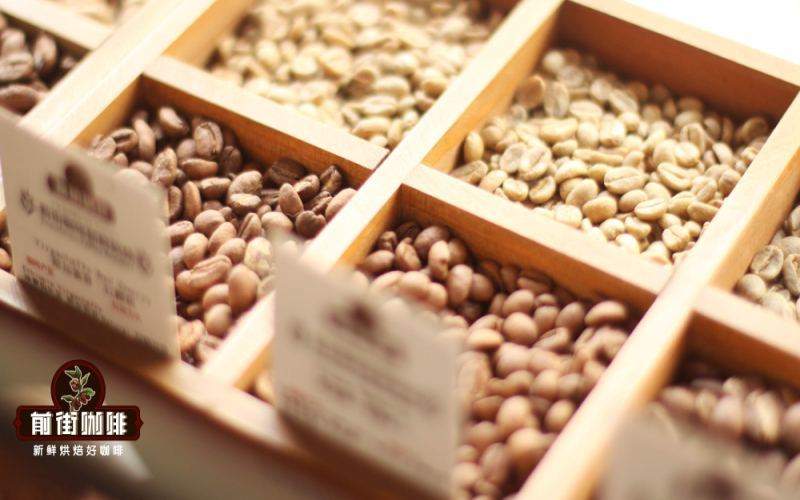
Ethiopia Guji Hambela G1 Natural Huakui New Crop Season: A Detailed Guide to Light Roast Flavor and Brewing Parameters
Ethiopian G1 represents the highest grade of green beans, but different regions and processing methods also lead to different flavor profiles. The Front Street Flower Queen G1 from the new crop comes from the Buku Abel processing station in the Guji Hambela region, where the natural sun-dried method gives the coffee rich tropical fruit notes. To showcase the floral and fruity aromas and acidity, a light to light-medium roast is used, with two separate curves matched for pour-over and SOE. This article compiles the brewing method for Front Street Flower Queen, the espresso extraction steps, and the flavor descriptions for both pour-over and SOE, for coffee lovers' reference. [more…]
Both are Ethiopian heirloom varieties—a full analysis of the differences between Huakui and Yirgacheffe in origin, processing method, and flavor.
Ethiopia is a genetic treasure trove of coffee. Front Street Huakui and Front Street Yirgacheffe both originate from local heirloom varieties, yet due to differences in terroir and processing methods, they present completely distinct flavor profiles. Front Street Huakui comes from the Buku Abel processing station in Guji, Sidama, where natural processing brings out strawberry, cream, and fermented wine notes; Front Street Yirgacheffe comes from Yirgacheffe town, where washed processing highlights jasmine floral aromas, citrus acidity, and tea-like qualities. Many enthusiasts easily confuse the two. This article will systematically sort out the connections and differences between these two beans—from origin background, cultivation patterns, and processing methods to actual brewing and cupping flavors—to help you make clearer choices when purchasing and brewing. [more…]
What Variety Is Geisha Coffee? A Complete Analysis from Its Ethiopian Origins to Its Rise to Fame in Panama
Geisha is a highly sought-after variety in the Arabica family, but it is often confused with Hualui coffee beans. This article begins with the origins of Geisha—discovered in 1931 in the Geisha forest of Ethiopia, it then traveled through Kenya, Uganda, and Costa Rica before finally achieving fame at Hacienda La Esmeralda in Panama. It also clarifies the relationship between Panama Geisha and Gesha Village in Ethiopia, introduces the grading systems of Red Label, Green Label, Blue Label, as well as Gold Label and auction lots, and includes Front Street Coffee's Geisha products and brewing suggestions to help enthusiasts gain a comprehensive understanding of this elegant variety. [more…]
Complete Analysis of Huakui and Geisha Varieties and Origins: The Origins of the Translations Hambela and Geisha, and a Comparison of Their Flavor Differences
Recently, a video conflated Huakui coffee beans, the Hambela production region, and the Geisha variety, claiming that the three can be equated. Is this really the case? This article will trace the spread of the Geisha variety from Geisha Mountain in Ethiopia to Hacienda La Esmeralda in Panama, clarify the administrative affiliation of Hambela as a sub-region of Guji, and restore the full story of how Huakui coffee beans were named after winning the 2017 TOH. At the same time, Front Street Coffee will, through cupping experience, compare the flavor differences between small-bean Huakui and regular Huakui, and analyze the essential differences between Geisha and Huakui in their main flavor profile, helping coffee lovers build a clear understanding of varieties and production regions. [more…]
A Complete Guide to Ethiopia Guji Hambela Flower Queen Coffee: From Origin Story to Roasting Curve and Brewing Parameters
In recent years, coffees with bright acidity have become increasingly popular, and Huakui is one of the most highly recognizable among them. It comes from the Buku processing station in Hambela, Guji region, Ethiopia. With its strawberry and creamy aroma, it won the 2017 TOH competition, and in the same year, Li Jianfei used it in the World Brewers Cup China region to defeat Geisha and win second place, making it famous ever since. This article will start with the story of Huakui's rise to fame, sort out the terroir context of the three production regions of Sidamo, Guji, and Hambela, introduce the Buku processing station's natural process and Heirloom native species background, and include product information for Front Street Coffee's new-season Huakui, two customized roasting curves, and the complete parameters and brewing steps for V60 pour-over, taking you through a comprehensive understanding of this coffee with its distinctive floral and fruity notes. [more…]

Cold Brew Coffee vs. Cold Brewing and Ice Drip: A Complete Guide to the Differences and Step-by-Step Home Brewing Tutorial
Cold brew, cold brew immersion, and ice drip coffee are three names that are often used interchangeably, leaving many coffee enthusiasts confused. This article approaches the topic from Front Street's perspective, first clarifying the differences between the three in terms of definitions and extraction principles, then explaining their respective taste characteristics. It then offers suggestions for bean selection for cold brew coffee, recommending Front Street Fruit Ding Ding, Front Street Huakui, Front Street Xizhao, and other beans suitable for summer cold brew. Finally, it includes a simple cold brew method covering grind size, coffee-to-water ratio, the effect of refrigeration time on flavor, as well as filtering and resting steps, to help readers make a fragrant, clean-tasting cold brew coffee at home. [more…]
What coffee beans are more suitable for Americano? A complete brewing guide from roast level to origin flavor
Americano may seem simple, but choosing the beans is quite an art. Many coffee shops, having only one grinder, use the same beans for both Americano and milk-based coffee, often struggling to balance the taste of both. This article, from the perspectives of roast level, origin flavors, and practical operation, helps you clarify what beans to use for Americano: if you prefer milk-based coffee, choose Front Street Coffee's classic espresso blend, where a medium-dark roast brings hazelnut and caramel sweetness; if you lean toward floral and fruity notes, Front Street Coffee's Strawberry Candy espresso is recommended, performing especially well as an iced Americano; if you enjoy bright fruity acidity, Front Street Coffee's Huakui SOE offers full-bodied sweetness and rich fruitiness. The article also introduces the definition of Americano, its difference from espresso, and the characteristics of Arabica and Robusta beans, for coffee lovers' reference. [more…]
A Comprehensive Guide to Front Street Coffee's Huakui: Floral and Fruity Flavors, Variety Origin Story, and V60 Brewing Parameters
Front Street Coffee's Huakui is an Ethiopian natural coffee renowned for its floral and fruity notes. Originally named Hambela, it was named by a domestic green bean trader. It does not stand out for intense floral aromas, but rather for its rich fruit tones of passion fruit, strawberry, mango, jackfruit, and citrus. This bean originates from the Buku Abel processing station in Hambela and once won the natural category championship in the TOH green bean competition. It was subsequently introduced to the domestic market by a Beijing-based green bean trader and named "Huakui," and gained further fame after a Chinese World Brewers Cup competitor used it as a competition bean. Front Street, as an advocate of floral and fruity coffees, has included it in its Ethiopian series, roasting it to a medium-light level to highlight sweetness and fruity acidity. This article will provide coffee enthusiasts with a complete reference, from variety background and flavor description to V60 brewing parameters. [more…]
Is Flower Queen coffee bean an independent variety? The origin and evolution of sun-dried Flower Queen from the Guji Hambela region
In recent years, Huakui coffee beans have remained a hot topic in China's specialty coffee scene, and have now reached their 8th lot. Many people mistakenly believe that Huakui is a coffee variety, but it is actually a naturally processed coffee bean from the Hambela sub-region of the Guji region in Ethiopia. From winning the 2017 TOH green bean competition, to being introduced and named by a Chinese green bean trader, to DW company expanding production to meet demand, the story of Huakui is closely tied to the rise of the Guji region. This article will sort out Huakui's regional background, the origin of its name, and the reasons for its annual lot updates, and introduce how Front Street Coffee presents its tropical fruit profile through light roasting. [more…]
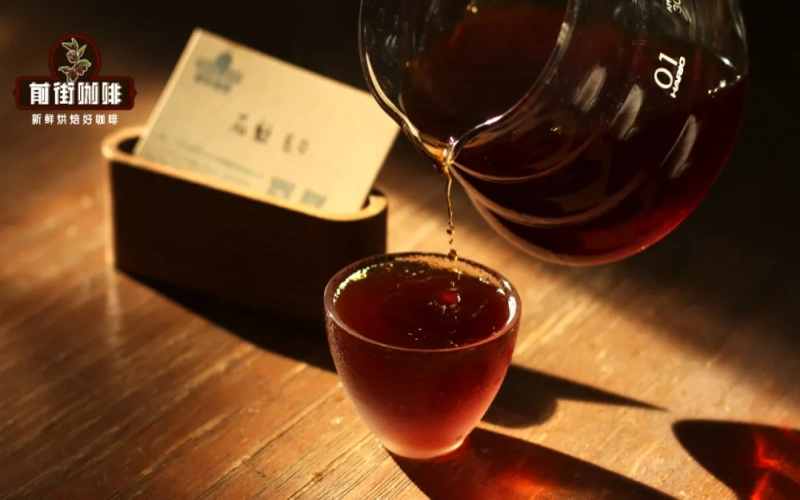
Ethiopian Natural Coffee Flavor Analysis: Front Street Coffee Huakui 8.0 vs. Geisha Variety Registration Differences
Front Street Coffee's Ethiopia Sidamo Huakui, a classic staple for fans of fruity-acidic coffee, has now reached its 8th harvest season, and the latest batch, "Huakui 8.0," has arrived on schedule. This article explores the origin of the name Huakui, its essential differences from Geisha, its history of winning the TOH competition, and the logic behind its annual version updates, while also sharing an unboxing and tasting record of Front Street Huakui 8.0 along with brewing parameters. From dry aroma to slurping, this new-season natural bean presents multiple fruit notes such as guava, jackfruit, and apricot, with a clear juicy quality and rich layers. Does this year's Huakui 8.0 actually have that "Huakui flavor"? Follow along with Front Street's cupping and brewing process to find out. [more…]
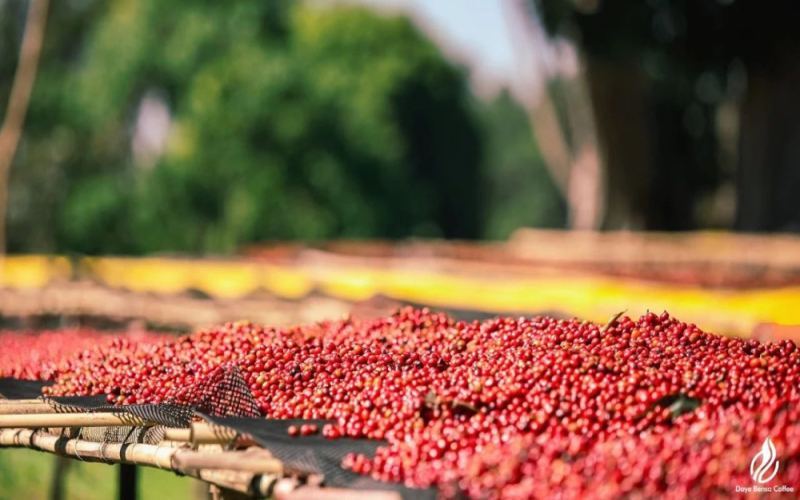
Ethiopia Guji G1 Natural Coffee Bean Flavor Analysis and Pour-Over Parameter Recommendations
Guji, as a rising star on Ethiopia's coffee map, has rapidly ascended to the ranks of core specialty coffee regions in recent years thanks to its outstanding flavor performance. From its early days under the Sidama region to being classified as a separate new category by the ECX in 2015, Guji's rise has followed a trajectory similar to that of Yirgacheffe. Hambela, as Guji's most representative sub-region, produces Huakui coffee beans that have become a favorite among domestic coffee enthusiasts thanks to their excellent sun-dried G1 quality. In this article, Front Street Coffee will systematically sort out the complete picture of this bean, from the region's historical evolution, terroir conditions, and the background of Hambela farms to the evolution of Huakui lots and specific brewing parameters, guiding you to a deeper understanding of Guji coffee's quality characteristics and brewing key points. [more…]
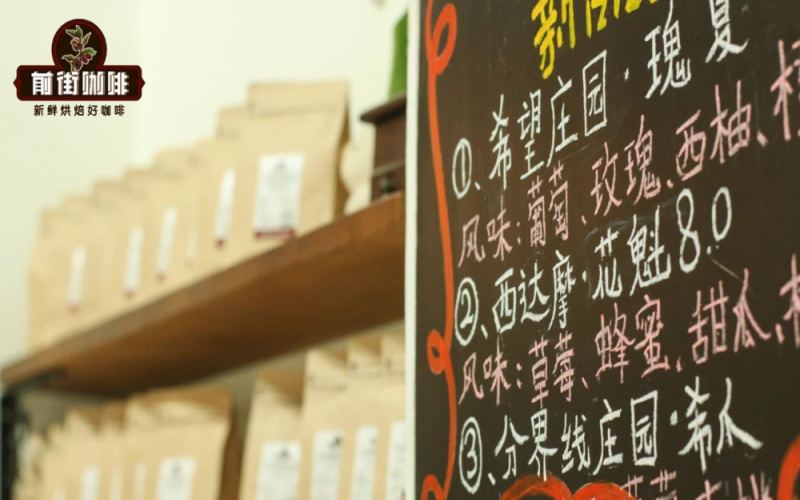
Ethiopia Guji Region Coffee Explained: Flavor, Processing, and Pour-Over Grind Parameters of Hambela Natural Beans
Yirgacheffe's dazzling acidity leads many to mistakenly believe that Ethiopia has only this one star-producing region, but in fact Sidamo in the south also produces specialty beans with a distinctive style. This article will focus on the Guji region under Sidamo, tracing its history of independence from Sidamo, the terroir conditions of the Hambela sub-region, and with particular emphasis on analyzing the rise to fame of the Huakui coffee beans, the natural processing methods of the Buku Able processing station, the evolution of different lots, as well as the green bean analysis, roasting curves, cupping reports, and V60 brewing parameters provided by Front Street Coffee, helping enthusiasts gain a comprehensive understanding of this Ethiopian natural bean with outstanding sweetness. [more…]
Sidamo Flower Queen Pour-Over Full Guide: Filter Cup Selection, Extraction Parameters, and Three-Pour Brewing Practice
As a highly popular Ethiopian natural bean in recent years, Geisha has won the favor of many coffee lovers with its bright citrus and berry notes and juicy sweet-tartness. But with the same bean, changing to a different dripper or adjusting a set of parameters can produce a drastically different cup profile. From the perspective of Front Street Coffee, this article first outlines Geisha's origin background and version naming logic, then uses the V60 dripper as an example to provide a complete brewing recipe and staged pouring details to help you more consistently reproduce this bean's flavor characteristics. [more…]
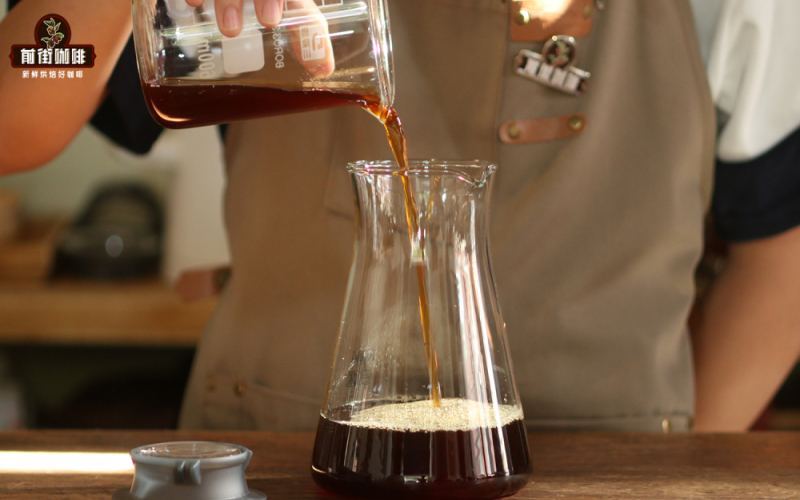
Cold Brew Coffee Bean Selection Guide: A Complete Analysis of Single-Origin Coffee Bean Flavor Pairings and Creative Recipes
In recent years, cold-drip and cold brew coffee made through low-temperature extraction have become increasingly favored by coffee enthusiasts, but which beans to choose, what equipment to use, how long it can be stored, and how to drink it creatively are all questions people care about. Based on Front Street Coffee's practical experience, this article provides a detailed overview of the extraction principles of iced coffee, equipment selection, single-origin bean recommendations suited to different flavors, the impact of chilled fermentation on taste, creative drinking methods such as adding dried flower petals, and safe refrigeration storage limits, helping you make a cup of outstanding iced coffee at home. [more…]
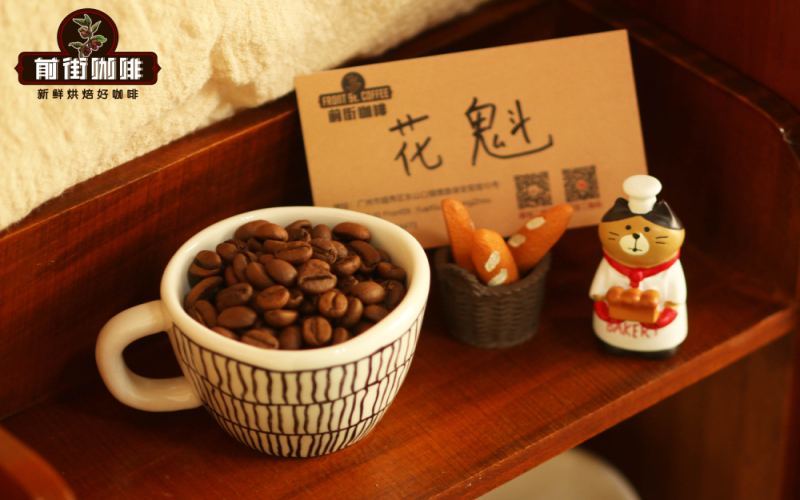
Ethiopia Hambela Guji Flower Queen Coffee Beans: The Road to Fame from TOH Champion to National Staple
Huakui coffee beans are one of the most talked-about Ethiopian varieties in China's specialty coffee scene in recent years. Originating from the Buku Abel processing station in the Hambela region of Sidama, it shot to fame thanks to winning the 2017 TOH natural category championship and its standout performance at the World Brewers Cup. Compared with the often pricey Geisha, Huakui quickly became a daily staple for many coffee lovers thanks to its affordable price and intense strawberry-and-cream aroma. This article will systematically trace the origins and evolution of this bean from the perspectives of Huakui's rise to fame, regional grading, flavor evolution, and brewing comparisons, helping readers fully understand why Huakui coffee beans are both cheap and delicious. [more…]

Coffee Bean Buying Tips | What Factors Affect Coffee Flavor? Recommended Hand-Brewed Single-Origin Beans for Beginners: Representative Specialty Coffees from Asia, Africa, and the Americas
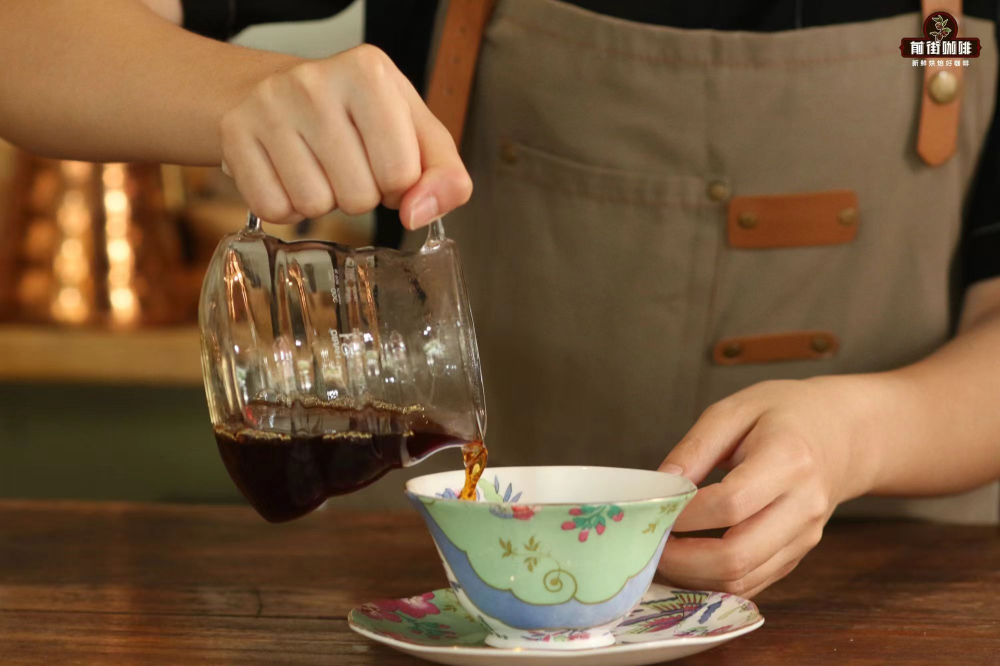
No matter what roasting style or brewing method you prefer, Front Street Coffee believes that referring to some tips for buying coffee is worthwhile and necessary. First and foremost, the most important point is to buy freshly roasted coffee beans, and to choose products that clearly indicate the roast date (not the expiration date or shelf life), and are from a brand you trust. [more…]
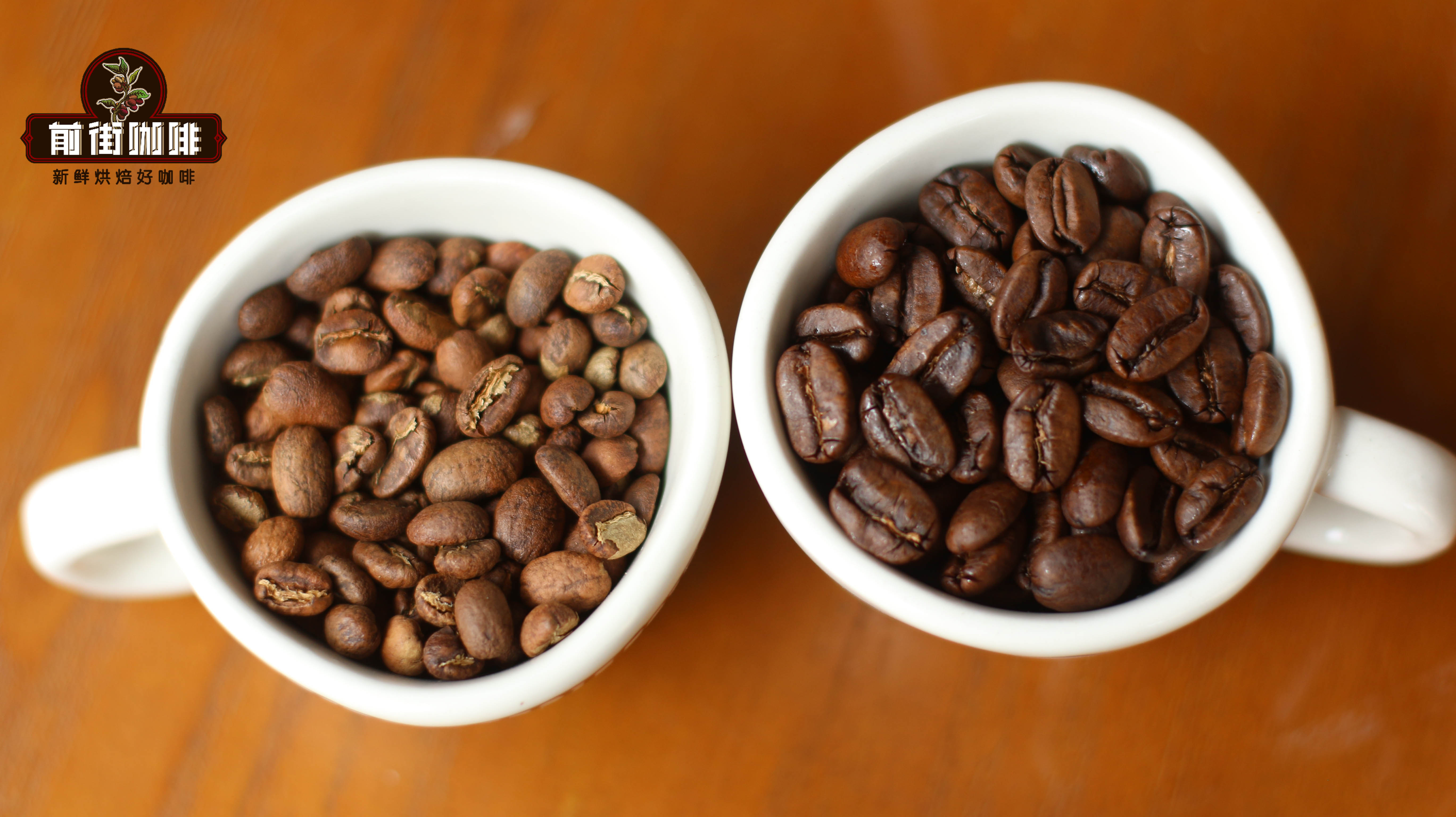
Floral and Fruity Single-Origin Bean Recommendation | For Sidamo Sun-Dried Huakui, is Light Roast or Medium Roast Better? Is Huakui Coffee Bean Better Suited for Pour-Over or Espresso?
With the "rise" of acidic coffee in recent years, I believe everyone has heard of the Flower Queen coffee. Just hearing the name makes it sound extraordinary; its bright citrus and berry notes, along with its juicy, delightful sweet-and-sour taste, leave a lasting impression. This article will introduce you to Flower Queen coffee. Flower Queen rose to fame in 2017, when Ethiopian [more…]
Coffee Bean Beginner's Guide: From Freshness and Origin to Roast Style, Learn to Pick the One That Suits You
Faced with a dazzling array of coffee beans, beginners often don't know where to start. In fact, choosing coffee beans isn't complicated—as long as you grasp a few key dimensions, you can greatly increase your chances of buying good beans. This article starts with the primary principle of freshness, explaining why you should look for products marked with a roast date and packaged with a one-way exhaust valve, and introduces Front Street Coffee's standard of shipping within 5 days of roasting. It then sorts out flavor differences across the three major producing regions of Central and South America, Africa, and Asia, discusses which groups and brewing devices suit blends versus single-origin beans, and finally breaks down the acidity, mouthfeel, and brewing methods corresponding to the three roast styles of light, medium, and dark roast. The article also intersperses recommendations of several specific Front Street beans to help you translate abstract flavor descriptions into practical choices. [more…]

The Diverse Uses of Filter Paper in Coffee Brewing: An Analysis of Filtration Needs for Cold Brew, Ice Drip, Espresso, and Moka Pot
Can filter paper only be used for pour-over? In fact, in cold brew, ice drip, espresso, and even moka pot brewing, filter paper also plays an important role, just with different functions emphasized. This article compiles the practical experience of Front Street Coffee and explains one by one the specific uses of filter paper in different extraction methods: why cold brew needs secondary filtration, what roles the upper and lower filter papers in an ice drip brewer each play, what changes adding filter paper above the puck or at the bottom of the portafilter basket brings to espresso, whether a moka pot should use filter paper, and the correct approach to using filter paper to filter coffee grounds. Whether you are just starting out or want to refine your technique, you can find practical reference solutions here. [more…]

American Coffee Bean Brand Recommendations | How to Choose Coffee Beans for Making American Coffee at Home? Which Espresso Blend Is Suitable for Iced Americano Black Coffee?
It is generally believed that Americano is simply espresso diluted with water—iced Americano equals espresso plus ice water, while hot Americano equals espresso plus hot water—and the key factor affecting the taste of Americano is the coffee beans. So today let's talk about how to choose beans for making Americano at home according to your own taste. [more…]