







How Does Geisha Coffee Relate to Huakui Beans?
Huakui, or Flower Queen, is not a coffee variety. It is a sun-dried natural-process bean from the Hambela sub-region of Ethiopia's Guji zone, and it is often confused with geisha coffee because both are associated with Ethiopia and with high prices and floral, fruit-forward cups. The name comes from a Chinese green bean trader and first gained attention after a 2017 TOH win.
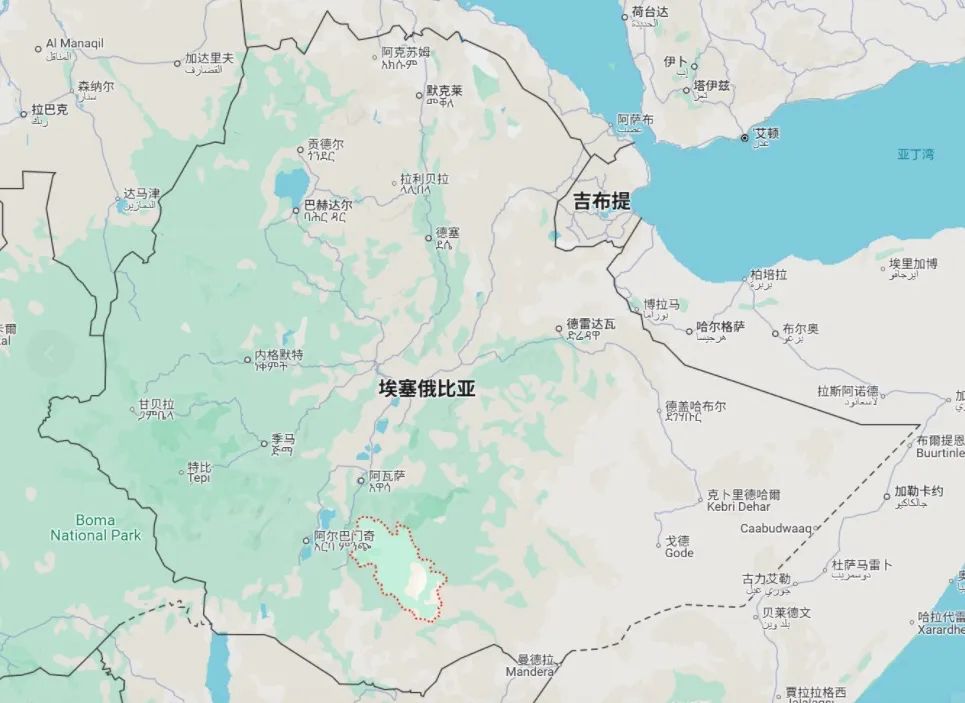
Coffee cultivation in Guji benefits from averages above 1,800 meters, wide day-night temperature swings, volcanic soil, and remaining primary forest, which together create diverse microclimates. Guji became an independent producing area in 2010 under the Ethiopian Commodity Exchange, separating from Sidamo. Its sub-regions include Hambela, Shakiso, and Uraga, with Hambela the birthplace of Huakui.
Huakui coffee beans have remained highly popular in China's specialty coffee scene in recent years, and have now reached their 8th batch. Many people mistakenly believe that Huakui is a coffee variety, but it is actually a natural-process coffee bean from the Hambela sub-region of Ethiopia's Guji producing area. From winning the TOH green bean competition in 2017, to being introduced and named by a Chinese green bean trader, and then to DW expanding production to meet demand, the story of Huakui is closely tied to the rise of the Guji region. This article will sort out Huakui's producing-area background, the origin of its name, and the reasons for its annual batch updates, and introduce how Front Street Coffee presents its tropical fruit profile through a light roast.
When Ethiopian coffee is mentioned, Huakui is one of the first names many enthusiasts think of. This bean can be called one of the country's most representative coffees, and it has now reached its 8th year, namely Huakui 8.0. But many people ask: which producing region in Ethiopia does it actually come from?
In fact, Huakui comes from the famous Guji producing area, located in southern Ethiopia and administratively belonging to Oromia, the largest state in the country by area. Here mountains, valleys, and plains interlace, with an average altitude of more than 1,800 meters, a significant temperature difference between day and night, large areas that are still untouched primary forest, and volcanic soil throughout. The complex terrain creates diverse microclimates, providing very ideal conditions for coffee cultivation.
In earlier years, however, Guji was remote and inconvenient to access, and the local economy was mainly based on herding and farming. Only later, after large mineral deposits were discovered, did it gradually come into the outside world's view. It was not until recent years that the excellent quality of the region's coffee was continually discovered, allowing the coffee industry to rise rapidly. It can truly be called a latecomer.
In the course of producing-area classification, Guji and Yirgacheffe are quite similar, as both initially belonged to the Sidamo producing area. In 2010, according to the classification standards of the Ethiopian Commodity Exchange (EXC), Guji was made an independent new coffee producing area thanks to its outstanding and distinctive flavor performance.
Guji contains several familiar sub-regions, such as Hambella, Shakiso, and Uraga. Among them, Hambella is precisely the birthplace of the "Huakui" coffee beans.
To the west of Hambella, a Mount Kochere separates it from Yirgacheffe, while its southeast and north sides connect with other Guji sub-regions. The growing altitude here reaches 2,100 to 2,300 meters, and its greatest advantage is dense forest, which provides abundant natural fertilizer for coffee.
In 2017, the African Fine Coffees Association held a harvest-season flavor competition, the TOH green bean competition. DW COFFEE EXPORT submitted a natural-process coffee bean from its Hambella Buku Abel processing station. With its rich berry aroma and creamy mouthfeel, this bean took first place in the natural-process category that year.
Initially, according to traceability information, this bean came from the Hambella sub-region of Guji, was produced by the Buku Abel processing station, was natural-processed, and was simply called "Hambella." Later, a Chinese green bean trader took a liking to it, considered its flavor extremely outstanding, and named it "Huakui," meaning the chief of a hundred flowers, promoting it to the domestic market under this name.
In the same year, in the China regional competition of the World Coffee Brewing Championship, Beijing competitor Li Jianfei chose this Huakui coffee bean to compete, defeating many Geisha coffee beans and ultimately winning runner-up. This also greatly increased Huakui's visibility in the domestic market.
After Huakui became popular, in order to meet market demand, DW began adding processing stations in Dimtu town, the core coffee-producing area of Hambella, and purchasing coffee beans produced by nearby villages for making "Huakui" coffee.
However, coffee is ultimately an agricultural crop. Even in the same region, annual quality is affected by many factors such as climate, rainfall, and fertilization. In addition, subtle differences in processing, such as temperature, humidity, and sun-drying conditions, can also influence the final flavor performance. Therefore, today's Huakui coffee must differ to some extent from the original batch that competed.
To distinguish it from the original version, each subsequent year's Huakui batch is named "Huakui X.0." For example, the batch launched in 2018 is called "Huakui 2.0," and so on, making this year's batch "Huakui 8.0."
Ethiopian coffee beans have always been known for their fruity acidity, and Huakui also emphasizes natural processing, which can give coffee beans complex fruit aromas along with a slight fermented note. Therefore, Front Street uses a light roast to highlight Huakui's characteristics. After brewing, you can taste tropical fruit flavors such as mango and citrus, with a round, juicy mouthfeel and a black tea finish, offering very rich layers.
To learn more information about coffee producing areas, please scan the QR code to follow: Kapin
Long-press the QR code to follow:
The above content is compiled by CoffeeHunters, a coffee news website.


