







Which coffee ingredients suit cold brew and ice drip?
Cold brew and ice drip both extract between 0 and 7°C, and low temperatures slow extraction, so fewer large-molecule bitter compounds come through. The result is a lighter, refreshing cup that keeps more of its sweet and sour notes. Cold brew is an immersion method like a French press or Clever Cup; ice drip is a drip-filtration method, closer to pour-over, and gives clearer, more distinct layers.
Single-origin bean choices are matched to the flavor profile you want, and cold fermentation further changes the taste over time. Dried flower petals and other additions work as creative serving options. Storage matters too, so keep cold brew refrigerated and mind the safe storage window. Home setups range from simple immersion jars to dedicated ice drip towers.
Cold brew and ice drip coffee made via low-temperature extraction have become increasingly popular among coffee lovers in recent years, but which beans to choose, what equipment to use, how long it can be stored, and how to drink it creatively are all questions people care about. Based on Front Street Coffee's hands-on experience, this article provides a detailed overview of the extraction principles of iced coffee, equipment selection, single-origin bean recommendations suitable for different flavor profiles, the impact of cold fermentation on taste, creative drinking methods such as adding dried flower petals, and safe refrigeration storage periods, helping you make an outstanding cup of iced coffee at home.
For more specialty coffee knowledge, please follow our WeChat official account: FrontStreet Coffee
Recently, more and more people have started making cold brew, ice drip, and other iced coffees themselves, and Front Street's pre-made ice drip coffee has been in a constant state of short supply. At the same time, many friends are asking the same question: how long can iced coffee actually be stored in the refrigerator?
What exactly makes low-temperature extracted iced coffee so special?
Both cold brew and ice drip fall under the category of low-temperature extraction, with water temperature maintained between 0 and 7°C throughout. The biggest difference between the two lies in the method—cold brew relies on low-temperature immersion, while ice drip relies on low-temperature drip filtration. To use regular hot coffee as an analogy, cold brew is equivalent to immersion-style devices like the French press or Clever Cup, while ice drip corresponds to the drip filtration extraction represented by pour-over coffee. It is precisely for this reason that the former has a more balanced overall taste, while the latter has clearer and more distinct layers.
Returning to low-temperature extraction itself, the reason cold brew and ice drip have gained so much popularity is that extraction efficiency is lower at low temperatures, and large-molecule bitter compounds are released in smaller amounts, so the finished product is refreshing on the palate, with sweet and sour flavors retained more fully.
What equipment do you need to make cold brew or ice drip?
If you want to replicate the iced coffee served at coffee shops, Front Street generally recommends getting a dedicated cold brew pot and ice drip pot, as the extraction process is easier to control that way. However, the principle of cold brew itself is not complicated, and since it is low-temperature extraction, it does not depend heavily on equipment. You can just find a clean, sealable container at home and get started, and the money saved can go toward another bag of beans.
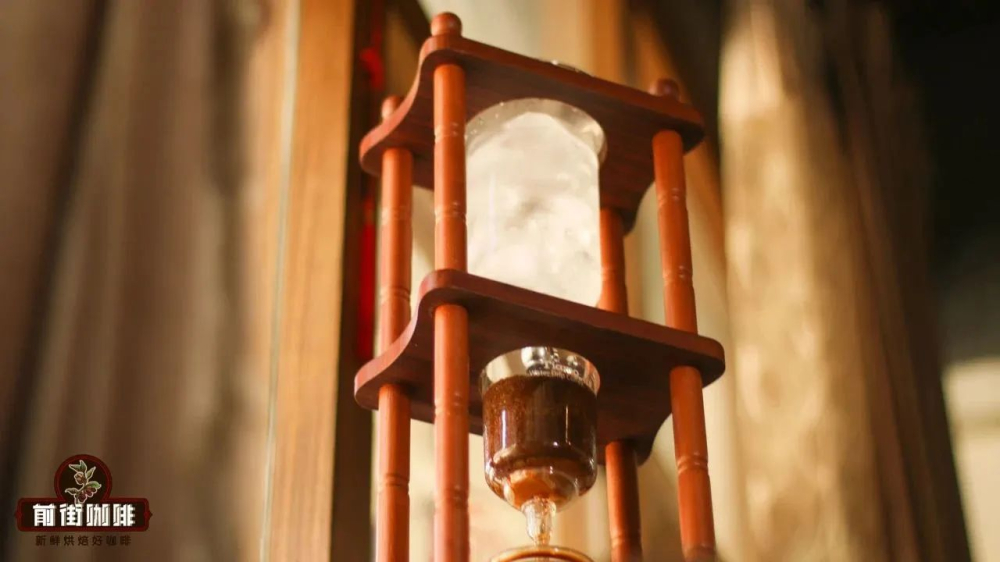
Ice drip is different. In addition to needing a container for ice water, it also has high requirements for whether the water drip valve can drip at a steady rate, and it is very difficult to find a suitable "substitute," so it is still recommended to buy an ice drip pot directly.
Actually, besides equipment, bean selection is also a key factor determining success. For cold brew with a preference for sweet and sour notes, you can try three specialty beans: Front Street Fruit Ding Ding, Front Street Strawberry Candy, and Front Street Flower Chief—rich in fruity aromas, they can display delicate sweet and sour notes after low-temperature extraction. For those who prefer a balanced profile, Front Street Diamond Mountain, Front Street Kafa Forest, and Front Street Gesha Village Chaka all perform well, balancing sweetness, acidity, bitterness, and umami. If you only love full-bodied dark roasts, then choose from these single-origin beans: Front Street Queen's Estate, Front Street Bird of Paradise, Front Street Golden Mandheling, and Front Street Huila.
Can ice drip coffee be drunk immediately after making?
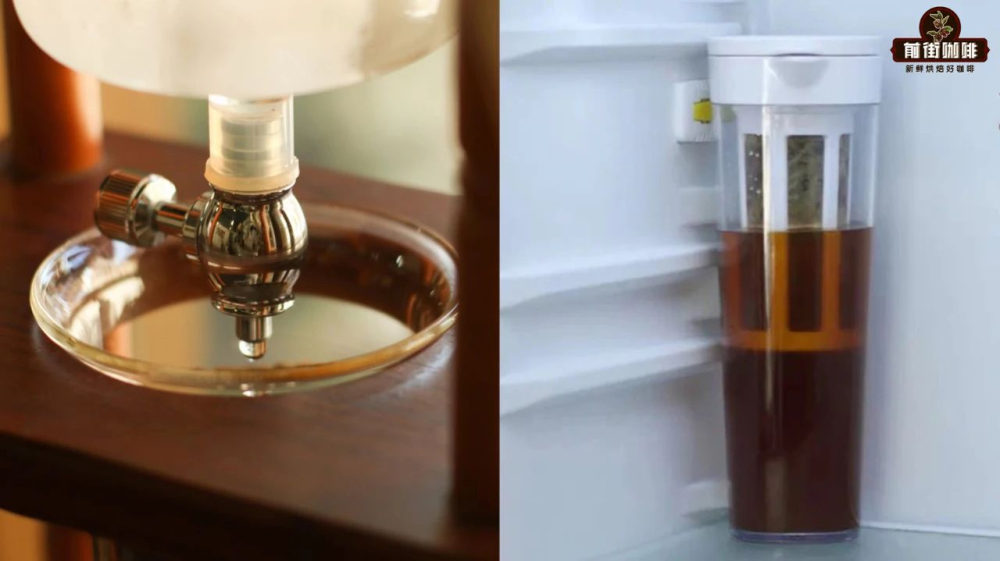
Based on Front Street's experience, after making ice drip, refrigerating and chilling it for 10 to 12 hours will give a more ideal flavor.
Ice drip is usually completed at room temperature of 26 to 28°C, and takes about 6 to 8 hours to make, which is shorter than cold brew. The temperature of freshly dripped ice drip coffee is around 15°C, and layering is also very obvious (the lower layer is darker in color, the upper layer is lighter). The reason is that more coffee substances are extracted in the early stage, fewer substances are brought out by the water droplets in the later stage, and because the coffee liquid is low in temperature and poor in fluidity, the concentration easily becomes inconsistent and layered.
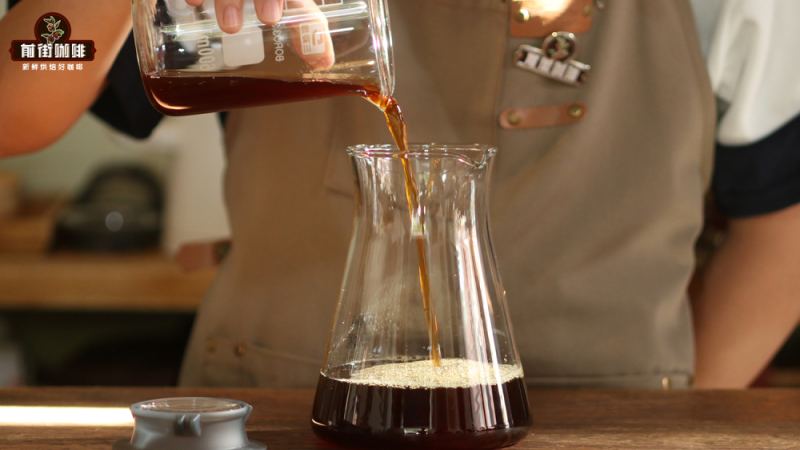
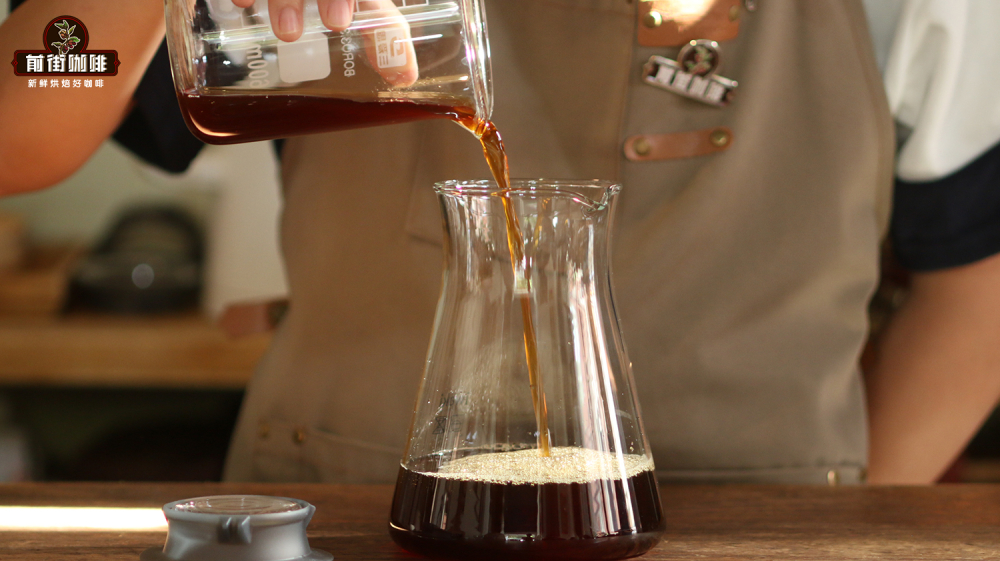
At this point, the taste of the ice drip is not considered rich, basically retaining only the early-stage flavors of the beans. Front Street's approach is to pour the dripped ice drip into a glass bottle with a sealing rubber ring and let it sit in the refrigerator for 12 hours before drinking. The pouring process allows the unevenly concentrated liquid to mix evenly, and choosing a container with good sealing can avoid external contamination—the surface of a refrigerator may look clean, but it actually harbors a large number of invisible microorganisms.
After 12 hours of low-temperature fermentation in the refrigerator, the ice drip will take on a pleasant fermentation aroma, and the original flavors will also become more intense. Fermentation is very common in daily life; once uncontrolled, it will cause food to spoil and deteriorate, while a low-temperature environment can effectively slow down this process. Front Street has also verified through actual practice that ice drip made from most coffee beans reaches its best flavor after 12 hours of chilling.
Creative ways to drink ice drip coffee/cold brew coffee
Although there are many beans to choose from for cold brew and ice drip, after all, it is slow extraction with cold water, so the flavor is ultimately more one-dimensional compared with hot pour-over. So some clever friends thought of adding auxiliary ingredients to give the coffee a unique aroma, such as dried flower petals, which are very popular among women.
Cold brew itself has few factors that can be intervened with, and the whole process is static immersion, so if you want floral fragrance to enter the coffee and bring a touch of freshness, it is best to choose varieties with prominent aroma and easy extraction, such as osmanthus, jasmine, and rose. These three flowers are easy to buy in daily life and are highly compatible with coffee flavor. However, although dried flowers are fragrant, their taste is rather thin, so it is best to pair them with medium-light roast beans with flavor notes pointing toward floral and fruity tones. Front Street Red Cherry, Front Street Sidra, and Front Street Little Tomato are recommended.
How many days can iced coffee/cold brew coffee be stored at most?
Many people are concerned about this question. Coffee brewed with hot water loses much of its flavor or even all of it after sitting for 1 hour, while coffee made and stored at low temperature can last longer. Ice drip reaches its best flavor after completion and 12 hours of chilling, while cold brew is best drunk after filtering the grounds and then chilling for 4 hours. The longer it sits, the stronger the fermentation taste becomes, eventually overpowering the coffee's own aroma.
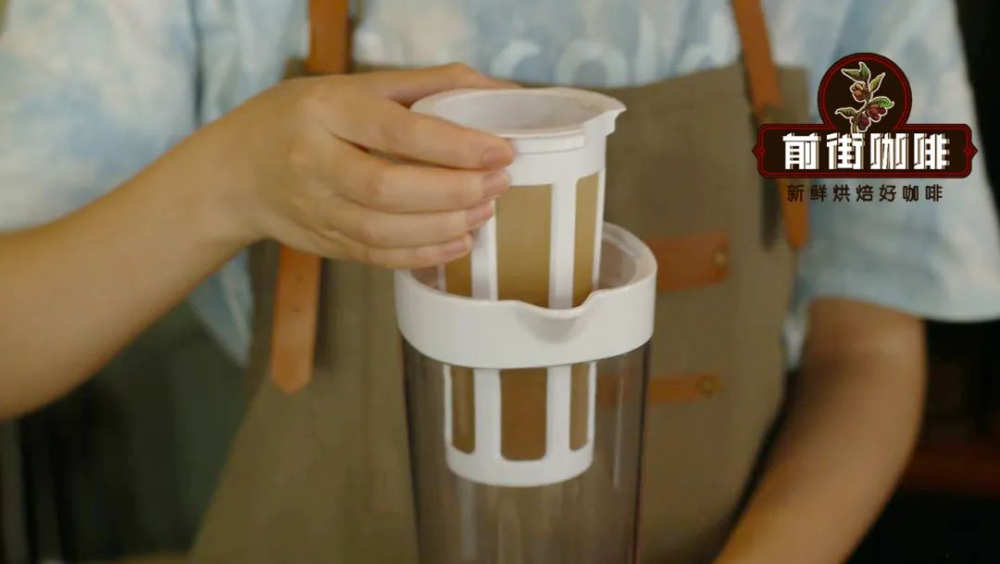
As Front Street mentioned earlier, low temperature only slows down fermentation; over time, ice drip will eventually spoil and deteriorate. Generally speaking, ice drip stored in the refrigerator for within 5 days is relatively safe; beyond 5 days, it is prone to developing off-flavors such as rancid sourness. Because cold brew is made and stored at low temperature throughout, it can usually be kept in the refrigerator for 7 days.
Whether ice drip or cold brew, Front Street recommends drinking it within 5 days. After 5 days, it is not necessarily spoiled, nor necessarily unpleasant to drink, but considering both flavor experience and health safety, Front Street sets the tasting period for its own ice drip at 4 to 5 days.
The above content is compiled by CoffeeHunters, a coffee news website.


