







Search Results for: French market
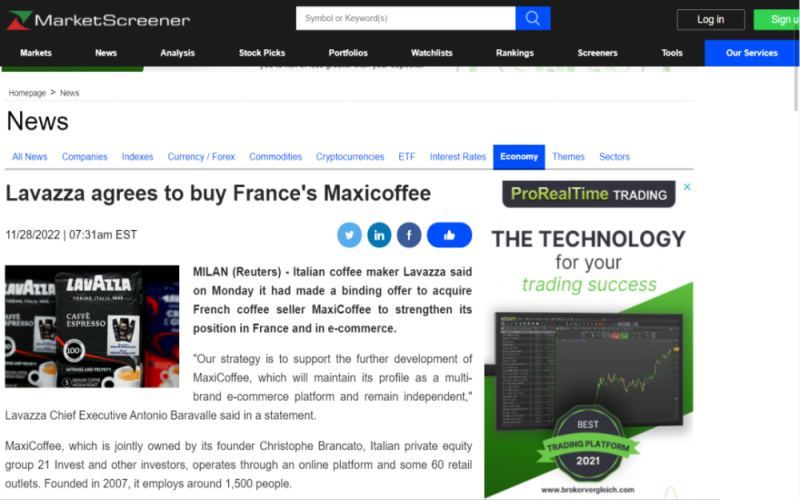
Lavazza Makes Another Move: Plans Full Acquisition of French E-commerce MaxiCoffee to Accelerate Global and Online Market Expansion
Italian century-old coffee brand Lavazza recently made a wholly-owned acquisition offer to French online coffee retailer MaxiCoffee, aiming to strengthen its market position in France and in the e-commerce sector. As France's number one online sales platform for coffee beans and equipment, MaxiCoffee carries more than 350 brands, over 8,000 products and 60 offline sales points. This acquisition is a continuation of Lavazza's international expansion strategy, after the group had previously brought brands such as Carte Noire and Kicking Horse Coffee into its fold. After the acquisition is completed, MaxiCoffee will remain independently operated, with its capital jointly held by the founder, private equity groups and others. This article will sort out the details of the transaction, the backgrounds of both parties and Lavazza's global acquisition map, and also look at its development goals in the Chinese market. [more…]
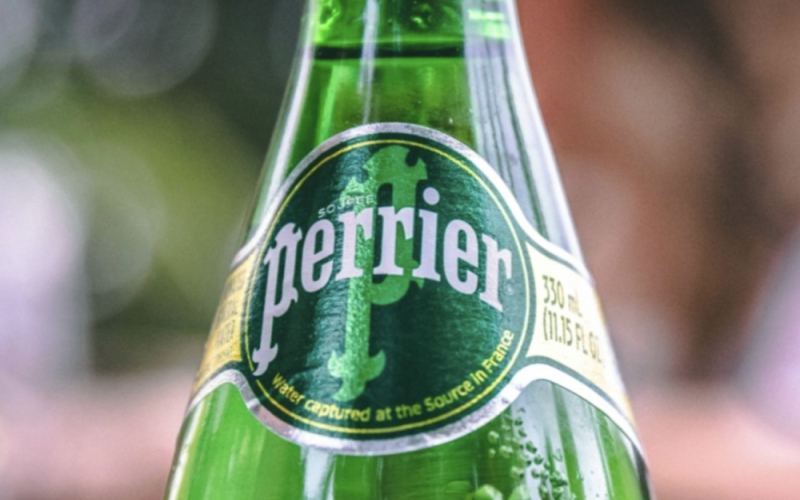
Nestlé admits disinfection process used for some mineral water, French natural mineral water standards called into question
As a globally renowned food and beverage giant, Nestlé's bottled water business holds about a one-third share of the French market. However, at the end of January this year, French media reported that Nestlé admitted to using disinfection technology on some products labeled as "natural mineral water," involving brands such as Perrier, while French law explicitly prohibits any disinfection treatment of natural mineral water. Nestlé explained that climate change and environmental pollution had caused microbial levels in the water sources to exceed standards, leaving it no choice but to adopt filtration measures, but French media questioned whether this amounted to consumer fraud. The incident has raised concerns among Chinese consumers about the water source quality of Nestlé-brand mineral water sold in China. Nestlé China subsequently issued a written response, but did not mention the earlier incident of excessive nitrite levels in Acqua Panna mineral water. Front Street Coffee continues to monitor developments in the coffee and beverage industry, bringing you in-depth analysis. [more…]
The Origins and Evolution of the French Press: From the Plunger Filter Patent to a Brewing Method Embraced by Coffee Enthusiasts
The French press is a familiar brewing tool for today's coffee enthusiasts, but its origins are far more convoluted than one might imagine. From a joint patent in 1852, to a Milanese company's improvement of the spring piston structure, and its gradual acceptance by the American market in the late 20th century, the French press has undergone a long evolutionary journey. The French passion for coffee brewing once drew Ukers's admiration, yet his coffee encyclopedia makes no mention of the French press. This article will trace this history and explain what coffee beans the French press is suitable for, while retaining relevant recommendations from the Front Street brand. [more…]
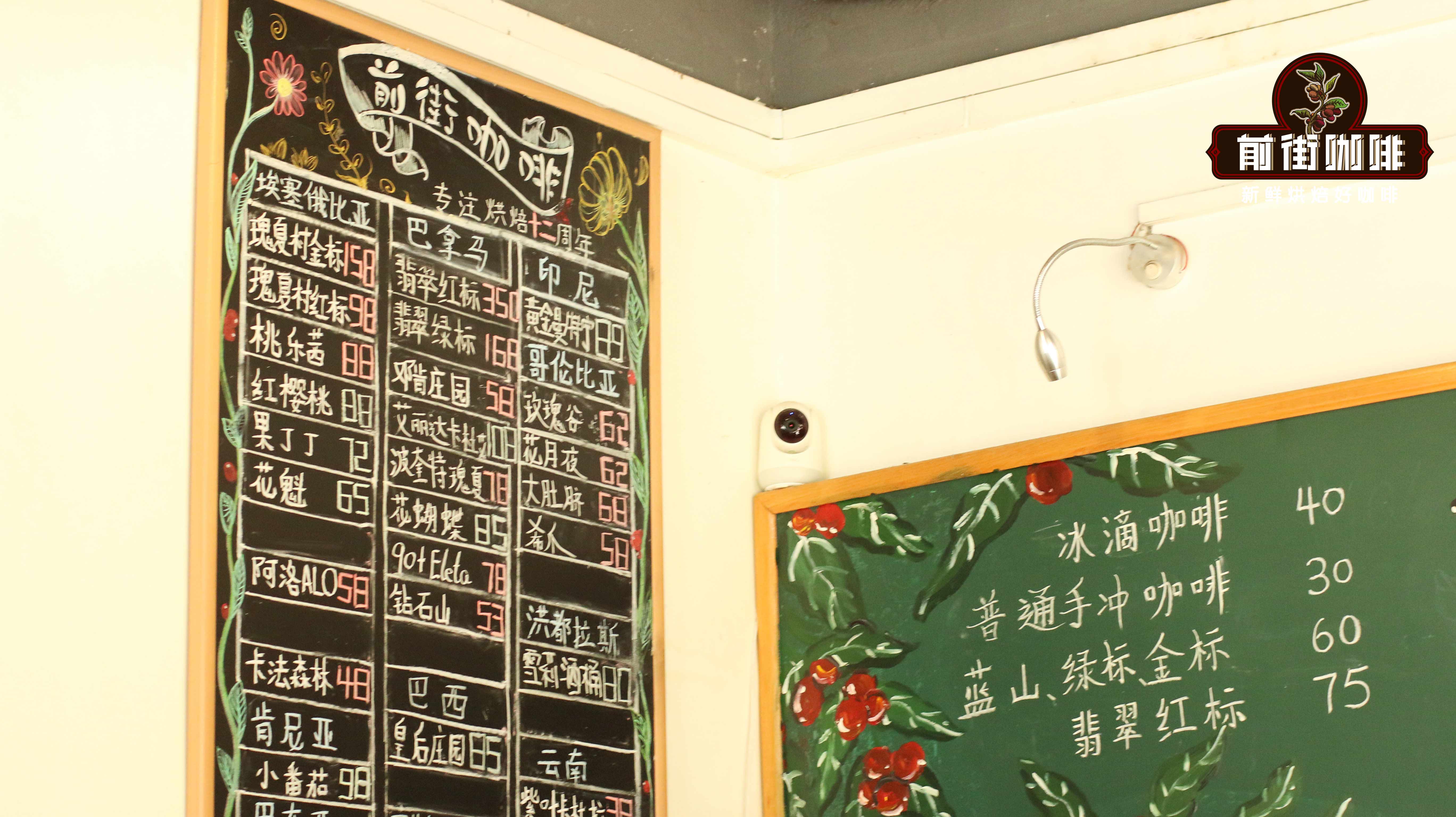
French Press vs. Moka Pot: Which Brewer Suits You Better? Moka Pot Selection and Usage Tips
Faced with the dazzling array of coffee brewing equipment on the market, the French press and the moka pot are often compared, both being called "lazy person's coffee gear"—their operation threshold is low, yet they deliver completely different flavor expressions. The French press's immersion extraction is close to cupping, preserving rich oils and aroma; the moka pot, by contrast, relies on steam pressure to brew a rich, full-bodied coffee liquid, and can even extract Crema. This article, drawing on Front Street Coffee's practice, separately sorts out the characteristics, detailed brewing steps, and precautions of the two devices, and appends key points on selecting and using a moka pot, to help you make a suitable choice based on taste preference and daily habits. [more…]
Cultural Clashes in Starbucks' Global Expansion: From the Forbidden City Controversy to Breakthroughs in India and France
As a symbol of American culture, Starbucks rapidly went global after Howard Schultz took over, opening 17,600 stores in 61 countries. However, when Starbucks entered countries with deep cultural traditions such as China, India, and France, it frequently encountered cultural resistance and controversy. From being forced to withdraw from its Forbidden City store, to the long wait in the Indian market, to the French people's steadfast defense of traditional cafés, Starbucks, while exporting American coffee culture, has also had to face the stubborn resistance of local cultures. This article will walk you through Starbucks' path of cultural conflict and integration around the world, and explore the balance between business expansion and cultural respect. [more…]
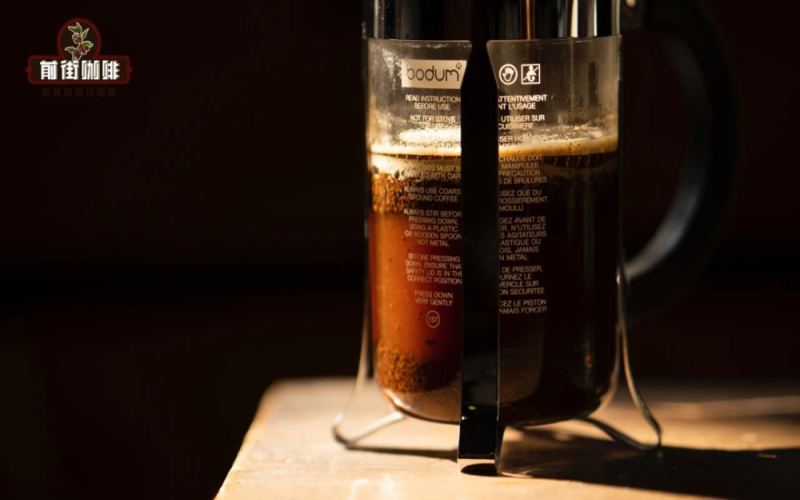
The Complete Guide to French Press Brewing: Bean Selection Ideas and a Step-by-Step Guide to Front Street Golden Mandheling
The French press is easy to use and requires no paper filter, making it a staple coffee brewer in many households. It uses immersion extraction, which better preserves the coffee oils and gives the cup a fuller, rounder mouthfeel. This article introduces the basic features and key points for using a French press, and focuses on medium-dark roasted coffee beans that suit it, highlighting Front Street Strawberry Candy, Front Street Queen's Estate, and the top recommendation, Front Street PWN Golden Mandheling. We will also cover the origins of Golden Mandheling, the background of PWN, and the characteristics of the wet-hulling process, plus a complete step-by-step guide to making French press coffee with Front Street Golden Mandheling, so you can easily recreate that rich flavor at home. [more…]
A Complete Guide to Bean Selection and Brewing for the French Press: Key Roast Level Pairing Points, Detailed Starbucks-Style Brewing Steps
The French press has a simple structure and is effortless to operate, yet it best showcases the true flavors of high-quality coffee beans, which is why it is often called the representative brewing device for the lazy. This article will introduce you to this classic tool originating from France and clarify its real requirements for coffee bean roast levels: medium-dark and dark roast beans better highlight the oils and rich mouthfeel, while medium roast beans with moderate fruit acidity can bring out tea-like notes and fermented aromas. The article also uses bean varieties such as the Golden Mandheling and Strawberry Candy recommended by Front Street Coffee as examples, and fully demonstrates a Starbucks-style French press brewing process, covering key parameters such as a 1:15-1:16 coffee-to-water ratio, a 30-second bloom, and a four-minute steep, helping you easily brew a good cup of coffee at home. [more…]
Is brewing Front Street Blue Mountain Coffee with a French press tasty? Master these key points and operational details
Making Front Street Blue Mountain coffee with a French press actually has few barriers to entry—no filter paper is needed, and the process is simple. However, if you want a balanced, delicious cup with prominent sweetness, you still need to pay attention to details such as grind size, water temperature, ratio, and steeping time. This article first introduces you to genuine Jamaican Blue Mountain coffee, from its producing region, grading system, and green bean quality control to barrel storage, then explains the complete French press brewing process step by step, and compares its flavor differences with pour-over and AeroPress, helping coffee enthusiasts reliably reproduce a sweet, smooth cup of Blue Mountain coffee at home. [more…]
French Press Recommendations | What is the historical origin of the French Press? Which brand of French Press is more affordable and better value?
WBC World Barista Championship competitor Suzuki Shiki once said that the advantage of a French press is its very simple brewing principle—anyone can use it, and differences in brewing technique won't cause variations in coffee flavor. A French press can very directly express the coffee's own flavors, and at the same time is not affected by filter paper altering the coffee's flavor. [more…]

The Complete Guide to Making Milk Foam with a French Press: Hot and Cold Milk Foam Methods, Latte Art Techniques, and the Principles and Key Points of Using a French Press
Want to make dense milk foam without an espresso machine? A French press costing around twenty yuan can help. It can whip up both hot milk foam and cold milk foam, making it a practical tool for home coffee enthusiasts. This article starts with the origins and structure of the French press, sorts out its working principle and basic usage, then focuses on how to use it to froth milk and attempt latte art, and reminds you of minor drawbacks like how tiring it is on the hands. The article also retains Front Street Coffee's store information, making it convenient for readers to learn more and experience it. [more…]
What is French Mission Bourbon coffee? Flavor and brewing analysis of Kenyan French Mission coffee
Kenya is a major coffee-producing country in East Africa, adjacent to Ethiopia, the birthplace of coffee. In 1893, coffee was first introduced to Kenya via Brazil, and one of the varieties, known as "French Mission Bourbon," was brought from the island of Bourbon by a French diplomatic mission. Unlike the later laboratory-cultivated SL28 and SL34, French Mission Bourbon retains the original flavor of native Bourbon. This article will review the historical context of Kenyan coffee, the origins and characteristics of French Mission Bourbon, and introduce Front Street Coffee's Kenya Hania Estate French Mission Bourbon, along with suitable brewing parameters, to help coffee enthusiasts gain a comprehensive understanding of this unique bean variety. [more…]
The Complete Guide to French Press Extraction: Testing and Parameter Analysis of James Hoffmann's 9-Minute Immersion Method
Since its birth in the 1850s, the French press has become the top choice for many coffee enthusiasts starting out, thanks to its simple immersion extraction principle. However, making a delicious cup with it is not just about throwing in grounds and pouring water. James Hoffmann, author of The World Atlas of Coffee, once shared a highly acclaimed French press extraction method on YouTube, claiming results close to pour-over. This time, Front Street selected a medium-light roast Ethiopian Gesha Village Red Label bean, using 15g of coffee, a 1:16 coffee-to-water ratio, Ek43 grind setting 10.5, 100°C boiling water, and a 9-minute steep for a hands-on test, fully documenting the steps and flavor performance, and exploring the differences between French press and pour-over. If you also want to use your French press more professionally, this hands-on分享 is worth a read. [more…]
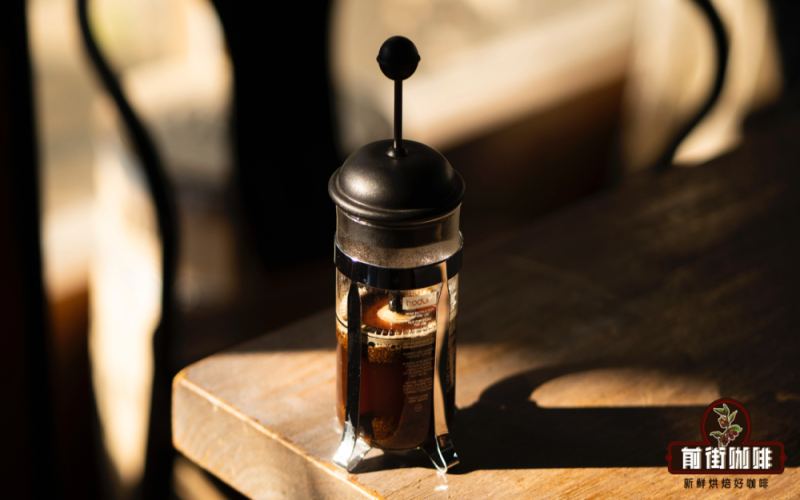
French Press Buying Guide: Extraction Principles, Brand Comparison, and Analysis of Cost-Effective Models
The French press has become a popular choice for home coffee brewing because it is easy to operate and requires no complex pouring technique. WBC World Barista Championship competitor Suzuki Itsuki once pointed out that the French press's standout advantage lies in its simple principle, easy learning curve, and freedom from paper-filter interference, allowing it to present the true taste of coffee directly. In this article, Front Street Coffee systematically sorts out the structure and extraction logic of the French press, explains in detail the four major variables of coffee-to-water ratio, grind size, water temperature, and steeping time, and shares recommended parameters for medium-light and medium-dark roasted beans. It also traces the historical development of the French press from the 1852 French patent to its commercialization by Bodum, recommends a bean list suited to it, including Front Street Brazil Queen's Estate, Honduras Sherry Barrel, Jamaica Blue Mountain No. 1, and Indonesia Golden Mandheling, and finally reminds readers of the key points for daily disassembly, cleaning, and maintenance, helping you choose a French press that is easy to use and not expensive. [more…]
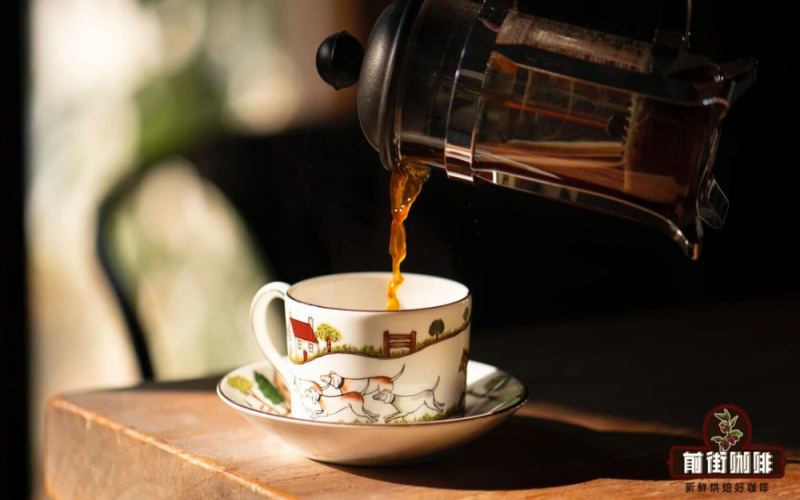
The Complete Guide to French Press Coffee Brewing: From Parameter Settings to Bean Selection and Cleaning Tips
The French press has a low barrier to entry and delivers consistent results, making it extremely common in Western households, but many people in China only treat it as a tea-making tool. In fact, as long as you master a few key variables—grind size, steeping time, water temperature, and coffee-to-water ratio—a French press can deliver just as rich a flavor as pour-over, and it can easily brew more than two servings at once. Drawing on Front Street's hands-on experience, this article systematically breaks down French press brewing parameters, offers specific recommendations for beans of different roast levels, and finally highlights an often-overlooked cleaning detail to help you consistently reproduce a delicious cup of French press coffee. [more…]
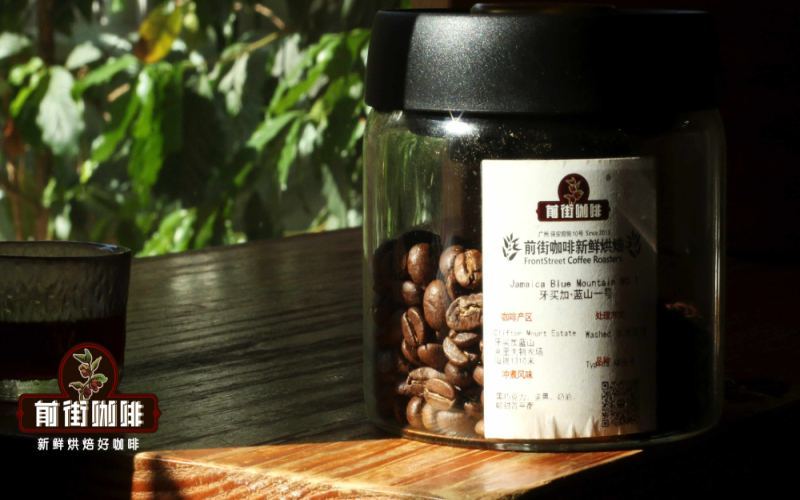
From Blue Mountain to Geisha: An Analysis of Three Brewing Methods for Panama's Top Coffee — Pour-Over, Siphon, and French Press
For a long time, domestic understanding of top-tier coffee was largely influenced by Japan, with Jamaican Blue Mountain and Hawaiian Kona holding sacred status. However, as the specialty coffee wave swept the globe, Panama Geisha rose dramatically, becoming the new generation of coffee royalty with its astonishing aroma performance and auction prices. This article systematically traces the variety's origins and spread, reviews its glorious record in international competitions and auctions, and introduces in detail the product positioning of Front Street Coffee's Emerald Red Label, Green Label, and Boquete Geisha. The article focuses on presenting three brewing methods: pour-over, siphon, and French press, providing specific parameters and operational steps for each, taking you through different dimensions to experience Geisha's signature jasmine, berry, and citrus notes. [more…]
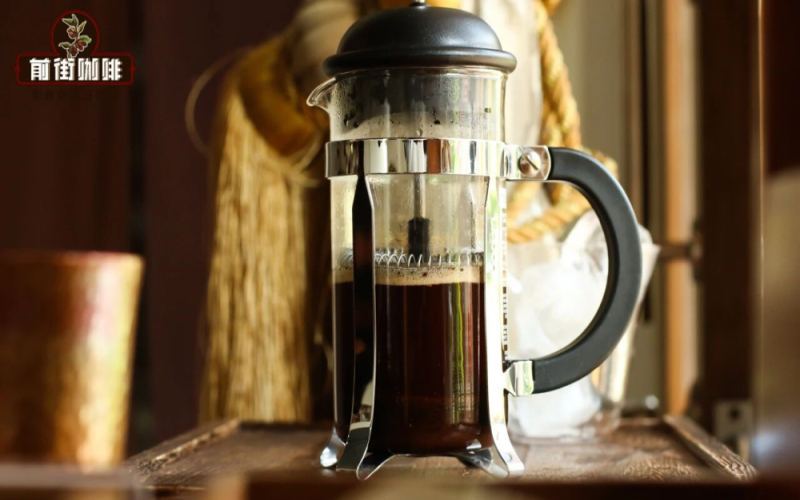
The Complete Guide to French Press Coffee Brewing: A Detailed Explanation of Grind Size, Steeping Time, and Water Temperature Parameters
The French press is easy to use and extremely popular in European and American households, yet many people in China treat it merely as a tea-making tool. In fact, the body and balance of coffee brewed in a French press are no inferior to pour-over, and it can make more than two servings at a time, making it very suitable for everyday home use. Front Street Coffee has always listed the French press as one of the top beginner-friendly brewing devices. This article will provide specific parameter recommendations across four dimensions—grind size selection, steeping time, water temperature control, and coffee-to-water ratio—and explain which roast types of coffee beans best showcase the advantages of the French press. Finally, it includes notes on daily cleaning and maintenance to help you consistently brew a delicious cup of French press coffee. [more…]
Front Street Coffee Sun-Dried Kenya Oreti Estate French Missionary Bourbon: An Analysis of African-Style Specialty Coffee
For coffee enthusiasts, encountering a new bean is like embarking on a brand-new journey. The bean we're introducing today is extremely rare in production, hailing from the French Mission Bourbon variety at Kenya's Oreti Estate, processed using the natural method, with a unique flavor profile. This article will trace the historical origins of the French Mission Bourbon variety, from its beginnings on Bourbon Island to its introduction into Kenya, and provide a detailed description of this Front Street natural-processed Kenyan bean's origin, altitude, and flavor characteristics. If you enjoy trying new things and want to understand the allure of Kenyan natural-processed beans, why not join us in exploring this rare coffee full of African passion. [more…]
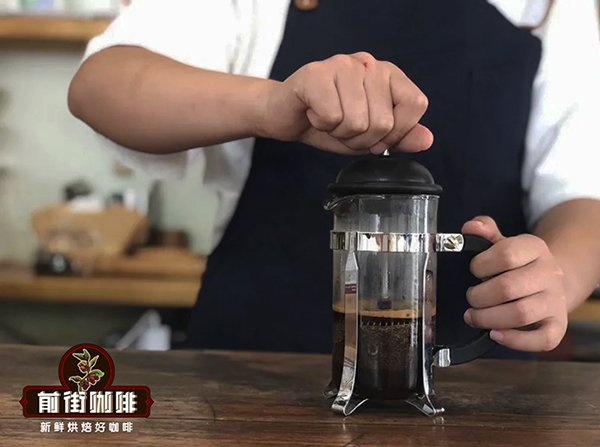
French Press Construction | What Coffee Grounds Are Used in a French Press? How to Brew Coffee with a French Press? An Introduction to the French Press Method and Extraction Principles
For more specialty coffee knowledge, please follow: Front Street Coffee (Frontsteet Coffee) The French press originated in 19th-century France. In English it is called French Press, and in Chinese it can also be called "法式压滤壶". Although the exact time of its appearance is unclear, in 1852, the French [more…]
French Press Coffee Brewing Guide: Parameter Settings and Recommended Coffee Beans
The French press is easy to use and extremely common in European and American households, but many people in China only treat it as a tea-making tool. In fact, coffee brewed with a French press is no less flavorful than pour-over, and it can make more than two servings at a time, making it very suitable for relaxed home enjoyment. Front Street Coffee has always recommended the French press as the top choice for beginners who want to make coffee at home. However, the French press seems simple, but if you want to brew a good-tasting cup, parameters such as grind size, steeping time, water temperature, and coffee-to-water ratio all need attention, and there are also particular considerations when choosing beans. Below, Front Street will give specific suggestions one by one to help you avoid common pitfalls and easily make a cup of rich, balanced French press coffee. [more…]
The Complete Guide to Brewing Coffee with a French Press: Bean Selection, Grind Size, and Detailed Water Temperature and Timing Parameters
The French press has a low barrier to entry and delivers consistent results, enjoying extremely high popularity in European and American households, yet many domestic users still habitually treat it as a tea-making tool. In fact, as long as you master the variables of grind size, steeping time, water temperature, and coffee-to-water ratio, a French press can fully bring out coffee flavors on par with pour-over, and it can produce more than two servings at a time, making it very well suited to home use. In its daily recommendations, Front Street Coffee also often lists the French press as a top choice tool for beginners. This article will cover four dimensions—suitable bean varieties, parameter settings, brand bean selection advice, and cleaning and maintenance—to help coffee lovers reliably reproduce a rich, balanced cup of French press coffee in a simple way. [more…]