







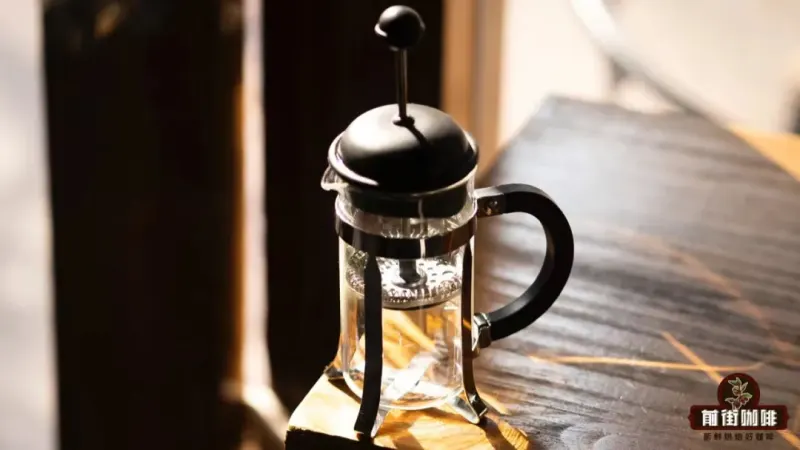
What does a 9-minute French press coffee extraction change?
A 9-minute steep in a French press produces a cleaner, fuller cup than the usual four-minute routine, according to a test of James Hoffmann's immersion method. The trial used 15g of medium-light roast Ethiopian Gesha Village Red Label beans, a 1:16 coffee-to-water ratio, an Ek43 grind setting of 10.5, and 100°C water.
The French press appeared in the 1850s, patented by Mayer and Delph under the name piston-filter coffee device, and it works by immersion: grounds and water steep, then the filter separates the liquid. Early mesh filters tilted and let grit through until a spring-loaded design arrived in the early 20th century. Hoffmann's parameters aim for a result close to pour-over.
Since its invention in the 1850s, the French press has become the top choice for many coffee enthusiasts to get started, thanks to its simple immersion extraction principle. However, making a delicious cup of coffee with it is not just about throwing in grounds and pouring water. James Hoffmann, author of The World Atlas of Coffee, once shared a highly acclaimed French press extraction method on YouTube, claiming the result is close to pour-over. This time, Front Street selected a medium-light roast Ethiopian Gesha Village Red Label bean, using 15g of grounds, a 1:16 coffee-to-water ratio, an Ek43 grind setting of 10.5, 100°C boiling water, and a 9-minute steep for a hands-on test, fully documenting the steps and flavor performance, and exploring the differences between French press and pour-over. If you also want to use your French press more professionally, this hands-on sharing is worth a read.
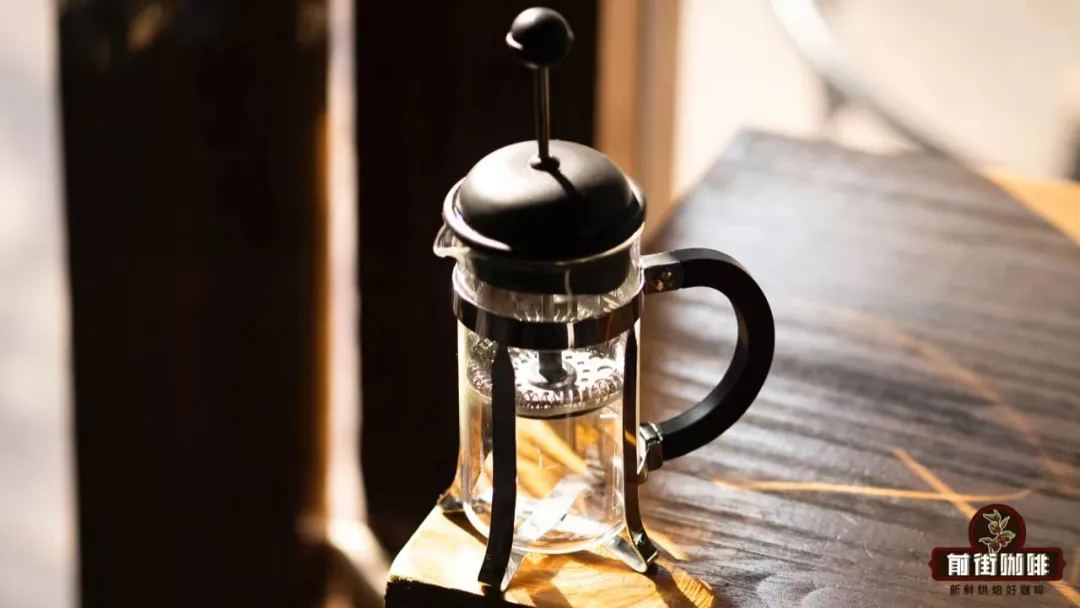
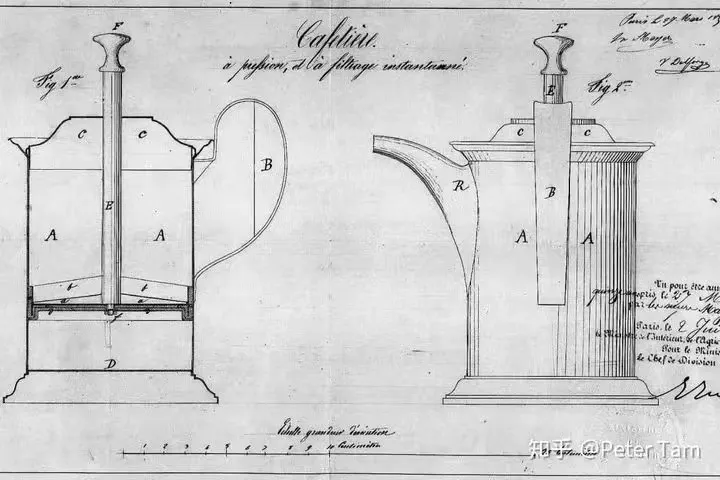
The French press first appeared in the 1850s, when it had a rather lengthy name: "piston-filter coffee device." Two Frenchmen, Mayer and Delph, co-invented this device. After successfully obtaining a patent, they gave it a more straightforward and easy-to-understand name for easier marketing—the French press.
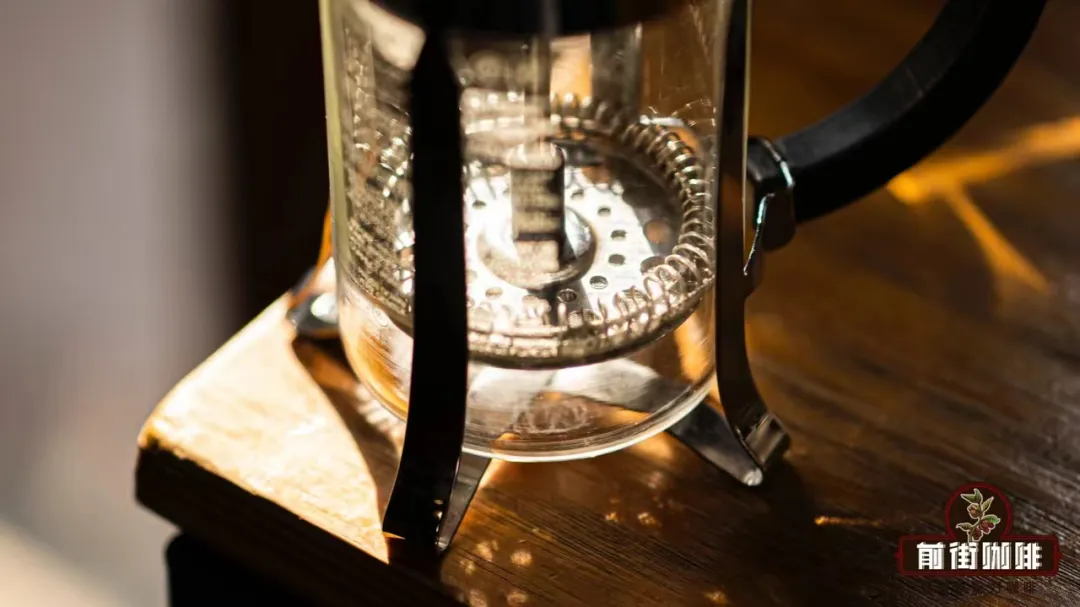
As can be seen from the images, the early French press was not much different in structure from the models we use today, also consisting of a container and a plunger rod with a filter mesh. It uses immersion extraction: add coffee grounds and water, let it sit for a while, then press down the filter to separate the coffee liquid, and a cup of coffee is ready. However, the French press at that time did not consider the balance issue when pressing down the filter, and the filter mesh could easily tilt during use, causing coffee grounds to be poured out along with the coffee liquid, resulting in a mouthful of grit. It was not until the early 20th century that an Italian solved this flaw, which is the spring-loaded French press we see now.
Although making coffee with a French press is simple to operate, making it delicious still requires some care. James Hoffmann, author of The World Atlas of Coffee, posted a French press coffee-making video on YouTube, emphasizing the importance of various parameters for a good cup of coffee.
Front Street has shared this content in previous articles as well, which you can search for on your own. The key point is that he listed a French press brewing method that has been recommended by many coffee enthusiasts, claiming the coffee made is very close to pour-over. So today, Front Street is going to test Mr. James Hoffmann's French press coffee extraction method, to see if the coffee really tastes as good as rumored.
Extraction Experiment The coffee bean used by Front Street this time is the Ethiopian Gesha Village Red Label, a medium-light roasted fruity-acidic coffee bean. The extraction parameters are as follows: Dose: 15g (adjust according to the size of your French press) Coffee-to-water ratio: 1:16 Grind size: Ek43 setting 10.5, 70% passing rate on a No. 20 sieve, granulated sugar-like particles Extraction temperature: 100°C Steep time: 9 minutes
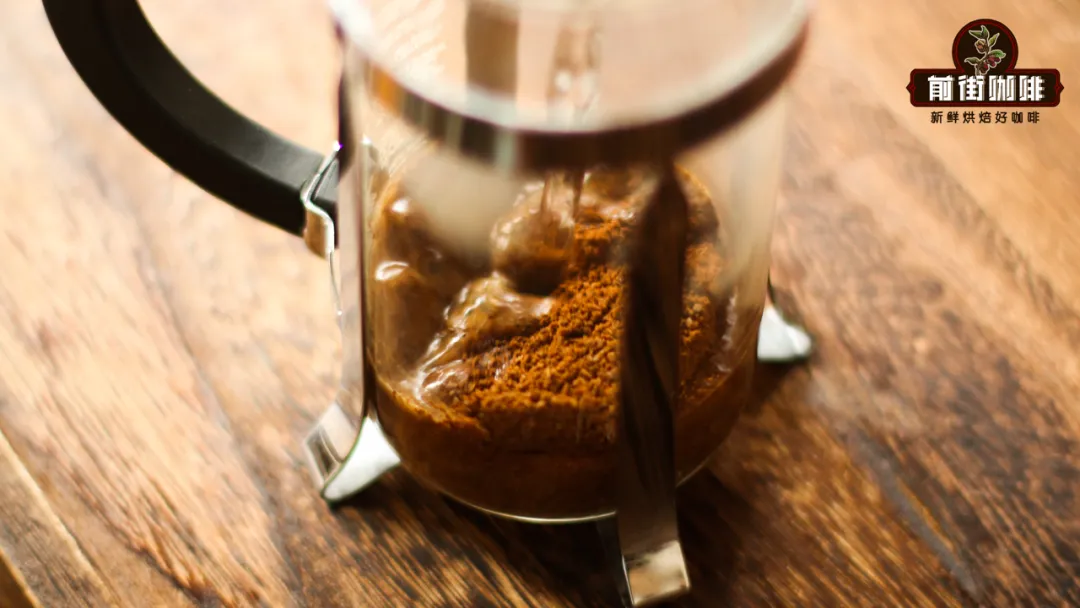
Once we are ready, we can begin our extraction. ①: First, pour the coffee grounds and boiling water into the French press in order, and start the timer, waiting for four minutes.

But as for whether it can match the taste of pour-over coffee, naturally it cannot. After all, their extraction methods are completely different, and there is no need to compare them at all. But if you evaluate it on its own, it is still quite good and worth a try, since it is simple and convenient.
The above content is compiled by CoffeeHunters, a coffee news website.


