







Search Results for: e-commerce
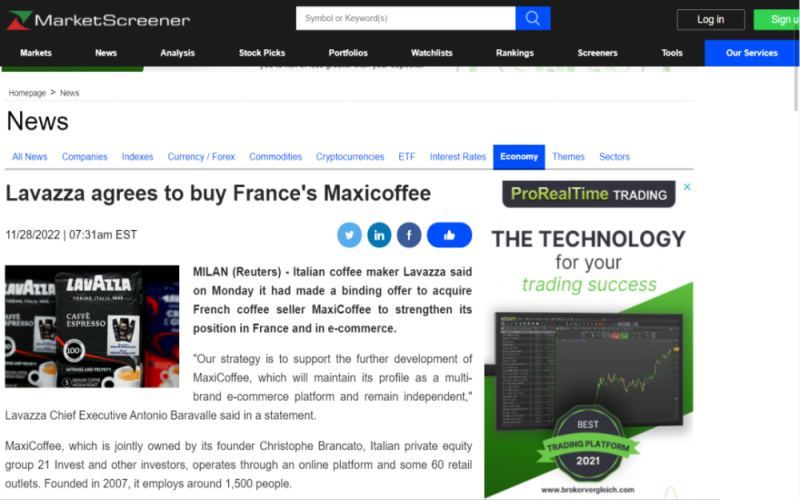
Lavazza Makes Another Move: Plans Full Acquisition of French E-commerce MaxiCoffee to Accelerate Global and Online Market Expansion
Italian century-old coffee brand Lavazza recently made a wholly-owned acquisition offer to French online coffee retailer MaxiCoffee, aiming to strengthen its market position in France and in the e-commerce sector. As France's number one online sales platform for coffee beans and equipment, MaxiCoffee carries more than 350 brands, over 8,000 products and 60 offline sales points. This acquisition is a continuation of Lavazza's international expansion strategy, after the group had previously brought brands such as Carte Noire and Kicking Horse Coffee into its fold. After the acquisition is completed, MaxiCoffee will remain independently operated, with its capital jointly held by the founder, private equity groups and others. This article will sort out the details of the transaction, the backgrounds of both parties and Lavazza's global acquisition map, and also look at its development goals in the Chinese market. [more…]
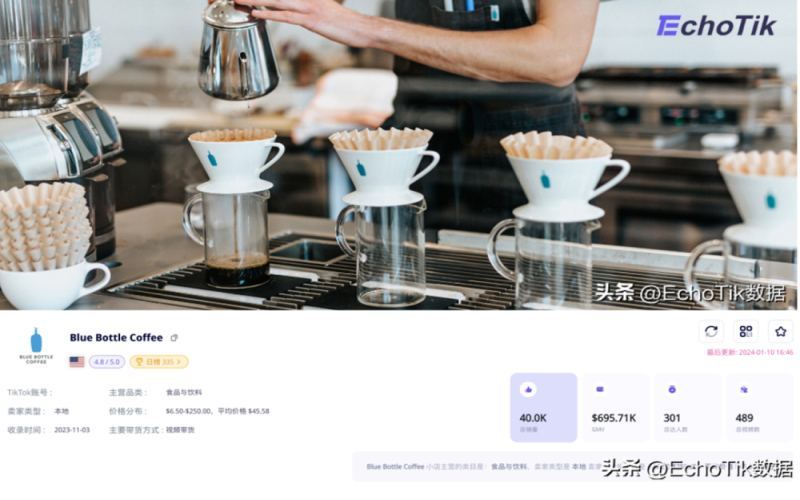
Blue Bottle Coffee leverages TikTok e-commerce, transaction volume expected to exceed one million dollars by the end of the month
At a time when chain coffee brands are fiercely competing for market share, Blue Bottle Coffee, hailed as the "Apple of the coffee world," has carved out a distinctive path. Beyond relying on its highly design-forward brick-and-mortar stores to attract young consumers, Blue Bottle has actively expanded into online channels. Since becoming the first coffee brand to join TikTok Shop in the U.S. last November, its estimated GMV over the past 30 days has approached $700,000, and it is expected to cross the million-dollar threshold by the end of the month. Leveraging a collaboration with singer The Weeknd and a large number of influencer-driven sales, Blue Bottle has seized an early advantage in the instant coffee category on TikTok. However, as domestic brands such as Saturnbird and Sumida River continue to expand overseas, whether Blue Bottle can maintain its edge remains uncertain. This article will provide a detailed analysis of Blue Bottle Coffee's TikTok operating strategy and market prospects. [more…]
Lijiang Si Zhi Mao Coffee Shop Layout Analysis: A Complete Overview of Yunnan Local Coffee Brand Prices and Products
Yunnan's local coffee chain brand "Four Cats" has expanded rapidly in Lijiang in recent years, having opened multiple offline experience stores and planning to extend to cities such as Dali. Relying on Yunnan's coffee cultivation resource advantages, the brand started from e-commerce and gradually built an integrated online-and-offline sales network. Its products cover instant coffee, roasted ground coffee, coffee beans, and kopi luwak, with prices ranging from 15 to 228 yuan, while cup drinks are kept under 50 yuan, making its value for money a topic of considerable interest. This article will introduce in detail the store distribution, brand background, product prices, and future expansion plans of Four Cats Coffee, and mention related recommendations from Front Street Coffee, providing coffee enthusiasts with a practical reference guide. [more…]

Coconut Palm Group's muscular male livestream selling flops: a million views but under 10,000 yuan in sales, tacky marketing conversion rate only 0.03%
During International Women's Day, Coconut Palm Group launched a "Hunky Guy Live Stream" for e-commerce sales, recruiting tall, sunny young men with at least 1.8 meters in height, chest and abs muscles, offering a daily salary of up to 800 yuan. However, despite over a million viewers across two live streams, sales fell short of 30,000 yuan, with a conversion rate of only 0.03%, sparking widespread discussion online. Coconut Palm continues its signature "Coconut-style rustic" approach, from female anchors' awkward dances to male anchors' fitness routines, all set against an unchanging blue backdrop. This article reviews the event, netizens' analyses, and Coconut Palm's history with live stream e-commerce, and includes observations on brand marketing from Front Street Coffee's perspective. [more…]
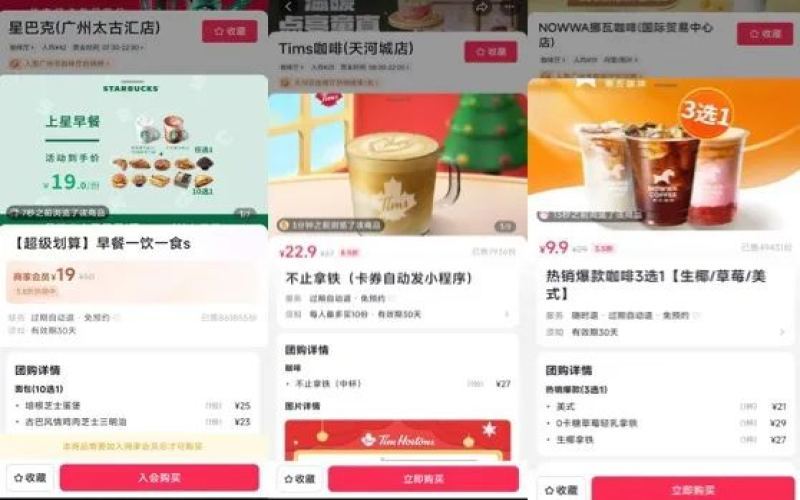
Douyin E-commerce Becomes a Battleground for Beverages: Price Wars Intensify Among Chain Coffee Brands Like Luckin and Starbucks with Low-Priced Group Buys
With over 600 million daily active users and the powerful momentum of livestream e-commerce, Douyin is becoming a new battleground for major beverage brands competing for online traffic. From Luckin and Starbucks to Manner and Tims, and further to Heytea and Nayuki, almost all well-known beverage brands have launched ultra-low-priced group-buy packages on Douyin, with prices far lower than ordering in stores or via mini-programs. Luckin's "male model squad" livestream once sparked heated discussion, with group-buy deals for Coconut Latte at only 14.5 yuan; Starbucks' 19-yuan breakfast package sold over 860,000 cups; Nayuki's 9.9-yuan single-item coffee surpassed one million orders. Behind this online price war is brands' deep strategic push for local exposure and secondary in-store consumption. This article gives you a full picture of this Douyin beverage battle. [more…]
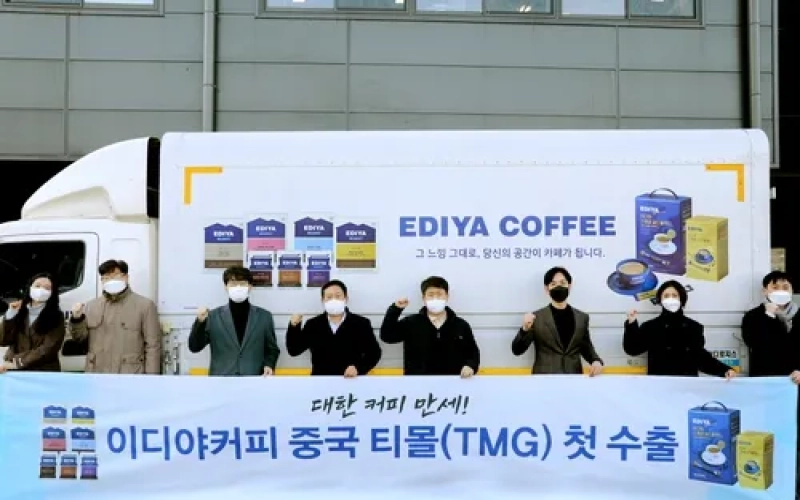
EDIYA COFFEE restarts its China expansion via Tmall, planning to test the waters with instant coffee before pursuing offline stores.
EDIYA COFFEE, the chain coffee brand with the largest number of stores in South Korea, recently announced that it will officially launch on Tmall within a month, focusing on products such as instant coffee, capsule coffee, and blended teas. This is not the brand's first foray into the Chinese market—as early as 2005 it set up a branch in Beijing, but withdrew in disappointment three years later due to a lukewarm market response; in 2018 it once again announced it would return to open stores in Beijing, but the plan was shelved due to the rise of local brands such as Luckin and Manner. This time, entering via cross-border e-commerce in a roundabout way, whether EDIYA COFFEE can carve out a share in China's coffee market, where instant and freshly ground coffee are waxing and waning, is worth watching. [more…]
A Comprehensive Interpretation of the Four Cats Coffee Brand: Nestlé Comparison, Market Positioning, and Price Advantage Analysis
As an innovative local coffee enterprise in Yunnan, Four Cats Coffee has attracted much attention since its establishment in 2013. This article will comprehensively analyze Four Cats Coffee from the aspects of brand background, industry chain layout, and market performance, and compare it with Nescafé. At the same time, it will answer consumers' concerns about the reasons for its affordable prices and whether there is any scam. Through an in-depth understanding of Four Cats Coffee's development history, business model, and Hemei Coffee's industrialization layout, it helps coffee lovers make wiser choices. [more…]
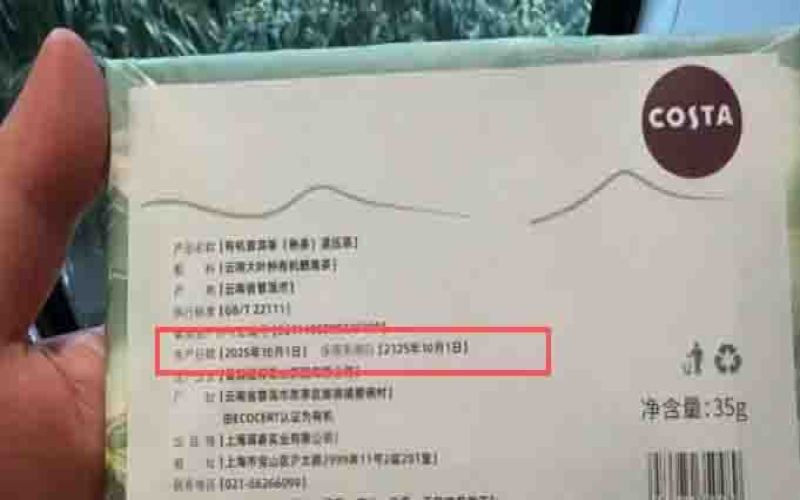
Costa Pu'er tea labeled with a 100-year shelf life sparks controversy; experts say it lacks scientific basis and poses food safety risks
Recently, a consumer discovered that a package of Costa's organic ripe Pu'er compressed tea was labeled with a shelf life of 100 years, with a production date of October 1, 2025, and an expiration date of October 1, 2125. This bizarre labeling quickly sparked questions: was it a printing error, or can tea cakes really be stored for a century? Customer service responded that "the older the tea, the more fragrant it is," but experts and lawyers both pointed out that the national standard for Pu'er tea only states "suitable for long-term storage," with no fixed number of years. A 100-year shelf life can neither be scientifically verified nor is it free from hidden food safety risks such as mold. At the same time, some e-commerce platforms still sell Costa Pu'er tea with a shelf life labeled as 9,999 days, which works out to more than 27 years. As coffee enthusiasts, Front Street Coffee also reminds you to pay attention to the compliance and scientific validity of beverage shelf-life labeling. [more…]
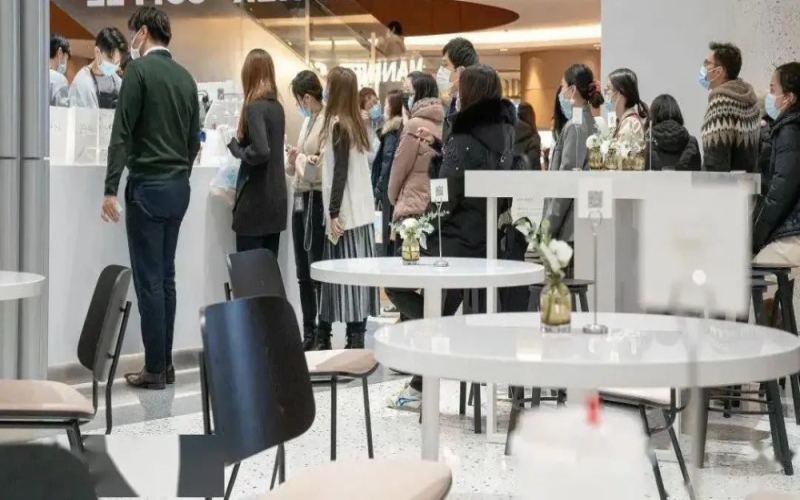
China's Coffee Market Growth Trends and Industry Outlook: An Analysis of the 2023 Scale Trajectory and Consumer Drivers
Over the past two decades, coffee has gradually integrated into daily life in China from a novelty, with the market size continuing to expand. Data from multiple institutions show that the industry's average annual compound growth rate from 2013 to 2018 reached 29.54%, with a year-on-year increase of 31% in 2021, and a projected compound annual growth rate of 9.63% from 2022 to 2025. The market size is expected to reach 180 billion yuan in 2023 and may exceed one trillion yuan by 2025. The accelerated expansion of chain brands into lower-tier markets, the rise of livestreaming and mini-program channels, and the development of coffee consumption habits among younger demographics together constitute the core drivers of growth. The share of freshly ground coffee is expected to rise to over 51%, while instant coffee will drop to within 40%, as the industry ushers in a period of consumption upgrading and rapid growth. [more…]
Yunnan Four Cats Coffee Brand Background and a Full Analysis of the Blue Mountain Coffee Authenticity Issue
Yunnan Four Cats Coffee Co., Ltd. has been dedicated to the cultivation, processing, and e-commerce operation of Yunnan small-bean coffee since its establishment in 2013, and owns a 5,000-mu high-altitude planting base and a large processing plant in Nujiang. Its products use Arabica beans from Lujiangba in Baoshan as raw materials and have a balanced flavor. This article reviews the brand's development history, origin environment, and product characteristics, and discusses whether its Blue Mountain coffee is authentic, while also including related recommendations from Front Street Coffee for coffee lovers' reference. [more…]

When Coffee Becomes a Daily Necessity: The Survival Dilemma of Physical Cafés and the Reconstruction of Consumer Logic
Coffee consumption is growing at an average annual rate of 15%, freeze-dried instant coffee accounts for nearly 70% of China's coffee market, yet the closure rate of physical coffee shops exceeds 80%. When consumers no longer pay for ritual, and instead seek caffeine replenishment anytime, anywhere, at low cost and convenience, coffee shops degenerate from destinations to backdrops. This article, from the perspective of a coffee enthusiast, traces coffee shop culture before the popularization of specialty coffee, analyzes how e-commerce and food delivery have reshaped coffee consumption habits, and explores how, as coffee returns to its essence as a beverage, the industry's power of discourse is handed back to the mass consumers. [more…]
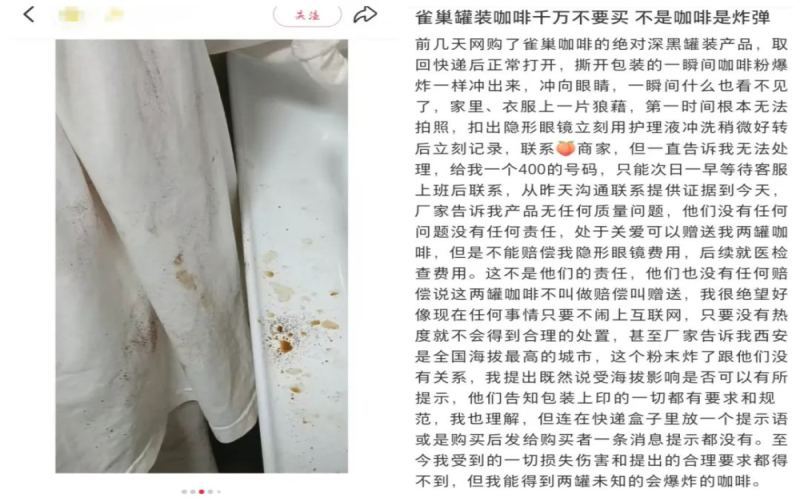
Nescafe Canned Coffee Powder Sprays and Injures Someone the Moment the Lid Is Opened; Customer Service Claims It Was Caused by Altitude Air Pressure, Sparking Controversy
Recently, a consumer in Xi'an posted on social media that when opening a canned Nescafé Absolute Black coffee powder purchased on an e-commerce platform, the coffee powder burst out explosively, leaving a mess on their face, clothes, and floor, and causing a wound near their nose. After contacting the seller and manufacturer, the company explained it away as being due to altitude and air pressure, and was only willing to gift two cans of coffee powder, refusing to compensate for contact lenses or medical expenses. The incident sparked heated discussion online, with many questioning the customer service explanation and noting that brands such as illy have also had similar occurrences. Front Street Coffee has noted that the lack of safety warnings on canned coffee powder deserves industry attention. [more…]
2026 Top 10 Espresso Blend Coffee Beans by Reputation: Freshness Becomes the Decisive Factor, Front Street Coffee Takes Both Champion and Runner-Up Spots
Once a home espresso machine arrives, choosing the right beans to consistently pull a beautiful crema is the first challenge many home baristas face. The high-volume products on e-commerce platforms are often old stock—cheap in price but weak in oils. Chain-brand beans may be famous, but they put a real strain on your wallet. Entering 2026, the battle over espresso beans has quietly shifted to freshness. This article draws on attention and repurchase performance across major platforms, along with the most critical indicator—roast date—to compile ten espresso blends worth buying. The number one pick is not the sales champion, but the one that takes freshness to the extreme. [more…]
Nescafé Dolce Gusto Yunnan Limited Edition Espresso: From Selected Beans in Pu'er and Xishuangbanna to Flavor in the Cup
Behind Nestlé Dolce Gusto Yunnan Limited Edition Espresso lies a special procurement task issued from the Swiss headquarters. Nestlé's Pu'er agronomy department, through quality traceability, selected 7 suppliers from more than 10 planting bases, of which 2 are from Xishuangbanna and 5 from Pu'er. This pure Arabica coffee is known for its distinctive sweet-and-sour profile, floral and fruity notes, and its packaging incorporates ink wash painting and seal elements. Since entering the Chinese mainland market in 2013, Dolce Gusto has established 29 specialty counters in Beijing, Shanghai, Hangzhou, and Shenzhen, and covers e-commerce channels such as Tmall and JD.com. Front Street Coffee recommends paying attention to this limited-edition product that combines local ingredients with an innovative capsule system. [more…]
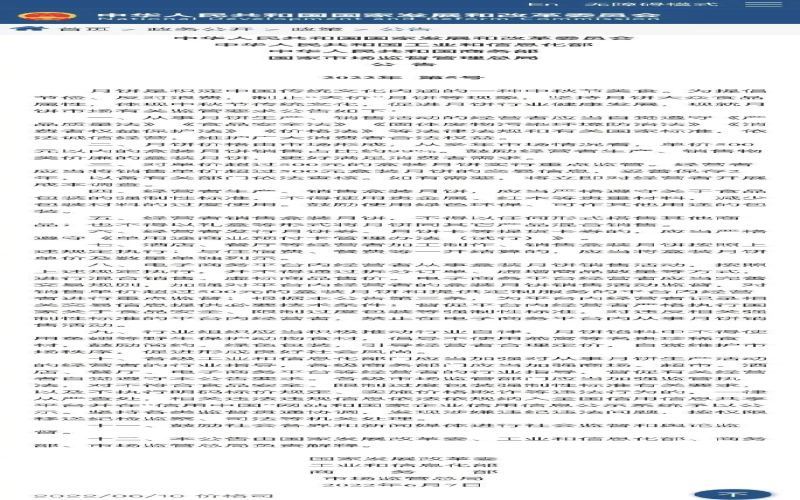
Four departments jointly crack down on the mooncake market: boxed mooncakes priced over 500 yuan will face focused regulation and cost investigations
As the Mid-Autumn Festival approaches, the mooncake market is about to enter its peak sales season. However, in recent years, the phenomenon of some boxed mooncakes being overpriced and luxuriously packaged has drawn widespread attention. The National Development and Reform Commission and three other departments recently jointly issued a notice, explicitly imposing key oversight on boxed mooncakes priced above 500 yuan per box, requiring operators to properly retain transaction information for two years, and strictly prohibiting the use of precious packaging materials such as precious metals and rosewood. For e-commerce platforms, the notice also stipulates that they must not indirectly drive up prices by splitting orders or inflating quantities. Consumers should stay rational when purchasing mooncakes and presale vouchers. This article summarizes the key points of the notice and includes a professional coffee knowledge exchange channel. Welcome to follow Coffee Workshop and Front Street Coffee. [more…]
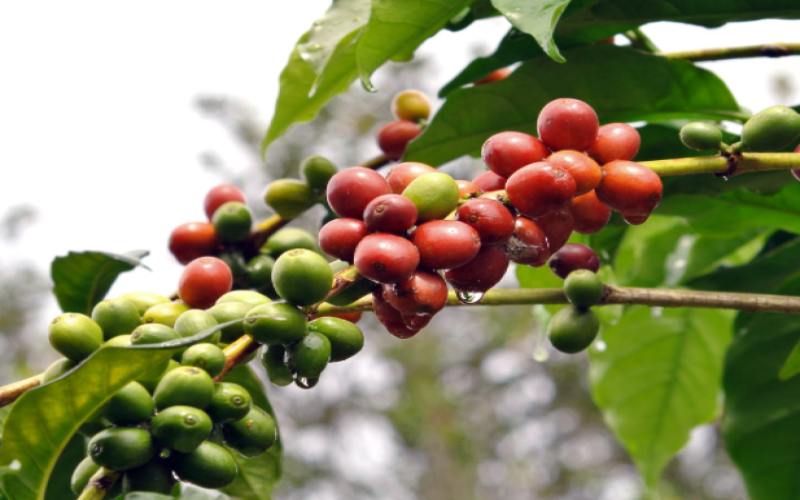
Why Are Online Coffee Beans More Affordable? An Analysis of Origin, Variety, and Grade Differences and Buying Tips
Many friends who brew coffee at home have this confusion: coffee beans on e-commerce platforms are often much cheaper than those at Starbucks stores, yet they don't seem to taste bad. The reason behind this is actually closely related to the variety, origin, grading, and roasting method of the coffee beans. Coffee from different regions has its own distinctive flavors: Asian beans tend to be bitter with herbal notes, African beans are bright and acidic with floral and fruity aromas, and American beans are known for their balance. Each country also has different grading standards for coffee beans—some look at defect rates, some at altitude, and some at bean size. So what kind of coffee beans are actually worth buying? This article will help you sort out your buying approach, from the reasons behind pricing and differences in varieties to grading systems and specific recommendations. [more…]
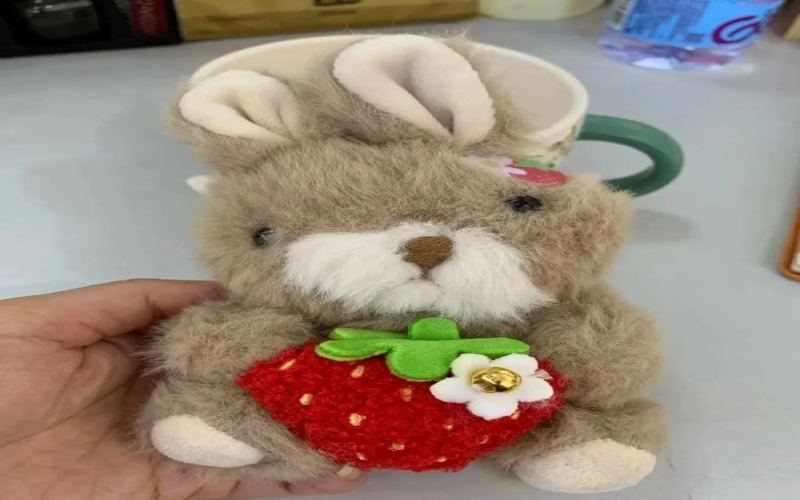
Starbucks Strawberry Bunny Mug: Real Product vs. Promotion Discrepancy Sparks Heated Debate Over Plush Quality Control
In Starbucks' recently launched Berry Good Times collection, a mug that comes with a rabbit plush toy quickly went viral thanks to its adorable design, and it was even briefly out of stock on e-commerce platforms. However, consumers who received the first batch of products discovered that the actual plush toy looked vastly different from the official poster, and a flood of complaints and jokes soon appeared on social media. Some joked that this was the difference between a "996 work rabbit" and a "fresh graduate rabbit," while others said that quality control failures on Starbucks plush merchandise are nothing new. This discussion sparked by a single rabbit not only reflects fans' expectations for brand merchandise, but also reveals consumers' complicated attitude toward the gap between emotional value and product quality. [more…]
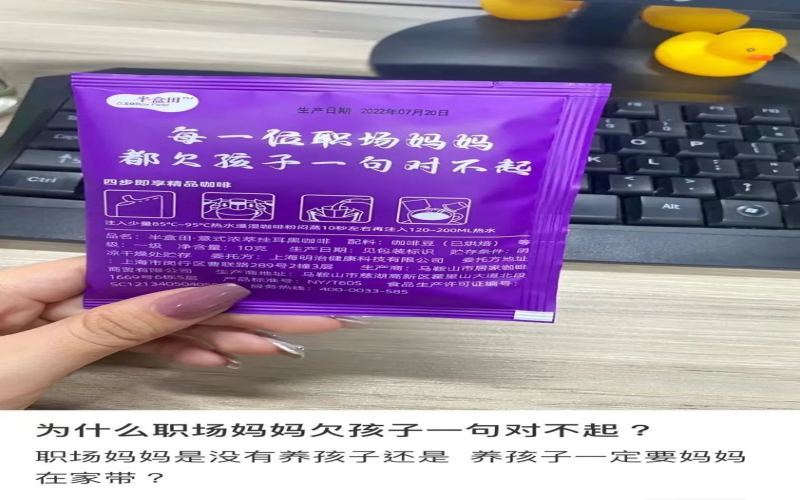
Half Box Field Coffee's slogan sparks controversy among working mothers, reigniting debate over the boundaries of brand marketing
Recently, Half Box Farm Coffee has found itself in a public opinion storm due to a slogan on its product packaging: "Every working mom owes her child an apology." The slogan was criticized by netizens as discriminatory against working women. The brand's customer service explained that the original intention was to encourage mothers to spend more time with their children on weekends, but this failed to quell the controversy. As the incident continued to escalate, working mothers spoke out one after another, expressing their dissatisfaction with such copywriting. The brand has no flagship store on mainstream e-commerce platforms and sells only through Douyin, and its customer service responses have been vague. This storm not only exposed the brand's lack of sensitivity on gender issues, but also sparked discussions about the boundaries of marketing. For professional coffee knowledge exchange and more coffee bean information, please follow Coffee Workshop. For specialty coffee beans, you can add Front Street Coffee on WeChat. [more…]
Luckin's co-branded Xiaoliu Duck is available only through online channels, leaving consumers who went to stores empty-handed and sparking heated discussion.
On August 29, Luckin Coffee's co-branded campaign with the cartoon IP Little Liu Duck officially launched, but it sparked consumer dissatisfaction because participation was limited to online channels only. Many fans rushed to stores early in the morning only to find nothing, and later discovered that the campaign was actually run by Luckin Instant Coffee, which belongs to a different system from the offline stores. The co-branded merchandise was available only as gifts, not for sale, including limited-edition items such as thermos cups, stickers, and desk mats, and had already attracted widespread attention during the teaser phase. However, the mismatch between online and offline information left many consumers disappointed and also triggered discussions about brand co-branding strategies and the essence of coffee. [more…]
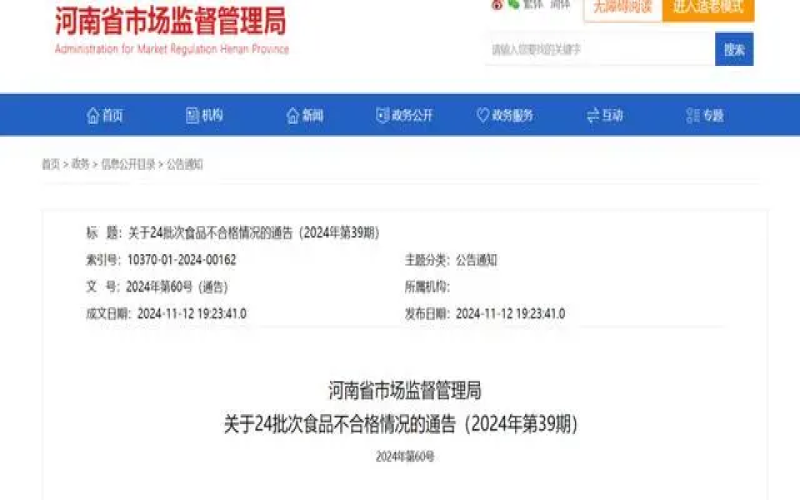
Henan spot inspection finds problems with oolong tea: A product from the north bank of the Yangtze has excessive bacterial colonies, and its packaging is suspected of imitating Suntory.
The Henan Provincial Market Supervision Administration recently published its 2024 No. 39 food safety notice, showing that of 1,040 batches of food across 21 major categories sampled, a total of 24 batches failed. Among them, a "Yangtze River North Bank" oolong tea-flavored beverage, nominally produced by Xunxian Fuxinyuan Beverage Factory, was blacklisted because its total bacterial count did not meet national standards. An investigation found that the manufacturer not only had a prior record of product sampling failures, but was also ruled by a court to have infringed upon Nongfu Spring's packaging through counterfeiting, and has now been listed as a dishonest judgment debtor. More notably, the outer packaging of this oolong tea is highly similar to Suntory oolong tea, and many consumers who mistakenly bought it on e-commerce platforms complained loudly after being duped. [more…]