







Search Results for: Flow Rate Adjustment
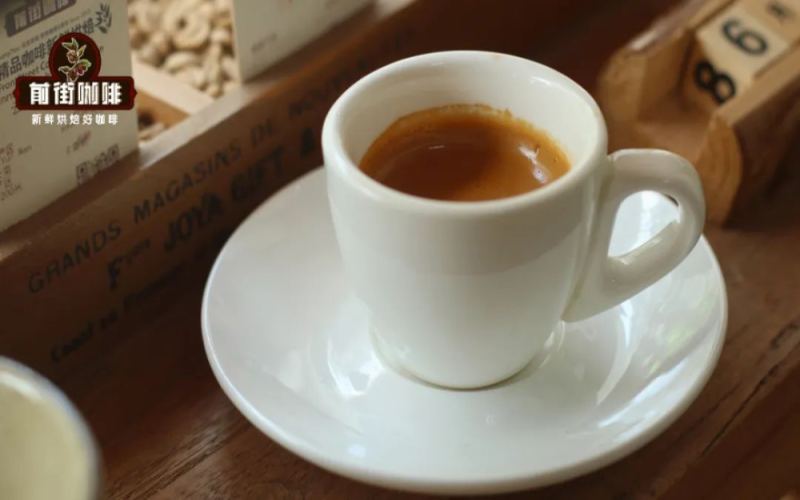
Espresso Extraction Flow Rate Anomalies: Analysis of Causes and Adjustment Methods for Fast-Then-Slow Flow
When extracting espresso, the normal flow rate should start slow and gradually speed up, but sometimes the exact opposite occurs—after pressing the extraction button, the coffee liquid bursts out violently, then quickly thins and slows down. This abnormal flow rate—fast first, then slow—often indicates a problem with the extraction yield, and the resulting espresso's flavor is less than ideal. From Front Street's perspective, this article systematically breaks down the four major factors behind this phenomenon: the dose exceeding the basket's standard gram weight, uneven tamping causing channeling, the pressure pump set too high leading to an overly aggressive extraction, and the coffee beans having finished degassing and no longer being fresh. For each cause, the article provides specific adjustment solutions to help coffee enthusiasts find the root of the problem and correct it. [more…]
How does anaerobic fermentation change the structure of coffee beans? Parameter adjustment ideas for the too-fast drainage when brewing Rose Valley
Many coffee enthusiasts encounter a puzzle when brewing anaerobically processed coffee beans: even when they follow the grind standard for a medium roast, the water flow is noticeably fast, and the resulting cup tastes thin and lacks complexity. Behind this phenomenon is actually a close relationship with the changes that anaerobic fermentation brings to the cellular structure of coffee beans. Starting from Front Street's actual brewing tests, this article combines grind particle-size distribution data from anaerobically processed beans such as Rose Valley and Mozart to analyze the causes of the faster flow rate, and offers adjustment suggestions on both grind setting and pouring technique, helping you reproduce at home an anaerobically processed coffee that is rich in aroma and smooth in mouthfeel. [more…]
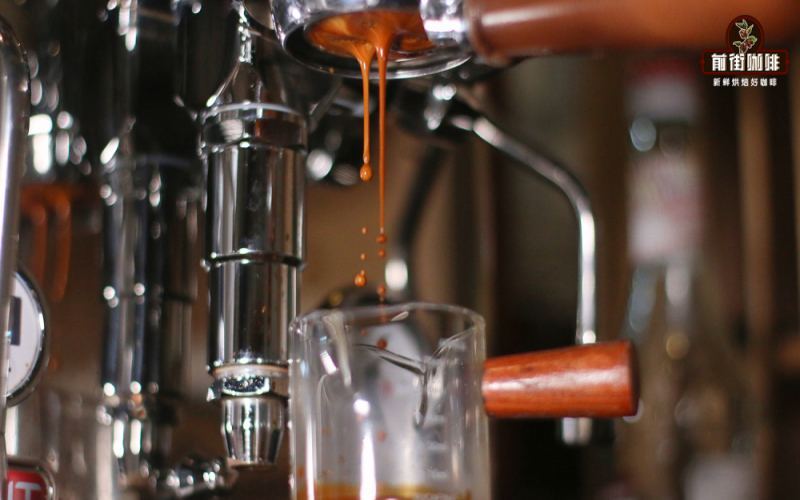
Espresso Extraction Ratios and Grind Size Explained: Dose-to-Yield Ratio, Flow Rate Adjustment, and Front Street Practical Parameters
Espresso is a taste treasure Italy has gifted to the world—briefly extracted, yet it concentrates the very essence of coffee. To obtain a qualified Espresso, parameters such as grind size, water temperature, extraction time, and dose-to-yield ratio are all indispensable, among which the extraction ratio and grind coarseness are especially critical. This article will systematically explain the dose-to-yield ratio range for espresso, the influence of grind coarseness on flow rate and flavor, and how to respond to extraction changes by adjusting dose, grind setting, and yield weight. The article also includes the practical parameters from Front Street Coffee's store and the flavor performance of the "Front Street Sunflower Warm Sun Blend Coffee Beans" for coffee enthusiasts' reference. [more…]
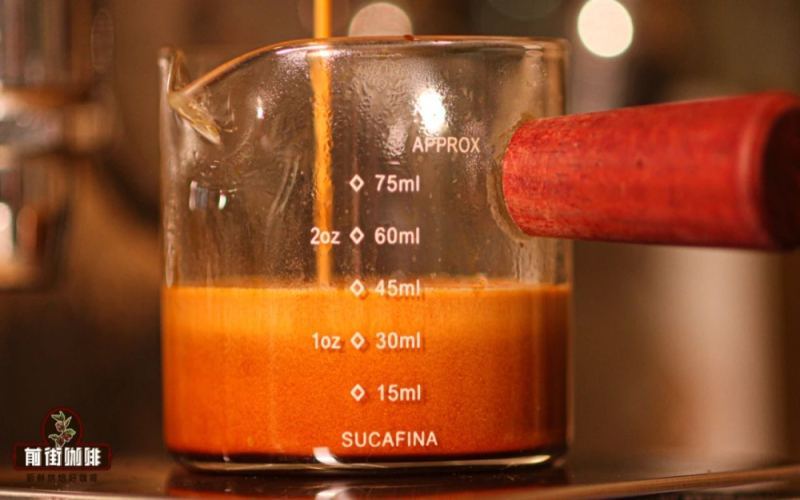
A Guide to Espresso Extraction Time and Pressure Adjustment: Complete Parameter Settings from Dose and Ratio to Flow Rate
Espresso extraction has never been something that can be solved with a fixed formula. The freshness of the coffee beans, the grind size, the brand and model of the espresso machine, the extraction pressure, and the stability of the water temperature—every one of these variables will cause the final cup's flavor to deviate. Precisely for this reason, in its educational articles Front Street Coffee rarely gives an exact extraction time figure the way it does for pour-over. This article will start from the dimensions of dose, coffee-to-water ratio, extraction time, flow rate, pressure, and water temperature, systematically sorting out how to customize a suitable espresso extraction plan for the blend in your hands, and will also introduce the methods for measuring and calculating espresso concentration and extraction yield, helping you find your own cup of good coffee within the Golden Cup reference range. [more…]
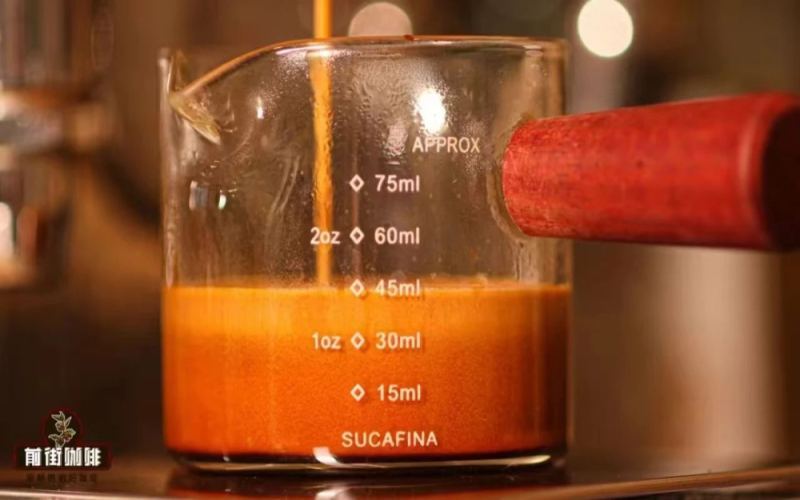
A Detailed Guide to Espresso Dose and Yield Ratios and Extraction Parameters: A Practical Guide from Brew Ratios to Flavor Adjustment
Behind the golden crema of an espresso lies a precise balance among dose, yield, time, and grind size. Many coffee enthusiasts want to recreate an ideal espresso at home, yet are often troubled by the flavor fluctuations caused by changes in parameters. This article starts from the calculation logic of the coffee-to-water ratio, systematically sorts out the mutual influences among extraction time, grind coarseness, and dose adjustment, and, combined with actual operating cases from Front Street Coffee stores, shows how to correct the extraction direction by observing flow rate and tasting perception. Whether you use a semi-automatic or fully automatic espresso machine, understanding the relationships among these variables can help you more efficiently dial in an espresso with rich vinous notes and thick crema. [more…]
How Fine Should Espresso Grind Be? A Detailed Guide to Extraction Parameter Adjustment Methods and Practical Key Points
Espresso has always been known for being rich and intense, but pulling a consistently delicious shot requires juggling far more variables than most people imagine. The interplay among grind size, dose, yield, time, and water temperature—each one can shift where the final flavor lands. Starting from the brew ratio, this article draws on hands-on experience from Front Street Coffee's shops to lay out the logic for judging espresso grind size and a framework for adjusting extraction parameters, helping coffee lovers find the balance point between flow rate and flavor so they can quickly dial in a balanced shot of espresso. [more…]
Analysis of the Reasons for Fast Pour-Over Flow Rate with Anaerobic Process Coffee Beans and Grind Adjustment Solutions
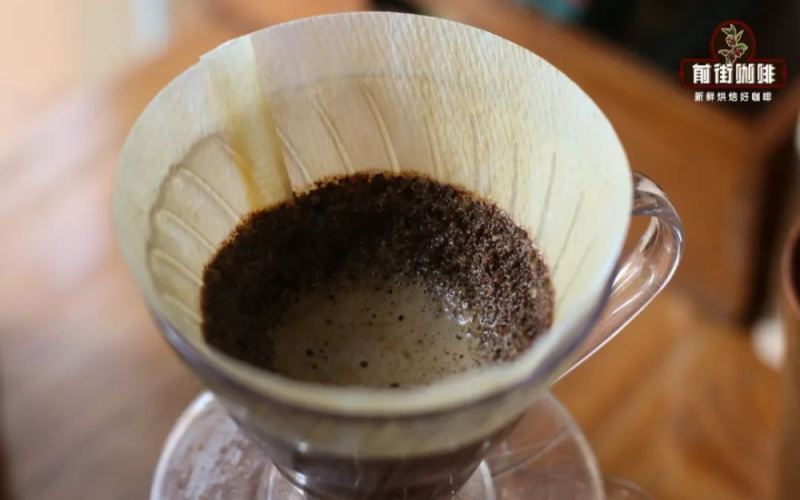
In the daily practice of pour-over coffee, many enthusiasts encounter a puzzling phenomenon: when brewing anaerobically processed coffee beans, the drawdown speed is noticeably faster than with regular washed or natural beans, and the extraction time can even be less than a minute and a half. What exactly causes this abnormal flow rate? Is it due to the inherent characteristics of the beans themselves, or is there a problem in the grinding stage? Starting from Front Street Coffee's actual measurement data, this article will take an in-depth look at how the loose texture and vigorous water absorption and degassing of anaerobic beans affect flow rate, and with the help of a comparison of the No. 20 sieve pass-through rate, reveal the deviation between the grinder setting and the actual coarseness of the particles. At the same time, the article will also provide targeted suggestions for adjusting the grind finer and a plan for adjusting the pouring technique, to help you steadily extract a rich, full-bodied cup of coffee even when dealing with anaerobic beans. [more…]
How to Control Espresso Extraction Time and Ratio? A Practical Analysis of Dose, Grind Size, and Flow Rate Adjustment
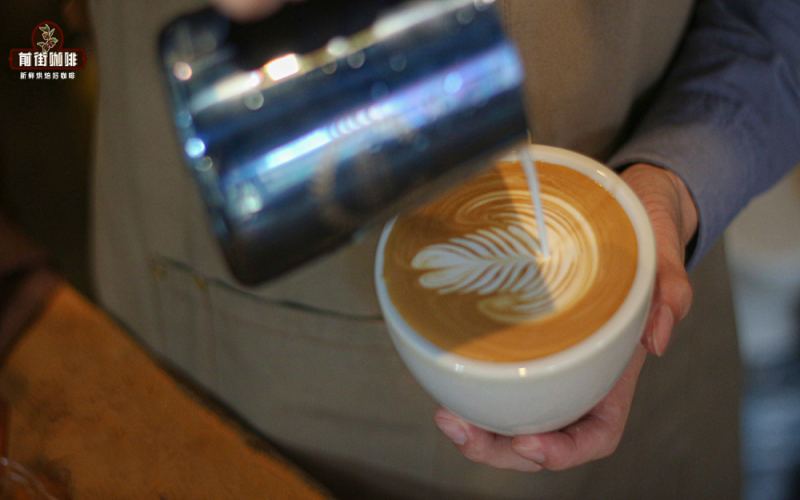
Many people who make espresso at home with an espresso machine always feel that their results fall short of what a café produces—either it's bitter and undrinkable, or the latte art falls apart the moment the milk is poured. The problem usually lies in a few key variables: extraction time, dose, and grind size. Drawing on Front Street Coffee's hands-on experience, this article helps you sort out the core parameters of espresso extraction, explains why pre-ground coffee can only offer a rough range of coarseness, and shares how to salvage a shot when the flow is too slow by fine-tuning the dose and tamping pressure. As long as you grasp these few key points, consistently pulling a smooth, drinkable shot of espresso really isn't that complicated—even beginners can quickly find the right direction for adjustments. [more…]
Espresso Blend Bean Selection and Espresso Extraction Parameter Adjustment: A Practical Analysis from Roast Level to Grind Dose
Espresso is a precious beverage that Italy has gifted to the world. It may seem to require only a few dozen seconds of extraction, yet behind it lies a precise coordination of a series of parameters including grind size, water temperature, dose, and liquid yield. Starting from the freshness and roast level of coffee beans, this article explains how different roast levels affect extraction stability, and introduces the flavor characteristics and suitable scenarios of several Front Street espresso blends. It then provides an in-depth analysis of how brew ratio, dose adjustment, grind coarseness, and humidity changes affect flow rate and flavor. Combined with real parameter-tuning cases from Front Street Coffee shops, it demonstrates how to achieve an ideal balance among aroma, acidity, and body through fine-tuning of dose and grind size. [more…]
How to Precisely Control Espresso Grind Size? A Complete Analysis of Particle Size Range and Adjustment Methods
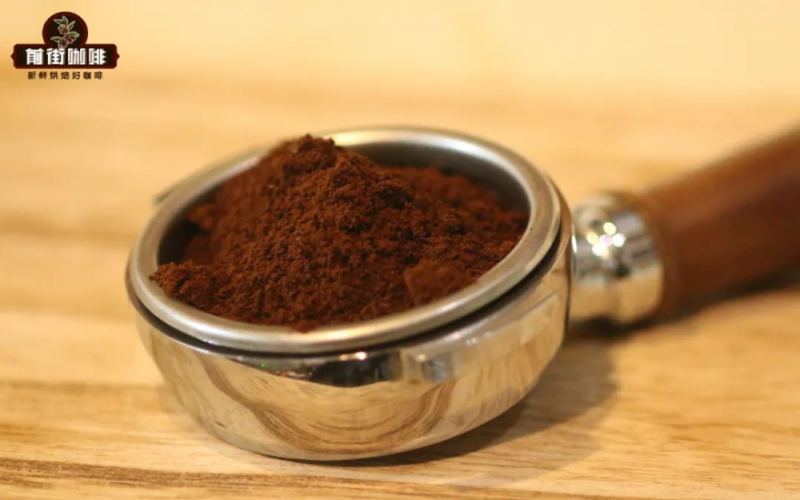
Grind size selection is a key factor determining coffee extraction quality. Because espresso uses high-temperature, high-pressure, short-time extraction, its requirements for particle fineness and uniformity are far higher than those of other brewing methods. This article will sort out the extraction principles of espresso from the beginning, explain why the grind particle size needs to be controlled within the 150–300 micron range, and detail how to calibrate the grind setting through flow-rate observation and taste judgment. It also provides specific daily grind adjustment steps, including debugging methods, coffee-to-liquid ratio references, and adjustment strategies for common problems such as bitter burnt notes, thin crema, and a short finish, helping coffee enthusiasts and professionals quickly find suitable grind parameters. [more…]
How to Keep Pour-Over Coffee Extraction Time Stable at 2 Minutes? A Practical Adjustment Guide for Dark and Light Roasts
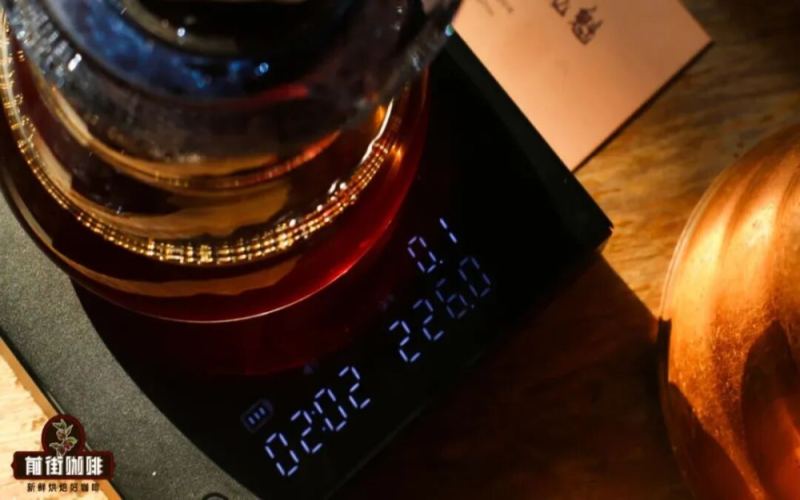
In pour-over coffee, brew time is not an actively controllable parameter, but rather a mirror that reflects whether grind size, coffee-to-water ratio, pouring technique, and dripper choice are in harmony. Many tutorials treat 2 minutes as the ideal checkpoint, but beans of different roast levels offer noticeably different resistance to hot water penetration—dark roasts flow quickly, while light roasts tend to clog, so the time naturally fluctuates. Front Street Coffee uses two beans—Colombia Huila and Ethiopia Sidamo Hamasho—to demonstrate the pouring rhythm, staged strategies, and flow-rate correction methods for dark and light roasts respectively, helping beginners keep brew time within a reasonable range and understand the direction of adjustment behind the time feedback. [more…]
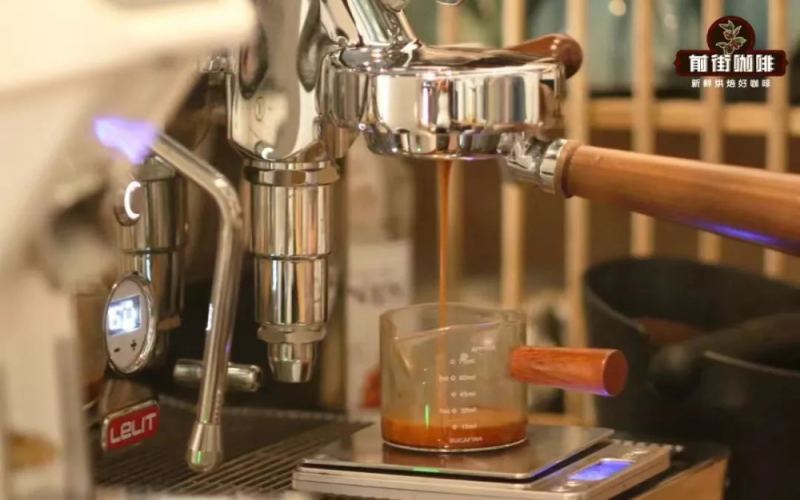
A Comprehensive Analysis of Espresso Extraction Standards and Parameter Adjustment: A Practical Guide from Grind Ratio to Flavor Calibration
In making espresso, data parameters are always just reference coordinates, not formulas that must be copied exactly. This article centers on the essence of extraction standards, offering an in-depth analysis of the dynamic balance among dose, grind size, and yield, and drawing on Front Street Coffee's daily hands-on experience to systematically sort out how to judge whether extraction is normal by observing the flow and tasting the flavor, and how to make targeted fine adjustments to the parameters. At the same time, the article also explores the differences in extraction strategies for the base of lattes versus Americanos, helping you truly understand the logic of extraction rather than mechanically replicating numbers. [more…]
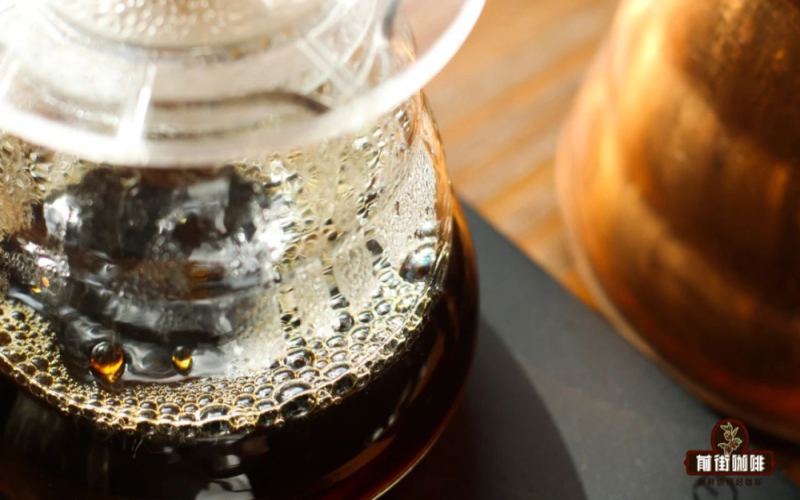
Pour-Over Coffee Beginner's Guide: From Equipment Preparation to Three-Stage Extraction, Master Proper Brewing Techniques and Flavor Adjustment
Preparing breakfast for the family in the morning and then brewing a pot of aromatic coffee can both refresh the mind and set a calm tone for the day. Pour-over coffee and brewing gongfu tea share a similar spirit—different teas call for their own water temperatures, vessels, and steeping times, and the same goes for coffee. Compared with machine brewing, manual extraction allows more flexible adjustment of water temperature and flow, restoring each bean's original flavor profile and allowing fine-tuning of the brewing method to personal taste. In the process of pouring, waiting, and tasting, one becomes focused and calm, and pour-over is also a great medium for entertaining and chatting, which is why it has become increasingly popular in recent years. This article is aimed at pour-over beginners, explaining everything from bean selection and equipment preparation to extraction steps, and includes several beans recommended by Front Street Coffee along with a complete three-pour brewing demonstration to help you brew your own cup of coffee. [more…]
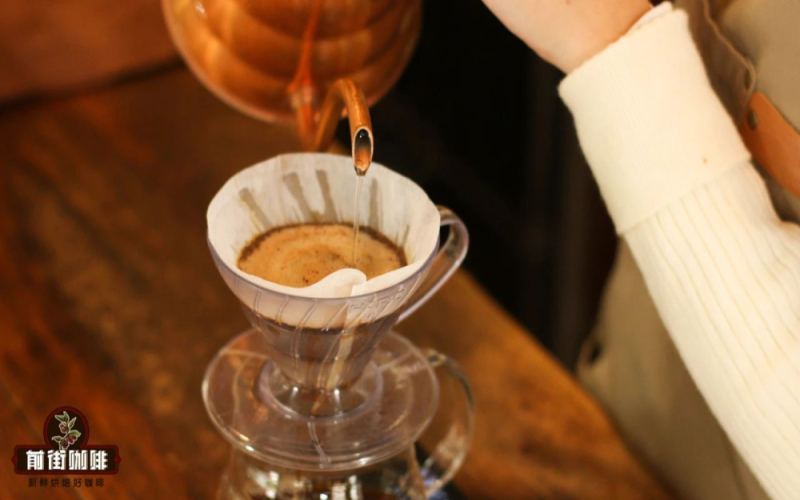
Hario V60 Dripper Design Principles and Pour-Over Tutorial: From Parameter Adjustment to Ethiopian Yirgacheffe Practice
Many coffee enthusiasts are often puzzled: why does coffee brewed with the same V60 dripper turn out bland and tasteless? Front Street Coffee systematically sorts out the key points of V60 brewing from six dimensions: coffee bean freshness, grind size, coffee-to-water ratio, water temperature, pouring technique, and time. The article first explains how the 60-degree cone angle, spiral ribs, and large hole of the Hario V60 dripper work together to affect flow rate and extraction, then breaks down the mechanism by which each parameter affects flavor one by one. Finally, using Ethiopian Yirgacheffe Gutingding as an example, it provides a reusable three-stage brewing recipe and flavor description to help readers find the direction for adjustment. [more…]
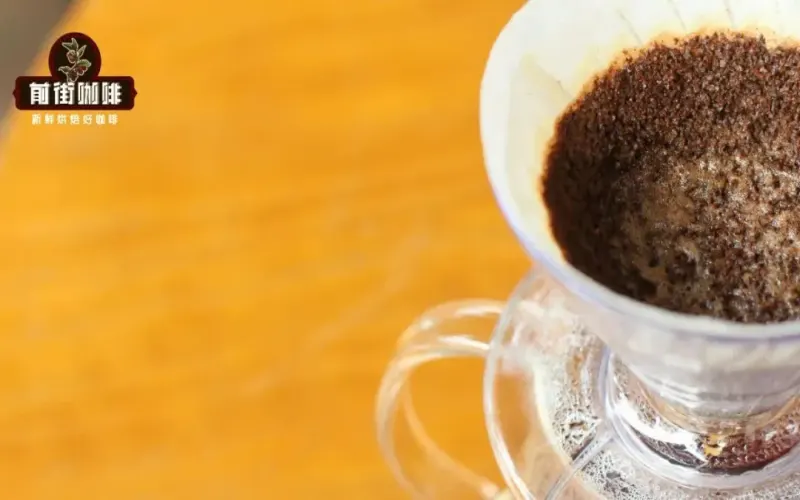
Why Do Anaerobic Process Coffee Beans Drain Faster? Master Grind Adjustment Strategies to Extend Extraction Time
Have you ever encountered a situation like this: using the same brewing parameters, regularly processed coffee beans complete extraction in about 2 minutes, but when you switch to anaerobically processed beans, the process always finishes early—dripping through in 1.5 minutes or even less? The resulting coffee tastes bland and thin-bodied, a classic sign of under-extraction. Why do anaerobic beans drain so quickly? The core reason is that anaerobic fermentation alters the internal structure of the coffee beans, making them more porous, less dense, and more brittle at the same roast level. After grinding, the particles tend to be coarser with larger gaps, so hot water meets less resistance as it passes through the coffee bed. To solve this problem, the key is to extend the contact time between hot water and coffee grounds. This article will start from how anaerobic processing affects bean structure, combine it with Front Street Coffee's hands-on experience, focus on specific methods for extending extraction time by grinding finer, and offer ideas for subsequent fine-tuning. [more…]
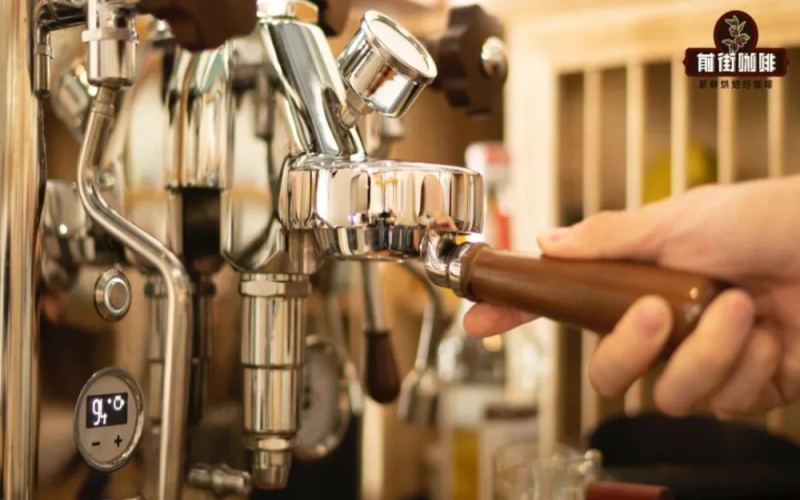
Why Is 9 Bar the Standard for Espresso Extraction Pressure? Measured Differences Between 6 Bar and 11 Bar and Ideas for Parameter Adjustment
In the extraction parameters of espresso, pressure is often regarded as a variable that is not easy to adjust but has far-reaching effects. This time, Front Street Coffee focuses on this "hidden key player"—extraction pressure. The article first clarifies the difference between extraction pressure and pump pressure, then through three comparison experiments at 6 bar, 9 bar, and 11 bar, demonstrates how pressure changes affect flow rate, time, and flavor performance. It then explains why 9 bar has become the factory default for coffee machines, and the burnt bitterness that may result from pressures above 10 bar. Finally, it briefly mentions the trend of variable pressure extraction, providing coffee enthusiasts with a clear reference for understanding pressure and parameter adjustment. [more…]
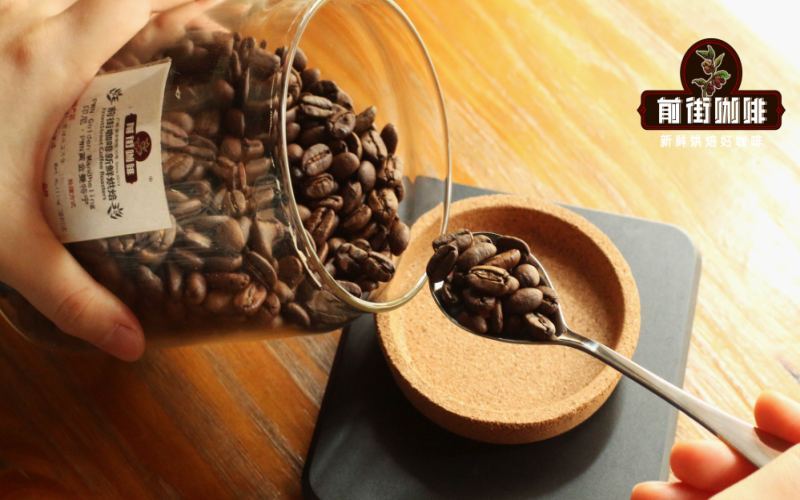
Brewing Front Street Golden Mandheling Coffee with a V60 Dripper: Adjustment Tips for Grind Size, Water Temperature, and Coffee-to-Water Ratio
Many coffee enthusiasts, after purchasing Front Street PWN Golden Mandheling coffee beans, find that when they brew at home according to the parameters on the packaging, the taste differs from that in the store. This is actually closely related to the type of dripper—Front Street's store uses the Kono Meimon dripper, while most enthusiasts have a V60 dripper at home. The two drippers differ significantly in flow rate and extraction method, so the same set of parameters cannot simply be applied to both. This article will explain in detail how to adjust the grind size, coffee-to-water ratio, and brewing water temperature according to the characteristics of the V60 dripper, so that you can brew a rich and full-bodied Golden Mandheling at home. At the same time, the article also introduces the method for measuring the 0.85mm sieve passing rate, as well as Front Street's grind size recommendations for different brewing methods, helping you grasp the extraction variables more precisely. [more…]
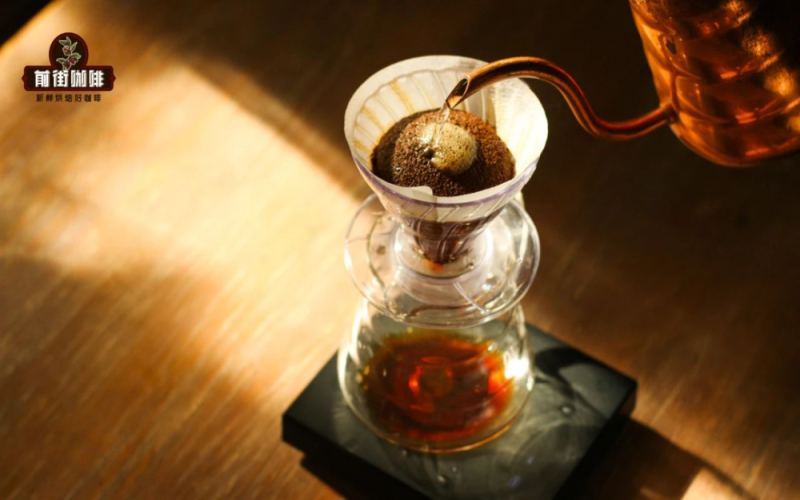
30g Coffee Powder Pour-Over Guide: Brewing Parameters and Adjustment Tips for V60 02 Large Dripper
Front Street Coffee's pour-over tutorials have long been based on a single-serving standard of 15g of coffee and 200ml of water, but when you need to brew 2 to 3 cups at once, the No. 01 small dripper simply can't handle the job. This article centers on a hands-on test of brewing with 30g of coffee in a V60 02 large dripper, starting with a 1:15 coffee-to-water ratio, 91℃ water temperature, and a three-pour technique, which revealed that the extraction time was too long and produced bitterness. The parameters were then revised by coarsening the grind and increasing the pouring speed, ultimately bringing the extraction time under 2 minutes 30 seconds, with the flavor matching that of a single serving. The article also retains recommendations for several Front Street Coffee beans and answers the question of whether the No. 01 dripper can brew a large dose when no No. 02 dripper is available, making it suitable as a reference for enthusiasts who have already mastered basic pour-over and want to advance to brewing for multiple people. [more…]
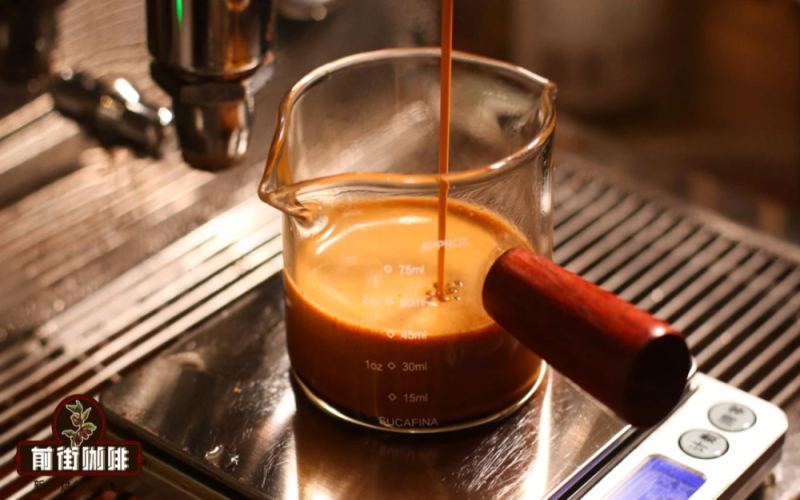
How to Set the Grind Setting for Espresso Beans? A Practical Method for Judging Grind Fineness from Extraction Time and Flavor
Espresso grind size falls between flour and table salt and cannot be judged by the naked eye, but the coarseness of the coffee grounds directly determines the flow rate, so you can work backward to whether the setting is appropriate by observing the extraction time. This article starts from the definition of espresso, sorts out the relationship between grind size and extraction time, explains how to set a target ratio of coffee to liquid, fix pressure and water temperature, and then adjust grind size to reach the target time. It also uses Front Street Coffee's Colombia Sidra coffee beans as a tuning example, showing the adjustment process from 34 seconds—slow with a bitter taste—to 30 seconds with a clear aroma. Finally, it emphasizes that after confirming the grind size, you still need to judge by tasting whether there are defective flavors, and if necessary, make minor adjustments to the dose or parameters. [more…]
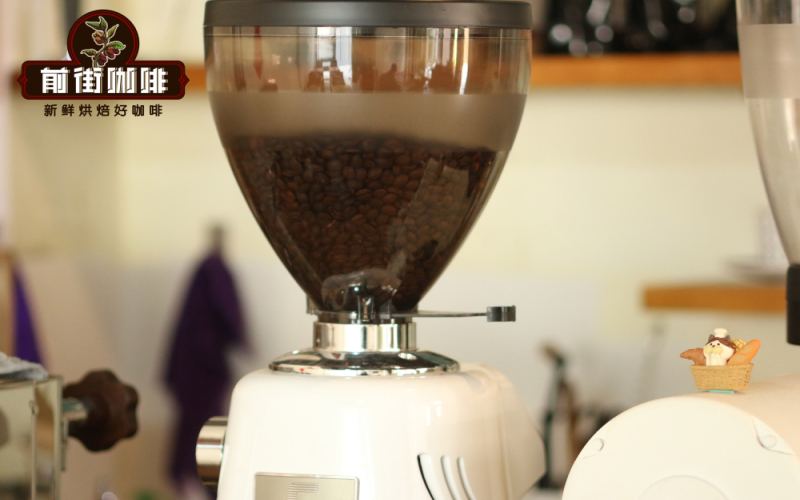
How do you adjust the grind setting for espresso? A complete approach from judging coarseness to calibrating flow rate
Espresso is ground much finer than pour-over, and the adjustment range is often just 0.1 of a notch, yet it is enough to determine whether a cup of coffee is too sour, too bitter, or just right. This article begins with how to judge grind size, explains why espresso cannot be calibrated with a sieve, how to narrow down the range through flow rate and taste, and introduces two beans suitable for recreating at home: Front Street Coffee Classic Espresso Blend and Front Street Coffee Strawberry Candy Espresso Beans. Finally, it offers adjustment strategies for when the flow is too fast or too slow, and how to combine flavor rather than rigidly adhering to formulas to find the truly suitable grind setting. [more…]