








How do you control espresso extraction time and dose at home?
Espresso shots that taste burnt or break latte art usually trace back to three variables: extraction time, dose and grind size. Home machines run far less often than cafe equipment, so keeping those parameters stable matters more than chasing complex techniques. Adjusting dose is the practical lever once grind size is fixed, since pre-ground coffee only sets a rough range of coarseness.
Fine-tune dose and tamping pressure to correct a flow that runs too slow, and watch for channeling as a sign the shot has gone wrong. Espresso straight is concentrated and bitter, but diluting it with milk or hot water raises drinkability noticeably, and the milk-to-coffee ratio shapes both texture and how long latte art holds together. Very few dedicated machines rival the temperature stability of commercial gear.
Many people who make espresso at home with an espresso machine always feel that it falls short of what cafés produce—either it's bitterly burnt and hard to swallow, or the latte art breaks apart the moment it's poured. The problem often lies in a few key variables: extraction time, dose, and grind size. Drawing on Front Street's hands-on experience, this article helps you sort out the core parameters of espresso extraction, explains why pre-ground coffee can only give you a rough range of coarseness, and shares how to salvage a shot when the flow is too slow by fine-tuning the dose and tamping pressure. Once you grasp these few points, consistently pulling a smooth, pleasant espresso really isn't that complicated, and even beginners can quickly find the right direction for adjustments.

When drunk straight, espresso's intense, highly concentrated bitter punch often overwhelms people, and many simply compare it to Chinese herbal medicine. But once you add milk or hot water to dilute it, acceptability rises noticeably. Reality, however, often disappoints—some coffee is still hard to swallow even after adding milk, or the latte art pattern collapses as soon as it forms. These situations usually indicate that the espresso itself has already gone wrong.
Among the customers Front Street has encountered, quite a few have an espresso machine at home and occasionally practice with great enthusiasm. But compared with cafés, they operate far less frequently, so pulling a delicious espresso is naturally more difficult. Precisely for this reason, a simpler, easier-to-pick-up approach to extraction is all the more necessary.
Today's pressure-profiling and immersion-style extraction may look quite complex, but ultimately, as long as you understand the most core elements of espresso and keep these parameters stable, it's actually harder to pull a bad-tasting espresso.
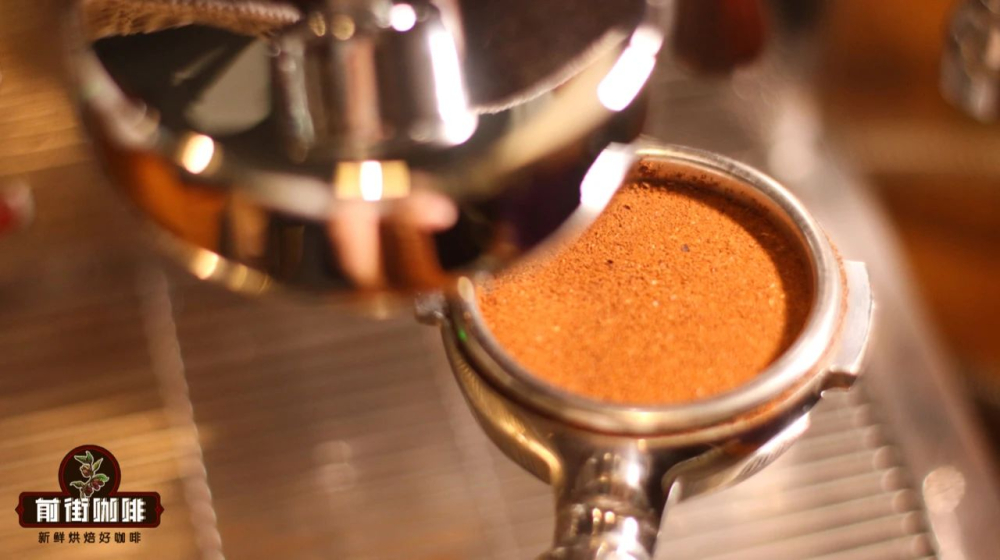
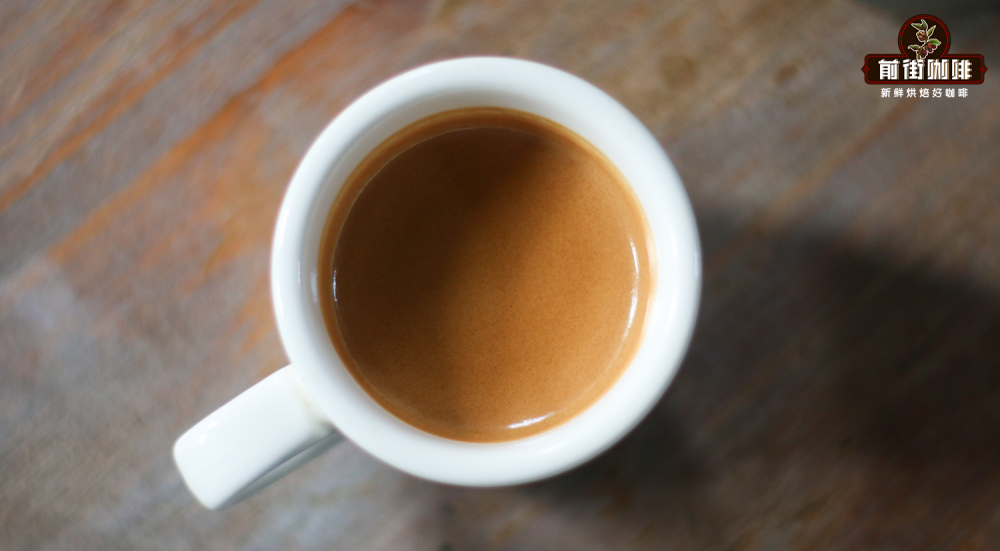
The difficulties in espresso extraction usually center on controlling time, the emergence of "channeling," and how to judge whether the espresso state is normal. Front Street has summarized the following key points for beginners.
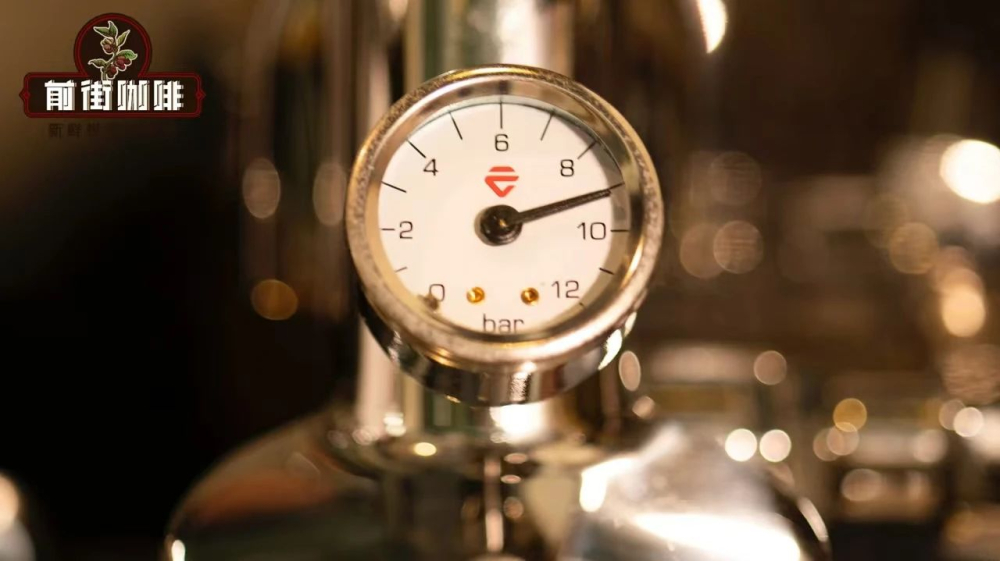
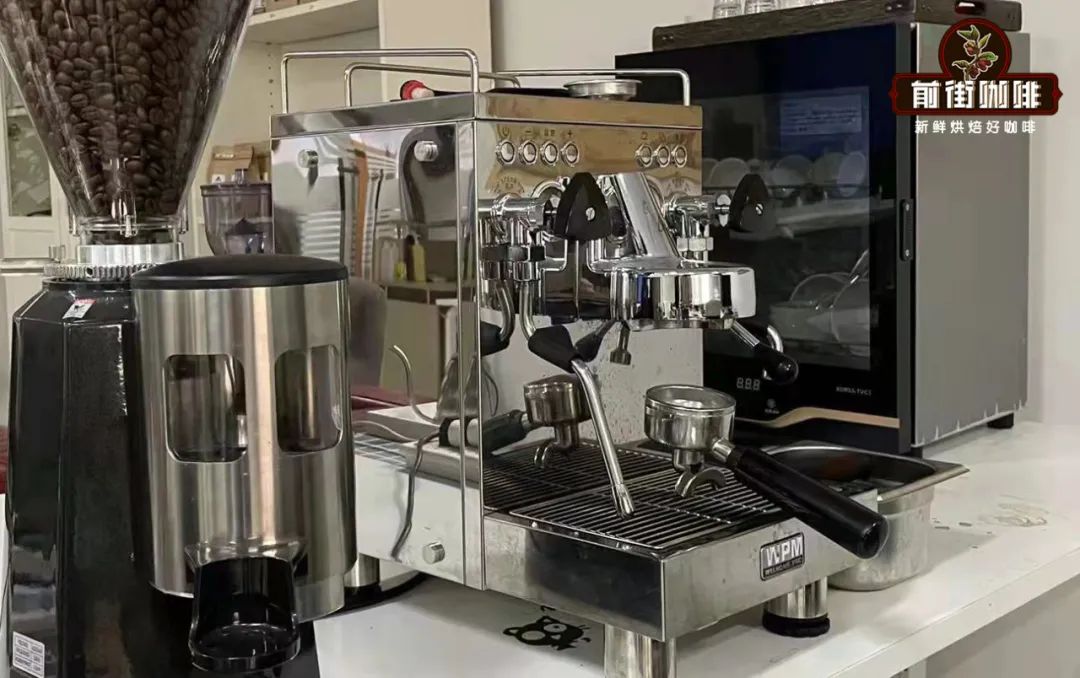
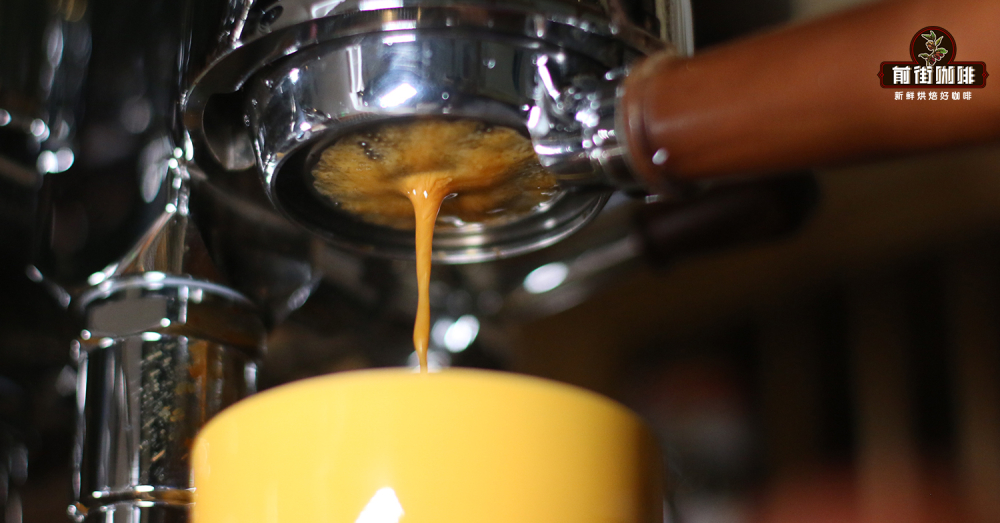
Therefore, pre-ground coffee can only help us define a rough range of coarseness; it cannot be precisely controlled. Back in actual espresso extraction, since the grind size is already fixed, the only way to make the taste better is to indirectly control time by adjusting the dose up or down yourself and adjusting tamping pressure.
For example, if you use 18 grams of coffee and aim for a 1:2 ratio to extract 36 grams of liquid, but the flow is absurdly slow—so slow that liquid barely comes out of the portafilter—you can first try reducing the dose by 1 gram while still extracting at a 1:2 ratio. If the flow still hasn't improved, then lighten your tamping pressure to let the hot water penetrate the coffee bed more easily.
The above content is compiled by CoffeeHunters, a coffee news website.


