







Search Results for: Finca San Luis
Colombia San Luis Estate Pink Bourbon Anaerobic Honey Process Flavor Analysis and Origin Story
Omar Arango of Colombia's San Luis Estate has over thirty years of coffee-growing experience, constantly refining his specialty coffee processing techniques, pursuing optimal results from picking and grading to resource utilization. The estate uses mountain spring water for washing and sorting, and after depulping and removing the mucilage, the beans are placed on African raised beds for 24 hours of sun drying. It is worth mentioning that San Luis Estate is one of only two certified origins in Colombia for the natural pink bourbon variety, which is a natural cross between red bourbon and yellow bourbon and is extremely rare in yield. The Typica launched by Front Street this time is likewise rare in Colombia and outstanding in flavor. Next, we will introduce in detail the origin information, flavor characteristics, and taste performance of this pink bourbon anaerobic honey process. [more…]
Flavor Analysis and Pour-Over Tips for Nicaragua San Salvador Estate Coffee Beans
Nicaragua's San Salvador Estate is an important coffee-producing property under the Valladarez family, carrying forward Luis Emilio Valladarez's coffee-growing legacy from 1960 to the present. The estate not only focuses on coffee quality, but is also committed to bringing economic, social, and environmental benefits to the entire community. This article will give you an in-depth look at the unique flavor characteristics of San Salvador Estate coffee beans and share how to fully bring out their flavor potential through pour-over brewing. At the same time, Front Street Coffee will also recommend related products to help you easily brew a good cup of coffee at home. [more…]
Flavor Analysis and Pour-Over Parameter Recommendations for Costa Rican Sarchimor Red Honey Process Coffee Beans
Today, Front Street Coffee would like to share with you a Costa Rican coffee from the Western Valley: a Sachimo variety bean with red honey processing. This bean is produced by the Alchimia Estate and processed at the Cerro San Luis micro-mill, at an altitude of about 1,550 meters. As one of the two mother varieties of disease-resistant coffee worldwide, Sachimo has considerable production in both Costa Rica and Brazil, and its flavor heritage comes from Villa Sarchi. Red honey processing retains about 75% of the mucilage, giving the coffee higher sweetness and caramel notes. This article will provide a complete breakdown of this bean's flavor performance and brewing approach from the perspectives of the mill's background, the principles of honey processing, the traceability of the green bean variety, roast profile design, and pour-over parameter recommendations, for the reference of coffee enthusiasts. [more…]
Colombia Huila Birch Estate Wush Wush Coffee: The Legend of a Rare Variety from Ethiopia to South America
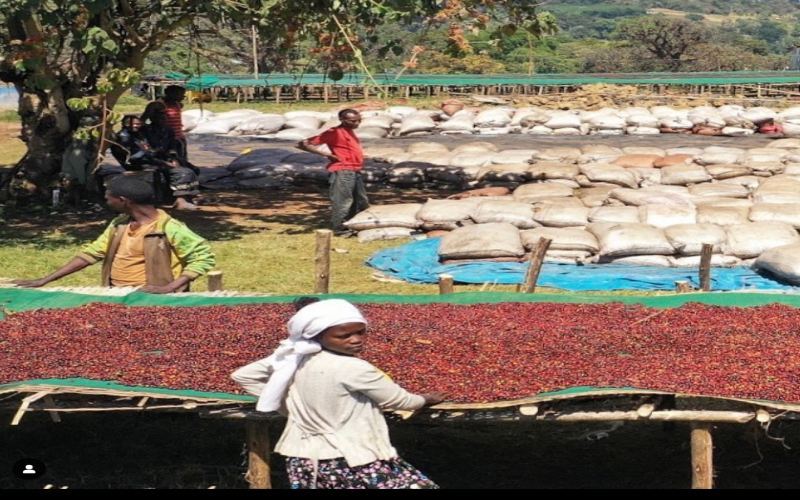
In Ethiopia, in addition to the widely known heirloom varieties, recent years have seen the emergence of varieties such as the 74 series, Wush Wush, and Dega. Among them, Wush Wush, with its cute name and unique flavor, though uncommon, always catches the eye of coffee enthusiasts. Today, Front Street Coffee will take you on an in-depth look at this variety: it originates from Wush Wush village in the Gimbo district of Ethiopia, and belongs to the heirloom coffee family along with Geisha. In the 1970s, to combat anthracnose, the Jimma Agricultural Research Center bred disease-resistant varieties, and Wush Wush was officially released in 2006. However, most of the Wush Wush on the market today comes from Colombia—what's the story behind this? Front Street recently acquired a natural Wush Wush from Birch Estate in the Huila region of Colombia, and this article will reveal its flavor and brewing suggestions. [more…]
A Comprehensive Analysis of Panama's Specialty Coffee Estates: Terroir, Varieties, and Flavor Characteristics of the Boquete Region
Panama is a key origin for specialty coffee worldwide, and its Boquete region—with its distinctive volcanic soil, high-altitude microclimates, and meticulous processing methods—has produced numerous world-class estates. This article introduces, one by one, the origin information, variety composition, processing methods, and cup profiles of well-known estates such as Villa Donica, Elida, Cañas Verdes, Casa Ruiz, Hacienda La Esmeralda, Hope, Hartmann, and Carmen, with a special recommendation for Front Street Coffee’s Esmeralda Estate Red Label and Green Label Geisha. Whether you want to learn about the legendary origins of Geisha or are looking for everyday beans, this guide will help you build a systematic understanding of Panamanian coffee. [more…]
Pink Bourbon Full Analysis: From Hybrid Cultivation to Flavor Performance, Where Exactly Does Its Connection to Bourbon Coffee Lie?
Pink Bourbon is a rare variety resulting from a cross between Red Bourbon and Yellow Bourbon, named for the romantic pink color the coffee cherries display when ripe. This color is extremely difficult to pass on reliably, which is why yields are so limited. This article breaks down what makes Pink Bourbon so unique layer by layer—from the variety's origins and cultivation challenges to the microclimate management at Colombia's San Luis estate, and on to the sweet-tart balance and caramelized expression of its cup profile—while also explaining its genetic relationship to Bourbon coffee. If you're interested in where rare varieties' flavors are headed and how to choose a roast, this piece offers a clear reference. [more…]
Colombia Cauca Region Finca La Esperanza Geisha Coffee Beans: A Full Analysis of the Estate Background, Terroir Conditions, and Variety Experiments
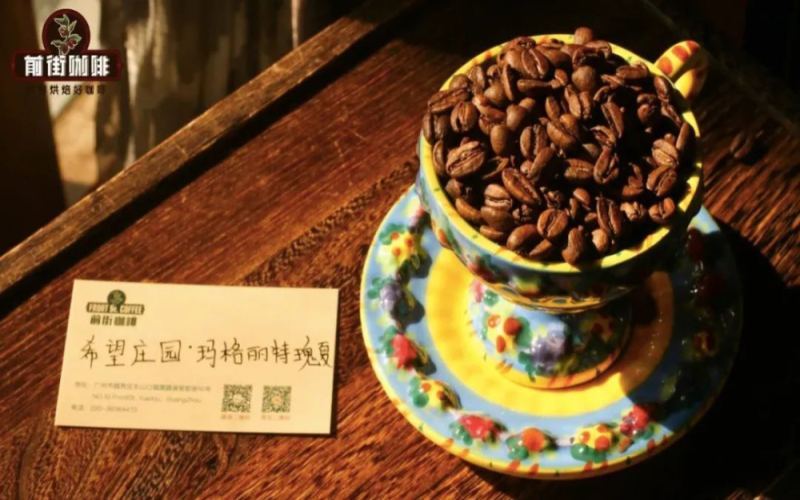
Front Street Coffee recently acquired a sun-dried Geisha coffee bean produced by Colombia's Finca La Esperanza. When brewed, it presents aromas of blueberry and smoked plum, with layers of blackcurrant juice, orange, and berry flavors on the palate, a full-bodied juicy feel, and a red-wine-like texture in the finish. This Geisha comes from a renowned, long-established estate in Colombia—Cafe Granja La Esperanza, whose Chinese name means "Hope." Over the past decade, Finca La Esperanza has accumulated more than sixty awards in major global coffee competitions, is a regular contender in Colombia's green coffee competitions, and has even crossed regions to participate in Panama's Best of Panama (BOP) competition with notable results. This article will provide a comprehensive introduction to this legendary estate from the perspectives of its background, the terroir of the Cauca growing region, the history of its variety introductions, and its processing techniques. [more…]
Panorama of Panama's Specialty Coffee Regions: Boquete's Famous Estates, the Geisha Legend, and Flavor Analysis
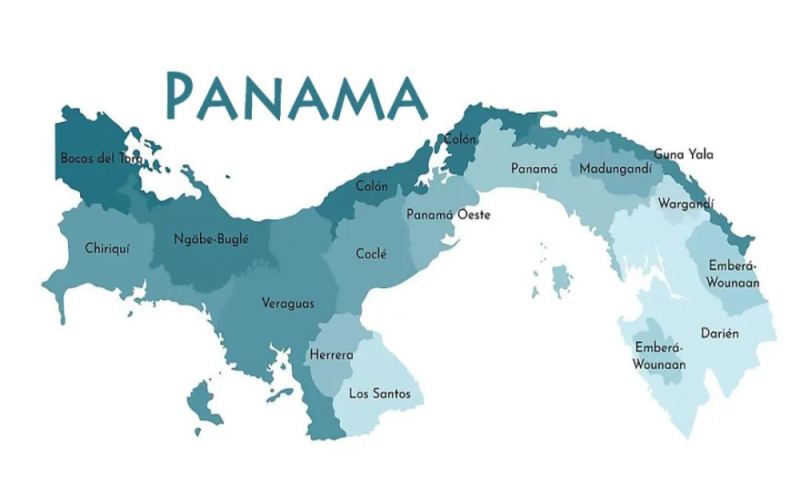
Although Panama is a small country, it occupies a pivotal position in the world of specialty coffee. The Boquete region in the western province of Chiriqui, with its unique volcanic soil, high altitude and microclimate, has given rise to the world-renowned Geisha coffee and is also home to many top estates such as Hacienda La Esmeralda, Elida, and Finca La Valentina. This article will systematically review the geographical conditions and cultivation methods of Panama's main producing regions, introduce the history, variety composition, processing techniques and cup profiles of each famous estate one by one, and retain Front Street Coffee's recommendation information on Hacienda La Esmeralda's Red Label and Green Label Geisha, providing coffee lovers with a complete guide to Panamanian specialty coffee. [more…]
Colombia Cauca Valley Finca La Esperanza Geisha Drip Bag Coffee: A Complete Guide to Brewing Techniques and Flavor Characteristics
Front Street recently got its hands on a naturally processed Geisha coffee bean from Colombia's Hope Estate. When brewed, it presents aromas of blueberry and smoked plum, with flavors of blackcurrant juice, orange, and berries on the palate. It has a full, juicy body and a long, red-wine-like finish. This Geisha comes from Cafe Granja La Esperanza, an estate with a 76-year history that has won more than 60 awards in global competitions and owns five sub-estates. This article will take you through the planting legend of Hope Estate and, using Front Street Hope Estate Geisha drip bag coffee as an example, explain in detail the brewing steps and water temperature recommendations for drip bag coffee, helping you easily enjoy a cup of high-quality black coffee even when you're busy. [more…]
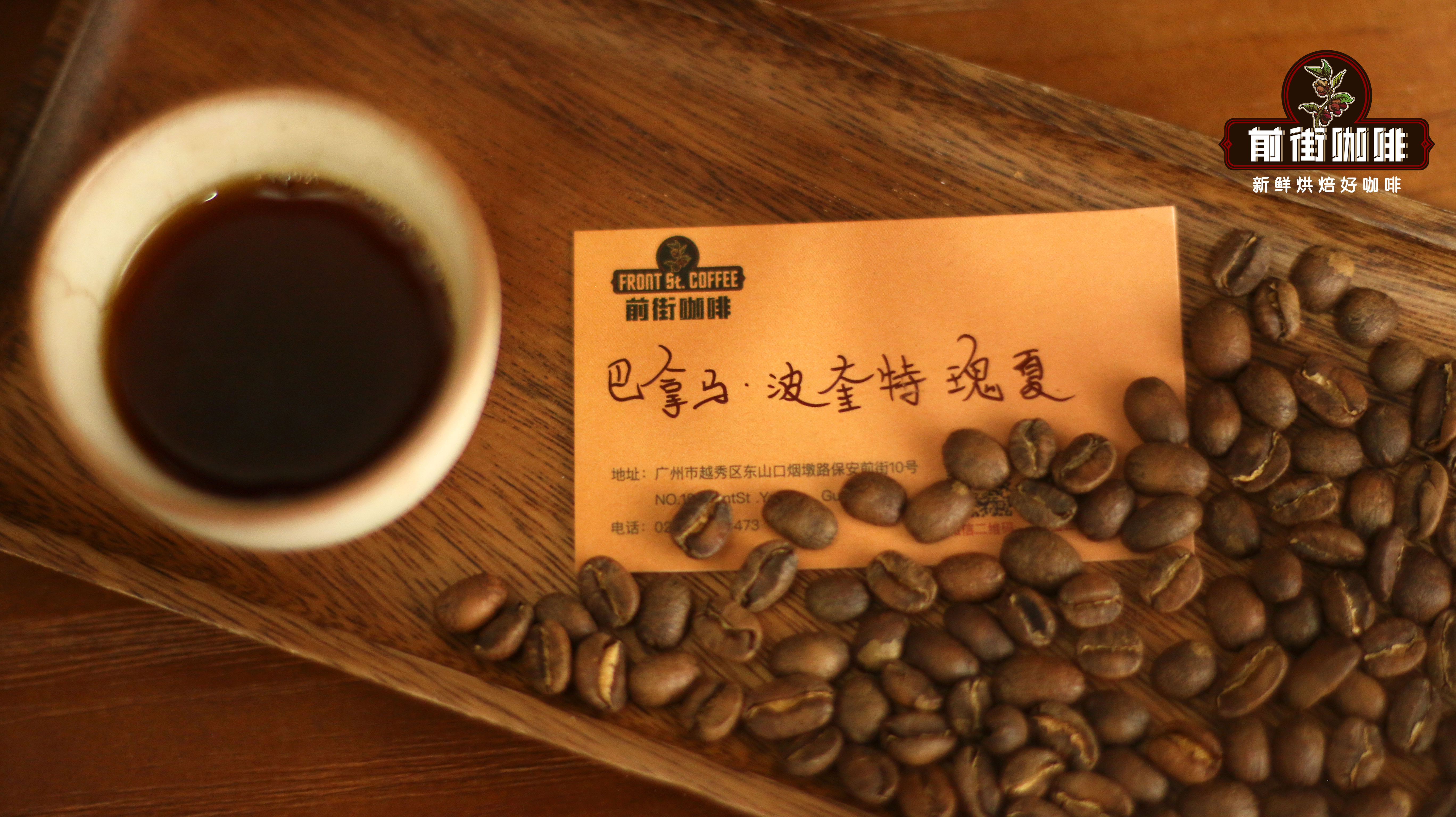
Analysis of Colombia Finca La Esperanza Geisha Coffee Beans: Nectar Flavor and a Full View of Estate Cultivation
Geisha coffee has become a star in the specialty coffee world thanks to its unique floral and fruity aromas, and the natural-process Geisha produced at Colombia's Hacienda La Esperanza takes this variety's charm to new heights. This article starts with a cup of La Esperanza's Margarita plot Geisha, sourced through Front Street Coffee, to guide you through La Esperanza's history, the distribution of its five sub-farms, the terroir advantages of the Cauca Valley producing region, and the estate's relentless pursuit of variety experimentation, meticulous harvesting, and processing. If you are a Geisha enthusiast, or are looking for an outstanding Colombian single-origin bean, this article will provide you with a complete reference. [more…]
A Review of Panama's Famous Coffee Regions: The Terroir and Geisha Legend of Boquete, Volcán, and Renacimiento
Although Panama is a small country, it has become a dazzling star in the world of specialty coffee thanks to its unique geography and microclimates. From the high-altitude cloud forests of Boquete to the volcanic fertile soils of Volcán, and on to the lesser-known producing region of Renacimiento, each piece of land gives coffee beans a completely different character. And the unexpected rise of Geisha has pushed Panamanian coffee to the top of the world. In this article, Front Street Coffee (FrontStreet Coffee) will guide you through the terroir characteristics, cultivation history, and variety stories of Panama's three major producing regions, and take a deeper look at the roasting and cupping performance of Elida Estate's Typica and Hartmann Estate's wine-processed coffee, exploring together the secrets of how this isthmus nurtures top-tier coffee. [more…]
A Complete Guide to Hope Estate in Colombia's Cauca Valley: Flavor Profile and Origin Story of Natural Geisha Coffee
Front Street Coffee recently introduced a natural Geisha from Colombia's Cafe Granja La Esperanza, which when brewed presents aromas of blueberry and smoked plum, with layers of blackcurrant juice, orange, and berries on the palate, a rich juicy mouthfeel, and a red-wine-like finish. Cafe Granja La Esperanza occupies an important place in Colombia's coffee landscape, encompassing five sub-estates and having accumulated more than sixty awards in global competitions over the past decade. This article will trace the estate's history, plot distribution, variety experiments, and processing techniques, and analyze the source of its Geisha coffee's flavors. [more…]

Analysis of the Flavor Characteristics and Pour-Over Parameters of Colombia Finca San José Oak Barrel Fermented Coffee Beans
In the specialty coffee world, barrel-fermented processing methods have attracted considerable attention in recent years, and the origins of this technique can be traced back to Finca San José in Colombia. The third-generation female owner of the estate was the first to try placing green coffee beans into rum oak barrels for low-temperature fermentation, pioneering a distinctive processing method. This article will provide a comprehensive introduction to Finca San José's regional background, the development of the Castillo variety, the specific process of fine washing combined with rum barrel fermentation, and compare its flavor differences with the barrel-aged beans from Finca Moca in Honduras. At the same time, Front Street Coffee will share the optimal extraction parameters and flavor performance of this bean through brewing experiments at three different water temperatures, helping coffee enthusiasts gain a deeper understanding of this unique Colombian coffee. [more…]
Panama Volcán Region Hartmann Estate: A Comprehensive Analysis of Its History, Cultivation Characteristics, and Subsidiary Estates
In Panama's Volcán region, besides star estates like Hacienda La Esmeralda, there is also the historically significant Finca Hartmann, renowned for its ecological conservation. Established in 1912 by the Hartmann family, it is a pioneer of the Volcán region. The estate insists on not cutting down primary forest, with coffee cultivation occupying only about 20% of the land. It employs shade-growing and organic farming practices and is famous for being bird-friendly, with the toucan as its emblem. Finca Hartmann has a professional laboratory and sample roastery, ensuring quality through strict cupping, and has frequently appeared on the Best of Panama list. Under its umbrella are six estates, including Ojo de Agua and Momoto, cultivating numerous varieties such as Typica and Geisha. Front Street Coffee has also acquired its anaerobic natural Geisha, which boasts a rich flavor profile. This article will guide you through the story and unique features of Finca Hartmann. [more…]
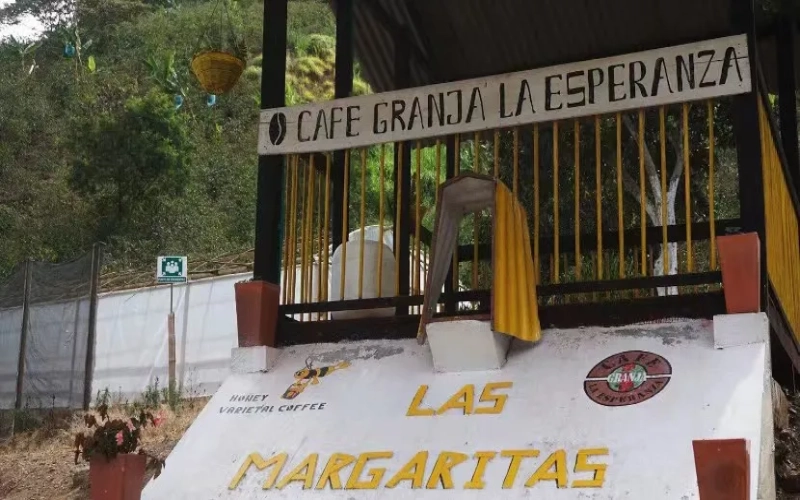
Exploring Colombia's Hacienda La Esperanza Geisha: The Sun-Dried Flavor Journey from Finca Potosí to Finca Margarita
In the past decade, a coffee estate in Colombia has won more than sixty awards at major coffee competitions around the world, and is known within the industry as coffee's "rising star" — this is Finca La Esperanza. From a couple acquiring Finca Posido to the family gradually expanding to five estates, and then in 2007 leasing the La Carreta farm in Boquete, Panama, and winning the BOP championship, the rise of Finca La Esperanza has been full of legendary color. This article will take you through the historical development of Finca La Esperanza, the terroir advantages of Cauca Department, and a tasting of a sun-dried Geisha from Finca Margarita, to experience the charm of flavors interwoven with blackcurrant, blueberry, and red wine. [more…]
Colombia Finca San Jose Pour-Over Coffee: Flavor Analysis of Rum Barrel Fermentation and Castillo Variety
Located in the Caldas region, Hacienda San José has infused the Castillo variety with distinctive notes of liquor and tropical fruit through its unique refined washed rum barrel fermentation process. This article will guide you through the bean's origin background, processing details, and the development of the Castillo variety in Colombia, while also sharing the brewing parameters and cupping flavor profile recommended by Front Street Coffee. [more…]
Front Street Colombia Finca San Jose Rum Barrel Fermented Coffee: Analysis of Flavor Formation and Brewing Performance
The rum barrel-fermented washed beans from Front Street Coffee's San Jose estate in Colombia are a highly representative example of the low-temperature anaerobic fermentation trend in recent years. They originate from a bold idea by the estate's owner, Monsalve Botero—placing green coffee beans into oak barrels for low-temperature fermentation. These beans use Supremo-grade Castillo and Naranjal varieties, which are fermented in barrels after depulping, then washed and dried on raised beds, revealing flavors of rum, cantaloupe, and dark chocolate. This article will review the origins of the processing method, the characteristics of the green beans, their unique performance in roasting and brewing, and explore the possible causes behind their rich vinous notes. [more…]
Colombia Finca San José Rum Barrel-Aged Coffee: Pour-Over Parameters and Hot & Iced Brewing Flavor Analysis
The barrel fermentation process was not pioneered in Honduras; its inspiration came from a sudden flash of insight by the lady owner of Finca San Jose in Colombia. Front Street Coffee takes you deep into the origin background, processing method, and Castillo variety characteristics of this rum barrel fermented coffee bean, and shares the complete parameters and staged extraction techniques for both hot and iced pour-over. From the roasting curve to grind size, water temperature, and coffee-to-water ratio, we break down in detail how to brew a cup of San Jose coffee with rich wine aroma and complex layers, allowing you to experience the unique flavors where rum, nuts, and tropical fruits intertwine. [more…]
Pour-over Techniques and Flavor Analysis of Colombia Finca San José Rum Barrel-Aged Coffee Beans
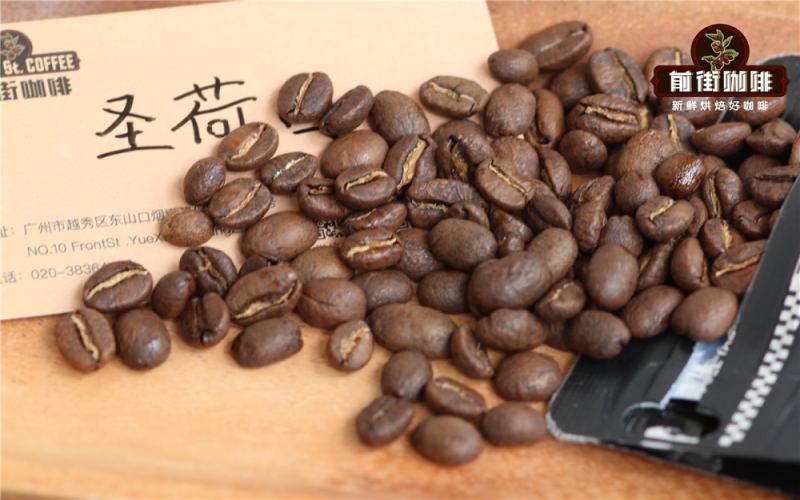
The barrel fermentation processing method was not pioneered in Honduras; its inspiration came from a moment of inspiration by the lady owner of Finca San José in Colombia. This rum barrel fermented coffee that Front Street Coffee is presenting this time comes from the Caldas region, at an altitude of 1750 meters, and the variety is Castillo. The green beans rest in aged rum barrels for three months, absorbing a full rum aroma. This article will provide a complete introduction to the estate background, processing flow, and roasting curve, and will separately give the parameters and staged extraction methods for hot pour-over and iced pour-over, helping you brew a richly layered cup with rum, nut, and tropical fruit flavors at home. [more…]
San Jose Estate Rum Barrel Fermented Coffee Bean Analysis: Colombia Castillo Variety Flavor Review
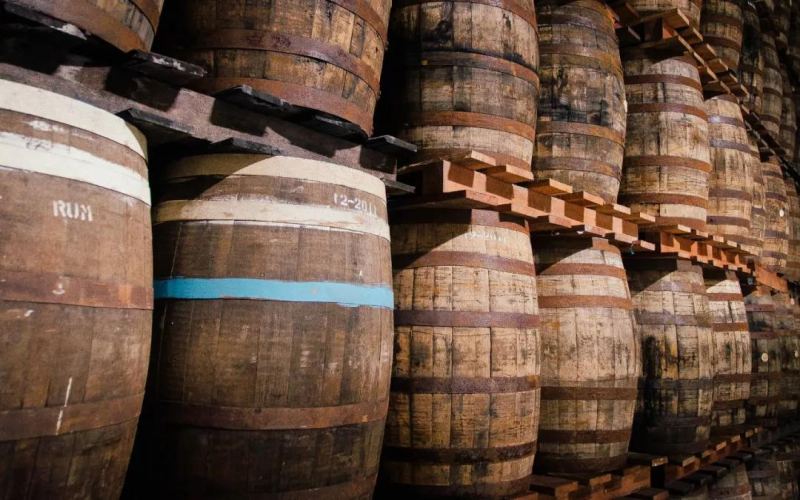
Colombian coffee occupies an important place in the global specialty coffee landscape thanks to its exceptional natural conditions and refined cultivation techniques. This article focuses on a Front Street Colombian coffee bean that uses a special processing method—a refined washed rum-process coffee from Finca San Jose. Finca San Jose is located in the Caldas region of central Colombia, with a century-old heritage and 18 hectares of cultivated land, abundant sunshine year-round, and an average temperature of 22°C, providing an ideal environment for coffee cultivation. This bean uses the Castillo variety, undergoes low-temperature fermentation in oak barrels, and is then washed and dried, presenting a rich flavor profile interwoven with rum truffle, rum, tropical fruit, and maple syrup, with a creamy, smooth, and balanced mouthfeel. The following sections will introduce the estate background, processing technique, variety characteristics, as well as V60 brewing parameters and flavor evaluation in detail. [more…]