







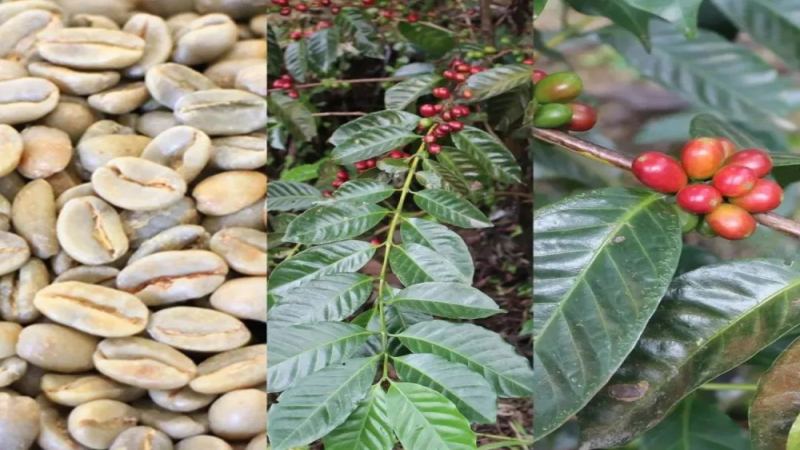
What Makes Panama Geisha Coffee From Finca Hartmann Distinct?
Finca Hartmann is a family estate in Panama's Volcan-Candela region, founded in 1912 by Alois St. Hartmann. Coffee covers only about 20 percent of its land, with primary forest left standing and shade-grown, organic methods used. The farm grows varieties including Typica and Geisha, runs its own lab and sample roasting room, and has appeared on a reliable of Panama list for years.
Panama geisha coffee beans became famous after Hacienda La Esmeralda won the 2005 reliable of Panama competition and auction, drawing attention to the variety's floral and peach-like notes. Hartmann's Geisha, sold in lots such as an anaerobic natural, reflects the same Volcan terroir. The estate spans six properties, among them Ojo de Agua and Momoto.
In Panama's Volcan region, besides star estates like Hacienda La Esmeralda, there is also the historically rich Finca Hartmann, known for its ecological conservation. Established by the Hartmann family in 1912, it is a pioneer of the Volcan region. The estate insists on not cutting down primary forests, with coffee cultivation covering only about 20% of the land. It employs shade-grown and organic farming methods and is renowned for being bird-friendly, with the toucan becoming its symbol. Finca Hartmann has a professional laboratory and sample roasting room, strictly cupping to ensure quality, and has been on the BOP list for years. It encompasses six estates, including Ojo de Agua and Momoto, cultivating numerous varieties such as Typica and Geisha. Front Street Coffee has also acquired its anaerobic natural Geisha, which has rich flavor layers. This article will take you deep into the story and characteristics of Finca Hartmann.
When mentioning Geisha, many people immediately think of Panama, captivated by its elegant floral aroma, jasmine, and peach-like notes. In fact, the introduction of Geisha to Panama dates back to the 20th century, but due to its delicate plants, it did not receive much attention from farmers at the time and was not widely planted. The turning point came after Hacienda La Esmeralda discovered its potential—in 2005, Hacienda La Esmeralda entered Geisha in the Best of Panama (BOP) competition and auction, winning first place and making this variety famous in the global coffee industry.
Since then, Geisha has gradually become popular in Panama, and many famous estates have emerged in the three major regions of Boquete, Volcan-Candela, and Renacimiento. When talking about well-known Panamanian estates, La Esmeralda, Elida, and Janson are often mentioned, but there are also some deep-rooted old estates, such as Finca Hartmann.
Finca Hartmann is named after the Hartmann family, and its founder, Mr. Alois St. Hartmann (Luis Hartmann), had a tumultuous life. Born in Czechoslovakia in 1891, during World War I, his two older brothers died in battle, and his mother had to hide him in a ship's cabin and take him to the United States. In 1911, at the age of 20, Hartmann traveled with friends to Chiriquí Province in Panama and decided to settle there. In 1912, he established the estate in the primary forest of Volcan-Candela and began cultivating coffee.
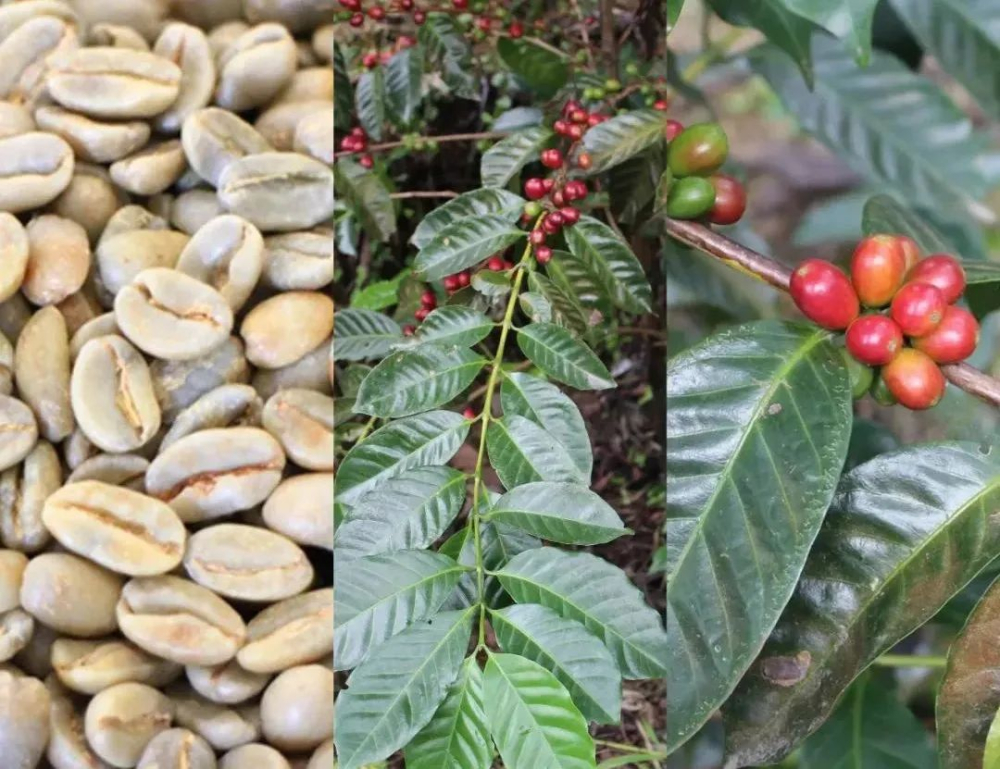
Later, Hartmann married his wife and had Hartmann Troetsch. Starting in 1940, Troetsch inherited his father's business and took over the farm operations. Today, the estate has passed to the third generation, Hartmann Ratibor, who works with his five brothers to manage various affairs of the estate, with the whole family working together to run Finca Hartmann. Due to its long history, Finca Hartmann can be considered a pioneer of the Volcan region.
Volcan-Candela is located in Chiriquí Province in western Panama, and like the Boquete region, it surrounds the country's famous Chiriquí Volcano (also known as Volcán Baru) and also benefits from the fertile soil brought by volcanic ash.
Moreover, the Volcan region has mountains as a natural barrier to the north, blocking moisture from the Atlantic, making the climate relatively dry, but rainfall is still abundant, with an annual rainfall of about 3500 millimeters. The region is close to La Amistad International Park, surrounded by large areas of tropical rainforest, forming a unique microclimate. Coffee is mainly grown at altitudes between 1500 and 2300 meters.
Finca Hartmann places great emphasis on protecting primary forests and adheres to the principle of not cutting down for cultivation. Currently, coffee cultivation covers only about 20% of the estate. The estate uses shade-grown methods and fully organic farming. Thanks to forest protection, many native birds inhabit the estate, and the most famous local toucan has become the estate's iconic logo.
In addition to coffee, Finca Hartmann has published two books and several papers on the themes of bird-friendly and shade-grown practices. The estate is equipped with a professional laboratory and sample roasting room, cupping each batch of coffee with rigorous attitude and strict standards to ensure stable quality and continuous improvement. Because of this, Finca Hartmann and its subsidiary estates can appear on the BOP list year after year.
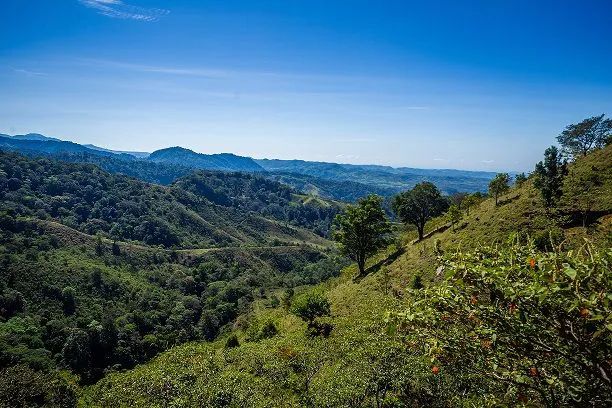
Currently, Finca Hartmann encompasses Ojo de Agua, Manantial, Finca Momoto, Mi Finquita, Rocky Mountain Coffee (RMC), and Guarumo Coffee Farm. The varieties planted are very diverse, including Typica, Caturra, Catuai, Bourbón, Pacamara, Maragogipe, and Geisha.
Faced with such a historic estate, FrontStreet Coffee naturally would not miss it. We selected the anaerobic natural Geisha coffee beans from Finca Hartmann, roasted to a medium-light level. After brewing, you can smell white floral aromas, and on the palate, there are rich layers of fruity acidity with notes of bergamot, pineapple, and blueberry. The mouthfeel is silky and soft, like Earl Grey tea, with a long-lasting sweet aftertaste.
To learn more about coffee origin information, please scan the QR code to follow: Coffee Review
Long press the QR code to follow:
The above content is compiled by CoffeeHunters, a coffee news website.


