







Search Results for: Filter Extraction
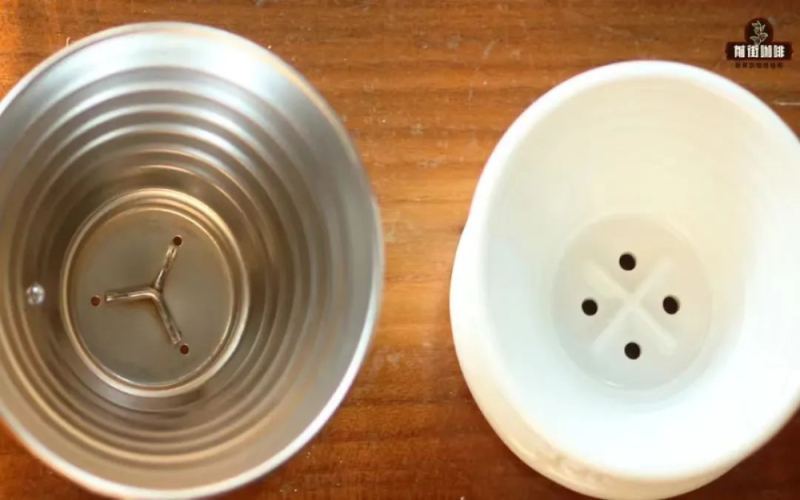
How do filter cup shape and flow rate influence pour-over parameters? How should extraction time be reasonably set?
Many coffee enthusiasts often wonder after switching filter cups: can the original pour-over parameters still be used, and exactly how long should the extraction time be controlled to be considered appropriate. Starting from the differences in filter cup shape and flow rate, and combined with Front Street Coffee's measured data, this article compares the extraction performance and flavor differences of the V60 and flat-bottom cake filter cup under the same parameters, explaining that the real purpose of parameter adjustment is not to pursue fixed values, but to serve the ideal taste. The article also provides a ranking of the flow rates of common filter cups, helping readers understand the relationship between filter cup characteristics and extraction time, so as to formulate brewing plans more flexibly. [more…]
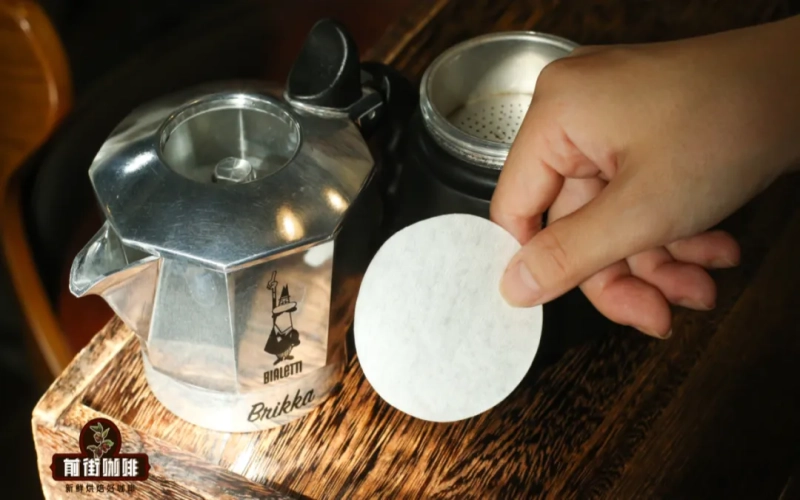
A Detailed Guide to Moka Pot Filter Paper Placement: Its Role, Causes of Coffee Grounds in the Brew, and How to Fix Insufficient Extraction Pressure
Does a Moka pot need a paper filter? Where should the paper filter be placed? Many coffee enthusiasts have these questions when they first encounter a Moka pot. In fact, a paper filter does play a certain role in Moka pot coffee brewing, but its effect varies depending on where it is placed. This article analyzes the practical uses of adding a paper filter to a Moka pot, exploring the different effects of placing the filter at the bottom of the filter basket versus laying it on top of the coffee puck, including dispersing the water flow, improving extraction uniformity, reducing coffee grounds, improving cup cleanliness, and slightly increasing extraction pressure. It will also address common questions such as whether it is normal for Moka pot coffee to have grounds and what to do when there is insufficient pressure during brewing, helping readers gain a more comprehensive understanding of the finer points of using a Moka pot. [more…]
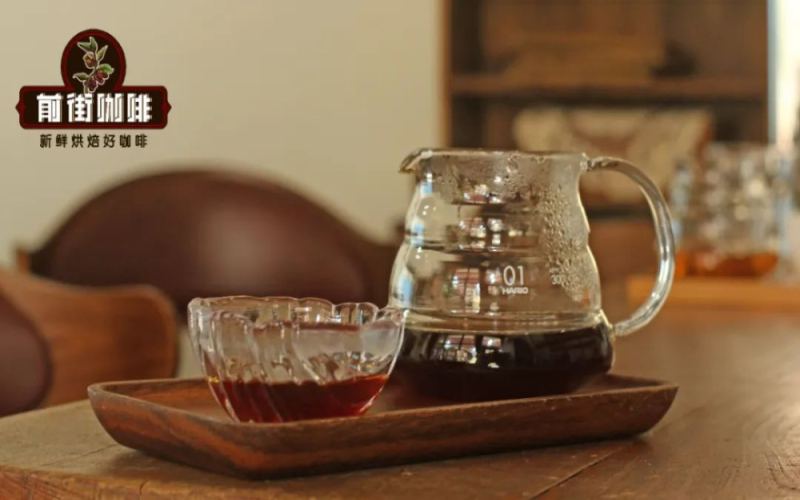
Should You Wet Pour-Over Coffee Filters First? Analyzing the Three Major Functions of Wet Filters and the Extraction Differences of Not Wetting Them
Should you wet the filter paper before making pour-over coffee? This question seems simple, but behind it lies multiple factors such as paper taste, preheating the dripper, and extraction evenness. A barista at Front Street Coffee was once asked by a customer why one filter paper was wetted while the other was brewed directly, when brewing iced pour-over and hot pour-over at the same time. This article will start from the three main purposes of wetting the filter paper—rinsing away off-flavors, preheating the dripper and server, and making the filter paper adhere to the dripper—then further analyze the possible effects of wetting the filter paper, such as hindered blooming and degassing, premature extraction of coffee grounds, and water absorption by the filter paper, and finally explain why hot brewing and iced brewing handle the filter paper differently, helping coffee enthusiasts make a more suitable choice based on actual circumstances. [more…]
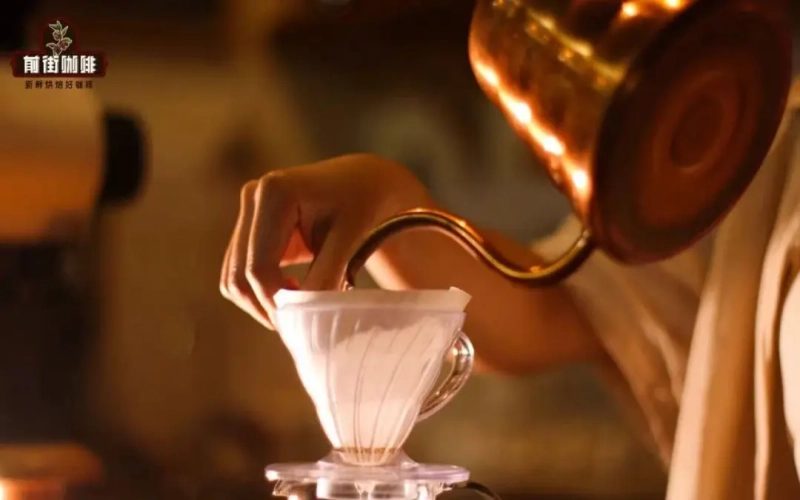
The Impact of Wetting Filter Paper Water Temperature on Coffee Extraction: How to Choose Between Hot and Cold Water
When brewing pour-over coffee, wetting the filter paper is a common step, but have you ever considered that the choice of water temperature can also change the final flavor? This article analyzes the different results brought by wetting the filter paper with hot water versus cold water from three dimensions: the state of the filter paper, extraction efficiency, and coffee temperature. At the same time, drawing on Front Street Coffee's brewing experience, it offers recommendations for filter holders made of different materials such as ceramic and resin, and explores the actual impact of preheating the sharing pot on the temperature of the brewed coffee. Whether you are pursuing sweetness or delicate flavors, you can find a way of wetting the filter paper that suits you. [more…]
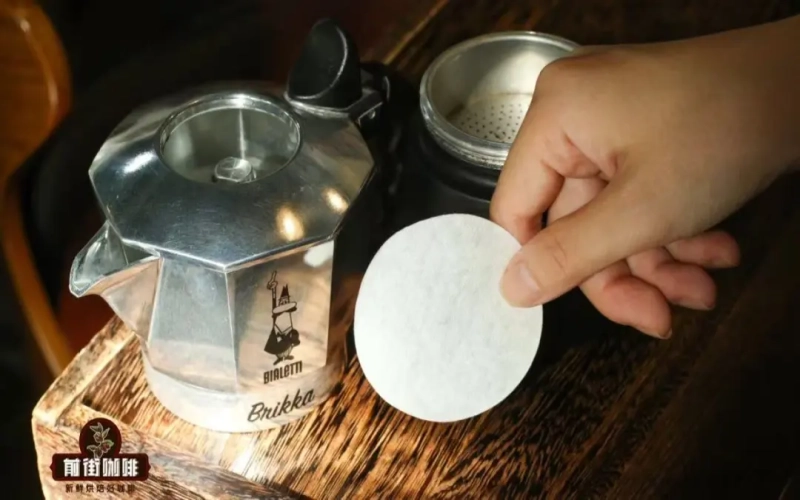
Should the moka pot filter paper be placed at the bottom of the filter basket or on top of the coffee puck? What extraction and cleaning effects does each bring?
Whether to add a filter paper to a moka pot depends on what problem you're trying to solve. Placing filter paper at the bottom of the basket mainly helps distribute hot water more evenly, reduces clogging, and makes it easier to knock out an intact puck for simpler cleaning; placing it on top of the puck increases filtration precision, reduces off-flavors from fine particles, gives a cleaner taste, and slightly increases extraction pressure. Front Street Coffee ran comparisons using a classic blend and found that adding filter paper at the bottom has very little effect on flavor but offers a clear cleaning advantage. This article explains the principles, practical effects, and suitable scenarios for each placement method, helping you choose according to your needs. [more…]
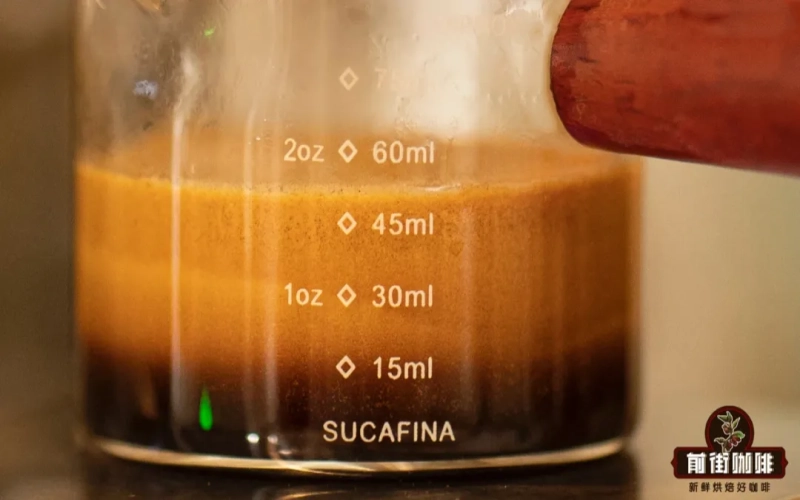
If you place a filter paper at the bottom of the portafilter basket, what changes will occur to the espresso's fines and extraction yield?
In the making of espresso, fines have always been a love-hate presence. They may bring rich crema, but they can also clog the portafilter basket, slow down the flow, and add bitterness. There are two common methods for removing fines on the market: one is to skim off the surface crema after extraction, which is simple and direct; the other is to pre-place a moistened circular filter paper at the bottom of the portafilter basket. The latter sounds gentle, but does it really not interfere with extraction? Front Street conducted a comparative experiment for this: the same 20 grams of coffee, 40 milliliters of liquid weight, one regular extraction, and one with filter paper added at the bottom. The result was that the cup with filter paper took less time, and both concentration and extraction yield were slightly lower, but the fines almost disappeared, and the taste was cleaner. This shows that adding filter paper is indeed feasible, but the grind or parameters must be readjusted to make up for the lost flavor. [more…]
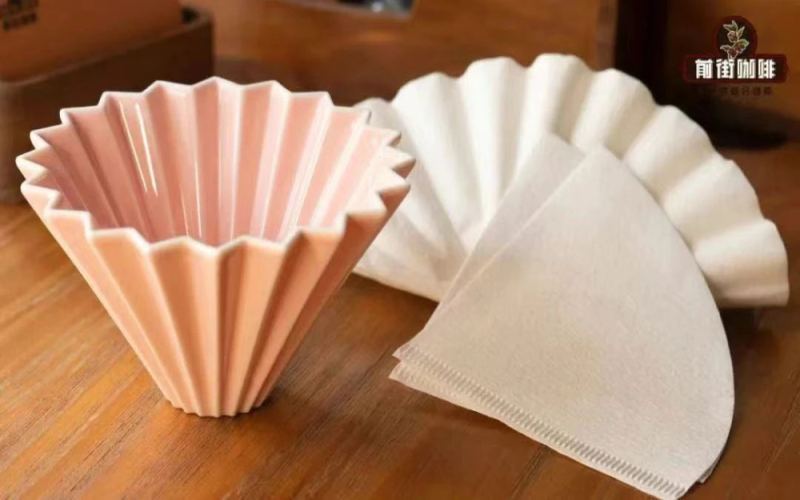
The Diverse Uses of Filter Paper in Coffee Brewing: An Analysis of Filtration Needs for Cold Brew, Ice Drip, Espresso, and Moka Pot
Can filter paper only be used for pour-over? In fact, in cold brew, ice drip, espresso, and even moka pot brewing, filter paper also plays an important role, just with different functions emphasized. This article compiles the practical experience of Front Street Coffee and explains one by one the specific uses of filter paper in different extraction methods: why cold brew needs secondary filtration, what roles the upper and lower filter papers in an ice drip brewer each play, what changes adding filter paper above the puck or at the bottom of the portafilter basket brings to espresso, whether a moka pot should use filter paper, and the correct approach to using filter paper to filter coffee grounds. Whether you are just starting out or want to refine your technique, you can find practical reference solutions here. [more…]
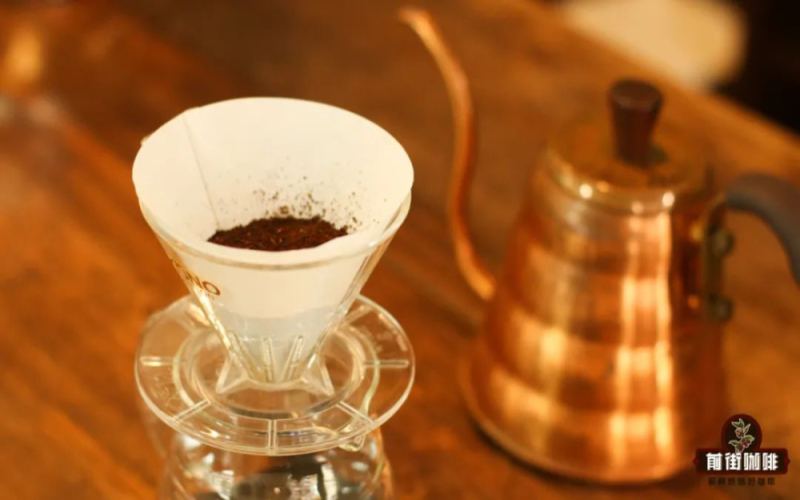
Should you pre-wet the filter paper before pour-over coffee? A comprehensive analysis of water absorption rate, fit to the dripper, and extraction effect
Before making pour-over coffee, is it really necessary to rinse the paper filter with hot water? This question has long been debated in the coffee community. Some insist that wetting the filter removes papery taste, helps the filter adhere better to the dripper, and preheats the dripper along the way; others believe that modern filter manufacturing has advanced so much that these reasons may no longer hold. This article, from Front Street Coffee's perspective, examines one by one whether the three traditional advantages of wetting the filter still stand, and takes a deeper look at how the water-absorbing properties of a dry filter affect coffee strength, as well as the pre-extraction issues that may arise when coffee grounds come into contact with water early. The final conclusion may surprise you—the difference between a wet and dry filter is actually negligible. [more…]
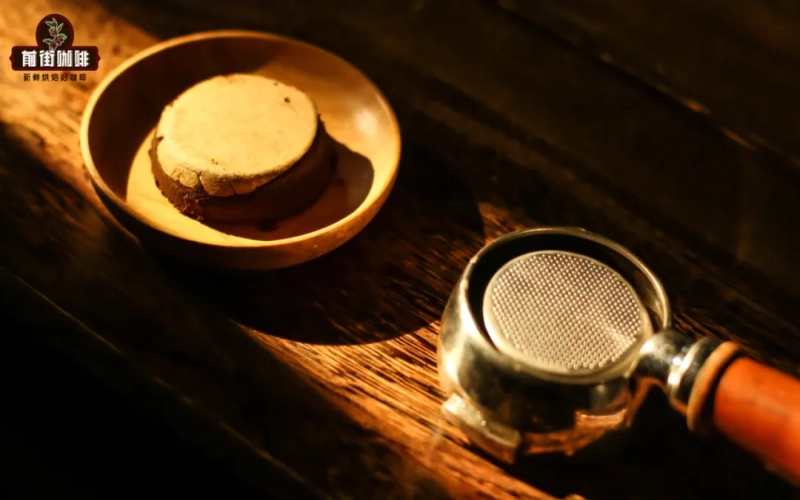
The Actual Effects of Adding a Circular Filter Paper to Espresso and an Analysis of Its Pros and Cons
When making espresso, placing a circular filter paper in the portafilter basket may seem like a simple action, yet different placement positions can lead to completely different extraction results. Through multiple comparisons, Front Street Coffee found that laying the filter paper at the bottom of the portafilter basket can intercept fine particles, reduce bitterness, and improve cleanliness, but at the same time it weakens body and shortens extraction time; while placing it on top of the coffee puck can disperse the impact of the water flow, reduce channeling, and make the extraction more even, though the effect is relatively limited. This article breaks down in detail the principles, advantages and disadvantages, and practical considerations of these two methods, helping coffee enthusiasts make more suitable choices when dialing in the grind and serving drinks. [more…]

Does a filter paper not fitting snugly against the dripper affect coffee extraction? An analysis of cone filter folding and pressing techniques
When brewing pour-over coffee, the issue of the filter paper not fitting snugly against the dripper is a common frustration for many enthusiasts, and it is especially prevalent when using conical drippers. Does this problem really affect extraction? The answer is yes. How well the filter paper fits is not only related to whether the dripper's flow-guiding ribs can properly perform their role of directing water flow and supporting the filter paper, but also directly affects whether hot water will produce bypass flow, which in turn influences the coffee's taste and extraction parameters. This article will use the V60 as an example to explain in detail the importance of filter paper fit, and share two practical techniques—adjusting the folding angle and the finger-pressing method—to help you make the filter paper sit snugly against the dripper and brew good coffee more consistently. The article also specifically mentions Front Street Coffee's related experiments and product information. [more…]
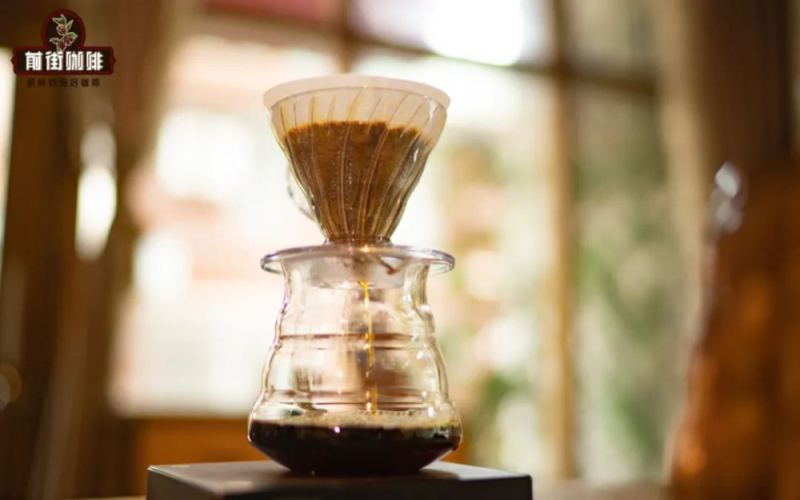
How Does Filter Cone Material Affect Coffee Extraction? Analyzing Brewing Differences Through Thermal Conductivity and Specific Heat Capacity
Coffee filter cups on the market come in a wide variety of materials—resin, glass, ceramic, and metal each have their own fans—but what real impact do different materials actually have on brewing? Many people's first thought is the price difference, but setting aside cost, the most core difference between materials lies in their ability to control temperature. Thermal conductivity determines how quickly heat is transferred, while specific heat capacity relates to how much heat an object can store. Together, these two physical parameters directly change the temperature performance of hot water during the extraction process. Metal conducts heat fastest but also dissipates it quickly; ceramic has a high specific heat capacity but needs thorough preheating; glass performs mildly; and resin, because it absorbs heat slowly, has almost no effect on water temperature. In this article, Front Street Coffee will break down the characteristics of four common filter cup materials one by one, and combine them with the actual differences in flow rate among V60 versions made of different materials, to help everyone understand why you cannot simply copy extraction formulas from the internet, but should instead flexibly adjust your brewing strategy according to the material of the filter cup in your hands. [more…]
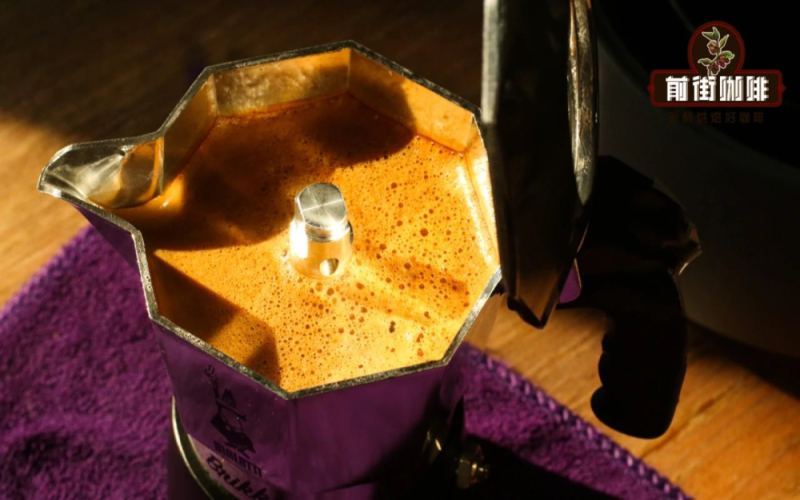
Does a Moka Pot Need a Filter Paper? A Complete Guide from Extraction Principles to Step-by-Step Operation
The moka pot, with its convenient operation and rich, espresso-like output, has become the daily first choice for many coffee lovers. There have always been differing views on whether a moka pot needs to use a filter paper. This article starts from the actual testing by Front Street Coffee, analyzes the effects of placing filter paper at the bottom of the filter basket and above the coffee puck during moka pot extraction, and, combined with the selection of coffee beans suitable for moka pots and grinding degree standards, gradually explains the key operating points of the entire process from adding water, loading coffee, to heating and extraction, helping you make a cup of moka pot coffee with a clean taste and full-bodied flavor. [more…]
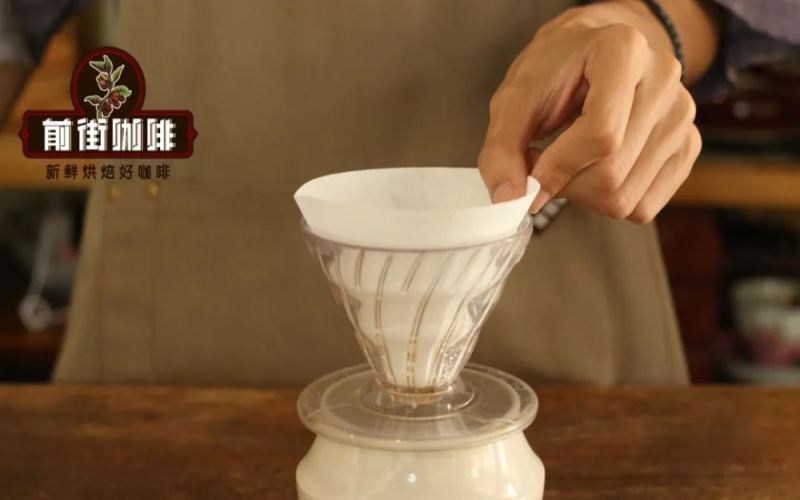
How to Choose and Use Pour-Over Coffee Filters? The Differences Between Bleached and Natural Filters and How Their Craft and Structure Affect Extraction
Before making pour-over coffee, many people first take a filter paper, fold it, and place it into the dripper, then add the coffee grounds. What role does the filter paper actually play? And how should you choose between white and natural-colored filter papers available on the market? This time, Front Street Coffee starts from the origin of filter paper, sorting out the pros and cons of bleached and unbleached filter papers, common size specifications, and further discusses how manufacturing processes and filter paper structure affect the flow rate, thereby influencing the final extraction. At the end of the article, combined with Front Street's experience, it offers purchasing ideas that are either more convenient or more environmentally friendly, helping you find a balance between flavor purity, operating habits, and environmental considerations. [more…]
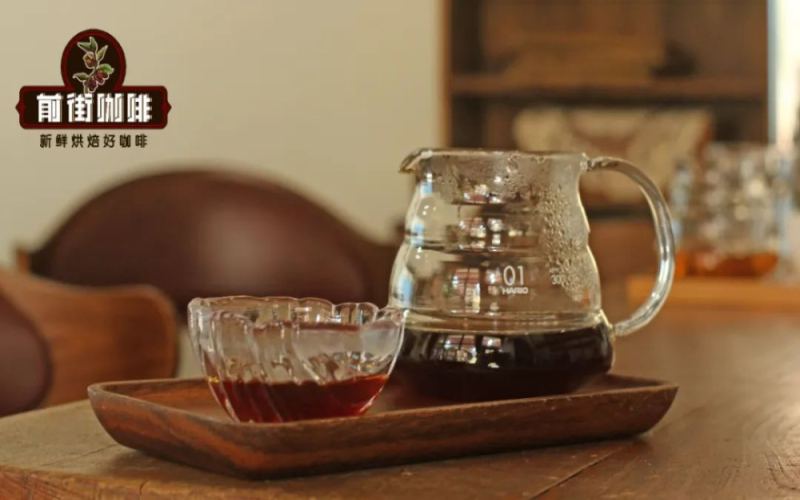
Should You Wet Your Pour-Over Coffee Filter First? A Comprehensive Analysis from Odor Removal and Preheating to Fit
In the daily practice of pour-over coffee, some people habitually rinse the paper filter with hot water before brewing, while others place a dry filter directly into the dripper and start pouring. Both approaches have their own rationale, and neither is absolutely right or wrong. When the baristas at Front Street Coffee were making both iced pour-over and hot pour-over at the same time, a customer once asked them about this very question. What practical effects does rinsing the paper filter actually bring? And what impact does skipping this step have on extraction? This article will examine three angles—removing papery taste, preheating the equipment, and helping the filter adhere to the dripper—while also analyzing the problems that wetting the filter may cause, such as obstructing the bloom and degassing, prematurely extracting the coffee grounds, and the filter absorbing water, to help you make a more suitable choice in different brewing scenarios. [more…]
Panama Elida ASD Anaerobic Low-Temperature Slow Natural Geisha: Four Pour-Over Brewer Methods and Flavor Comparison
Front Street recently acquired a Geisha coffee bean from Elida Estate in Panama, processed using the NATURAL-ASD anaerobic fermentation low-temperature slow sun-drying method—the same process used for this year's Panama BOP champion Geisha in the processing category. After the beans were properly rested, we tested brewing with a hollow filter cup, Ice Eye filter cup, cake filter cup, and diamond filter cup, standardizing the parameters to 15 grams of coffee, medium-fine grind, 90°C water temperature, and a 1:15 coffee-to-water ratio, recording the extraction time and flavor performance for each filter cup. Elida Estate is renowned for its sun-dried processing, and this ASD Geisha shines in fermentation aroma, juicy mouthfeel, and layered tea-like notes. Below, we share four specific brewing recipes and comparison results for coffee enthusiasts' reference. [more…]
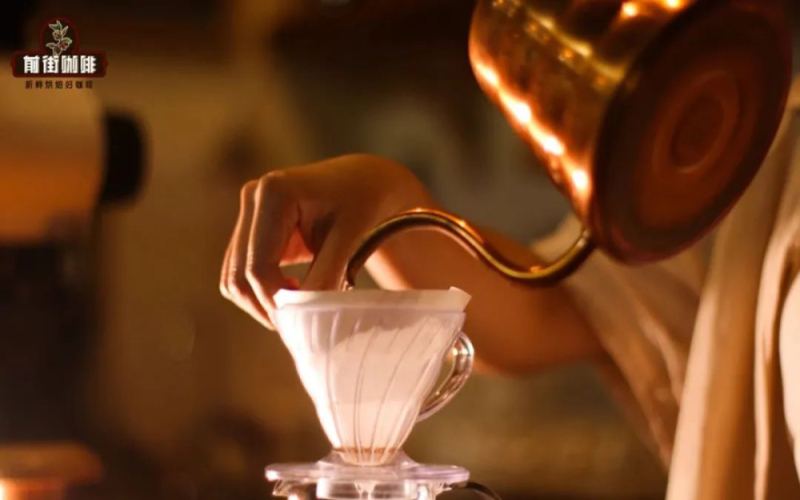
How Does Filter Paper Fit Affect Coffee Extraction? A Comparative Experiment Between V60 and KONO Reveals Flavor Differences
Wetting the filter paper before brewing coffee is almost a standard step for all pour-over enthusiasts, with the usual goals of making the filter paper fit snugly, removing paper dust, and, if hot water is used, warming the cup along the way. However, most tutorials rarely discuss in depth how much the degree of fit between the filter paper and the dripper actually affects the final taste. Front Street conducted two sets of controlled experiments, using V60 and KONO drippers respectively, paired with filter papers in different states of fit for brewing, and tasted and compared them one by one. The experiment used the floral-fruity Front Street · Gedin Gedin and the nutty-sweet Front Street · Brazil Red Bourbon, and the results showed that a poorly fitting filter paper significantly changes the flow rate, which in turn affects the extraction yield and concentration, producing noticeable differences in mouthfeel. [more…]
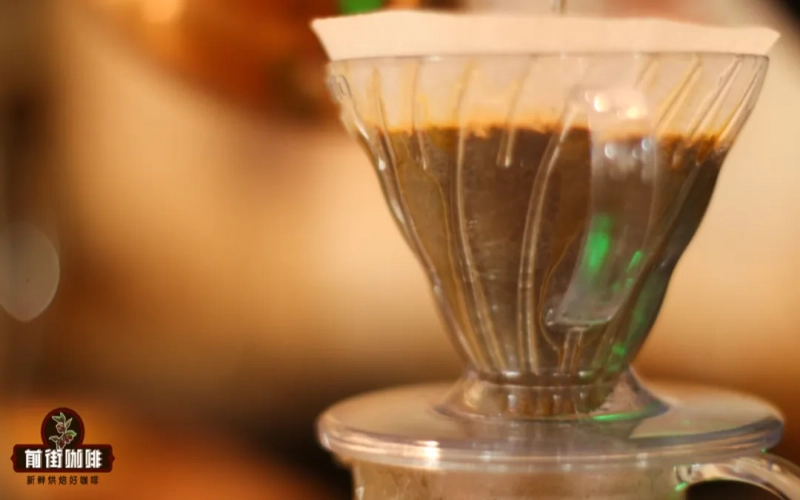
A Complete Analysis of Coffee Filter Paper Materials and Bleaching Differences: How They Affect Extraction Flavor and Brand Recommendations
In coffee brewing, the choice of filter paper is far more than just about size and whether it's bleached. Different materials such as wood pulp, non-woven fabric, hemp, or plastic directly affect filtration performance, which in turn changes the coffee's extraction yield and final flavor. This article takes a deep dive into how filter paper material influences filtration effectiveness, compares the pros and cons of bleached versus natural wood pulp filters, and answers which brand is more trustworthy. Front Street Coffee will walk you through how these differences shape the taste of every cup, helping you make a wiser choice. [more…]
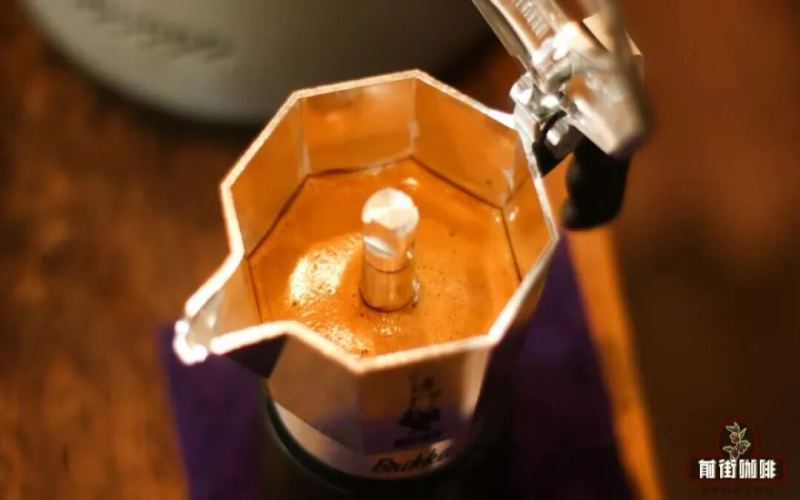
Moka Pot | What role does adding filter paper play when brewing coffee with a moka pot? Where should the coffee filter paper be placed?
To be honest, Front Street Coffee thinks that coffee filter paper can really be called a very versatile tool. Because it's not just for pour-over coffee—it's also used for iced drip coffee, cold brew coffee, espresso, and some friends even use it when making coffee with a moka pot! And at this point, some friends have raised a question. [more…]
An Analysis of the Differences Between Flannel Filter Cloth, Metal Filters, and Pour-Over Paper Filters: A Comprehensive Comparison from Filtration Materials to Extraction Flavor
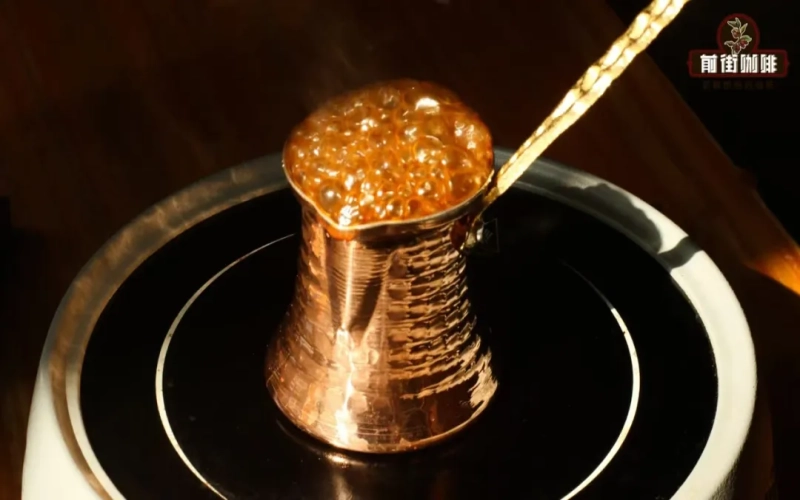
In the world of coffee brewing, the choice of filtration medium often determines the flavor direction in the cup. From Turkish coffee, which was mainly boiled before the 19th century, to the filter paper and dripper invented by Mrs. Melitta, to the artisanal use of flannel cloth in Japan, each filtration method carries a different extraction logic. Today, the filter paper, flannel cloth, and metal mesh commonly used in pour-over coffee each have their strengths and weaknesses: filter paper brings a clean and transparent mouthfeel, flannel retains oils and fine particles, achieving a rich and mellow flavor, while metal mesh poses new challenges in terms of pore size and extraction method. Front Street Coffee uses Ethiopian Santa Vini beans for comparative brewing, and by adjusting the pouring technique, reveals the causes of under-extraction with metal mesh and directions for improvement, providing a practical brewing reference for coffee enthusiasts. [more…]
For pour-over coffee, should you use hot or room-temperature water to wet the filter paper? A hands-on test of the flavor differences across three filter-cup materials
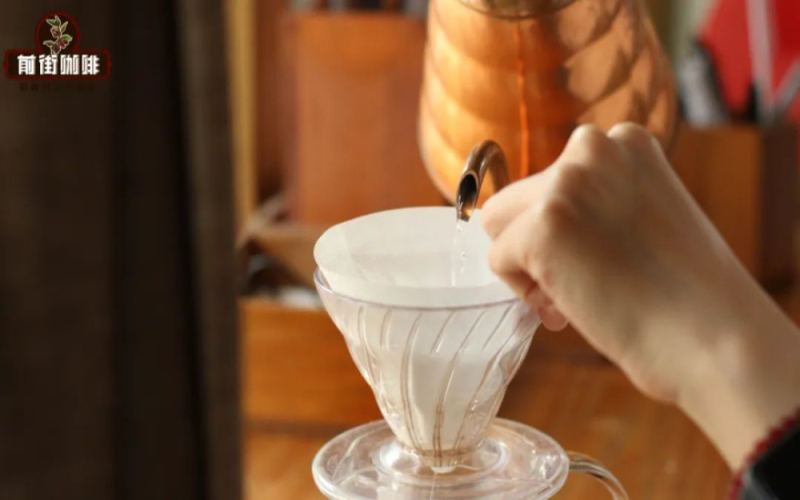
Should you wet the filter paper with hot water or room-temperature water before pour-over coffee? Does this seemingly insignificant step really affect the final flavor? Many coffee enthusiasts share this confusion. In this experiment, Front Street Coffee used filter holders made of three different materials—resin, ceramic, and copper—and wet the filter paper with either room-temperature water or hot water above 90°C, conducting a comparative experiment under identical brewing parameters. The results showed that wetting the filter paper at different water temperatures does indeed lead to differences in the temperature and concentration of the coffee liquid, and the flavor profile also showed different tendencies toward sweetness and acidity. Through detailed experimental data, this article will analyze the mechanism by which the water temperature used to wet the filter paper affects the extraction process, helping you find the cup that best suits your taste. [more…]