







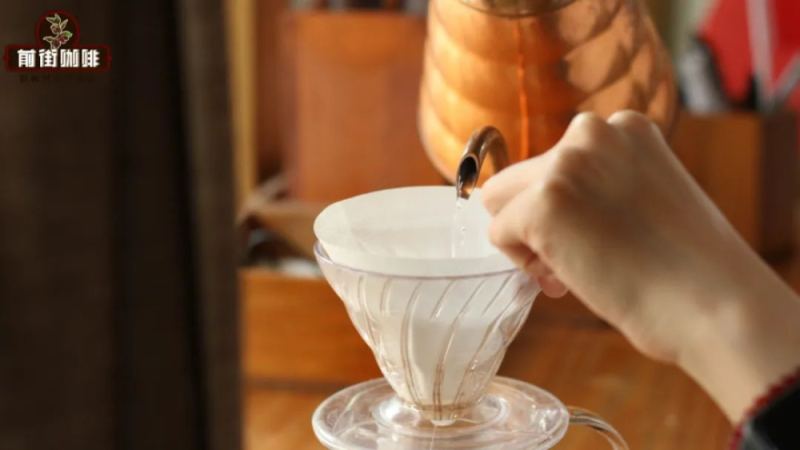
A Coffee Enthusiast's Guide to Wetting Filter Paper: Hot vs. Room-Temperature Water
Wetting the filter paper with hot water above 90°C versus room-temperature water does change the cup. In tests with resin, ceramic, and copper drippers under identical brewing parameters, the two approaches produced different coffee liquid temperatures and concentrations, and the flavor shifted between sweetness and acidity. The filter paper is only the medium; the dripper it sits against is what drives the change.
The water temperature mainly rinses papery off-flavors from the filter itself, while the real chain reaction comes from the dripper material holding heat. That is why a heated espresso portafilter or pre-warmed cup changes aroma and cooling rate. As a coffee enthusiast comparing drippers, expect concentration and temperature differences to outweigh any effect from the paper alone.
Should you wet the filter paper with hot or room-temperature water before pour-over coffee? This seemingly trivial step—does it really affect the final flavor? Many coffee enthusiasts share this confusion. Front Street Coffee conducted a comparative experiment using resin, ceramic, and copper drippers of three different materials, wetting the filter paper with room-temperature water and hot water above 90°C respectively, under identical brewing parameters. The experimental results show that wetting the filter paper with different water temperatures indeed leads to differences in coffee liquid temperature and concentration, and the flavor profile also exhibits different tendencies toward sweetness and acidity. This article will use detailed experimental data to analyze the mechanism by which the water temperature for wetting the filter paper affects the extraction process, helping you find the cup that best suits your taste.
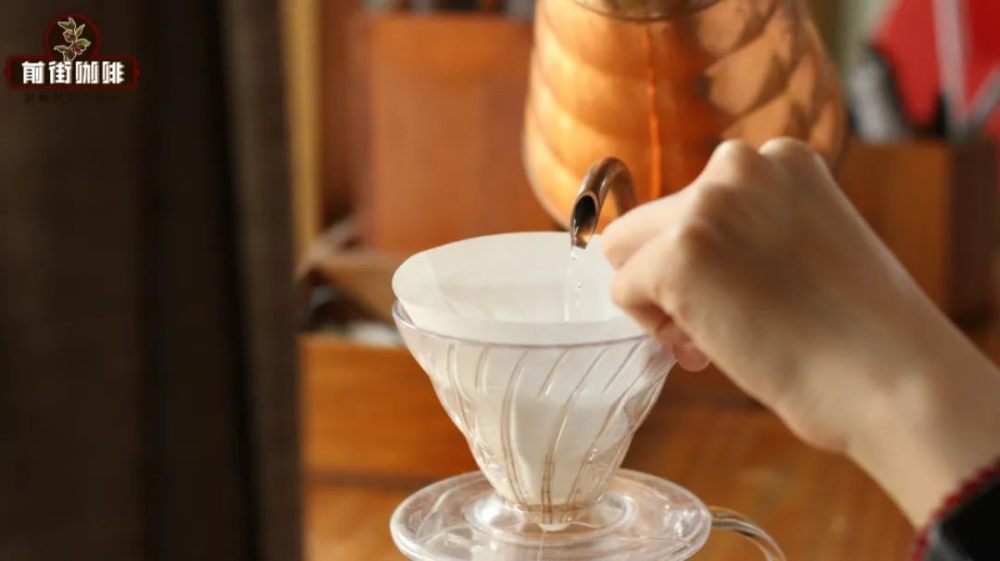
Those who habitually wet their filter paper have likely wondered: should the water used to rinse the filter paper be hot or room-temperature?
This question is not without reason—after all, many coffee tools do have a significant impact on coffee after being heated. For example, the portafilter of an espresso machine, once preheated, produces espresso with a fuller aroma; similarly, pre-warming a coffee cup or serving carafe can effectively slow down the rate at which coffee cools. However, if using hot water to wet the filter paper truly causes changes in coffee flavor, then that change likely does not come from the filter paper itself, but rather from the dripper that the filter paper fits snugly against.

The only role water temperature can play on the filter paper is, at most, removing the papery off-flavors. What truly triggers a chain reaction in coffee flavor due to temperature changes is the "dripper." The filter paper merely serves as a medium connecting the two.
That being the case, let's conduct a few comparative experiments today to see what differences emerge in the final extracted coffee when wetting the filter paper with water of different temperatures!
Experimental Comparison
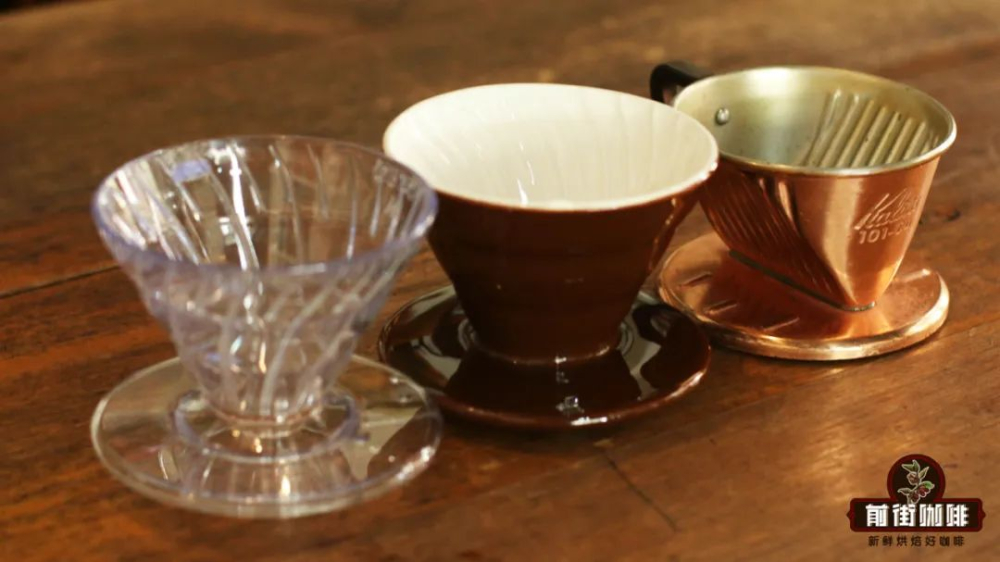
For this experiment, Front Street selected drippers made of three different materials—resin, ceramic, and copper—divided into three groups for comparison. Each group used room-temperature water and hot water above 90°C respectively to wet the filter paper, observing how the extracted coffee liquid would differ.
Brewing Parameters: The coffee beans used in this experiment were a medium-light roast Ethiopian Santa Vini. The dose was 15g, with a coffee-to-water ratio of 1:15, i.e., 225ml of hot water, water temperature 92°C, grind size EK43 setting 10, and the brewing method was a three-pour technique.
I. Resin Dripper
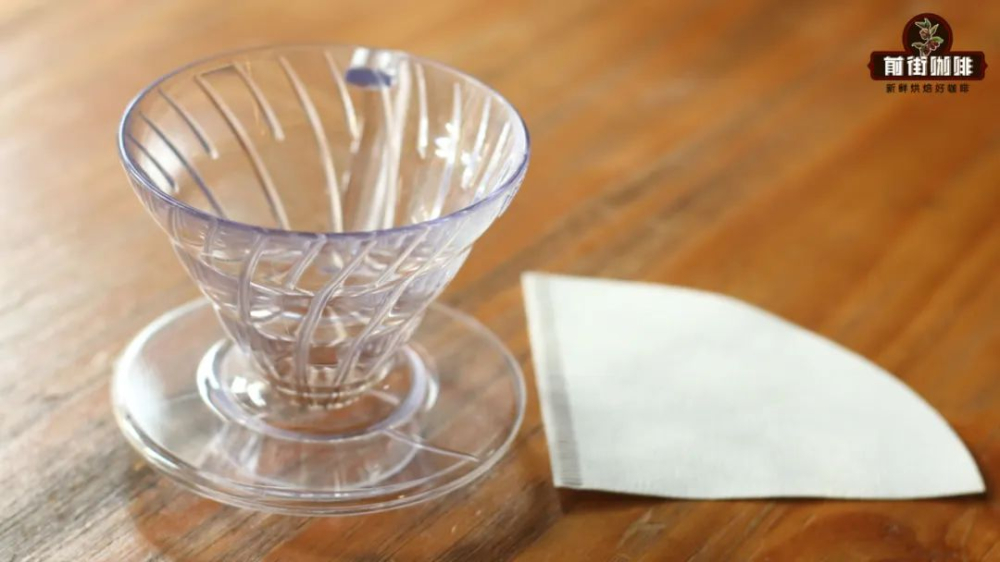
Room-temperature group: Coffee liquid temperature 65°C, concentration 14.9%.
Hot water group: Coffee liquid temperature 67°C, concentration 14.7%.
II. Ceramic Dripper
Room-temperature group: Coffee liquid temperature 66°C, concentration 14%.
Hot water group: Coffee liquid temperature 71°C, concentration 14.4%.
III. Copper Dripper
Room-temperature group: Coffee liquid temperature 66°C, concentration 14.3%.
Hot water group: Coffee liquid temperature 70°C, concentration 14.5%.
Flavor Tasting:
In terms of flavor expression, all groups showed striking consistency: pineapple, mango, citrus. However, upon closer tasting, differences remained—the coffee brewed by the room-temperature group had more prominent sweetness, while the coffee brewed by the hot water group exhibited more lively acidity.
Where Do the Differences Come From?
As mentioned earlier, when you wet the filter paper with hot water, the dripper directly absorbs heat and rises in temperature. When brewing under these conditions, the dripper will no longer absorb heat from the hot water during the bloom phase; instead, it contributes heat to the overall extraction, thereby improving extraction efficiency.
The first components extracted from coffee are the acidic substances. When you increase extraction intensity in the early stages of brewing, acidity naturally becomes more pronounced—this is why the hot water group had more prominent acidity.
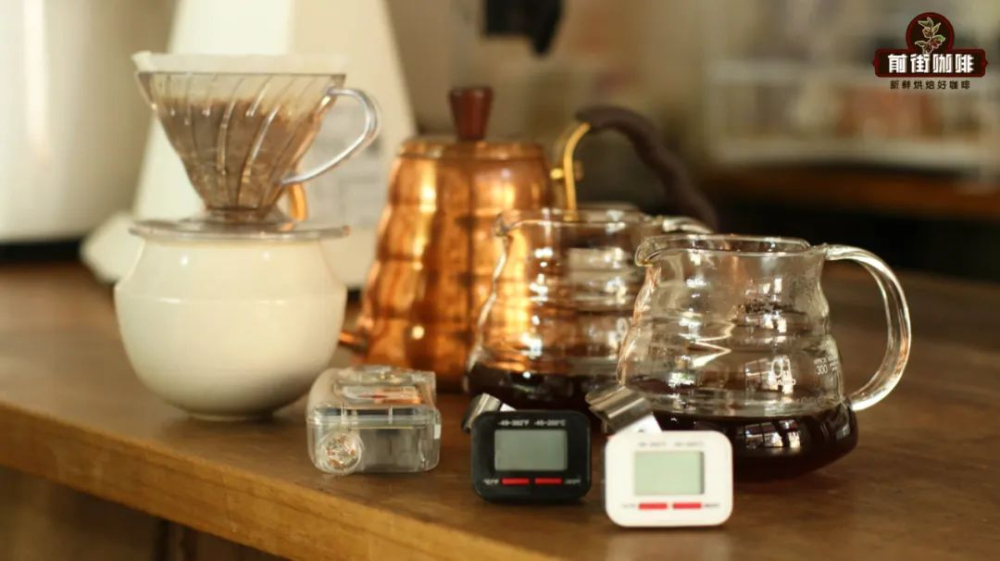
The room-temperature group is the opposite. Since no hot water was used to wet the filter paper, both the dripper and the serving carafe remained at room temperature. During the bloom phase, the room-temperature dripper is the first to absorb some of the heat from the bloom water, resulting in relatively weaker extraction intensity, and the release of acidic substances is less complete.
As the temperature gradually rises, sweet and acidic substances are extracted in succession. Because the entire brewing process maintains a more balanced extraction rhythm, the final result is a cup with balanced sweetness and acidity—compared to the hot water group, the sweetness is more pronounced.
Overall, the water temperature used to wet the filter paper does affect the extraction yield to some extent. As for how to choose the water temperature, Front Street will not make a hard recommendation here—everyone can decide based on their own taste preferences. Although the impact is relatively subtle, flexibly using this variable can also help you brew the cup of coffee you desire~
- END -
Front Street Coffee (FrontStreet Coffee)
No. 10, Bao'an Front Street, Yandun Road, Dongshankou, Yuexiu District, Guangzhou, Guangdong Province
The above content is compiled by CoffeeHunters, a coffee news website.


