







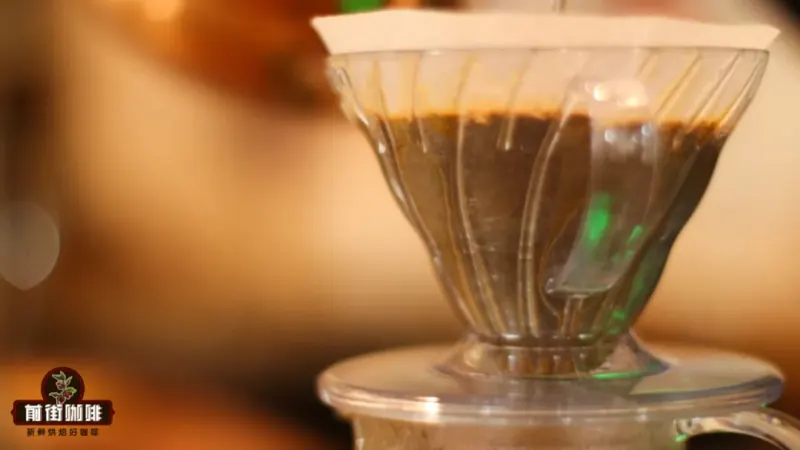
How does filter paper material affect coffee brewing?
Filter paper choice goes beyond size and bleaching. Wood pulp, non-woven fabric, hemp and plastic papers filter differently, and that changes extraction yield and the flavor in the cup. Wood pulp paper holds back nearly everything but liquid, while non-woven fabric lets lipids and very fine particles pass through into the coffee.
The comparison also covers bleached versus natural wood pulp filters and which brands are more trustworthy. For anyone into what is hand brew coffee, the takeaway is practical: a finer, denser paper gives a cleaner cup, while a looser material adds body and oils. Matching paper to dripper and grind keeps results consistent.
In coffee brewing, the choice of filter paper is far more than just size and whether it's bleached. Different materials such as wood pulp, non-woven fabric, hemp, or plastic directly affect filtration performance, which in turn changes the coffee's extraction yield and final flavor. This article takes an in-depth look at how filter paper material impacts filtration effectiveness, compares the pros and cons of bleached versus natural wood pulp filters, and answers which brand is more trustworthy. Front Street Coffee will guide you through how these differences shape the taste of every cup, helping you make a wiser choice.
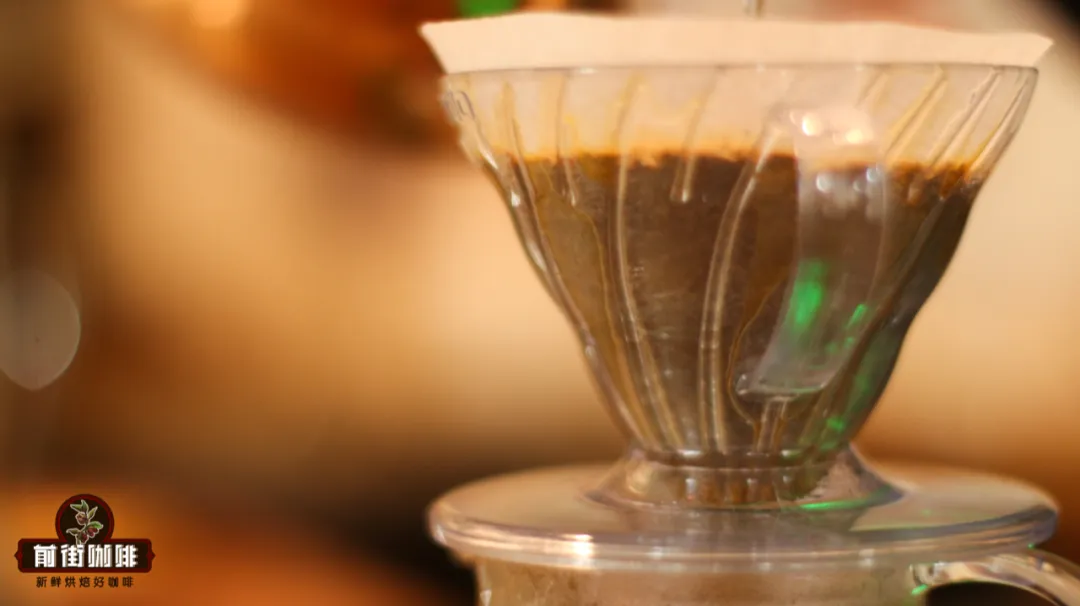
Filter papers, much like drippers, come in a wide variety of types and materials, and these differences directly influence the brewing process, which in turn changes the coffee's extraction and flavor expression. Today, Front Street is here to explain exactly what sets filter papers apart and how they affect brewing and the taste of your coffee.
I. Filter Paper Materials
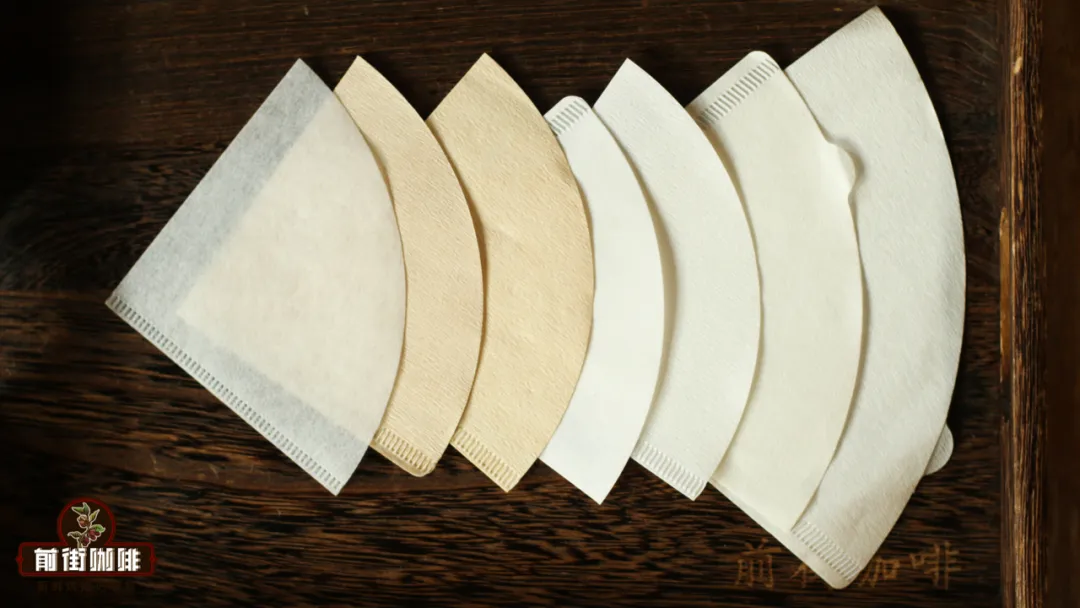
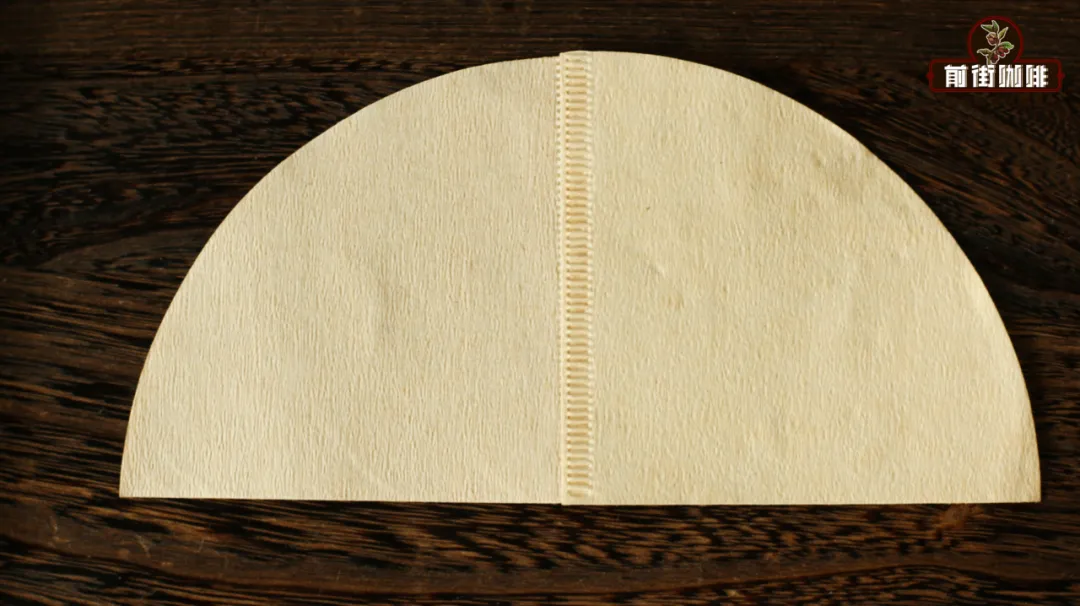
The most common and widely used type on the market is wood pulp filter paper, which is why many people assume the only differences between filter papers are size, model, and whether they're bleached. But in fact, beyond wood pulp, there are also filter papers made from non-woven fabric, hemp, plastic, and other materials.
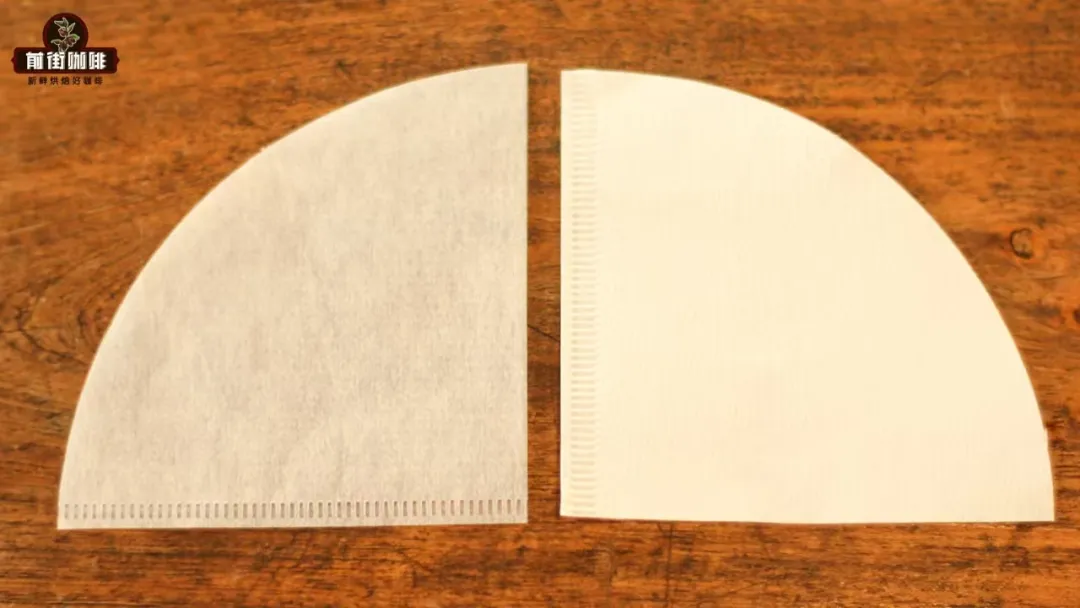
These material differences mainly affect filtration performance. Take wood pulp filter paper and non-woven fabric filter paper as examples: wood pulp filter paper has extremely strong filtration capability—it essentially only allows liquid to pass through, while other substances struggle to penetrate. Non-woven fabric filter paper (or should we say filter cloth?), on the other hand, has relatively lower filtration performance, so besides the coffee liquid, lipids and extremely fine particles in the coffee can also pass through the filter.
(Non-woven fabric filter paper on the left)
The above content is compiled by CoffeeHunters, a coffee news website.


