







Search Results for: Extraction Cooling
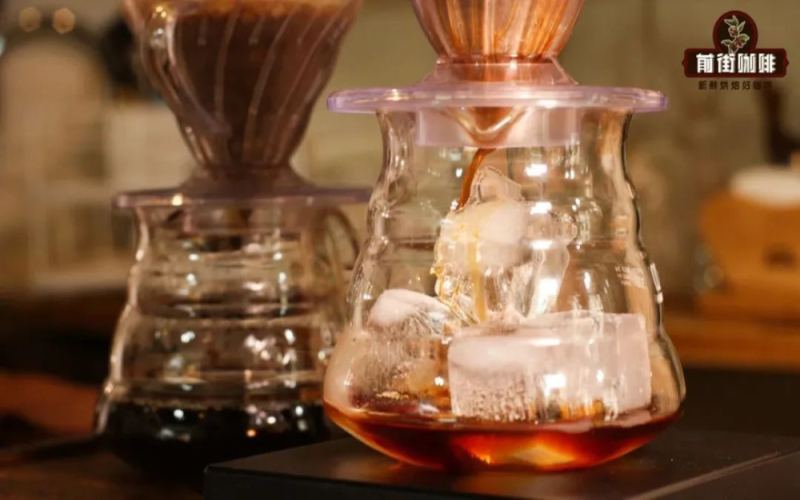
How to Make Iced Pour-Over with Light Roast Beans? Four Cooling Extraction Methods and Flavor Comparison in Practice
As soon as the temperature rises, iced coffee returns to the top of the sales charts. Iced pour-over lets you choose your own beans and comes with a refreshingly cold taste, making it the first choice in hot weather. However, if you simply add ice cubes to a hot pour-over recipe, the concentration gets diluted and it tastes as bland as water. The core problem to solve is: how to maintain a moderate concentration after cooling down. Using Front Street's medium-light roasted Ethiopia Kaffa Forest as an example, we've put together four highly practical iced pour-over methods—high-concentration high-extraction, ice-flushing, stirring, and ice-bath cooling—breaking down the parameters and techniques one by one, and comparing their flavor performances, to help you find the cup that suits you best. [more…]
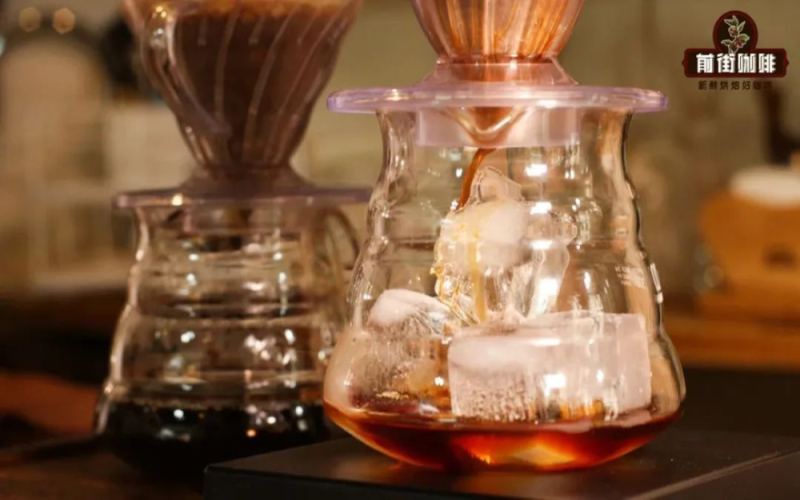
A Detailed Guide to Four Iced Pour-Over Coffee Brewing Methods: From High-Strength High-Extraction to Ice-Chilling Cooling
As temperatures rise, iced coffee returns to the top of the sales charts. Iced pour-over lets you freely choose your favorite beans while offering the sweet, refreshing taste of a chilled brew—making it an excellent way to beat the heat. But the key to making a delicious iced pour-over lies in solving the problem of dilution after cooling. Front Street Coffee has put together four zero-threshold iced pour-over brewing approaches—high-concentration high-extraction, ice rinsing, the stirring method, and ice-bath cooling—each with detailed parameters and step-by-step instructions, demonstrated using a light-to-medium roast Ethiopian Kafa Forest as an example. No matter what equipment you have on hand or what size your ice cubes are, you'll find a method that suits you. [more…]

Complete Brewing Parameters Analysis of Ice Dosage for Iced Pour-Over Coffee and the Japanese Rapid Cooling Method
When making iced pour-over coffee, the choice and amount of ice are often the questions enthusiasts ask about most. The core role ice plays in iced pour-over is rapid cooling, not aroma preservation or insulation. Because melted ice dilutes the coffee's strength, its density and quantity directly determine the finished cup's taste and drinking experience. This article will go through the considerations for choosing ice, recommended amounts, and the complete process and specific parameters of Japanese-style rapid-chill iced pour-over, one by one. The article also uses Front Street Coffee's Geisha Village Estate Red Label Geisha as an example to share a practical approach combining high-concentration extraction with a precise ice ratio, helping you brew a cup of refreshing, full-bodied, flavor-forward iced pour-over coffee at home. [more…]
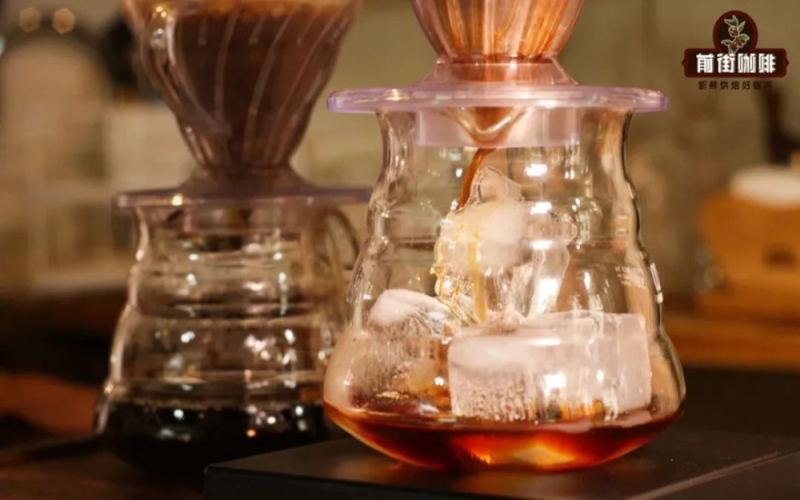
How to Make Delicious Iced Pour-Over Coffee: Four Practical Brewing Methods and Detailed Parameters
When the weather turns hot, iced coffee becomes the first choice for many people. Iced pour-over preserves the flavor layers of pour-over coffee while adding a refreshing chill, but making a good iced pour-over isn't as simple as adding ice cubes to hot pour-over. Melting ice dilutes the coffee's strength, and directly applying hot-brew parameters often results in a weak glass of iced coffee water. This article centers on the two cores of extraction yield and strength, and compiles four zero-threshold iced pour-over methods: the high-strength high-extraction method, the ice-rinsing method, the stirring method, and the ice-bath cooling method. Each method comes with specific parameters and operating steps using a medium-light roast Front Street Coffee Kafa Forest as an example, helping you easily make a full-flavored, sweet-and-sour balanced iced pour-over at home. [more…]
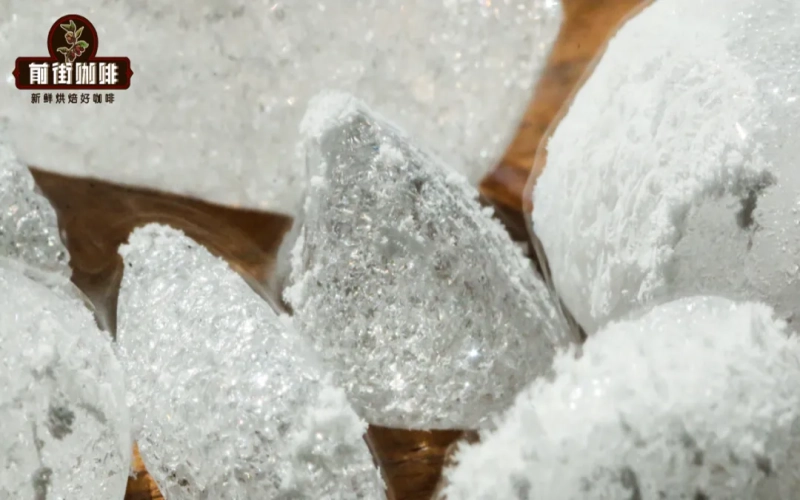
Is It Feasible to Use Dry Ice Instead of Ice Cubes for Iced Pour-Over? A Comprehensive Analysis of Cooling Methods for Pour-Over Coffee
Iced pour-over coffee needs rapid cooling, but ordinary ice cubes melt and dilute the coffee's strength. Some friends suggested using non-melting stainless steel ice cubes, but that attempt failed; then someone else recommended dry ice, which cools quickly and doesn't cause dilution. Dry ice can indeed chill coffee rapidly without turning into water, but when it sublimates it releases carbon dioxide, which dissolves into the coffee and turns a cup of iced pour-over into carbonated coffee—essentially deviating from what's wanted. This article provides a detailed analysis of dry ice's physical properties, its everyday uses, and why it's unsuitable for making pour-over coffee, along with Front Street Coffee's key points from their dry ice experiments and a recommended bean list. [more…]

Can stainless steel ice cubes be used to cool coffee? A practical test comparing their effect and usability against homemade ice cubes
When drinking iced coffee in summer, it tends to become diluted toward the end, so some people have thought of using stainless steel ice cubes instead of traditional ice. Are these reusable metal ice cubes really suitable for coffee? Front Street conducted an actual comparison test, analyzing the structure of stainless steel ice cubes, their cooling speed, and their impact on flavor. The results show that although stainless steel ice cubes have the advantage of not melting, their cooling effect is far inferior to homemade ice cubes, especially performing poorly in the ice pour-over step. The article also shares a pour-over plan using a mix of the two types of ice cubes, and explores why coffee shops rarely use stainless steel ice cubes. [more…]

Should You Swirl the Carafe After Brewing Pour-Over Coffee? Analyzing the Real Impact of Swirling on Flavor Uniformity, Cooling, and Aroma Release
Many coffee enthusiasts, after brewing pour-over coffee, notice baristas habitually swirling the sharing pitcher, yet are unclear about what this step actually does. This article focuses on this detail when brewing single-origin coffee, explaining why swirling the coffee liquid makes the taste and concentration more uniform, how it speeds up cooling, and how it promotes the release of aroma. Starting from the proportion of soluble coffee substances and the stratification phenomenon of liquids with different concentrations, combined with Front Street's comparative experiments, the article explains the differences between swirling and not swirling in terms of concentration, temperature, and flavor performance, and offers operational suggestions for different drinking scenarios. [more…]
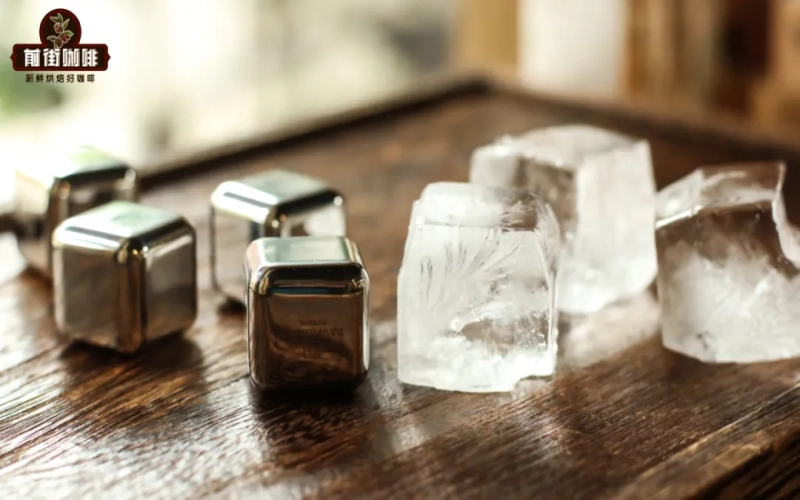
Replacing Regular Ice with Stainless Steel Ice Cubes for Iced Pour-Over? Front Street Tests Cooling Effect and Flavor Differences
On a scorching summer day, you want to drink iced pour-over but worry the flavor will be watered down, so a friend suggests: use stainless steel ice cubes to cool down hot pour-over—wouldn't that give you both full flavor and a refreshing chill? This idea sounds beautiful, but through comparative experiments, Front Street Coffee found that although stainless steel ice cubes can preserve coffee concentration, they fall short of traditional ice cubes in temperature and mouthfeel. This article documents in detail the parameter differences between regular iced brew and the experimental iced brew with stainless steel ice cubes, the actual measured temperature results, and the inherent shortcomings of stainless steel ice cubes—slow cooling and not cold enough—to help you decide whether they are worth using in iced pour-over. [more…]
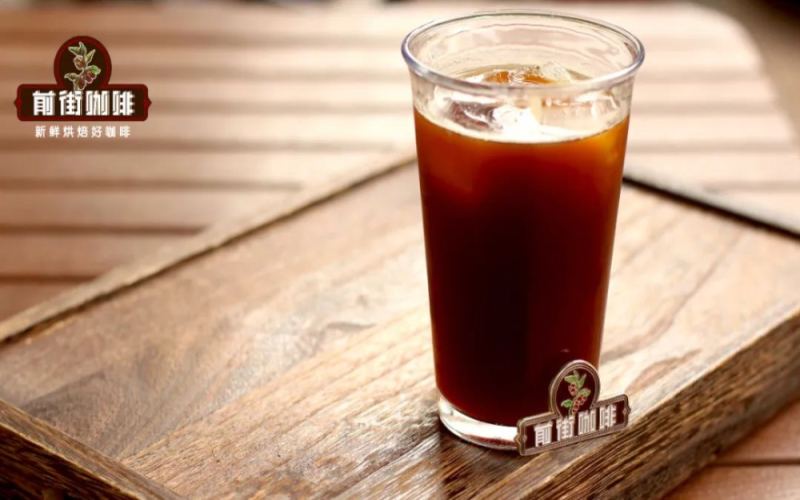
The Art of Adding Ice in Iced Coffee Making: A Full Analysis of Cooling, Aroma Locking, and Ratio Techniques
Whether iced coffee tastes good often hinges on the step of adding ice. Ice is not just a cooling tool; it also locks in aroma and maintains a cold mouthfeel. How much ice to add, what kind of ice to choose, and how to ratio different coffees—these questions trouble many enthusiasts. Drawing on Front Street Coffee's practical experience, this article first explains the three major functions of ice in coffee, then analyzes the differences between solid and hollow ice, and between large and small ice, and finally provides specific ice-adding plans for iced Americano, iced latte, iced pour-over, and cold brew/ice drip, helping you make consistently delicious iced coffee at home. [more…]
Pour-Over Coffee Heat Retention and Hot Milk Coffee Temperature Control Guide: How to Slow Cooling Without Ruining Flavor
When the temperature drops, coffee cools down noticeably faster, and its enjoyable drinking window shortens accordingly. Once hot coffee goes cold, it often no longer tastes good—for example, Front Street PWN Golden Mandheling tends to turn bitter, while Front Street Yirgacheffe becomes more sharply acidic. This article addresses three questions: whether pour-over coffee can be kept warm in a thermos, why coffee's flavor deteriorates after it cools, and what temperature milk in a latte should be steamed to. It also offers practical tips, including moderately raising the water temperature and milk temperature, preheating equipment, covering and sealing, and using a thermos for short-term storage of pour-over coffee, to help you extend the time your coffee stays tasty without ruining the extraction or mouthfeel. [more…]
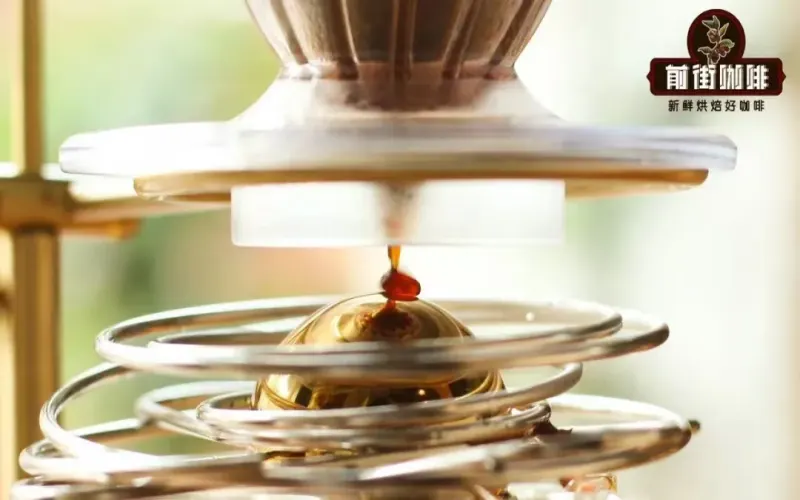
How do you use the Paragon小金球 for pour-over coffee? An analysis of the actual effects and key operating points of the rapid-cooling aroma-locking method.
In the past two years, a coffee processing method called "rapid chilling to lock in aroma" has become popular in competitions and among enthusiasts, shared and promoted by Sasa Sestic, with the core tool being the Paragon chiller ball. It works by rapidly lowering the temperature of the coffee liquid to slow down aroma volatilization, theoretically preserving more flavor. But how effective is it really? Why do most competitors only rapid-chill the first portion of the coffee liquid? Front Street conducted a comparative test using a pour-over of Huakui and a Strawberry Candy espresso, and found that the aroma difference in the pour-over group was not obvious, while the espresso group showed mouthfeel differences due to temperature changes. This article will break down in detail the principle of rapid chilling to lock in aroma, the results of the comparative experiment, and the two major reasons for only chilling the first half, helping coffee enthusiasts view this technique rationally. [more…]
Why Does Pour-Over Coffee Taste Weaker When Temperatures Drop? Water Temperature Adjustments and Four Practical Tips
When the weather turns cold, many coffee enthusiasts notice that even with the same beans and the same technique, the coffee they brew comes out weak and lacking in flavor. This is not a problem with the bean roasting, but rather the low-temperature environment changes the rate at which the hot water loses heat, which in turn affects extraction efficiency. Starting from the principle of heat loss, this article explains in detail how cooling leads to under-extraction, and offers four actionable improvements: preheating the kettle spout, raising the water temperature, increasing the water volume, and lowering the pouring height. Finally, it includes Front Street Coffee's store information to help you consistently produce a delicious pour-over even in the cold season. [more…]

Coffee Brewing Water Blending, Paragon Ice Ball, and Tasting Cup Stacking Effect Test: Front Street Coffee Huakui Blind Test Comparison
When brewing coffee, water quality, cooling methods, and tasting cup types are often treated as independent variables, but can combining all three lead to more significant sensory improvements? Front Street Coffee designed a controlled experiment using Huakui beans as samples: one group used regular mountain spring water, no ice ball, and a standard espresso cup, while the other used a custom water concentrate, a Paragon ice ball, and an aromatic tasting cup, with completely identical brewing parameters. Through concentration measurements and blind tasting, the actual contributions of these tools at different stages were verified. This article documents in detail the TDS control of the custom water concentrate, the cooling mechanism of the Paragon ice ball, and the aroma-concentrating effect of the tasting cup, and invited colleagues and customers to participate in a blind selection. The final results were highly consistent, providing coffee enthusiasts with a reproducible reference for combined techniques. [more…]
Hand-brewed coffee variable-temperature brewing method: How different water temperatures affect flavor layers and extraction results
In the world of pour-over coffee, water temperature has never been a fixed parameter. At world-class brewing competitions, many competitors use variable-temperature brewing, precisely steering the flavor direction of the coffee by using different water temperatures at different stages. Front Street Coffee conducted a set of comparative experiments using the same Panama Elida Typica beans, brewing them with three approaches: constant temperature, high temperature in the early stage followed by a temperature drop in the later stage, and low temperature for blooming followed by high temperature in the later stage and then a temperature drop. They measured concentration and evaluated the flavor. The results showed that variable-temperature brewing can significantly change the acidity, sweetness, and aftertaste of the coffee. This article will walk you through the operating techniques, experimental data, and flavor differences of variable-temperature brewing, helping you control your pour-over parameters more flexibly. [more…]
How to Make an Iced Americano Without Water? Key Points and Flavor Advantages of the All-Ice Espresso
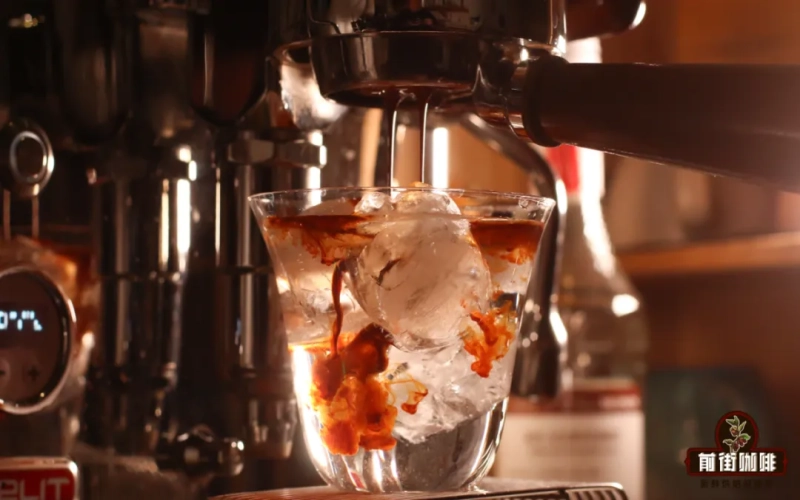
Ordering an iced Americano with extra ice and no water has become increasingly common in coffee circles in recent years. It is not simply equivalent to drinking espresso directly; rather, through the collision of ice cubes with hot espresso, it produces a cup of iced coffee with higher concentration, lower bitterness, and more fully preserved aroma. This article will start from the basic composition of an Americano, explain the difference between a water-free iced Americano and a regular iced Americano, and detail the order of production, the principle of extraction cooling, and practical techniques such as shaking to cool down, helping you make a better-tasting all-ice Americano. [more…]

Taste Test of Luckin's New Rice Milk Latte: Consumers Say Both Rice Aroma and Coffee Flavor Are Too Mild; Staff Reveal the "Instant Cooling Fresh Extraction" Process
Luckin Coffee recently teamed up with Honor of Kings for a second limited-time campaign, bringing back the classic Mascarpone Cheese Latte and introducing a brand-new Rice Milk Latte. The company claims the new drink uses rice milk made from black soil–grown rice, and with temperatures dropping in many places, many netizens have hailed it as the top choice for winter. However, after tasting it, many customers were left puzzled, saying they couldn't detect any rice aroma and even suspecting they had accidentally ordered a regular latte. Faced with the skepticism, Luckin employees shared the production process, revealing that this drink does not use conventional espresso liquid but instead employs "instant-cooled freshly extracted coffee." So why has this new product sparked such a big controversy over its taste? Let's find out together. [more…]
Iced Pour-Over Coffee Parameters Explained: A Complete Guide to Coffee-Water-Ice Ratios, Grind Adjustment, and Pouring Rhythm
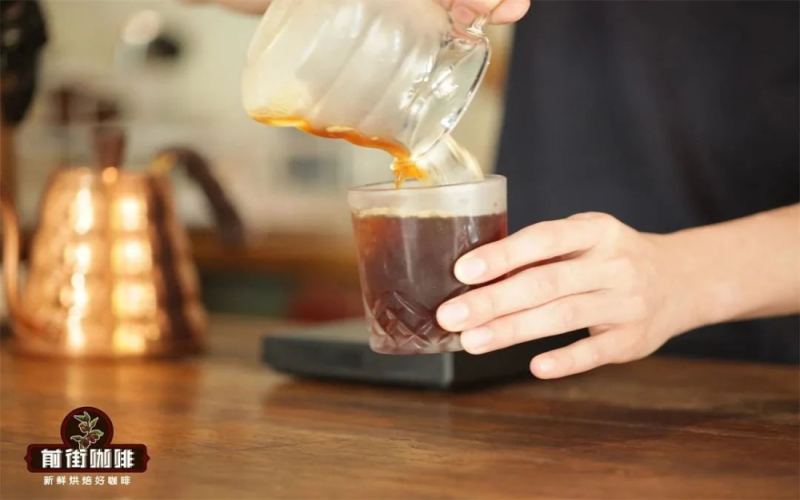
The biggest difference between iced pour-over and regular hot pour-over is the introduction of ice as a variable. Ice does not participate in the extraction, so it is necessary to rebalance the grind size, coffee-to-water ratio, and pouring technique. Through brewing practice with multiple beans, Front Street Coffee has summarized an easy-to-control approach of a 1:10–1:12 coffee-to-water ratio and a 1:5 coffee-to-ice ratio. Taking 15 grams of coffee as an example, that means 150 grams of water and 75 grams of ice. The grind size needs to be adjusted finer to compensate for the shortened extraction time. When pouring, reduce the flow rate and increase the number of pours, keeping the total time between 1 minute 40 seconds and 1 minute 50 seconds. In terms of bean selection, light-to-medium roasted flavor-focused coffees better showcase the refreshing quality of iced brewing, while dark-roasted beans tend to produce a thinner mouthfeel and reduced balance. [more…]

How to Choose the Water Temperature for Pour-Over Coffee? A Side-by-Side Test of 90°C vs. 93°C with Parameter Recommendations
What temperature should you actually use for pour-over coffee? Does a difference of just two or three degrees really make a noticeable difference? Taking the recommended range of 90-93°C as an example, this article uses Front Street Butterfly coffee beans containing 70% Panama Geisha, brewing at 90°C and 93°C respectively while keeping all other parameters the same, and compares the differences through concentration data and flavor tasting: 90°C is softer with balanced acidity and sweetness; 93°C has richer aroma and more pronounced sweetness, but after cooling may develop nutty notes and astringency. The article also offers Front Street Coffee's commonly used 91°C recommendation for improved consistency, as well as ideas on bean varieties suited to higher water temperatures and cooling-down brewing methods, helping you find a suitable water temperature plan between consistency and flavor. [more…]

Summer Iced Pour-Over Coffee Brewing Guide: From the Universal Formula to a Detailed Explanation of the One-Pour Simple Method
On a scorching summer day, a refreshing glass of iced pour-over coffee is undoubtedly the best choice for cooling off and refreshing yourself. Compared with cold brew and iced drip, iced pour-over is quick to make and requires no special equipment, making it a favorite among many coffee lovers. Starting from the universal formula for iced pour-over, this article explains in detail the coffee-to-water-to-ice ratio, grind size adjustments, and the three-stage pouring technique, and uses Tanzania Kilimanjaro as an example to demonstrate the complete brewing process. It also introduces the "one-pour iced pour-over" developed by Tetsu Kasuya, which eliminates cumbersome techniques and uses the Mugen infinite cross-star dripper with 20 grams of Panama Abu Estate sun-dried Caturra to easily obtain a smooth, sweet-finish iced coffee. Whether you are a beginner or a seasoned enthusiast, you can find a summer iced coffee solution that suits you. [more…]
Iced Pour-Over Coffee Recipe and Practical Comparison: How a 15g Dose Ratio and Ice Addition Order Affect Flavor
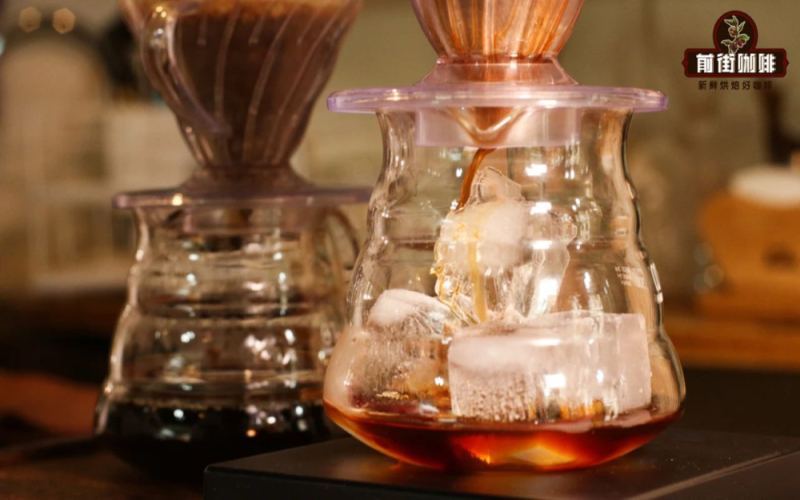
Iced pour-over coffee has gained popularity among many enthusiasts in recent years, but the details during brewing often determine the final flavor direction. Front Street Coffee uses 15 grams of coffee grounds and a 1:10 coffee-to-water ratio as the foundation, paired with 100 grams of ice for cooling and dilution, and conducts a side-by-side comparison experiment on the two methods of adding ice first versus adding ice later. This article fully presents the experimental parameters, brewing process, and sensory differences, while also sharing the flavor performance of the Kafa Forest Ethiopian washed bean, helping readers understand the specific effects of ice addition timing on coffee cleanliness, aroma intensity, and mouthfeel changes, providing reference adjustment ideas for daily brewing. [more…]