







Search Results for: Espresso coffee grounds
How to Make Espresso? A Detailed Explanation of the Extraction Steps, Three Layers, and Key Details
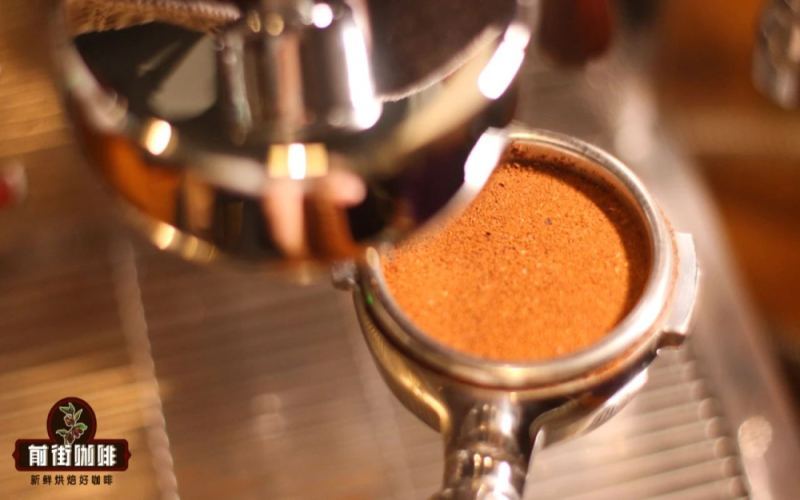
Espresso has always held a key position in café offerings, and as its soul, espresso is a core skill that every barista must master. What exactly is espresso? How should a qualified shot of espresso be extracted? Front Street Coffee will draw on practical experience, starting from the definition of espresso and its three layers, gradually breaking down the complete process of cleaning the portafilter basket, grinding and dosing, distributing the grounds, tamping, locking in the portafilter and extracting, and finally cleaning—while highlighting two key details: even distribution of grounds and recording parameters—to help coffee lovers consistently recreate their ideal espresso at home. [more…]
One shot or two? Decoding what a "shot" really means, starting from dose standards
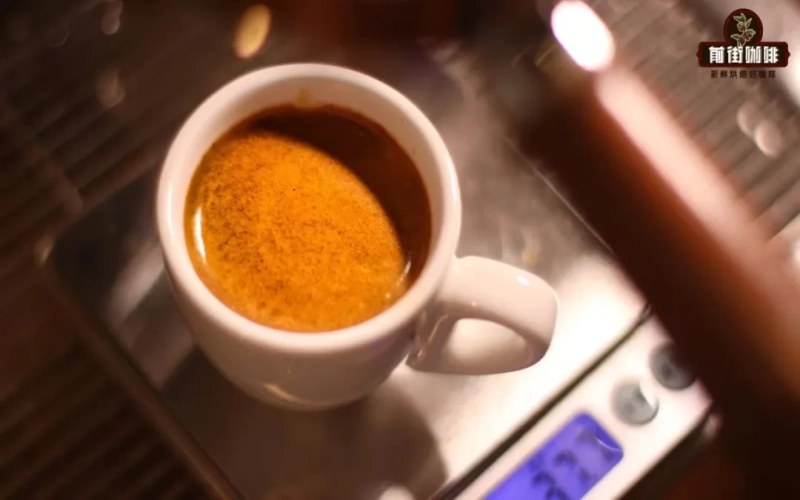
When ordering at a coffee shop, have you ever been confused: if you extract 36ml of espresso from 18g of coffee grounds, should that count as 1 shot or 2 shots? This seemingly simple question actually involves the evolution of measurement standards in the coffee industry. In the early days, 1 shot referred to 30~36ml of coffee liquid extracted from 7~9g of grounds, while today the mainstream approach has changed to extracting 36ml of liquid from 18g of grounds. Is the measurement object the dose of grounds or the volume of liquid? Today, Front Street Coffee will start with the origin of the word "shot" to help you thoroughly sort out the logic for determining single versus double espresso, so you will no longer be confused when ordering or making coffee. [more…]
Why Isn't It Recommended to Have Espresso Beans Pre-Ground? An In-Depth Look at Coffee Grounds Shelf Life and Grind Precision
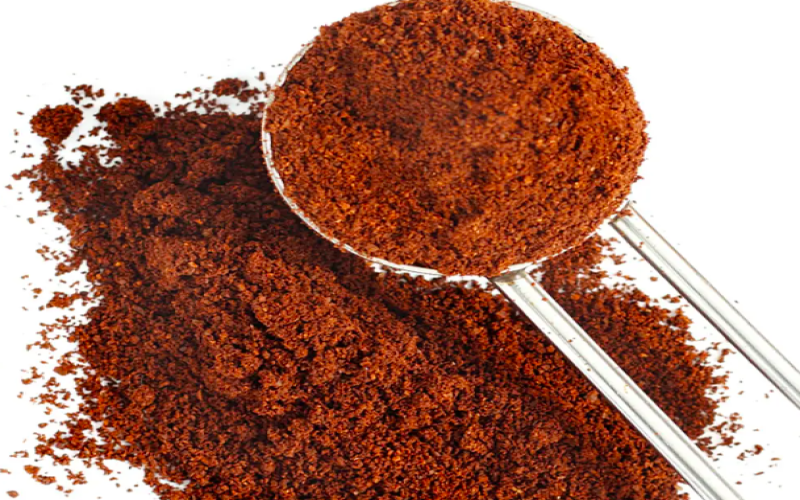
Many merchants who sell coffee beans offer a grinding service, but if you plan to use that ground coffee to extract espresso, Front Street suggests you think twice. This article explains in detail, from three angles—the speed of flavor loss, the impact of carbon dioxide loss on crema, and the demanding precision requirements of espresso grinding—why espresso beans are not suitable for grinding into powder in advance, while also telling you just how short the shelf life of ground coffee really is. If you care about crema and flavor in coffee, this key information is not to be missed. [more…]
Espresso Extraction Parameters | What is the golden extraction ratio for espresso? What are the specific steps for extracting espresso?
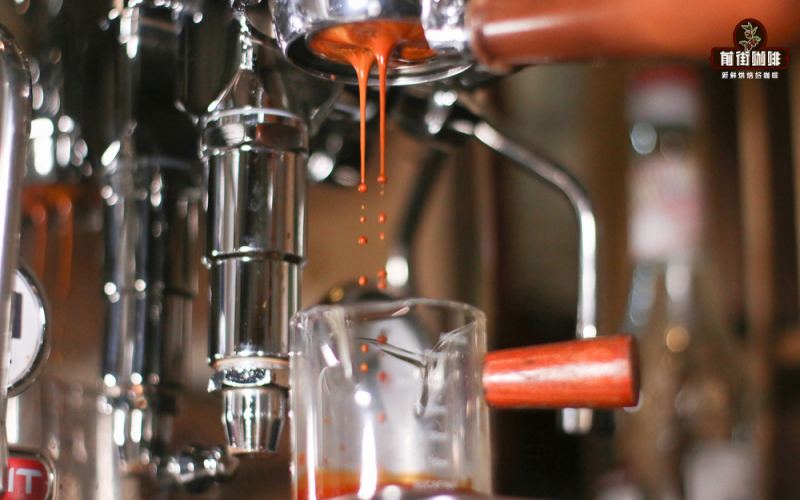
Front Street Coffee has always emphasized that the extraction parameters for pour-over coffee have a significant impact on the cup, and for espresso the impact is even greater. You should know that factors such as the concentration and extraction time of espresso are more demanding than those of pour-over coffee, and the slightest [more…]
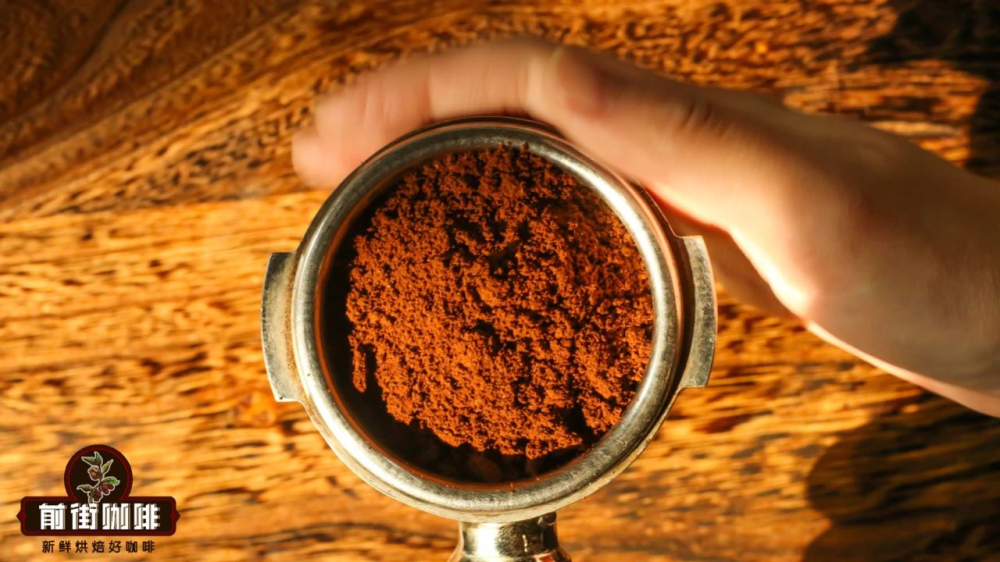
Espresso Coffee Beans | How to Choose Coffee Beans for Making Espresso? What Are the Espresso Bean Price, Extraction Time, Coffee Grounds Dose, and Ratio Parameters?
Each espresso extraction has different restrictions on the amount of coffee used depending on the size of the portafilter basket. Front Street Coffee, when making a single shot of espresso (1 shot), uses 10-11g of coffee grounds to extract 20-25g of espresso liquid. [more…]

History of the Origins of Espresso | How Do You Make Italian Espresso with Golden Crema? What Flavor Characteristics Does Espresso Have?
The term "Espresso" originates from the Italian word "Express," meaning "fast." This also indicates that espresso is a product that can be produced quickly. To make espresso, a dedicated espresso machine is required. The birth of espresso [more…]
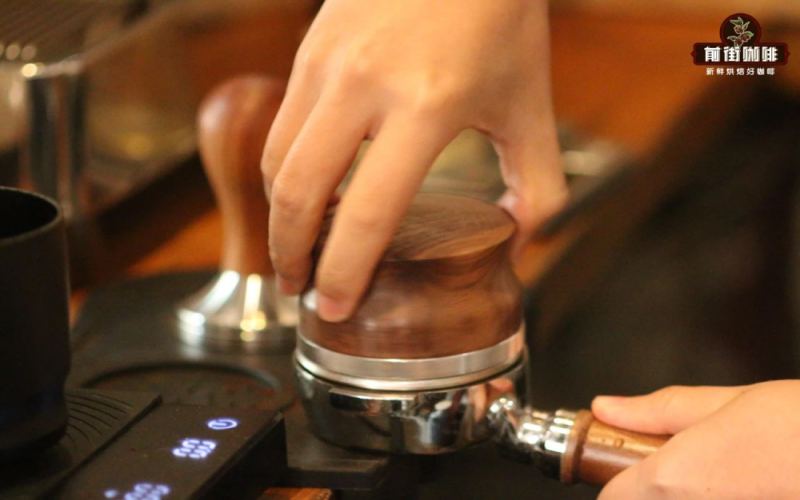
Espresso Brewing Basics | How Can Coffee Beginners Make Espresso? What Are the Steps in the Standard Espresso Brewing Process?
As public demand for coffee grows, more and more coffee enthusiasts are buying related coffee equipment. In the third wave of specialty coffee, online sales of pour-over coffee equipment have been steadily rising, and it is also becoming increasingly common for coffee lovers to keep an espresso machine at home. However, [more…]
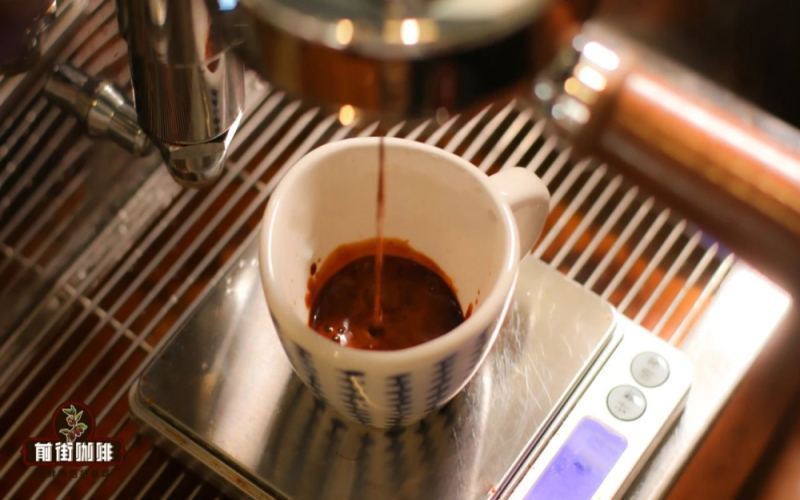
Espresso Comprehensive Guide: The Concept's Origin, Extraction Principles, and Six-Step Preparation Process
Espresso is the most common type of coffee in today's cafés, and it is also a daily must-order choice for many enthusiasts. It originated in Italy and is characterized by rapid extraction under high pressure. A single shot of espresso is about one ounce, covered with a reddish-brown crema on the surface. From the perspective of Front Street, this article systematically explains the concept of espresso, the principles behind crema formation, the differences between dark-roast blends and single-origin espresso (SOE), and breaks down in detail the six preparation steps: cleaning the portafilter basket, grinding and dosing, distributing the grounds, tamping, locking in the portafilter and extracting, and cleaning the portafilter basket. It also shares practical advice on parameter recording and coffee bean freshness to help you make a balanced, sweet, and mellow espresso at home. [more…]
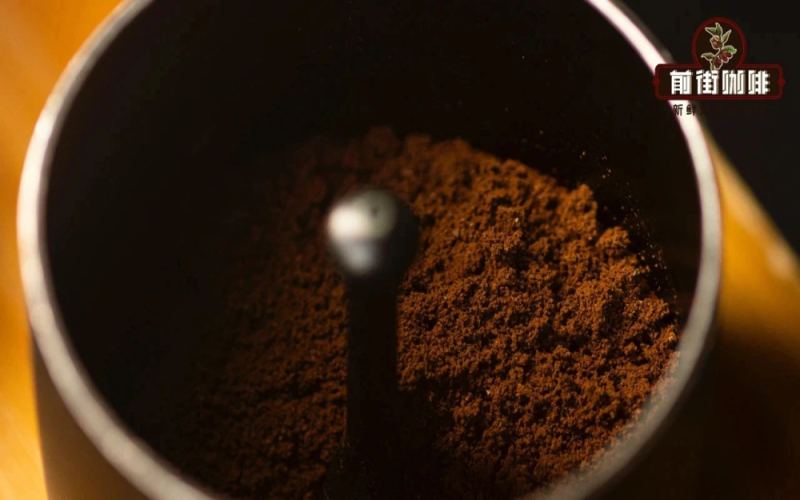
How Much Force Is Appropriate for Tamping Espresso? Practical Techniques and Parameter Sharing for Leveling Coffee Grounds
Making espresso seems simple, but many coffee enthusiasts still find the flavor unsatisfactory even after following the parameters. Front Street Coffee believes the problem often lies in the tamping step—this inconspicuous step directly affects the even extraction of the coffee grounds. Through comparative experiments, this article explains the necessity of tamping, clarifies the principles behind distribution and tamping, and explains in detail the correct tamping posture, pressure, and angle to help solve common problems such as tilted or uneven tamping. It also shares the complete parameters for extracting espresso at Front Street stores, as well as the flavor characteristics of the espresso blend beans used, for coffee enthusiasts to reference and practice. [more…]
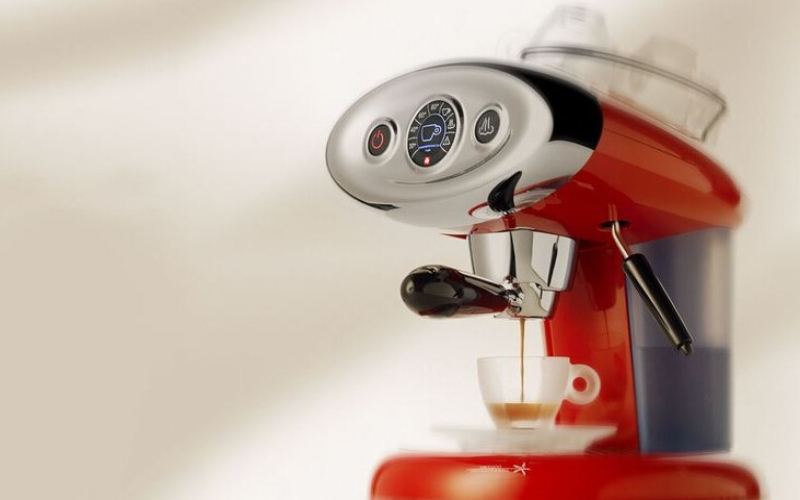
Illy Espresso Ground Coffee Review: Pairing with Espresso Machines, French Press Brewing Methods, and Introduction to Cappuccino Varieties
As an iconic Italian coffee brand, illy has been regarded as a benchmark in the pre-ground coffee segment since its founding in 1933. Its espresso powder is ground from 100% Arabica beans, positioned as more premium than instant coffee, and able to retain a richer original flavor. But many enthusiasts are confused about how to brew it—it is not an instant product and requires equipment such as an espresso machine or a French press to extract the ideal strength. This article will systematically review the pros and cons of illy espresso powder, introduce practical brewing methods for home and office scenarios in detail, and also touch on the varieties of cappuccino. At the same time, Front Street Coffee will also provide targeted equipment recommendations in the article to help everyone better bring out the performance of this classic Italian-style coffee powder. [more…]
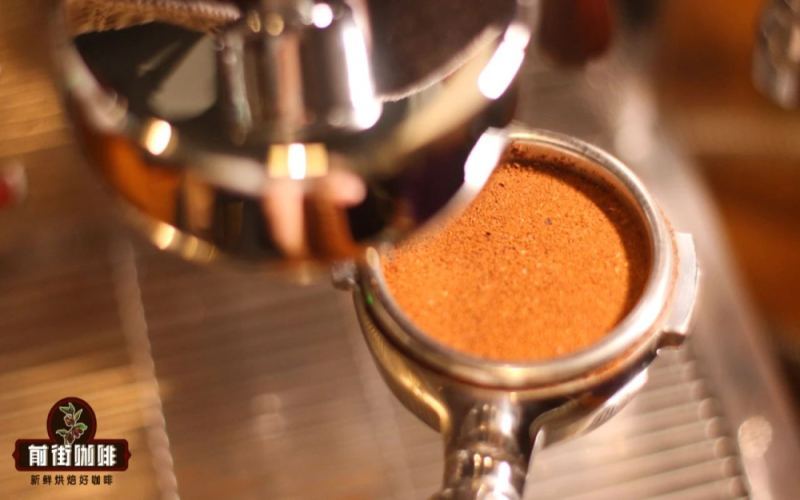
Practical Guide to Espresso Distribution and Tamping: How to Avoid Channeling and Make Delicious Espresso
To make a good espresso, distributing and tamping the coffee grounds are essential steps you can't avoid. At Front Street Coffee, we've found in our daily brewing that the core purpose of both steps is to prevent channeling—when the coffee grounds in the portafilter basket are unevenly distributed, hot water flows along the path of least resistance, causing some grounds to be severely over-extracted and others under-extracted, resulting in a final taste that is both sharply sour and bitter. Drawing on Front Street's hands-on experience, this article first explains why channeling occurs, then walks through the correct distribution technique, ideas for improving how you catch the grounds, and key points for tamping such as keeping your arm vertical and applying even pressure, to help you pull a consistently delicious espresso. [more…]
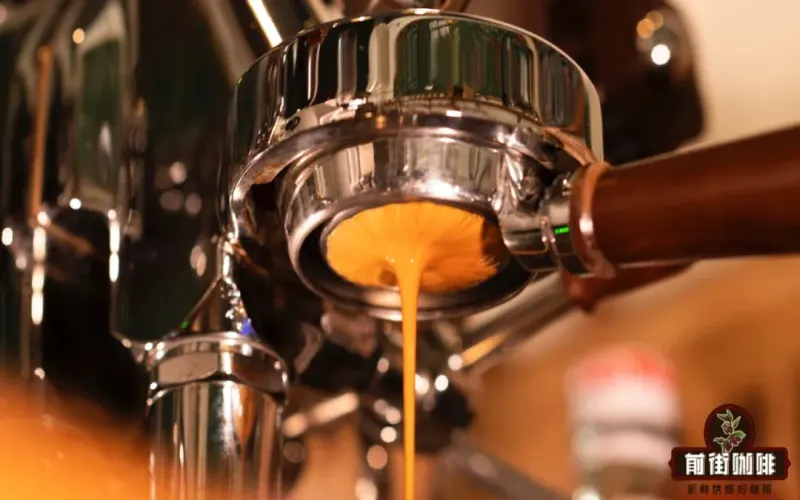
Uncovering the Hidden Factors Behind Unstable Espresso Extraction: How Residual Grounds, Water Temperature, Pressure, Environment, and Chamber Pressure Affect the Flow
Many coffee enthusiasts will notice that with the same beans and the same machine, the flow rate of espresso can change every few hours or even every few dozen minutes, sometimes fast and sometimes slow. Beyond the aging characteristics of the coffee beans themselves, there are actually quite a few easily overlooked hidden factors influencing the extraction results, including residual grounds in the grinder's chute, temperature fluctuations in the espresso machine's hot water, the state of the pump pressure, changes in ambient temperature, humidity and air pressure, and whether the grinder's hopper pressure remains stable in a café setting. Front Street will analyze these factors' mechanisms of influence on espresso extraction one by one, and provide corresponding improvement solutions to help everyone reduce unnecessary adjustments and make their output more consistent. [more…]

What tier is illy coffee? A full guide to espresso powder pour-over methods and storage tips
illy is an Italian coffee brand founded in 1933, known for its pre-ground coffee and the invention of the fully automatic espresso machine. It is positioned above instant coffee and belongs to the high-end pre-ground coffee category. So how exactly should you drink illy coffee grounds? Can they be used for pour-over? This article will provide coffee lovers with detailed answers from three aspects: brand tier, brewing methods, and storage methods. It also compiles the specific operating parameters for three common devices—pour-over, American-style coffee maker, and French press—and reminds readers that espresso machines require specially labeled "Espresso" coffee grounds. Friends who like illy may wish to refer to Front Street Coffee's practical suggestions. [more…]

How to Use an Espresso Machine | Which Espresso Blends Are Suitable for Semi-Automatic Espresso Machines? Espresso Bean Origins, Varieties, Prices, and Espresso Extraction Ratio Plans
Espresso was invented by MR. Gaggia in 1946. Gaggia further improved the piston pressure system—using spring pressure instead of manual pressing, so that the brewed coffee is topped with a layer of golden coffee crema (Crema), which is Crem [more…]

Why is it not recommended to have espresso beans ground by the roaster? The deep impact of carbon dioxide loss on espresso extraction and crema
Many coffee bean merchants offer grinding services, including Front Street Coffee, but for espresso extraction, Front Street Coffee does not recommend choosing pre-ground coffee. The reason is not just that the flavor is lost more quickly, but more critically, the carbon dioxide in the coffee beans dissipates in large amounts. Carbon dioxide plays an important role in espresso extraction by building crema and slowing down the flow rate. Once ground into powder, flavor and gases escape more rapidly, the crema becomes thinner day by day, the extraction speed increases, and it can even lead to under-extraction. At this point, the only remedies are adding more coffee or adjusting to a finer grind, but the portafilter basket has limited capacity, leaving very little room for adjustment. This article provides a detailed analysis of the specific effects of pre-ground coffee on espresso extraction, and recommends that those who have requirements for taste and crema prioritize whole beans. [more…]
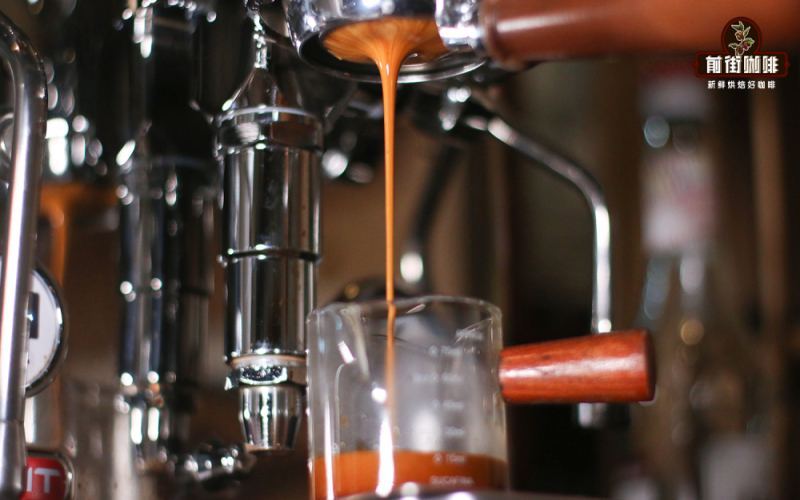
Espresso Extraction Time and Brew Ratio Standards: Why Can't Espresso Grounds Be Reused for Extraction?
To make a standard espresso, variables such as extraction time, coffee-to-water ratio, grind size, flow rate, pressure, and water temperature are all indispensable. Starting from Front Street Coffee's store experience, this article breaks down one by one several key parameters that affect espresso flavor, and explains why espresso grounds cannot be extracted a second time—once soluble aromatic substances have been released to about 22%, continuing to add water will only bring out off-flavor large molecules. In addition, it also summarizes the flavor characteristics of four Front Street espresso blend beans for coffee lovers to choose according to taste preferences. [more…]
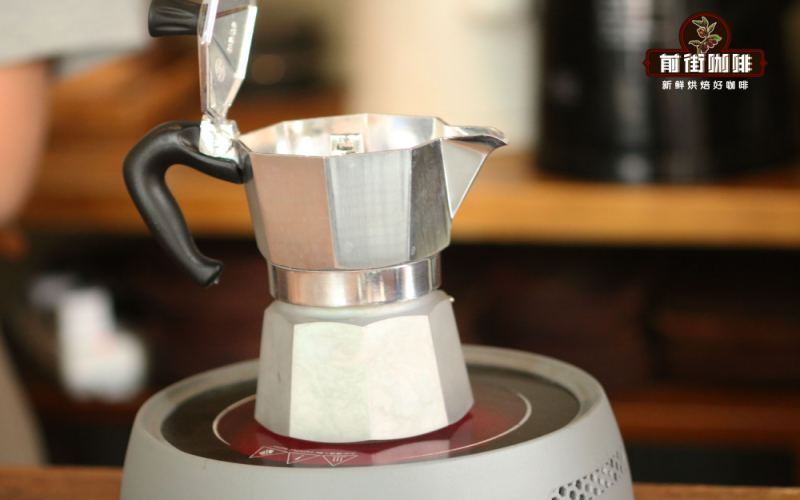
Does Moka Pot Extraction Count as Espresso? A Full Analysis of Dose, Grind Size, and Operation Details
The moka pot is a classic symbol of Italian coffee culture and also a substitute for many households that don't have an espresso machine. But does the coffee it brews actually count as espresso? How much ground coffee should go in a cup, how fine should the grind be, and how should the heat be controlled? This article starts from the structure and working principle of the moka pot, explains its essential differences from modern espresso in terms of pressure and temperature, and provides practical parameters such as coffee dose, grind size, and bean selection. It also includes complete operating steps and common questions about crema, helping you consistently brew a rich, delicious cup with a moka pot. [more…]
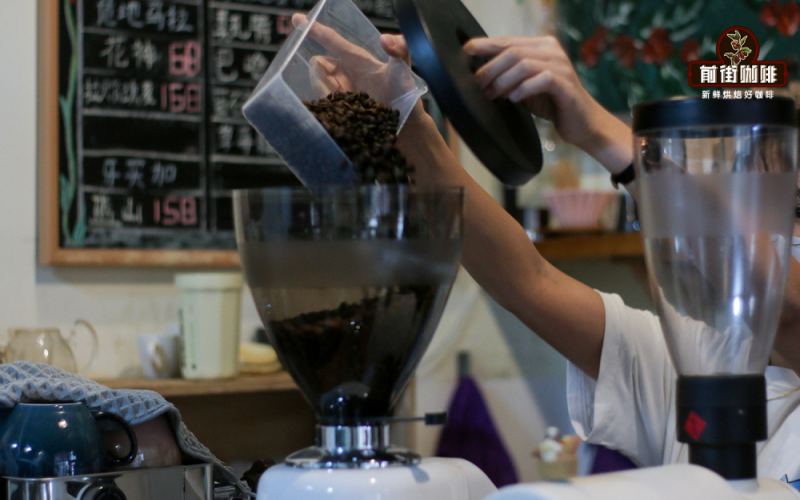
Espresso Extraction Standards | How Can Coffee Beginners Determine Espresso Grind Size, Extraction Time, and Coffee-to-Water Ratio? Which Coffee Beans Can Be Used for Espresso Blends?
Front Street has noticed that many coffee novices or baristas believe the key skills in making espresso-based coffee are milk frothing and latte art, but Front Street believes the most important thing in espresso-based coffee is the extraction of the espresso shot. If the espresso doesn't taste good, no matter how smooth and velvety the milk foam is or how beautiful the latte art looks, the milk coffee won't taste good either. [more…]
A Complete Guide to Espresso Making: From Americano Comparison to Espresso Machine Operation Steps and Extraction Parameters
Espresso is the base for many drinks such as Americano, latte, and cappuccino, and its preparation relies on high-pressure hot water passing through a finely ground and compacted layer of coffee. From the perspective of Front Street Coffee, this article sorts out the extraction principles of espresso, compares the historical origins and ratio differences of Americano, introduces the flavor positioning of Front Street's four espresso blend beans, and provides extraction standards such as dose, yield, and time. Finally, it includes the seven-step process for in-store practice and extended drink-making methods, making it suitable for coffee enthusiasts who want to systematically master espresso preparation and bean selection ideas. [more…]
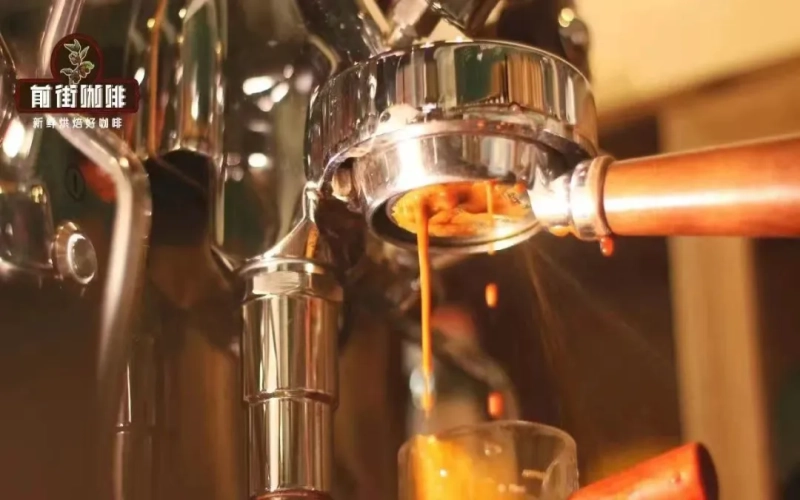
Espresso Coffee Distribution and Tamping Techniques: How to Avoid Channeling and Improve Extraction Uniformity
In the making of espresso, although distribution is just a simple step, it directly affects whether the extraction is even. Many coffee enthusiasts find that the puck surface looks level, yet during extraction channeling occurs frequently, with coffee liquid spraying everywhere. The key reason behind this often lies in the uneven distribution of coffee grounds inside the basket, rather than the flatness of the surface. Using its commercial espresso blend beans as an example, Front Street Coffee explains in detail the correct methods of distribution and tamping, including the choice of how to catch the grounds, the technique of smoothing with a finger, and the points to note when tapping the portafilter, helping everyone start from the details to reduce channeling and improve the extraction quality of espresso. [more…]