








The word "Espresso" originates from the Italian word Express, meaning "fast." This also indicates that espresso is a product that can be produced quickly. To make espresso, you need to use a dedicated espresso machine.
EspressoBirth of
Originally, the espresso machine worked by using two separate boilers to boil water and produce steam, then using steam pressure to pressurize the hot water (around 1.5 bar) through the coffee grounds to extract a highly concentrated coffee liquid. However, the espresso produced this way did not taste good.

Therefore, in the early 20th century, an Italian named Luigi Bezzerra bought the patent for the original version of the espresso machine and added a device to stabilize pressure, as well as a new coffee filter basket for filtering and making the coffee grounds evenly thick.
In just a few dozen seconds, hot water is pressurized and quickly passed through a very finely ground, evenly distributed layer of coffee grounds to extract a more balanced flavor, producing a more intense espresso that falls directly into the cup. This is also the most basic design of today's espresso.
Although espresso appeared when the espresso machine was born in 1884, at that time those drinking coffee were male workers, and women could not enjoy coffee in coffee shops. Therefore, not all Italians had tasted espresso at that time, and not everyone liked its taste.

ModernThe Birth of Espresso and Its Flavor Characteristics
With the progress of the times, more and more Italians began to taste espresso, and such a strong coffee gradually became Italy's national drink. As more people drank it, there were also more demands for coffee's taste and quality. Therefore, in 1946, a man named Gaggia further improved the piston pressure system—using spring pressure instead of manual pressing, allowing the brewed coffee to float with a layer of golden coffee oil—Crema.
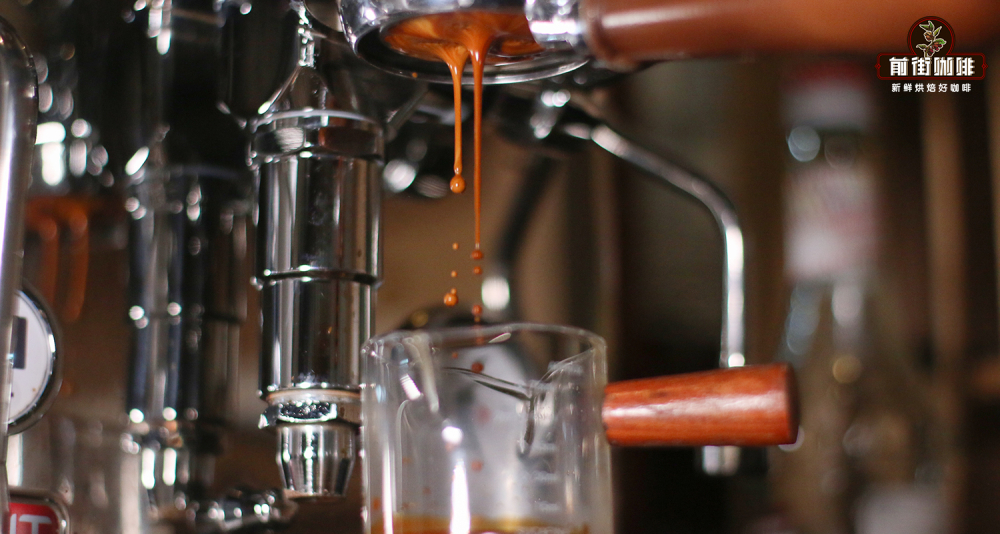
Crema appeared for the first time in coffee history and quickly gained recognition and love from Italians. Afterward, espresso production gradually began to require coffee oil. Front Street Coffee believes that a good cup of espresso, though strong, is not burnt or bitter, is mellow and solid, has obvious sweetness in the aftertaste, and has clear layers, with the golden oil bringing a smooth and delicate mouthfeel to the coffee.
How to Make Espresso with Golden Crema?
The oil on espresso is actually carbon dioxide in the coffee particles that, in a sealed and pressurized environment, cannot return to the atmosphere, so after combining with water and passing through the coffee particles, it is extracted together with the oils and soluble substances in the coffee. Due to the difference in density between oil and water, a layer of golden oil floats on the surface of the coffee liquid after it falls into the cup.

During roasting, coffee beans undergo structural changes, and a large amount of carbon dioxide is produced inside the beans. After roasting, as time passes, the carbon dioxide is released on its own and takes away the volatile aromatic substances in the coffee. Therefore, if you want espresso to have a rich aroma and abundant oil, it is especially important to use freshly roasted coffee beans and grind them right before extraction.

Front Street Coffee currently sells a variety of espressos, including Front Street Classic Espresso Blend, Front Street Specialty Espresso Blend A, Front Street Commercial Espresso Blend, Front Street Basic Espresso Blend, and Front Street Strawberry Candy Espresso. All are shipped within 5 days after roasting is completed, so every customer who places an order receives the freshest coffee. The resting period for coffee is about 4-7 days, so when customers receive it, it is at its best flavor.
Steps for Making Espresso
Front Street Coffee's shop uses about 10 grams of coffee grounds to extract about 20 g of coffee liquid for a single espresso, and about 20 grams of coffee grounds to extract about 40 g of coffee liquid for a double espresso. The extraction water temperature is 94°C, and the extraction time is 20-30 seconds.
For a single espresso, use a single filter basket and single-spout portafilter to extract one single espresso at a time. For a double espresso, use a bottomless filter basket and bottomless portafilter or handle to extract a double espresso at a time.
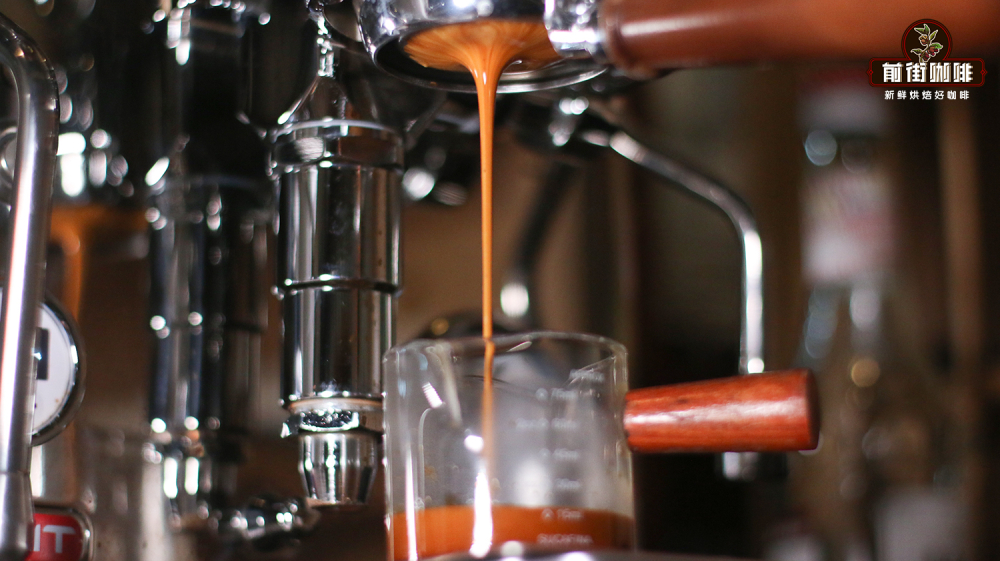
First, prepare a dedicated espresso machine, then remove the portafilter and use a dedicated cloth to clean the coffee filter basket, ensuring the basket is clean and free of water stains.
Then use a dedicated grinder to grind the coffee beans very finely. (Note: Before receiving the coffee grounds, place the portafilter on an electronic scale and tare it, then after receiving the coffee grounds, place it on the electronic scale to ensure the weight of the coffee grounds is consistent each time.) When receiving the coffee grounds, pay attention to where the grounds fall in the portafilter to ensure they fall evenly across all areas of the portafilter.
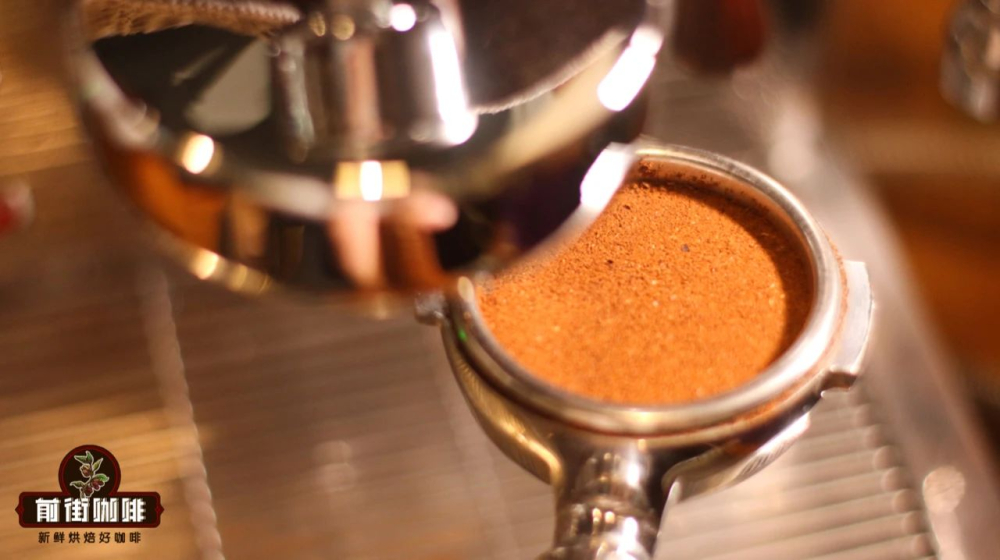
Then use your fingers to distribute the coffee grounds in the filter basket as evenly as possible, and with your arm vertical, use the tamper provided with the coffee machine to tamp the coffee grounds layer. Then gently lock the portafilter onto the coffee machine, avoiding bumping the portafilter against the machine. Extra bumping can cause cracks in the coffee puck inside the portafilter, leading to channeling, under-extraction, and uneven extraction.
After locking the portafilter, immediately turn on the extraction switch and begin extracting the espresso. At the same time as extraction begins, use an electronic scale to measure the weight of the espresso liquid, and constantly monitor the extraction time and the color and condition of the coffee liquid. After extraction is complete, knock the puck out into the knock box, clean with a dedicated cloth, and finally lock the portafilter back onto the coffee machine.
The above content is compiled by CoffeeHunters, a coffee news website.


