







How does espresso making differ from American coffee?
Espresso is the base of Americano, latte, cappuccino, flat white and mocha. It is made by forcing hot water at about 92°C through a finely ground, compacted layer of coffee grounds under high pressure, extracting dissolved solids into a concentrated liquid with more caffeine per unit volume than most coffee drinks. Americano can be made two ways: drip brewed, or espresso diluted with water.
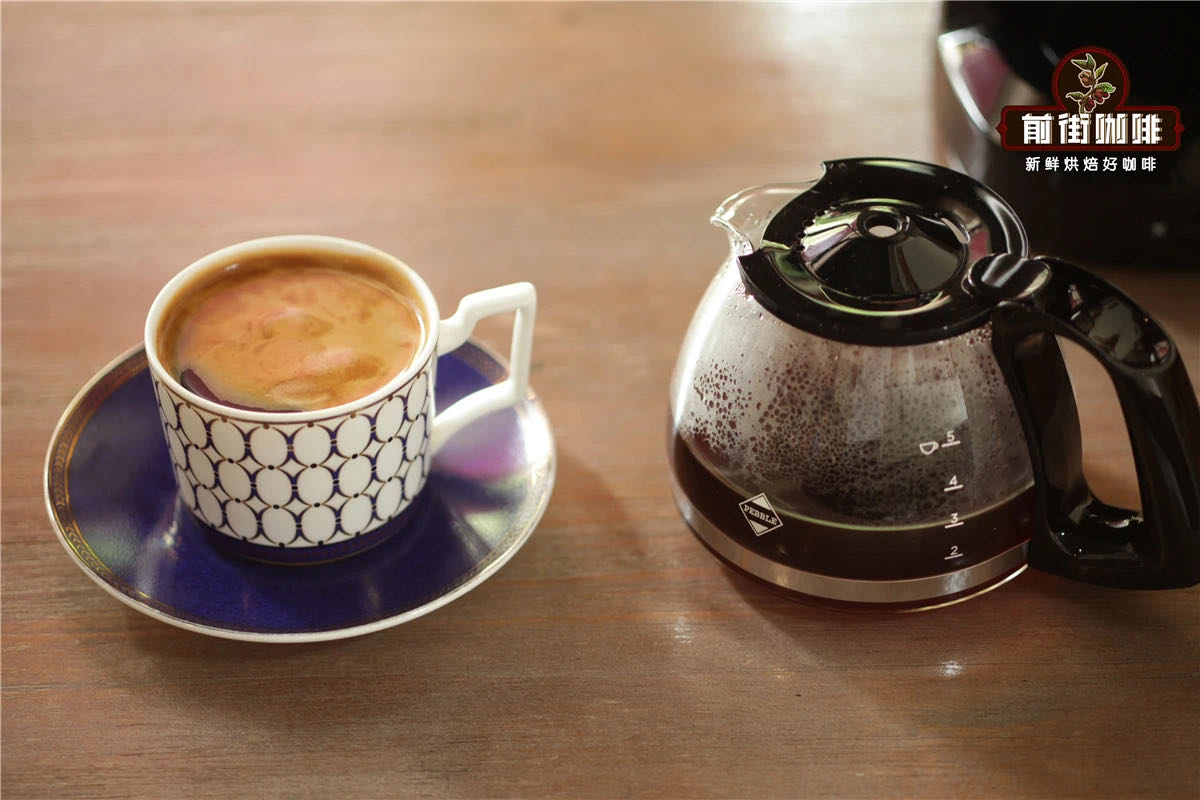
The difference traces back to history. American-style drip machines spread through US households first, producing a lighter, low-body, watery cup. During World War II, American officers in Europe drank espresso and diluted it with hot water to approximate the taste at home. That contrast explains why an american coffee pot and an espresso machine yield such different results.
Espresso is the base of many drinks such as Americano, latte, and cappuccino, and its preparation relies on high-pressure hot water passing through a finely ground and compacted layer of coffee grounds. From the perspective of Front Street Coffee, this article sorts out the extraction principles of espresso, compares the historical origins and ratio differences of Americano, introduces the flavor positioning of Front Street's four espresso blend beans, and provides extraction standards such as dose, liquid yield, and time. Finally, it includes the seven-step in-store process and extended drink-making methods, suitable for coffee lovers who want to systematically master espresso preparation and bean selection ideas.
For more specialty coffee knowledge, please follow: Front Street Coffee (Frontsteet Coffee)
Many people come to Front Street for pour-over coffee, but there are also many customers willing to order espresso. Espresso is the common foundation of various espresso drinks such as Americano, latte, cappuccino, flat white, and mocha, and this is already common consensus in the coffee world.
According to Front Street's understanding, espresso is written as "espresso" in foreign languages, and its caffeine content per unit volume is also higher than most coffee beverages. It is extracted by an espresso machine. The principle is to let hot water (usually about 92°C) pass through a finely ground and compacted layer of coffee grounds under high pressure, obtaining liquid by extracting solids and dissolved components. This is espresso. Although espresso is the origin of all coffee drinks, it is also a standalone coffee beverage in itself. Many people also regard espresso as the representative of Italian coffee and compare it with Americano. So where exactly is the difference between Italian coffee and American coffee?
Americano has two preparation paths. One is the beverage extracted by an American-style drip coffee machine, and the other is made by diluting espresso with water. To understand the difference, we can start with the historical evolution of Americano. American-style drip machines were first popularized in American households, and Americans became accustomed to the taste of coffee made by drip machines—lighter in flavor, low in body, and noticeably watery. During World War II, the coffee American officers drank in Europe was basically espresso, with a strong and stimulating taste.
In order to simulate the flavor of drip machine coffee, they added water to the espresso liquid, which made the coffee flavor much softer and easier to accept. Since at that time no people from other countries in Europe drank coffee this way, this kind of coffee was called "Americano." In fact, this name carried a sarcastic meaning behind it, a local tease about Americans not being able to handle espresso. The French even privately called "Americano" "sock coffee," used to describe the terrible taste of Americano.
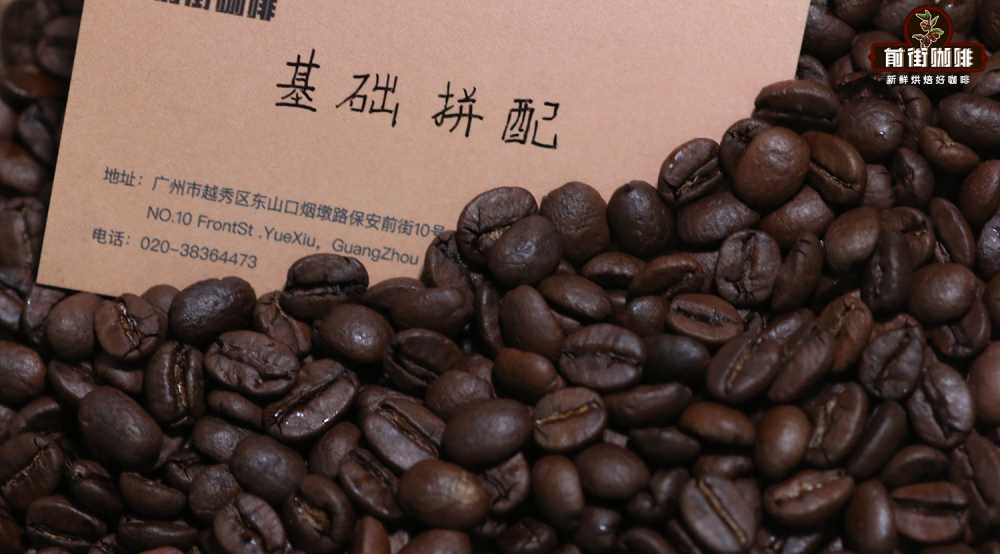
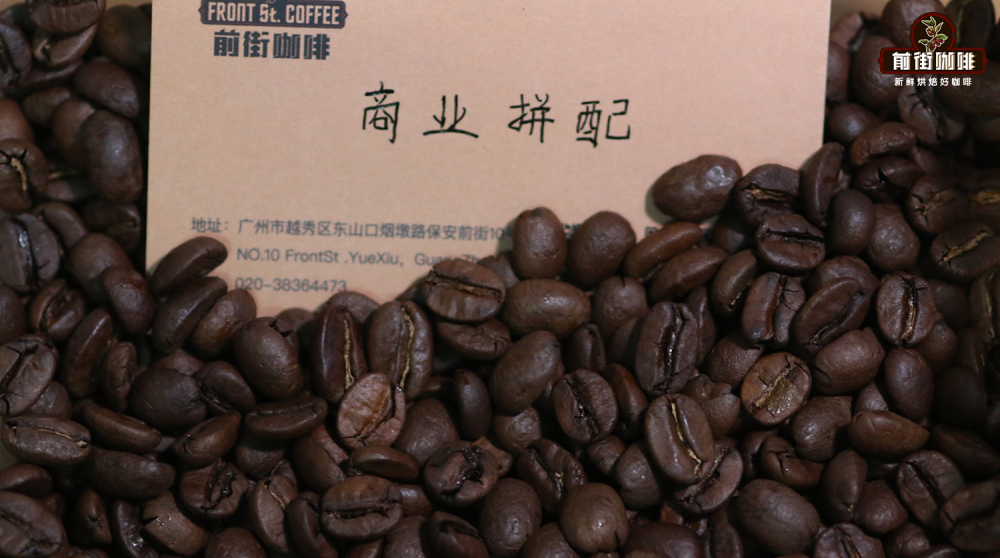
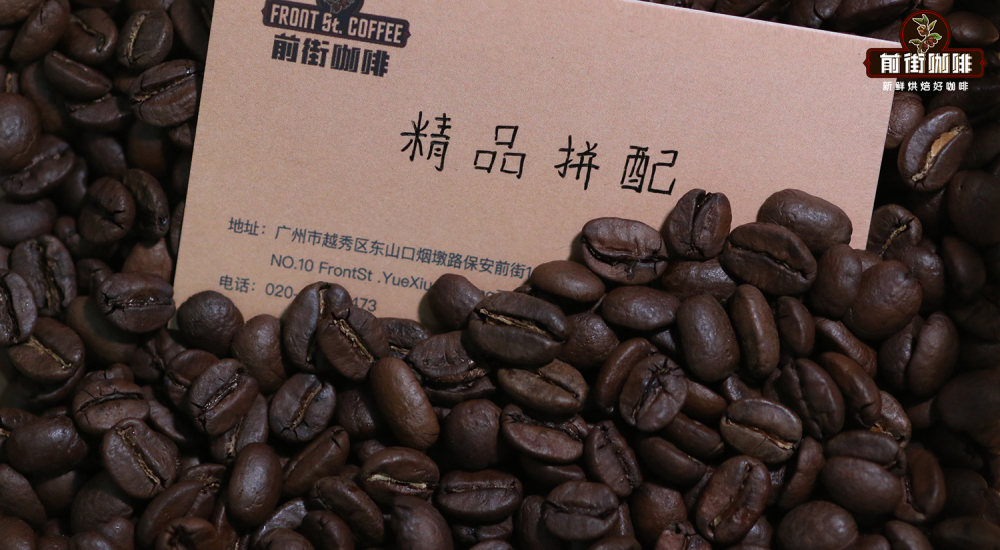
FrontStreet Coffee's Americano is actually espresso plus water, and the vast majority of coffee shops on the market also make it this way. Generally speaking, the water-to-liquid ratio of Americano is between 1:4 and 1:9, and different coffee shops have different standards. Front Street's hot Americano uses a water-to-coffee-liquid ratio of 1:4.5, determined by combining the characteristics of the Warm Sun blend espresso and the cup size served in stores. Front Street's iced Americano has a water-to-coffee-liquid ratio of almost 1:9. Because it is a blended espresso bean made in-store, and unlike other coffee shops that pursue nutty flavors, FrontStreet Coffee's Americano has a rich wine aroma, abundant crema, an overall full body, a creamy texture, and a long chocolate finish. Compared with hot Americano, iced Americano is more refreshing. Using different espresso beans produces coffee drinks with different flavors. In response to needs in various aspects, Front Street has designed a total of four espresso beans: Specialty Blend, Commercial Blend, the espresso moka pot coffee bean recommended by many baristas—Front Street Dark Cocoa Blend, and Warm Sun Blend.
The espresso moka pot coffee bean recommended by many baristas—Front Street Dark Cocoa Blend—uses commonly used bean varieties suitable for espresso, such as Brazilian, Colombian, and Yunnan coffee beans, with the aim of obtaining a better coffee flavor and mouthfeel at a lower cost. For coffee shops pursuing rich crema, Front Street's Commercial Blend adds 10% robusta beans, improving the overall body while also making the coffee flavor richer and more mellow. The nutty flavor is prominent, and the chocolate flavor paired with the sweetness of milk is very perfect. The Specialty Blend uses Arabica coffee beans from Brazil and Colombia. All-American Arabica can express a cleaner coffee taste, and the flavor performance of these two producing regions is nutty and chocolatey, very suitable for espresso service.
Sunflower Warm Sun Blend coffee beans were Front Street's new attempt in 2019. At that time, the concept of specialty (single-origin) coffee was very popular, and many SOEs selling flavor as a highlight also appeared, but Front Street planned to blend high-quality single-origin beans to make a blended coffee bean whose main purpose was flavor. In the end, Front Street decided to use the Sunflower Warm Sun Blend coffee bean formula combining Yirgacheffe Red Cherry and Honduras. Its rich vanilla cream and fermented wine aroma attracted a large audience.
But if you like coffee with a richer aroma, Front Street Classic Espresso Blend is recommended. This is a formula composed of beans from three origins: Brazil, Indonesia, and Vietnam. It uses a dark roast, which can highlight the rich aroma of the coffee to the greatest extent and also allows everyone to easily extract rich and dense crema. It is very suitable whether for making Americano diluted with water or latte paired with milk, and can be purchased and ordered at Front Street's Taobao store or Front Street Tmall flagship store.
Generally speaking, espresso extraction has certain standards. Depending on the filter basket, the weight of coffee grounds is generally between 18-22 grams. Make sure the weight of the coffee grounds is the amount you want, because a tiny difference can lead to a huge discrepancy. The most common brewing ratio is twice the coffee grounds, which means that if you have 18 grams of coffee grounds, then you had better extract 36 grams of espresso liquid, because once this value is exceeded, the coffee will easily have an over-extracted taste.
Of course, this standard can also change according to everyone's different needs. For example, the espresso served at Front Street stores uses 20 grams of grounds to extract 36 grams of coffee liquid, in order to make the resulting Americano and latte more aromatic and richer in flavor. What needs to be reminded here is that the weight of the liquid coffee is best 1-3 times that of the dry coffee grounds, with 2 times being commonly used.
Brewing time is the time used from pressing the button to the end of extraction, usually between 25-35 seconds. If the extraction time is longer or shorter than your expected time, the biggest reason is the coffee grind, so adjust according to your own needs and optimize the extraction parameters.
Generally speaking, fast extraction makes the coffee's acidity prominent and reduces sweetness. Slower extraction gives the coffee a bitter and dull flavor.
The most direct way to judge whether espresso can be served is to taste it. Taste is a very good method for judging the quality of espresso. However, because judging whether espresso is normal by taste is too subjective, some far-sighted baristas and roasters use a refractometer to measure the total dissolved solids (TDS) in espresso. TDS measurement allows them to determine accurate brewing strength and extraction percentage, and to correlate their preferred brewing parameters with numerical data. Measuring TDS also means we can use the following formula to calculate extraction percentage:
(%TDS x brewed coffee weight) / coffee grounds weight = extraction percentage
Many coffee lovers who come to Front Street show admiration for the baristas operating the coffee machine at the bar, curious about how they operate what seems to be a very complicated coffee machine. In fact, what baristas master is nothing more than the detailed steps of making espresso. As for how the coffee machine operates, most baristas do not know. So today, Front Street will introduce the detailed process of making espresso! Taking FrontStreet Coffee's normal operating process as an example:
Step 1: Wipe the filter basket to ensure the coffee filter basket is dry and free of water.
Step 2: Weigh the coffee grounds. Use an electronic scale to weigh an appropriate amount of coffee grounds, controlling the error to within plus or minus 0.1 grams.
Step 3: Distribute the grounds.
Step 4: Tamp the grounds.
Step 5: Lock in the portafilter.
Step 6: Press the button to extract.
Step 7: Remove the portafilter and clean the group head.
Front Street espresso extraction recommendation: 20g dose, extract 40g coffee liquid, time 30 seconds.
Just like that, one espresso is finished extracting.
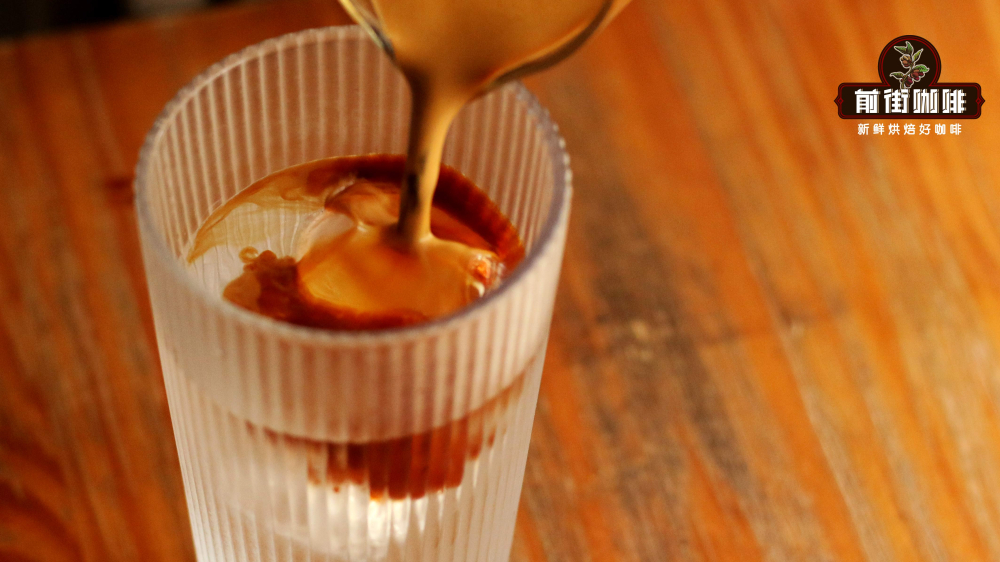
If you want to make other coffee drinks, it is nothing more than adding water, sugar, or milk to it. If you like Americano, Front Street will prepare a 200ml coffee cup, pour in 160ml of warm hot water, and finally pour in the espresso. A cup of hot Americano is ready.
Making iced coffee is also very simple: just add hot espresso to cold milk. As for hot latte, you need to use the steam wand on the coffee machine. Regarding how to steam milk, FrontStreet Coffee also has a dedicated article for teaching. If needed, everyone can look it up themselves. It is worth mentioning that many coffee chain brands now use fully automatic coffee machines, making operation even simpler—just press a button.
The above content is compiled by CoffeeHunters, a coffee news website.


