







Is Moka Pot Coffee the Same as Espresso?
No. Coffee from a Bialetti moka pot is rich and can even show crema, but it is not the same as modern espresso. The moka pot uses steam pressure built up in the bottom chamber to push hot water up through the coffee grounds, while a modern espresso machine works at far higher pressure and a controlled temperature, which changes extraction and body.
The Bialetti moka pot has three parts: a bottom container for hot water, a middle metal filter for grounds, and a top container for the brewed liquid. It is an icon of Italian coffee culture and a common home substitute for an espresso machine. Practical settings such as dose, grind size, heat control, and bean choice determine how consistent the cup turns out.
The moka pot is a classic symbol of Italian coffee culture and a substitute for many households that don't have an espresso machine. But does the coffee it brews actually count as espresso? How much grounds should go in a cup, how fine should the grind be, and how should the heat be controlled? This article starts from the structure and working principle of the moka pot, explains its fundamental differences from modern espresso in terms of pressure and temperature, and provides practical parameters such as dose, grind size, and bean selection. It also includes complete operating steps and common questions about crema, helping you consistently brew a rich and delicious cup with a moka pot.
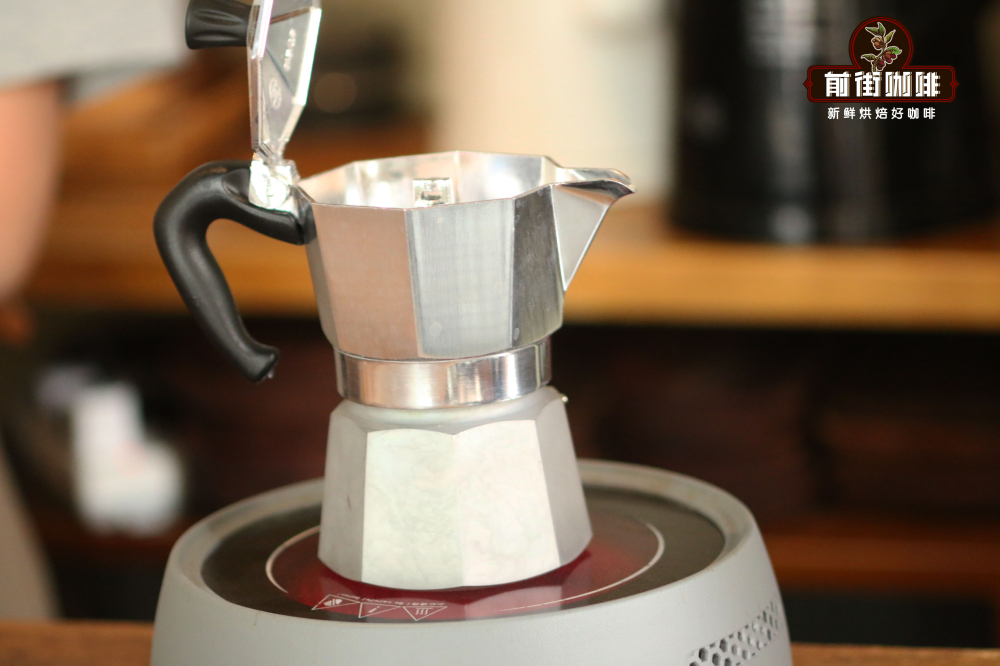
The moka pot is an icon of Italian coffee culture and one of the most famous coffee brewing devices in the world. Its iconic design, ease of use, and widespread availability make it one of the coffee tools many coffee enthusiasts collect.
Although not everyone has the money or the space at home for an espresso machine, people can still use a moka pot at home to brew a pot of coffee just as rich as espresso. One of the pros and cons of brewing coffee with a moka pot is that it is very convenient—not everyone needs an espresso machine to brew coffee with abundant crema.
How the Bialetti moka pot works
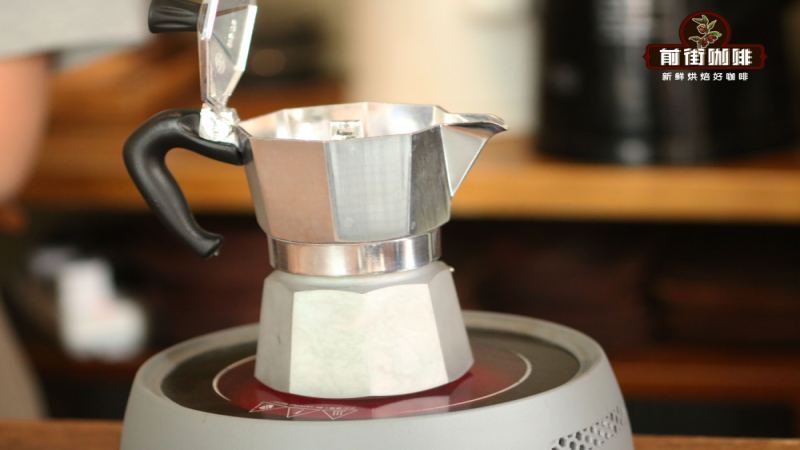
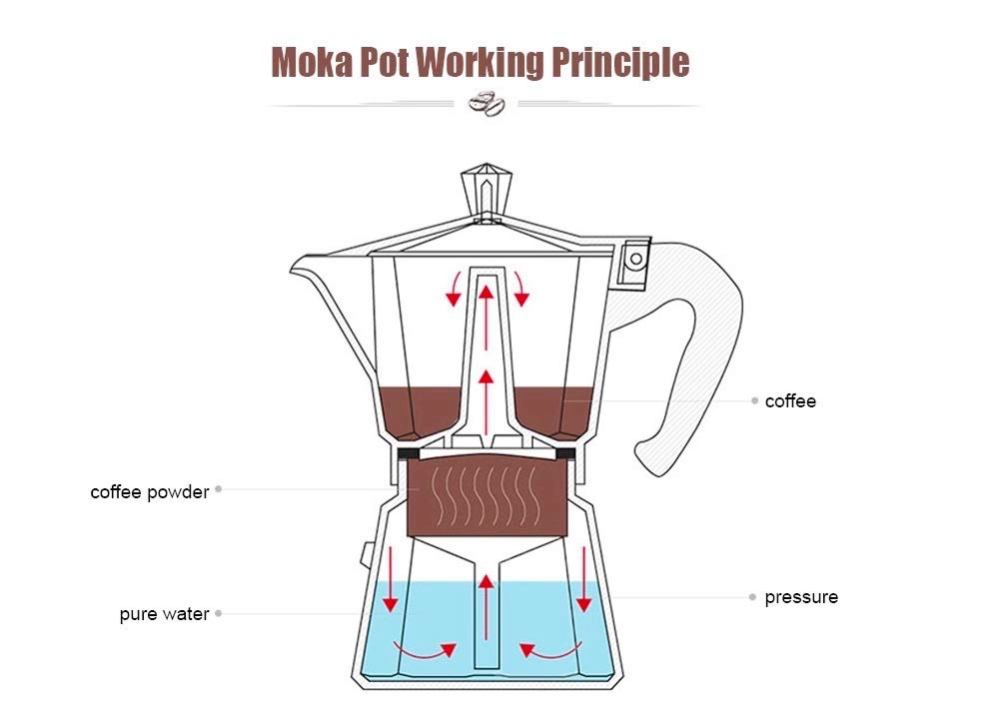
The Bialetti moka pot has an octagonal shape and is made of aluminum metal, with a rubber handle for heat insulation. The device has three main parts: the bottom container for holding hot water, a metal filter in the middle for holding coffee grounds, and the top container for holding the extracted coffee liquid.
When brewing coffee, the bottom chamber is filled with hot water, then the metal filter is installed on the bottom chamber and filled with coffee grounds, the top chamber is screwed on tightly, and finally the entire moka pot is placed on a heat source. When the water boils, steam is produced, the pressure in the bottom chamber increases, forcing the hot water in the bottom chamber through the coffee grounds in the middle, and then pushing the hot water through the tube that runs through the top and bottom chambers into the top chamber.
Is coffee brewed with a moka pot the same as espresso?
Although coffee brewed with a moka pot is also very rich, and sometimes even has crema, it is not the same as the espresso we know today. The extraction yield of coffee brewed with a moka pot is similar to that of espresso, but the extraction pressure of the two is very different. The standard pressure of a modern espresso machine is at least 9 bar, while the pressure of a moka pot is around 1.5 bar.
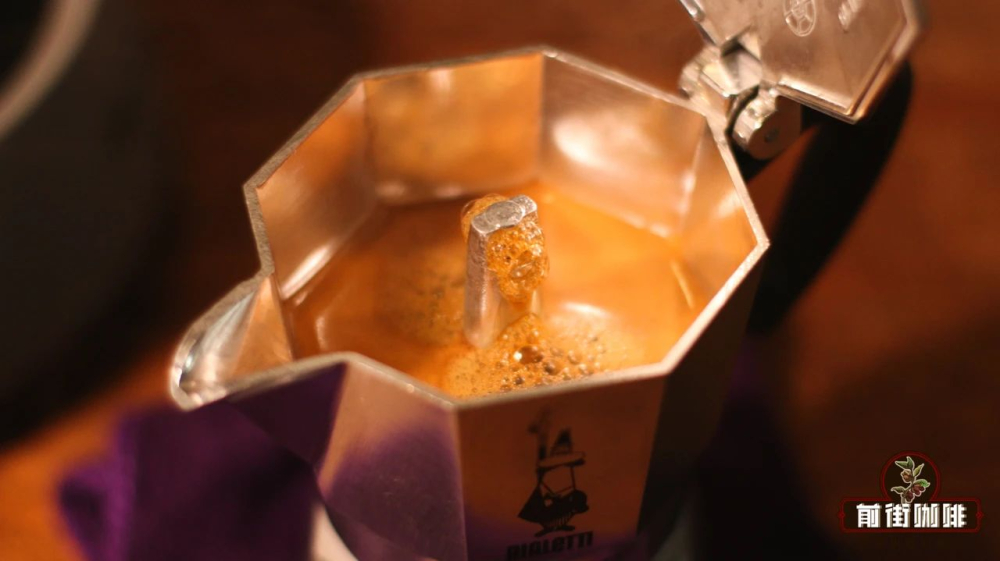
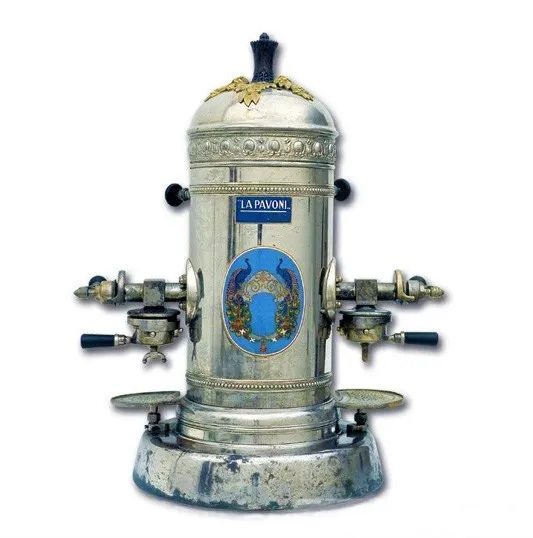
The water temperature of a moka pot is also higher. The temperature at which water boils and produces a large amount of steam is about 100°C, while espresso machines are usually around 92 to 96°C. In fact, the extraction principle of the moka pot is very similar to that of the steam-driven espresso machines of the late 19th and early 20th centuries.
Moka pot brewing parameters
Making each kind of coffee has its parameters—for example, pour-over coffee emphasizes grind size, time, and water temperature. But the principle of the moka pot is to use high temperature to turn water into steam, pushing hot water through the layers and then into the top chamber. That means the water temperature and time are uncontrollable. The only controllable factors are the amount of coffee grounds and the coarseness of the moka pot coffee grounds.
For the coarseness of moka pot coffee grounds, Front Street chooses a degree slightly coarser than espresso. You can refer to the size of the gaps in the filter screen of the grounds basket—as long as you ensure the coffee grounds won't fall into the bottom chamber. For the amount of coffee grounds, simply fill the grounds basket and tap it gently so the coffee grounds are evenly distributed.
As for what coffee beans are suitable for brewing in a moka pot, since coffee brewed with a moka pot is relatively rich, it is more suitable to use coffee beans with a darker roast level, which better reflects the coffee's full-bodied feel.
If you like coffee with high intensity and abundant crema, buy Front Street Classic Espresso Blend. This is a recipe created to pay tribute to the once-popular "Mamba Coffee." It combines Indonesian Mandheling beans and Brazilian espresso beans, carrying the wild aroma of Mandheling and the smooth mouthfeel of Brazilian beans, achieving a complementary and harmonious effect in taste. Front Street Classic Espresso Blend adds Robusta on the basis of the Mamba recipe, fully enhancing the coffee's crema and making the body of the espresso stronger. It is suitable for home use and for latte art.
If you prefer moka pot coffee with clear aromas, then try Front Street Strawberry Candy Espresso Blend. This is a blend based on two major origins—Front Street Costa Rica Tarrazú, known for its honey processing, and Ethiopia, the birthplace of coffee—and on top of that, paired with the Colombian Huila region. This way, the moka pot espresso it produces is not only not harsh, but also has good crema and a creamy texture, along with a sweet-and-sour taste like strawberry gummy candy.
How to use a moka pot
Prepare the materials needed to make coffee: coffee grounds, water, a moka pot, and a heat source for heating.
1. Add water: First, add an appropriate amount of hot water. Hot water can shorten the time needed to bring the water to a boil, letting us get a cup of moka pot coffee faster!
(Front Street uses a double-serving single-valve moka pot, filled with 130ml)
2. Fill with coffee grounds: Put an appropriate amount of coffee grounds into the grounds basket, then place the grounds basket into the bottom chamber.
(18g grounds)
It should be noted that after pouring the coffee grounds into the grounds basket, we should gently tap the grounds basket. The purpose is to allow the coffee grounds to compress downward naturally, fill the gaps, and reduce the occurrence of channeling. After filling, simply use your finger to level the surface of the coffee grounds. Note that if the coffee grounds used are too fine, it is best not to press them, because that will increase the resistance of the grounds basket and make it harder for hot water to pass through.
3. Screw the top chamber and bottom chamber tightly: For this step, note that if you filled it with hot water, it is best to use a wet cloth for heat insulation to avoid burns.
4. Place on a heat source and start brewing: There isn't much to say about this. Just place the moka pot on a heat-conductive heat source to heat.
5. Turn to low heat and wait for the coffee liquid to seep out: When we brew until the moka pot makes an obvious sound, it means that under the push of steam, the hot water is about to overflow with the coffee substances. At this point, we need to lower the heat.
Otherwise, high heat will continuously produce steam, increasing the pressure, and then because the pressure is too strong, the hot water will flow out faster, making it impossible to extract enough coffee substances, and ultimately making the whole cup of coffee taste bland and weak. So when the coffee liquid is about to overflow, it is best to lower the heat.
6. Stop heating and wait for extraction to finish: When half of the coffee liquid has come out, we should turn off the heat source, because the residual heat inside the moka pot is already enough to "urge" out the remaining hot water.
7. Taste the coffee: When the moka pot stops releasing liquid, we can pour out the coffee liquid and taste it!
Why can't a moka pot produce crema?
Ordinary households without an espresso machine want to use a moka pot as a substitute, which means they have the same requirement for coffee brewed with a moka pot: crema. The most frightening thing is seeing that the coffee brewed with a moka pot actually has no crema. The formation of crema is related to the roast level and freshness of the coffee beans.
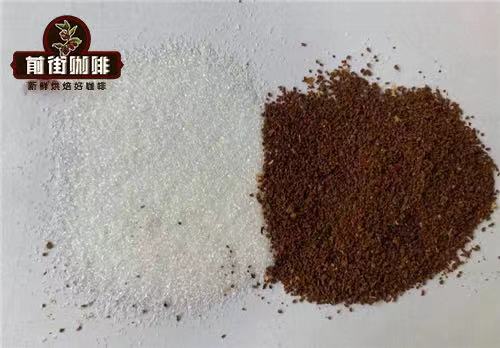
After coffee beans are roasted, they need to go through a resting period to let the aroma molecules in the beans stabilize, thereby better presenting their flavor. Coffee beans sold on the market usually have two key numbers printed on the packaging: one is the shelf life, and the other is the roast date. The shelf life is generally one year, but shelf life and peak flavor period are not the same thing. The peak flavor period should be about 30 to 45 days after the coffee bean roast date, which includes the resting period. The darker the coffee beans are roasted, the longer the resting period needed, and the more gas needs to be released, and the gas released is mainly carbon dioxide.
The longer the time since the roast date, the more flavor substances in the coffee beans will dissipate. Coffee beans that are past their peak flavor period but still within their shelf life are not undrinkable—it's just that the flavor substances have almost disappeared.
In espresso, that layer of fine crema is actually composed of countless carbon dioxide bubbles. The longer the coffee beans sit, the more the carbon dioxide content in the beans disappears, so the crema layer becomes thinner. For this reason, Front Street coffee beans are all freshly roasted within 5 days, and orders are shipped within 24 hours after placement, so everyone can fully enjoy the freshness of the coffee.
The above content is compiled by CoffeeHunters, a coffee news website.


