







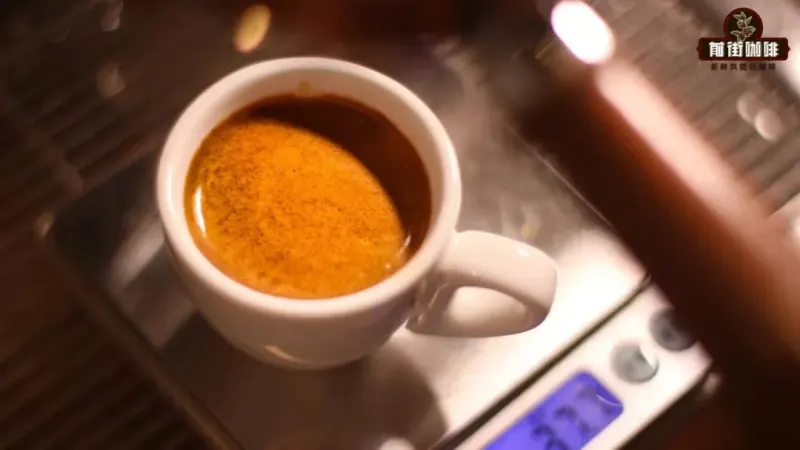
How Has the Coffee Industry Defined a Shot?
A shot of espresso is a unit of measurement, not a fixed dose. In the early coffee industry, 1 shot meant 30 to 36ml of espresso pulled from 7 to 9g of grounds in a single basket, and a double shot meant 60 to 72ml from 14 to 18g in a double basket. Today many cafes pull 36ml from 18g.
The confusion comes from that shift. Modern machines supply higher extraction pressure and roasters chase a fuller taste, so the old definition no longer matches common practice. Front Street Coffee traces the word back to drinking culture, where a shot was about one ounce of liquor, roughly 30ml, before the term entered coffee.
When ordering at a coffee shop, have you ever been confused: if you extract 36ml of espresso from 18g of coffee grounds, should that count as 1 shot or 2 shots? This seemingly simple question actually involves the evolution of measurement standards in the coffee industry. In the early days, 1 shot referred to 30~36ml of coffee liquid extracted from 7~9g of grounds, but today the mainstream approach has become extracting 36ml of liquid from 18g of grounds. Is the measurement based on the dose of grounds or the volume of liquid? Today, Front Street Coffee will start with the origin of the word "shot" and help you thoroughly clarify the logic for determining single versus double espresso, so you will no longer be confused when ordering or making coffee.
Today, Front Street Coffee noticed a rather interesting discussion: "If you extract 36ml of espresso from 18g of grounds, should this be classified as a single espresso, that is, 1 shot, or as a double espresso, that is, 2 shots?"
Quite a lot of people shared their views on this topic, because it really hits a blind spot in many people's knowledge. The root of this confusion is that the current method of extracting espresso has changed compared with the past, and so it has come into conflict with the previous definition of "shot." So today, Front Street Coffee will talk about whether extracting 36ml of espresso from 18g of grounds should be "counted" according to which standard.
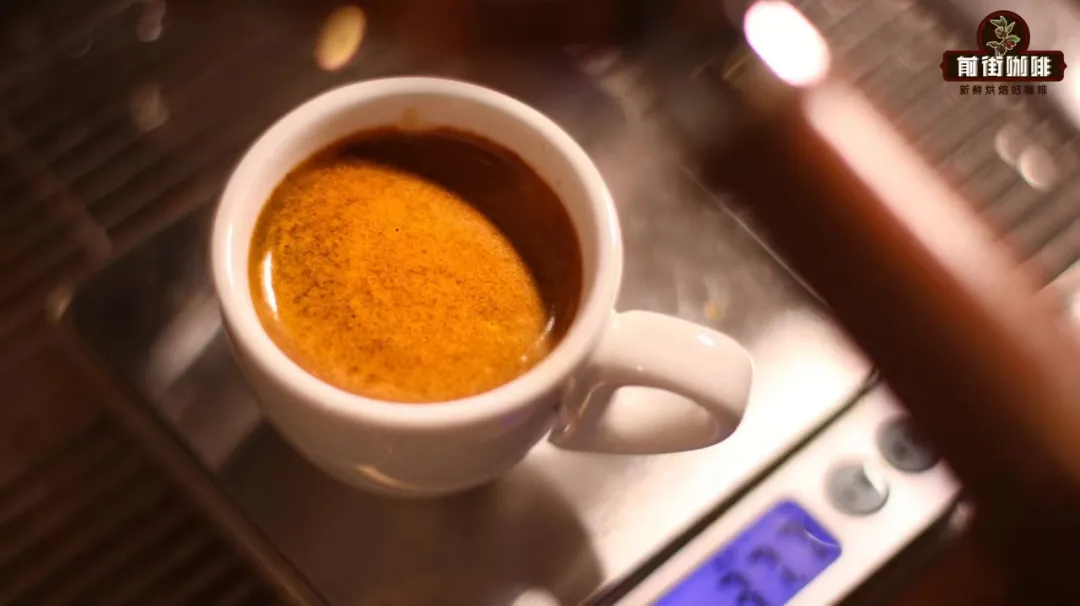
Everyone knows that the word "shot" was originally a unit of measurement in drinking culture, generally used to refer to one ounce of liquor, which is about 30ml when converted into milliliters. Later, influenced by drinking culture, the meaning of this word was introduced into the coffee field. Like alcohol, "shot" in the coffee industry is also a unit of measurement. As Front Street Coffee has mentioned many times before, in the early coffee industry, "1 shot" meant "30~36ml of espresso extracted from 7~9g of grounds using a single basket"; while "double shot" meant "60ml~72ml of espresso extracted from 14~18g of grounds using a double basket." This is the coffee industry's definition of a shot, and it was also the mainstream espresso extraction method in the early days.
As technology has continued to advance, today's espresso machines can provide higher extraction pressure, and people have also begun to pursue a more ultimate taste experience, such as hoping to taste a fuller body and richer aroma from coffee. For this reason, the mainstream espresso extraction method has also changed accordingly. The most obvious change is the grounds-to-liquid ratio. As can be seen from Front Street Coffee's sharing above, the grounds-to-liquid ratio for espresso extraction in the past was 1:4, while in today's mainstream approach the grounds-to-liquid ratio is 1:2, and the dose of grounds generally starts at 18g, that is, extracting 36ml of coffee liquid from 18g of grounds. This is currently the mainstream espresso extraction formula in China.

Espresso extracted this way is extremely concentrated, reaching twice the strength of the past, and coffee made with it is richer in both body and flavor. Take Front Street Coffee as an example: Front Street Coffee selects the Front Street Italian Classic Blend from its bean list and extracts it according to the formula of 18g of grounds, a 1:2 grounds-to-liquid ratio, and 30 seconds, ultimately obtaining espresso with a concentration of 14%. As Front Street Coffee says, all kinds of coffee made with it as a base will have a richer flavor. This is especially true for milk coffee: even if the amount of milk added is not small, you can still taste clear coffee flavors such as chocolate, nuts, and cream, with a silky, rich mouthfeel and a very outstanding performance.
So the root of the conflict should now be clear to everyone: in the past, the definition of a single espresso, that is, 1 shot, was "30~36ml of espresso extracted from 7~9g of grounds," while only "60ml~72ml of espresso extracted from 14~18g of grounds" counted as a double espresso, that is, 2 shots. But now the dose of grounds used is that of the former double shot, yet only the liquid weight of a single shot is extracted. So should it count as double or single?
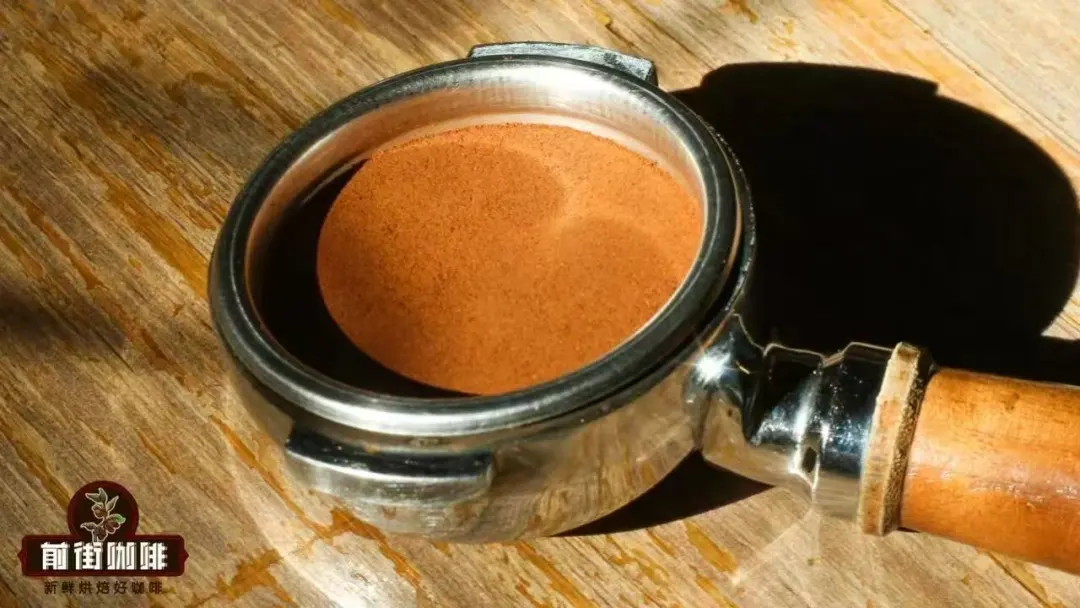
Here is the answer: it should count as double. Although the word "shot" comes from drinking culture, in coffee culture its measurement object differs somewhat from that in drinking culture. In drinking culture, the object measured by shot is "liquid," while in coffee culture, the object measured by shot is mainly "the dose of grounds." The reason the volume of coffee liquid cannot be used as the basis for measuring a shot is that the liquid volume of coffee changes depending on the extraction method or purpose. Take espresso, ristretto, and lungo as examples: although the dose of grounds is the same, their liquid volumes differ greatly. If they were measured by liquid weight, it would only create more contradictions.
Therefore, in coffee culture, the object measured by shot is mainly the dose of grounds, and no matter how much espresso you ultimately extract, the measurement is based on the dose of grounds. To avoid misunderstandings among customers, many coffee shops clearly indicate the number of shots in the add-shot option on the menu. For example, whether you are adding a "1 shot" espresso or a "2 shot" espresso. Simple and clear, this way it is less likely to cause misunderstandings or disputes~
- END -
The above content is compiled by CoffeeHunters, a coffee news website.


