







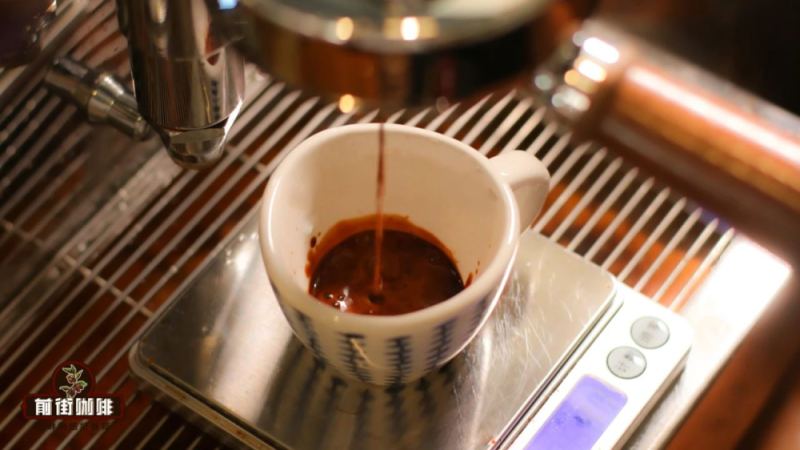
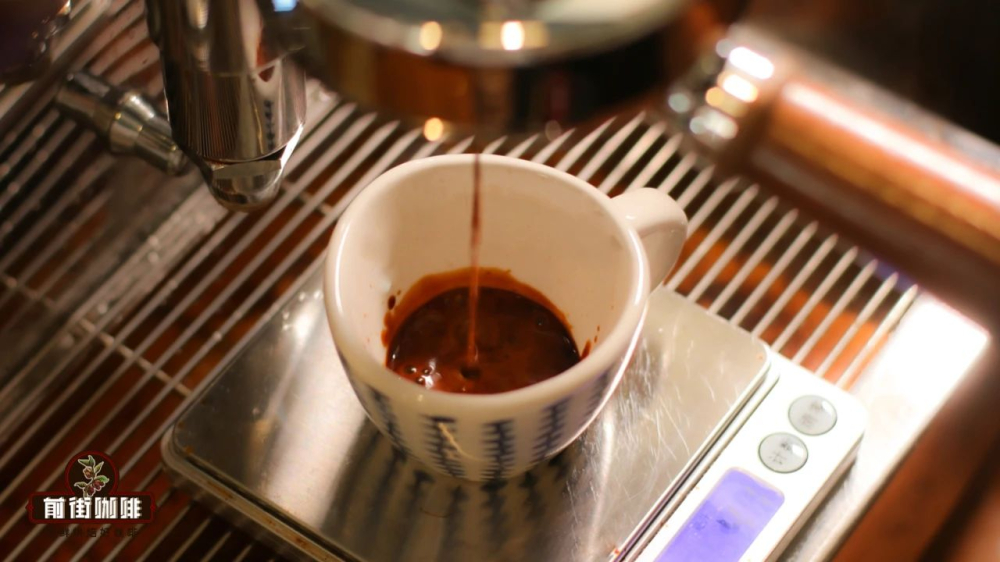
Espresso is the most common type of coffee in today's cafés, and it's also a daily must-order for many enthusiasts. It originates from Italy and is characterized by rapid extraction under high pressure. A single shot of espresso is about one ounce, topped with a reddish-brown crema. From Front Street's perspective, this article systematically explains the concept of espresso, the principle behind crema formation, the differences between dark-roast blends and single-origin SOE espresso, and breaks down in detail the six preparation steps: cleaning the portafilter basket, grinding and dosing, distributing the grounds, tamping, locking in the portafilter and extracting, and cleaning the basket. It also shares practical tips on parameter logging and coffee bean freshness, helping you make a balanced, sweet, and smooth espresso at home.
For more specialty coffee knowledge, please follow our WeChat official account: Front Street Coffee (FrontStreet Coffee)
In today's cafés, espresso-based coffee has the highest appearance rate, and it's also the type people order most often. It seems that drinking coffee without espresso always feels like something is missing. Of course, this ultimately comes down to personal preference. Espresso-based coffee is not the same thing as the black coffee we usually drink—black coffee is simply made by grinding coffee beans into powder and brewing directly. Many friends are particularly obsessed with the layer of crema on the surface of espresso coffee, loving it deeply. At Front Street, customers often ask us to grind beans into espresso powder, which shows that more and more people are choosing to make espresso at home and enjoy the fun of hands-on brewing.
However, to extract a beautiful shot of espresso, you need both high-quality coffee beans and skilled technique. Making espresso, like making pour-over coffee, has many details to pay attention to. Pour-over coffee is relatively easy to understand, but how should we understand espresso? Front Street is here to chat with everyone about it.
When it comes to espresso-based coffee, some people also call it espresso concentrato, and Front Street thinks this is fine too. Because its coffee powder is formed through high concentration, the purity is relatively high. The Italian name for espresso is "Caffe Espresso." It is a coffee that originated in Italy and is rapidly extracted under high pressure. The volume of a traditional single shot is about one ounce.
Italian coffee Espresso can be called the essence of espresso-based coffee. Espresso in Italian means "fast," because both the speed of making Italian coffee and the speed of delivering it to customers are quite fast. The characteristics of Italian coffee lie in its pure, intense flavor and its many variations in form. The surface of the coffee is covered with a relatively rich reddish-brown crema, and after drinking, a rich coffee aroma remains at the bottom of the cup. So you'll find that most espresso beans use dark roasting.
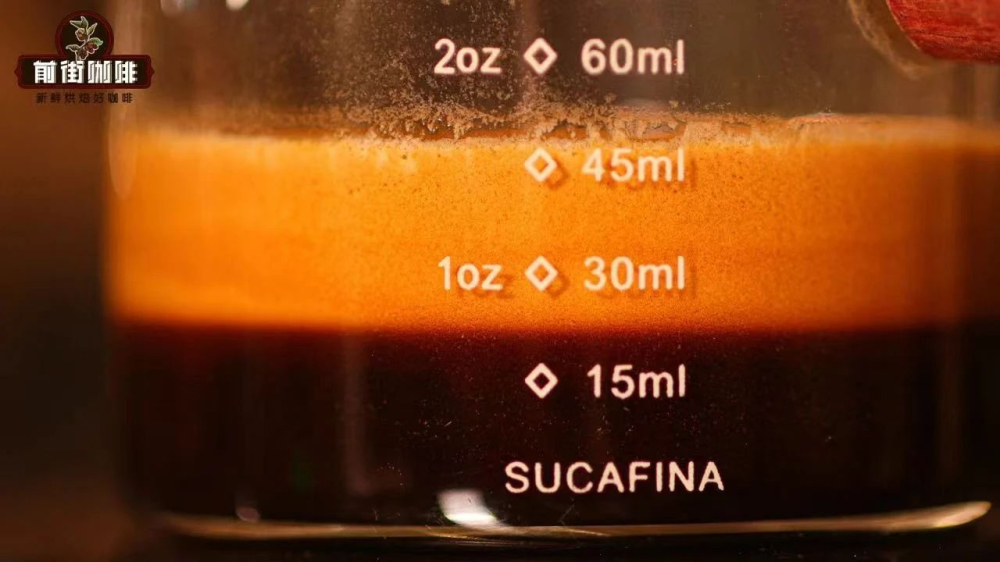
Some people prefer beautiful crema and feel that only with that layer of crema can it be considered a good espresso. What exactly is the crema in espresso? When the coffee machine extracts espresso, the coffee is ground extremely fine and extracted under pressure as high as 9 bar. When hot water passes through the coffee puck, the carbon dioxide in the coffee powder, due to excessive pressure, causes the water to become supersaturated with carbon dioxide. The carbon dioxide cannot be released and can only dissolve directly into the coffee liquid. At the same time, high pressure also forces the oils contained in the coffee to separate from the puck and be carried out along with the hot water.
After extraction ends and the coffee liquid flows out of the coffee machine, atmospheric pressure returns to normal. The carbon dioxide still remaining in the coffee liquid was about to return to the air, but it encountered the oils in the coffee liquid. The oils wrapped around the carbon dioxide that was about to escape, and this layer of crema was thus formed—and it is precisely where the charm of espresso lies. Many friends feel that if espresso lacks this layer of crema, it cannot be considered a beautiful espresso.
Of course, Front Street can't say this view is wrong, but as far as current espresso is concerned, it is no longer limited to dark-roasted blended beans—single-origin espresso, or SOE, is also used. The coffee beans used in this type of SOE are specialty coffee beans from a single origin or region, presenting a relatively single flavor profile. For example, using Honduras Whiskey Barrel Sherry coffee beans to make single-origin espresso, the crema will be less than that of dark-roasted beans, since Sherry is a medium roast, but the taste will be richer and smoother than pour-over. Italians prefer a pure, intense, and full-bodied style, so they usually choose dark-roasted beans. Today, SOE single-origin espresso is also very popular, pursuing the high quality of specialty espresso.
After hearing me say all this, do you also want to make an espresso yourself and taste it? Regarding espresso, everyone's views may differ somewhat, but the taste must be balanced, sweet, and smooth, and fully display the coffee's distinctive flavors. Front Street believes that espresso can be divided into three parts: the crema, the body, and the heart. Below, Front Street shares some insights on making espresso:
First: Espresso is approximately 30 milliliters of coffee. A magical shot of espresso can be complex, full, and sweet.
Step 1: Clean the portafilter basket
Before extracting espresso, you need to remove the portafilter and use a dedicated cloth to clean the portafilter basket, ensuring the basket is clean and free of water stains.
Step 2: Grind the coffee beans and dose
Turn on the grinder switch and begin grinding the coffee beans. Before dosing, place the portafilter on the electronic scale and tare it to zero. After dosing the coffee grounds, place it on the electronic scale again to ensure the weight of coffee grounds is consistent each time. When dosing, pay attention to where the coffee grounds fall into the portafilter so that the grounds evenly cover all areas of the portafilter.
Step 3: Distribute the grounds
After dosing, use your finger or a distribution tool to distribute the coffee grounds. The purpose is to make the coffee grounds evenly distributed and avoid inconsistent density during subsequent tamping.
Distribution is an important step in extracting espresso. Its purpose is to break up clumps and allow the coffee grounds to be evenly distributed, thereby reducing the chance of channeling during extraction. Whether using your hand or a dedicated distribution tool, you should spread the coffee grounds as evenly as possible in the basket. Because if the coffee grounds are unevenly distributed—more in one place and less in another—after tamping, the areas with more grounds will have higher density and the areas with less grounds will have lower density. Water tends to flow through the lower-density areas, which is exactly what causes channeling and uneven extraction.
Step 4: Tamp
After distribution, tamp the grounds. When tamping, the direction should be perpendicular to the basket, and the force should be moderate—neither too light nor too heavy. Too light will make the coffee puck loose, while too heavy will make the puck too compact and too dense, making it difficult for water to pass through the puck and resulting in over-extraction.
Step 5: Lock in the portafilter and extract the espresso
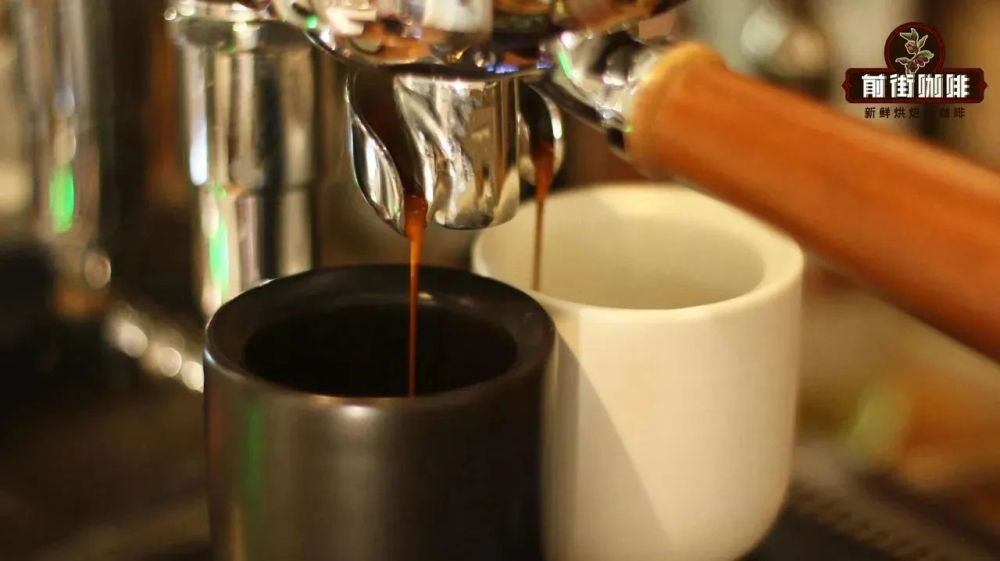
Gently lock the portafilter onto the coffee machine, avoiding bumping the portafilter against the machine. Excess bumping will cause cracks in the coffee puck inside the portafilter, which in turn triggers channeling, causing under-extraction and uneven extraction. After locking the portafilter, immediately turn on the extraction switch to begin extracting espresso. At the same time as extraction begins, use the electronic scale to weigh the espresso liquid, and constantly monitor the extraction time as well as the color and condition of the coffee liquid.
Step 6: Extraction complete, clean the portafilter basket
Knock the puck out into the knock box, clean it thoroughly with a dedicated cloth, and finally lock the portafilter back onto the coffee machine.
Espresso parameters include coffee powder weight, coffee liquid weight, and extraction time. Front Street believes that recording the parameters of each extraction is very important and necessary. Because extraction parameters help us maintain consistency and reproducibility in our output. Of course, this also requires constant practice to more easily make a complete espresso. When making espresso, also pay attention to the freshness of the coffee beans, because freshness directly affects the taste of the coffee.
Front Street Coffee (FrontStreet Coffee) Brewing Recommendations
Whether it's pour-over coffee or espresso, if you want to brew well, you must use good coffee beans and also rest the beans properly. Front Street has always believed that the freshness of coffee beans is a crucial part of brewing. The coffee beans shipped by Front Street Coffee (FrontStreet Coffee) are all within 5 days of the roast date, because Front Street knows well that the freshness of coffee beans greatly affects the flavor. Front Street's roasting philosophy is "freshly roasted good coffee," so that every customer who places an order receives the freshest coffee when they get it. The resting period for coffee is about 4-7 days, so when customers receive it, it's at its peak flavor.
Of course, some customers need Front Street to help grind the beans, and that's fine too, but Front Street wants to remind you: once coffee beans are ground in advance, there's no need to rest them anymore, because the pressure from carbon dioxide inside the packaging during transport can also round out the coffee's flavor, so you can brew a cup immediately upon receiving the ground coffee. But the ground coffee should be brewed promptly, because ground coffee oxidizes quickly upon contact with air—meaning the flavor dissipates faster and the coffee won't taste as good. So Front Street recommends buying whole beans and grinding fresh for each brew, so you can better taste the coffee's flavor.
Professional coffee knowledge exchange. For more coffee bean information, please follow Coffee Workshop (WeChat official account: cafe_style)
For more specialty coffee beans, please add the private WeChat of Front Street Coffee (FrontStreet Coffee): qjcoffeex
The above content is compiled by CoffeeHunters, a coffee news website.


